

-
 TANZANIA VP RESIGNS AMID SPECULATION OVER STRAIN WITH PRESIDENT SULUHU
-
 RUTO, GACHAGUA DRAW THE LINE ON 2027 DEAL
-
 TREVOR, DJ SHITI TRADE BARBS OVER HEHA MOVERS MANAGEMENT
-
 IEBC BANS CAMPAIGNS BEFORE MAY 29, 2027
-
 Ndindi Nyoro joins opposition after UDA exit
-
 RONALDO AND GEORGINA FLAUNT WEDDING RINGS
-
 DIAMOND’S FORMER DJ RESCUED FROM STREETS
-
 MUTURI REJECTS GACHAGUA’S ‘HYENA COALITION’
-
 YUNGE’S ALLEGED EX CRIES FOUL AFTER CHARLENE’S WEDDING
CABINET APPROVES KENYA PIPELINE COMPANY PRIVATISATION TO BOOST EFFICIENCY AND INVESTOR CONFIDENCE
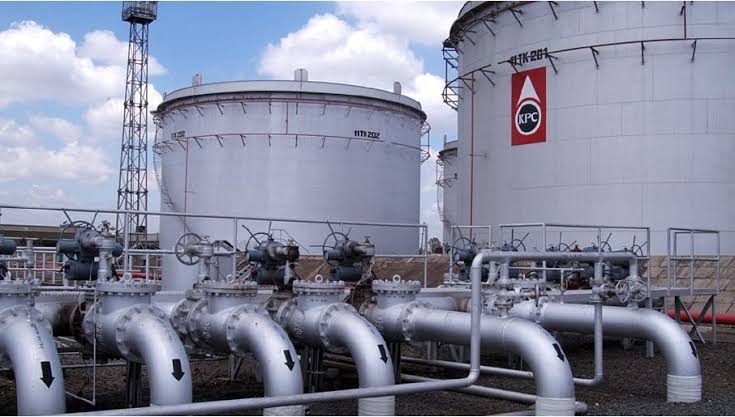
The Cabinet has approved the reintroduction of the Kenya Pipeline Company (KPC) into the privatisation programme, setting the stage for a partial sale of government shares and the eventual listing of the strategic energy parastatal on the Nairobi Securities Exchange (NSE). According to an official Cabinet dispatch, this decision is part of a broader policy shift aimed at reducing state involvement in commercial enterprises and promoting private sector leadership in driving economic growth, operational efficiency, and innovation. The resolution was made during a Cabinet meeting chaired by President William Ruto at State House, Nairobi.
“The Cabinet has authorised the reinstatement of KPC into the privatisation programme, clearing the way for a partial divestment of government shares. The goal is to democratise ownership through the NSE and unlock the full commercial potential of the company,” the statement read. KPC plays a pivotal role in Kenya’s energy supply chain and has consistently generated strong profits. However, the Cabinet noted that the company has yet to realise its full market potential due to bureaucratic bottlenecks and inefficiencies typically associated with public sector management.
Privatisation is expected to bring in private investment and professional expertise, modernise KPC’s operations, and position it as a regional logistics and energy leader. The Cabinet highlighted successful precedents where similar transitions yielded transformative results. It cited Safaricom, Kenya Commercial Bank, and KenGen as former state-owned enterprises that significantly improved performance after privatisation—expanding regionally, boosting shareholder value, and creating employment.
The planned privatisation of KPC is also expected to enhance investor confidence and support the growth of Kenya’s capital markets. “This marks a significant shift away from government dominance in commercial ventures toward a model rooted in private sector-led development, improved operational discipline, and greater accountability,” the statement noted. “It will also ensure more effective use of public resources in delivering essential services.” The process will follow existing legal and regulatory frameworks governing the sale of public assets.


Comments (0)
No comments yet. Be the first to comment!