

-
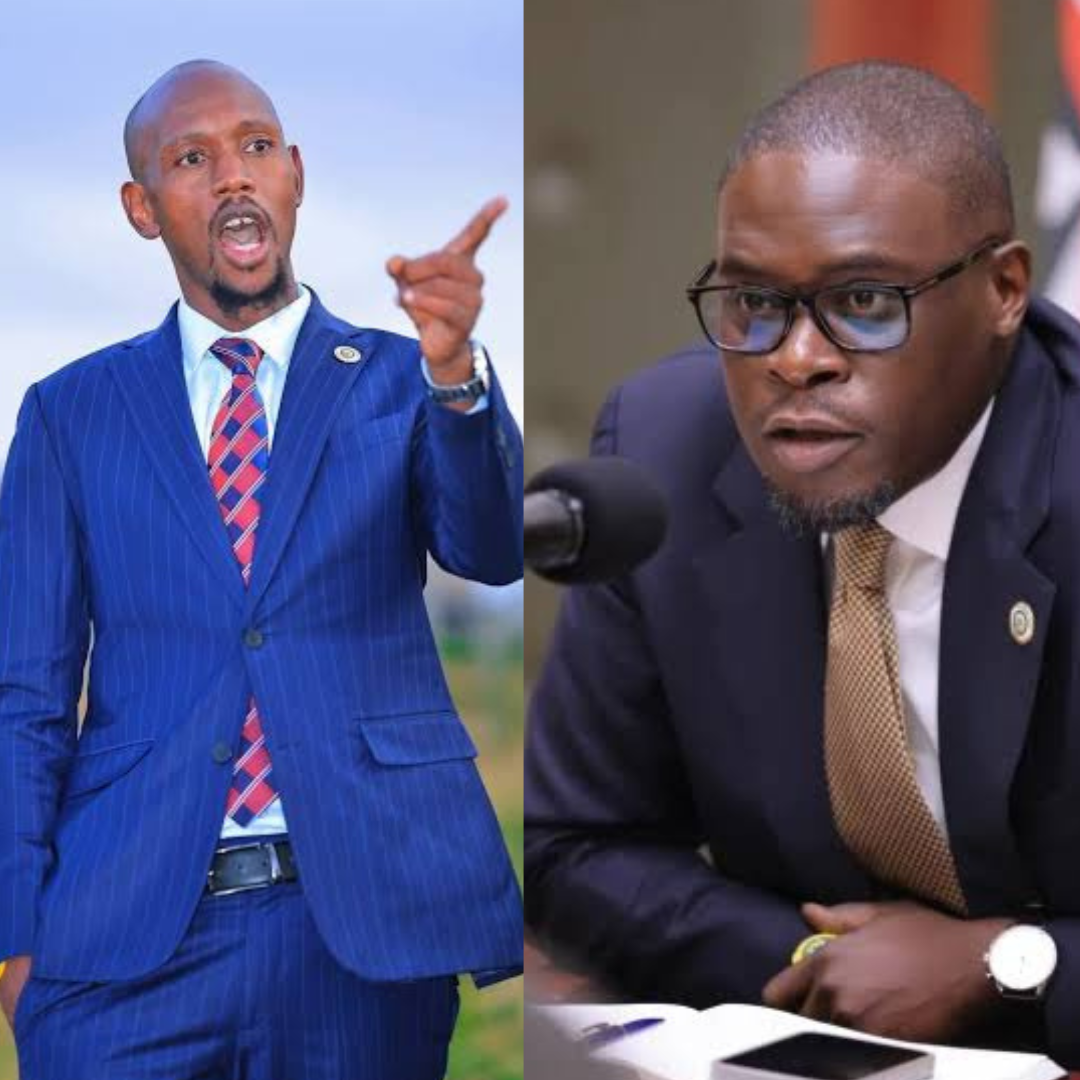 MOSIRIA FIRES SARCASTIC SHOT AT SAKAJA AFTER SACKING
-
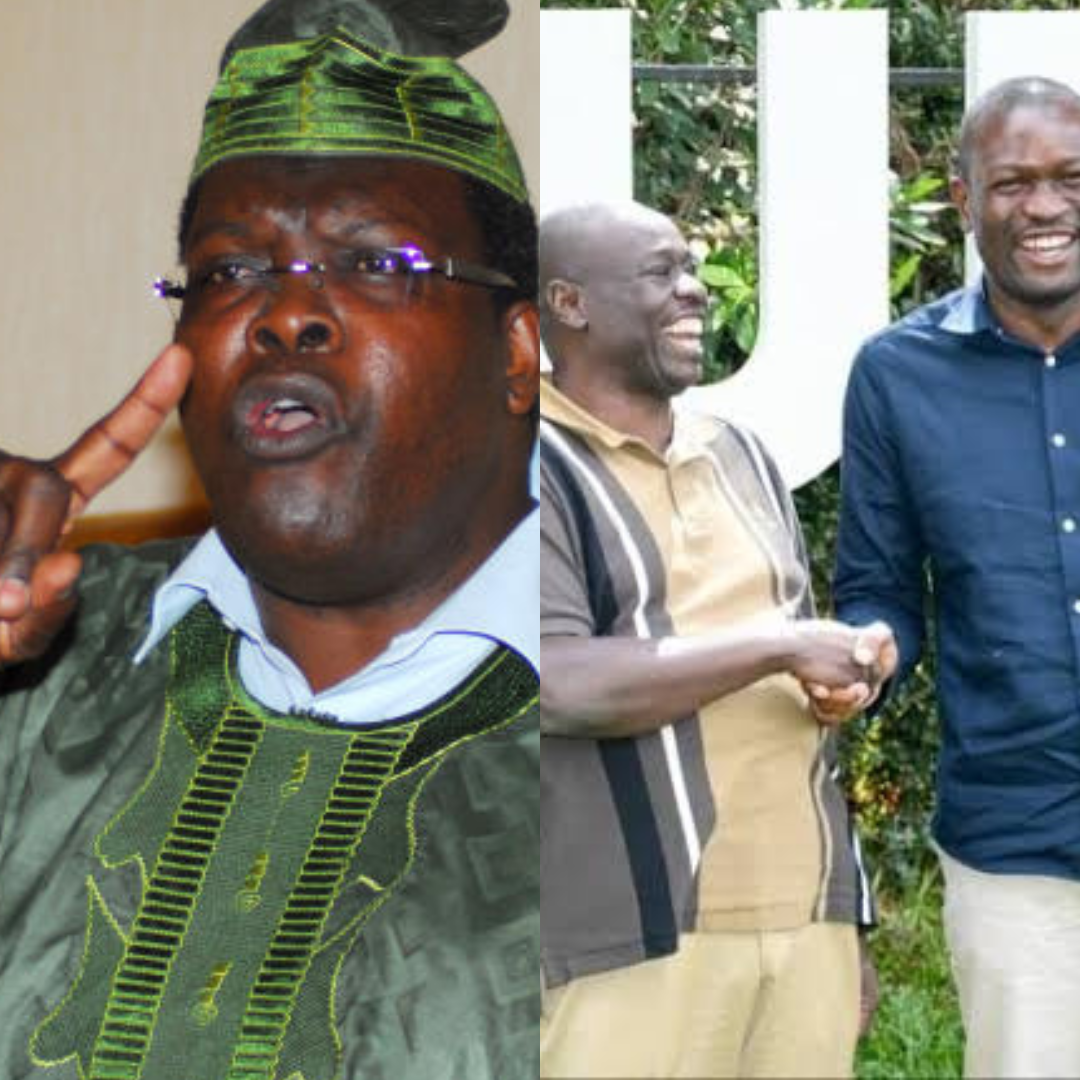 SIFUNA’S 2027 BID DOOMED BY OLD GUARD ALLIANCE- MIGUNA
-
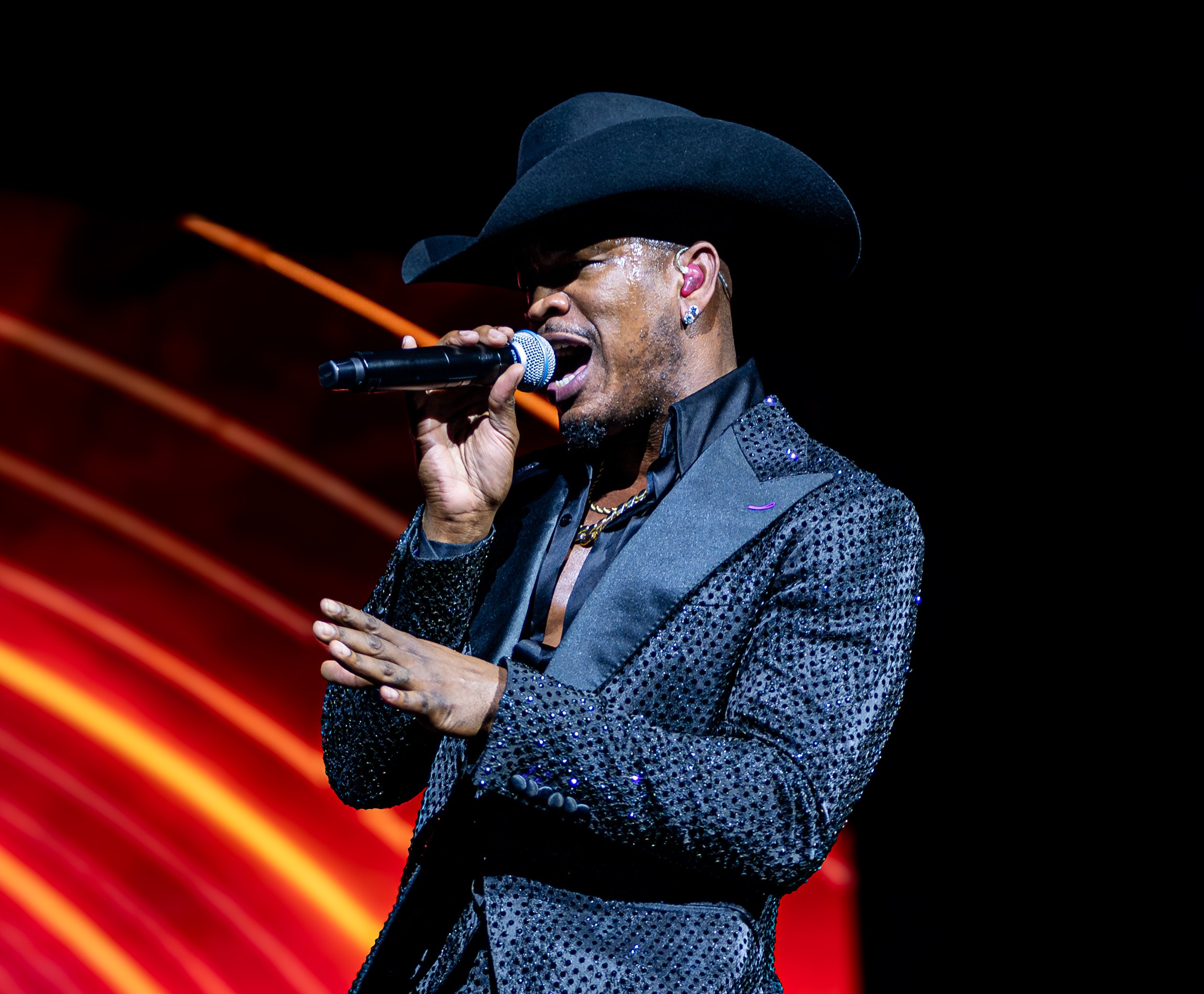 NE-YO ROCKS AS FANS FUME OVER DISAPPOINTMENT DESPITE COSTLY PAY
-
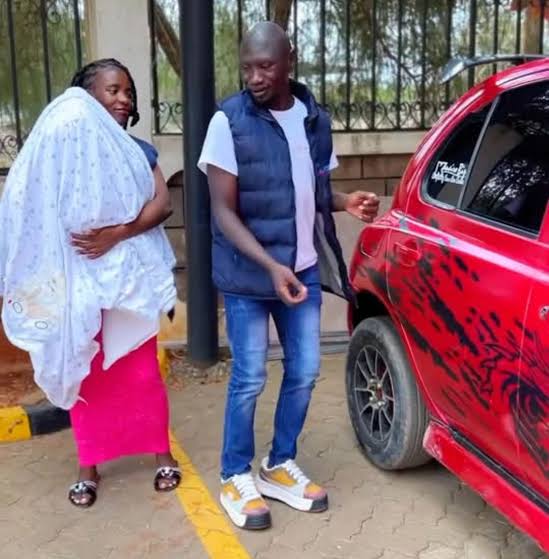 STEVO SIMPLE BOY DUMPS WIFE AFTER DNA BOMBSHELL
-
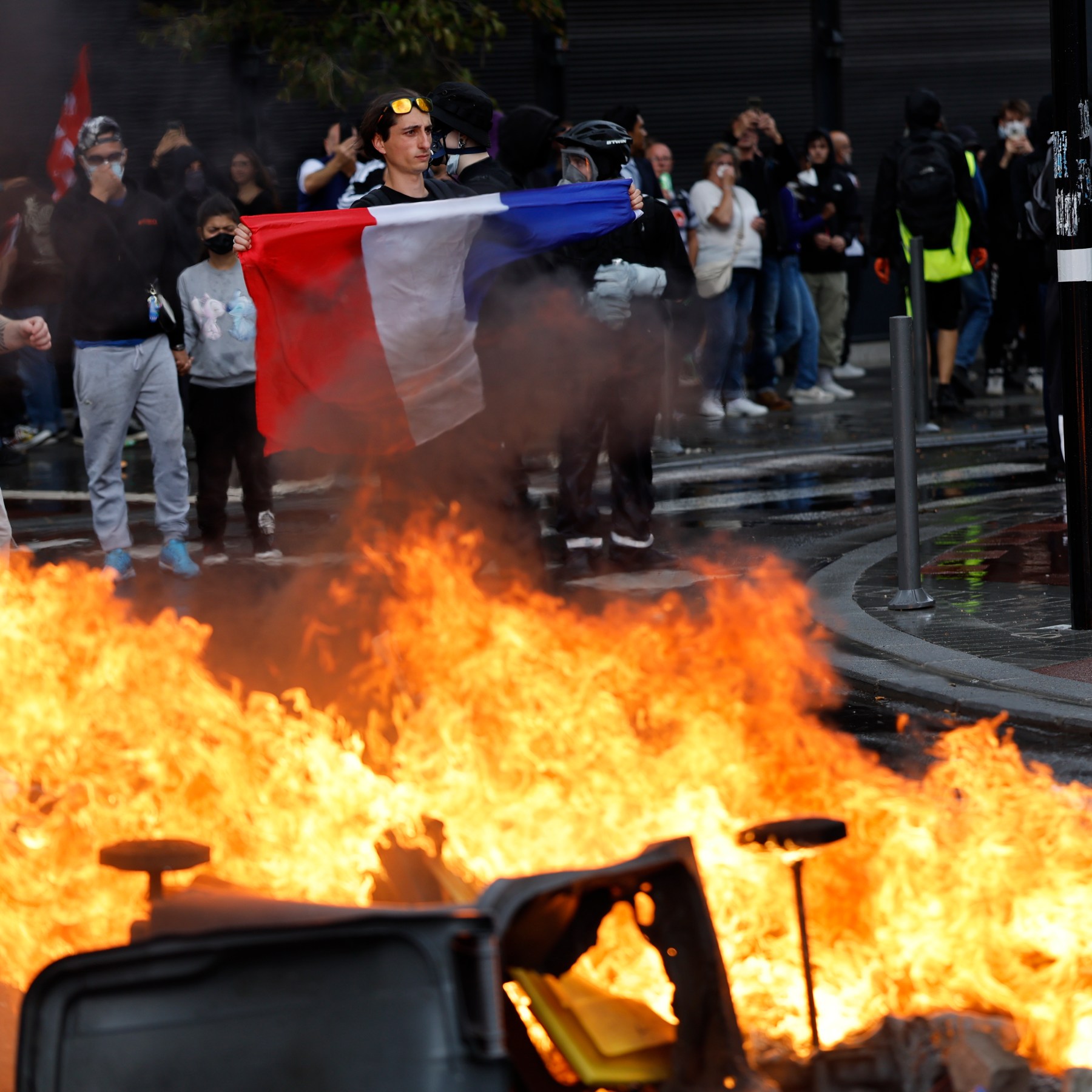 FRANCE IN FLAMES
-
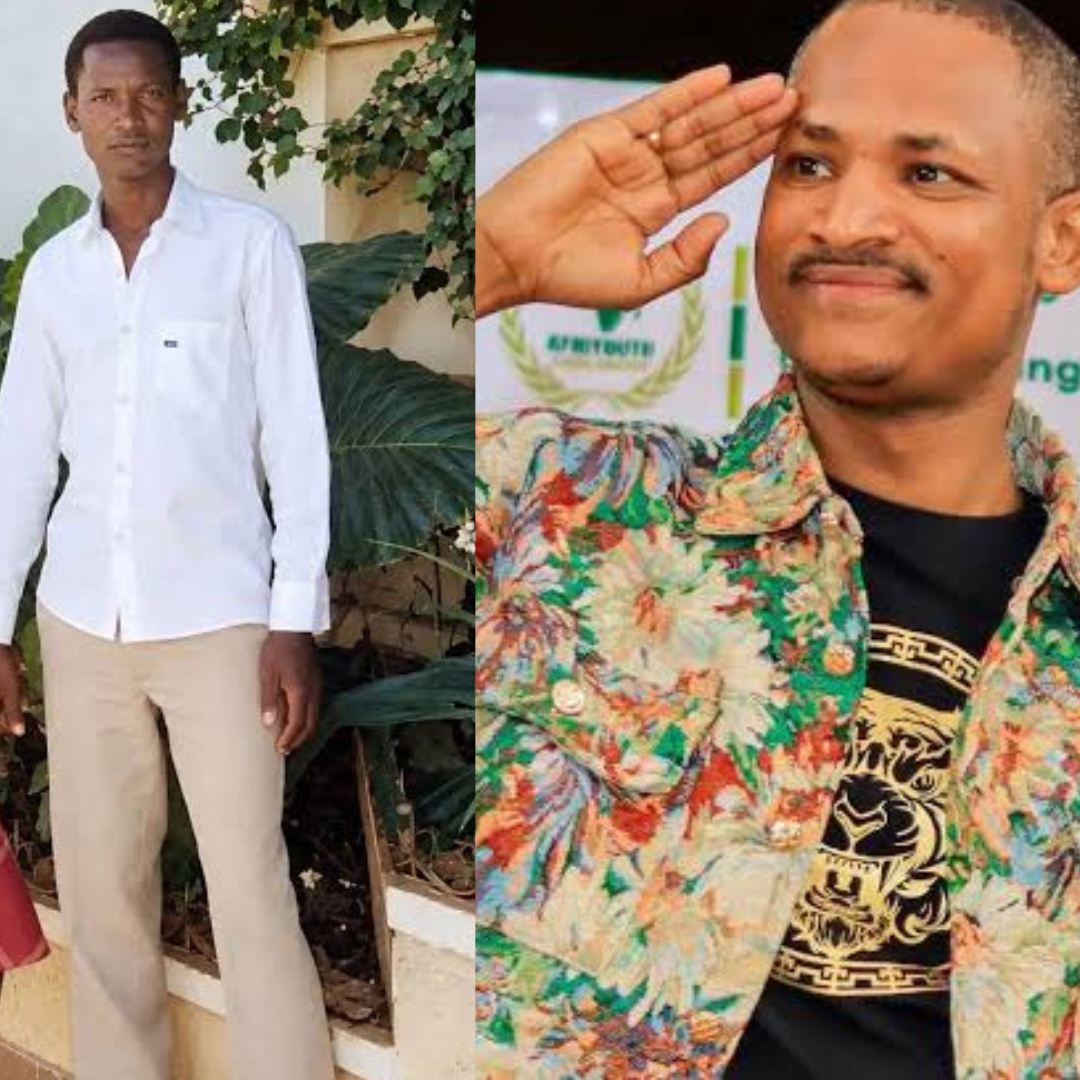 BABU SALUTES LATE FATHER, MOTHER AND RAILA IN MASHUJAA TRIBUTE
-
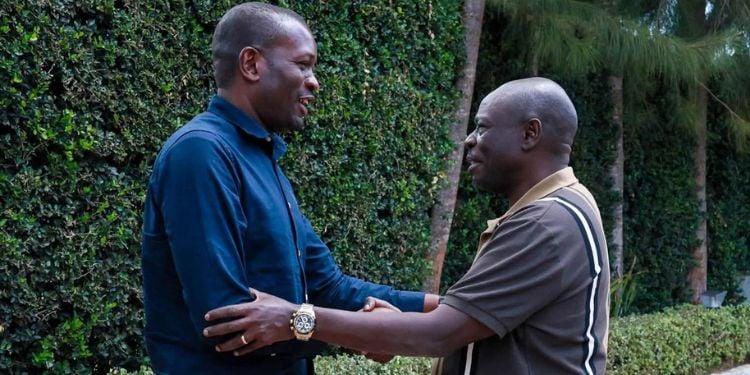 SIFUNA-GACHAGUA TAG TEAM TAKES SHAPE AFTER FORMER DP’S LOW-KEY RETURN
-
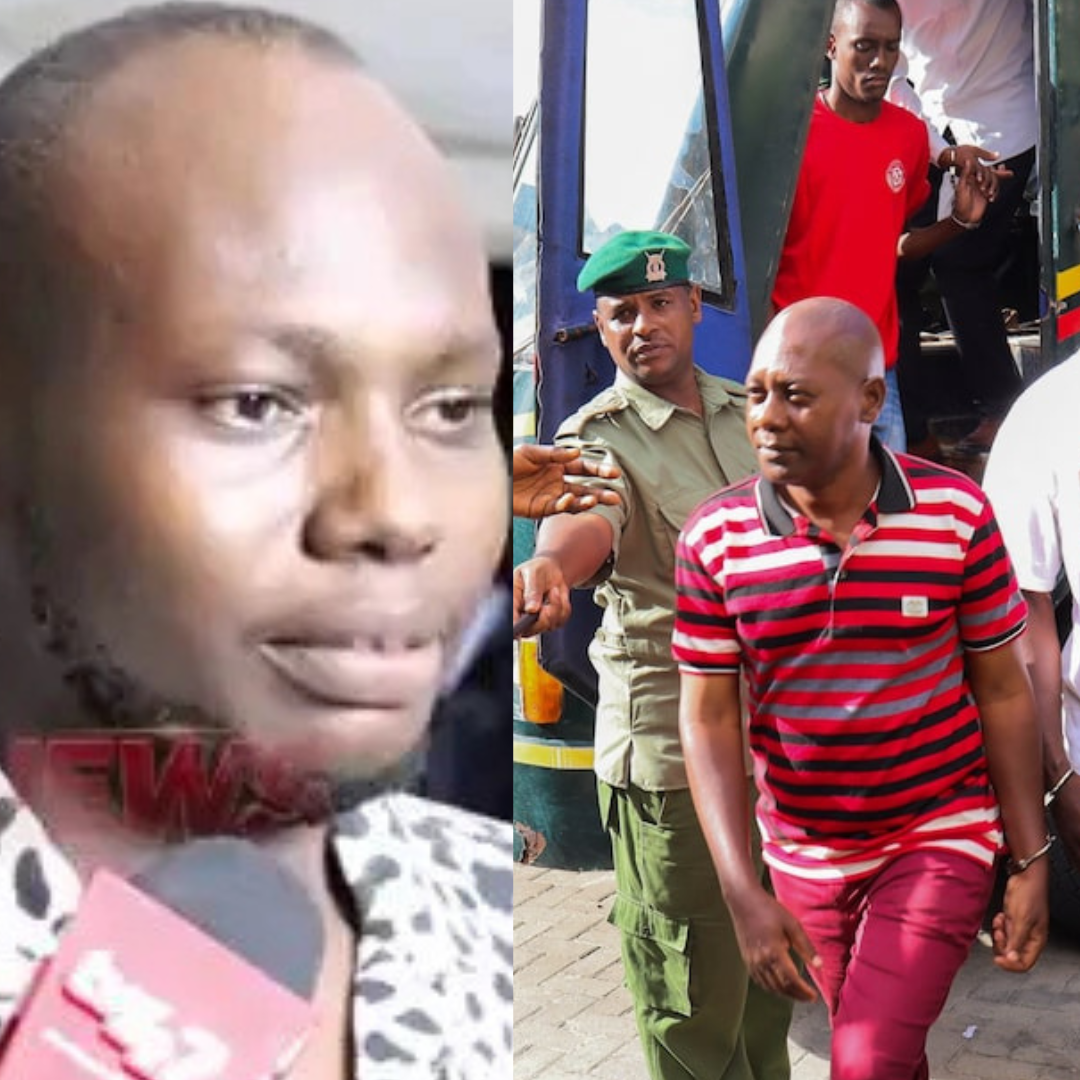 SON DENOUNCES MACKENZIE, LABELS HIM A MURDERER
-
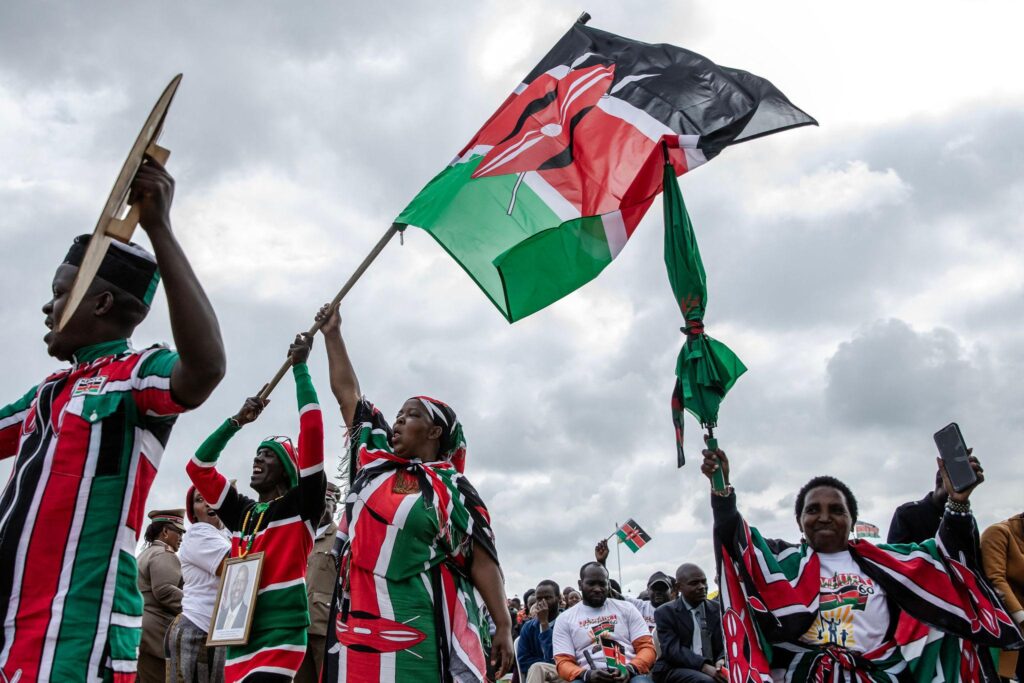 KENYANS MARK 63RD MASHUJAA DAY
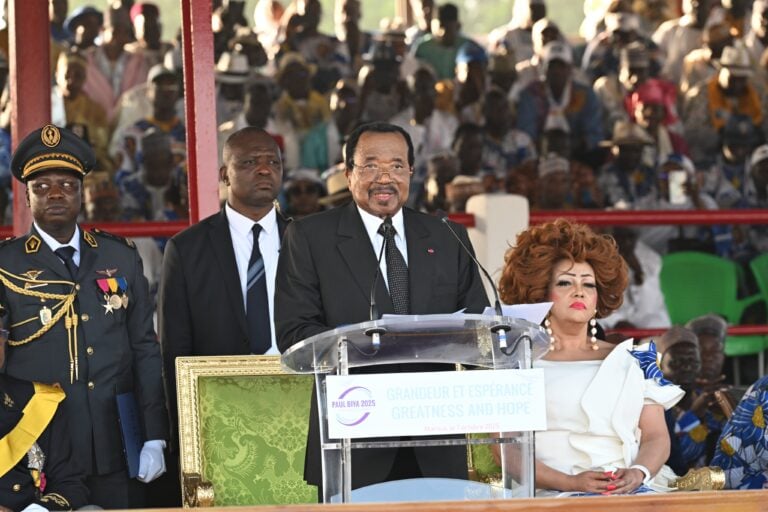
CAMEROON ON FIRE AS 92- YEAR-OLD PAUL BIYA WINS EIGHTH TERM
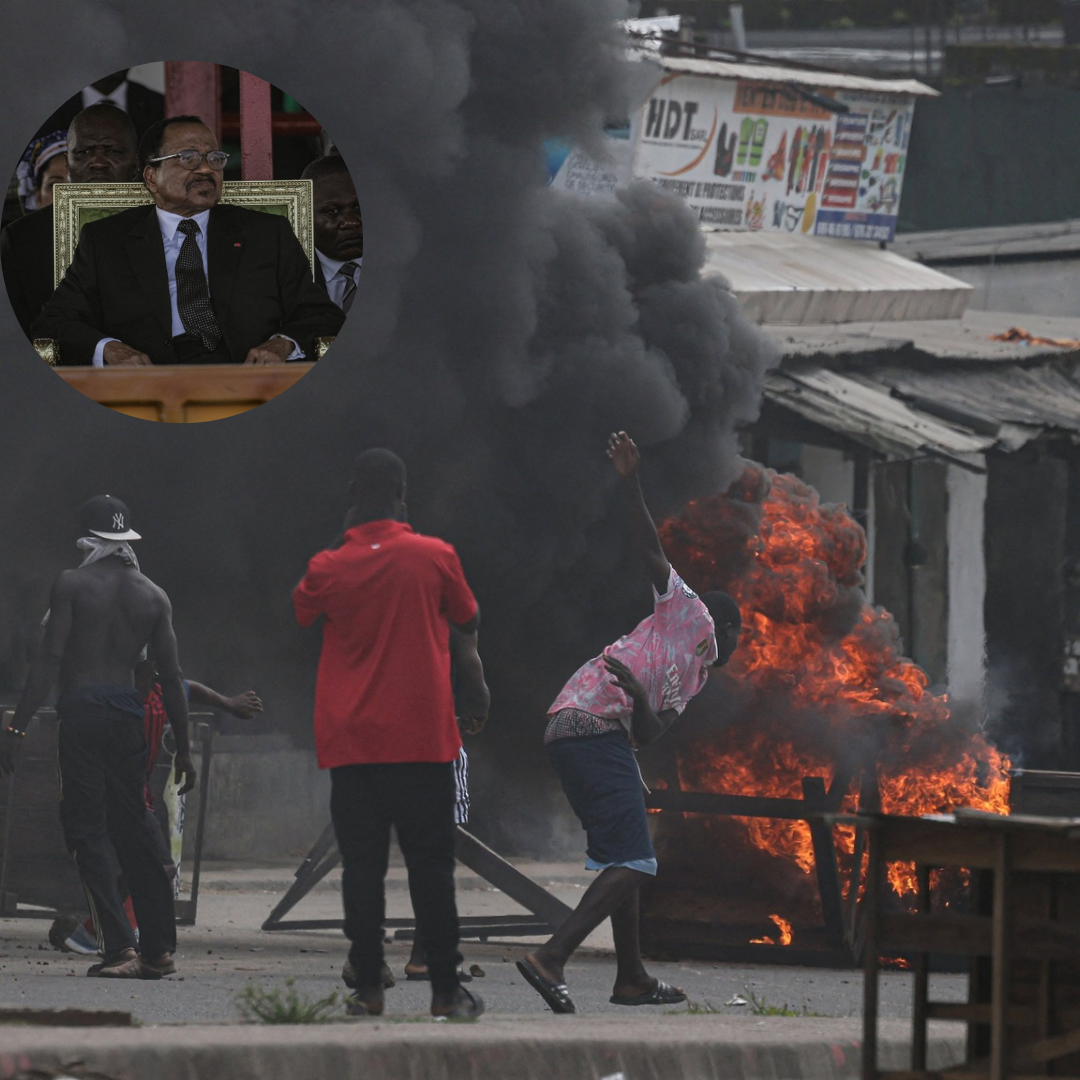
Cameroon has been plunged into a wave of deadly protests after President Paul Biya, aged 92, was declared the winner of the country’s disputed presidential election, extending his rule to an unprecedented eighth consecutive term.
The Constitutional Council announced Biya’s victory on Monday, confirming him as the world’s oldest serving head of state and one of Africa’s longest-ruling leaders. According to official figures, Biya garnered 53.66 percent of the vote, while his closest challenger, Issa Tchiroma Bakary, trailed with 35.19 percent.
The results mean Biya, who has been in power since 1982, will remain president until 2032—when he will be nearly 100 years old.
The announcement triggered widespread unrest, especially in the commercial capital Douala, where clashes between opposition supporters and security forces turned violent. At least four protesters were killed, and more than 100 others arrested, according to local officials.
The violence followed calls from Tchiroma Bakary, 76, for his supporters to march peacefully to protest what he described as a “stolen election.”
“Our victory is clear. It must be respected,” Tchiroma said in a video posted on Facebook, insisting he had won 55 percent of the vote based on results “from 80 percent of polling stations.”
Bakary, a former government minister and Biya’s longtime spokesperson, broke ranks with the ruling Cameroon People’s Democratic Movement (CPDM) just four months before the October 12 election, accusing Biya’s administration of corruption and authoritarianism.
He refused to file an appeal with the Constitutional Council, saying its judges were handpicked by Biya, and instead declared himself the “legal and legitimate president.”
The Constitutional Council rejected eight petitions filed by other opposition groups, citing insufficient evidence of fraud or jurisdictional grounds to nullify results. CPDM officials dismissed Bakary’s self-declaration as “illegal and baseless,” stressing that only the Council has the authority to certify election outcomes.
But opposition supporters insist the polls were marred by ballot-stuffing, intimidation, and voter suppression, particularly in the country’s Anglophone regions, where turnout was low amid ongoing separatist conflict.
Governor Samuel Dieudonne Ivaha Diboua of the Littoral region confirmed that protesters attacked police stations and set vehicles ablaze in parts of Douala.
“Four people unfortunately lost their lives,” he told AFP, adding that several officers were injured.
Tchiroma’s campaign team condemned the killings, calling them “a tragic reflection of a regime that has become criminal.”
“Tell the truth of the ballots, or we will all mobilise and march peacefully,” he warned in a later address.
Analysts fear the unrest could spread, deepening Cameroon’s long-standing political and ethnic divisions.
Biya’s victory cements his place among the world’s most enduring rulers. Since taking power in 1982, he has navigated decades of political turbulence, regional wars, and domestic crises — while critics accuse him of entrenching a culture of corruption and repression.
Despite his age and frail public presence, Biya appeared calm when casting his ballot on election day, telling reporters,
“Nothing is given. Let’s wait and see. Let’s wait for the name of the winner.”
Biya rarely appears in public and is known to spend extended periods abroad — particularly in Switzerland, where investigative reports suggest he has spent several years cumulatively since taking office.
His re-election has sparked renewed debate over succession and stability, with observers warning that a power vacuum after his eventual exit could plunge the Central African nation into deeper crisis.
Tchiroma Bakary’s defiance adds another chapter to Cameroon’s tumultuous political narrative. He was born Garoua and later trained as an engineer in France before returning home to work for Cameroon's national railway company.
In 1984, he was imprisoned for six years, accused—without conviction—of participating in a coup attempt against Biya. Decades later, he served as communications minister and government spokesperson between 2009 and 2019, often defending the government during the Boko Haram insurgency and other crises.
But in a dramatic turn in June 2025, he resigned from government and announced his presidential bid, vowing to bring an end to “43 years of stagnation.”
Cameroon, a nation of about 30 million people, remains divided along linguistic and political lines, with ongoing violence in its Anglophone southwest and northwest regions. Many voters in these areas boycotted the election, citing intimidation and disillusionment.
As Biya prepares to continue his rule into a fifth decade, opposition movements and civil society groups warn that the government’s heavy-handed response to dissent could push the country closer to chaos.
For now, the message from the streets of Douala and Yaoundé is clear: Cameroon is on fire — and its aging leader shows no sign of stepping aside.
Comments (0)
No comments yet. Be the first to comment!