

-
 TANZANIA VP RESIGNS AMID SPECULATION OVER STRAIN WITH PRESIDENT SULUHU
-
 RUTO, GACHAGUA DRAW THE LINE ON 2027 DEAL
-
 TREVOR, DJ SHITI TRADE BARBS OVER HEHA MOVERS MANAGEMENT
-
 IEBC BANS CAMPAIGNS BEFORE MAY 29, 2027
-
 Ndindi Nyoro joins opposition after UDA exit
-
 RONALDO AND GEORGINA FLAUNT WEDDING RINGS
-
 DIAMOND’S FORMER DJ RESCUED FROM STREETS
-
 MUTURI REJECTS GACHAGUA’S ‘HYENA COALITION’
-
 YUNGE’S ALLEGED EX CRIES FOUL AFTER CHARLENE’S WEDDING
CBK LIFTS DECADE-LONG FREEZE ON NEW BANK LICENSES
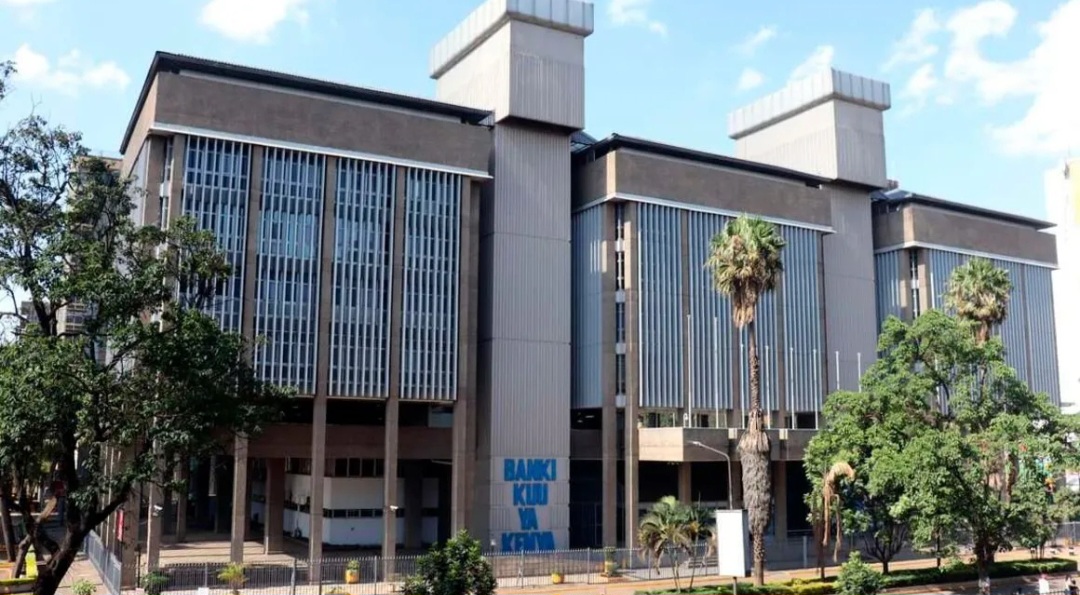
In a landmark move to invigorate the banking sector, the Central Bank of Kenya (CBK) has officially ended its nearly 10-year moratorium on issuing new bank licenses. The decision, effective from July 1, 2025, marks a significant policy shift aimed at bolstering the resilience and competitiveness of Kenya’s financial industry.
The freeze, imposed on November 17, 2015, followed the collapse of several banks and a rapidly evolving economic landscape that called for stricter regulatory oversight. The moratorium had led to a period of consolidation, during which the number of banks in the country decreased from 44 to 38. The CBK’s decision is seen as an effort to restore confidence among investors and to stimulate a more competitive environment in the banking sector.
Under the new guidelines, prospective banks must meet an enhanced minimum core capital requirement of KSh 10 billion—a measure mandated under the Business Laws (Amendment) Act, 2024. This move is designed to ensure that all banking institutions entering the market are well-capitalized and capable of withstanding economic challenges. Additionally, existing banks will be required to gradually increase their capital levels until they too meet the new KSh 10 billion minimum by December 2029.
Regulators and industry experts alike have hailed the development as a strategic step toward reinforcing the stability of Kenya’s financial system. “By setting a higher capital threshold, the CBK is not only safeguarding the interests of depositors but also paving the way for robust banks that can support large-scale financing needs and regional expansion,” a senior financial analyst commented.
The lifting of the moratorium opens the door for new entrants, providing opportunities for innovative banking models and strategic partnerships. Until now, the only pathway for fresh entities looking to establish a presence in Kenya’s banking arena was to acquire or merge with existing institutions. With the new policy in place, a broader spectrum of well-funded investors is expected to enter the market, potentially reshaping the competitive landscape.
As the CBK rolls out the new licensing framework, stakeholders remain cautiously optimistic that the step will rejuvenate the sector and contribute to sustained economic growth. The move is already being watched closely by both local and international investors, as Kenya positions itself as a dynamic hub for financial services in the East African region.
For now, all eyes will be on how the new policy will transform the banking landscape and spur further innovation in the market.


Comments (0)
No comments yet. Be the first to comment!