

-
 SIFUNA’S 2027 BID DOOMED BY OLD GUARD ALLIANCE- MIGUNA
-
 NE-YO ROCKS AS FANS FUME OVER DISAPPOINTMENT DESPITE COSTLY PAY
-
 STEVO SIMPLE BOY DUMPS WIFE AFTER DNA BOMBSHELL
-
 FRANCE IN FLAMES
-
 BABU SALUTES LATE FATHER, MOTHER AND RAILA IN MASHUJAA TRIBUTE
-
 SIFUNA-GACHAGUA TAG TEAM TAKES SHAPE AFTER FORMER DP’S LOW-KEY RETURN
-
 SON DENOUNCES MACKENZIE, LABELS HIM A MURDERER
-
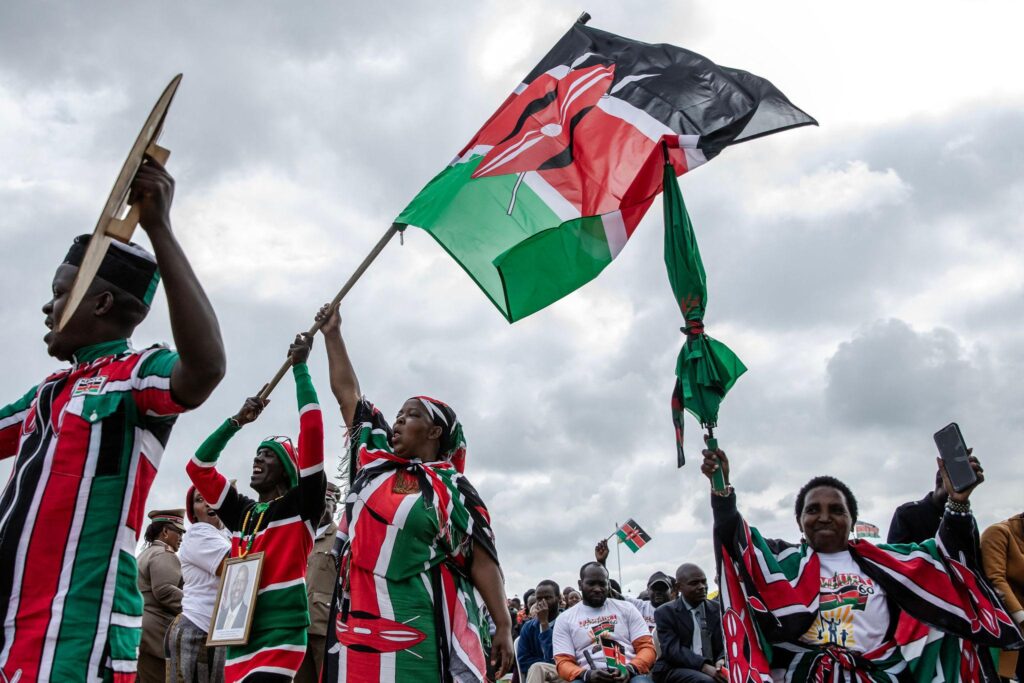 KENYANS MARK 63RD MASHUJAA DAY
-
 RUTO’S AFFORDABLE HOUSING: NYUMBA ZIPO, LAKINI VIJANA WATAZILIPIA NA PESA GANI?
COLUMBIA UNIVERSITY TO PAY OVER KSH 25.7 BILLION TO SETTLE TRUMP-ERA PROBES
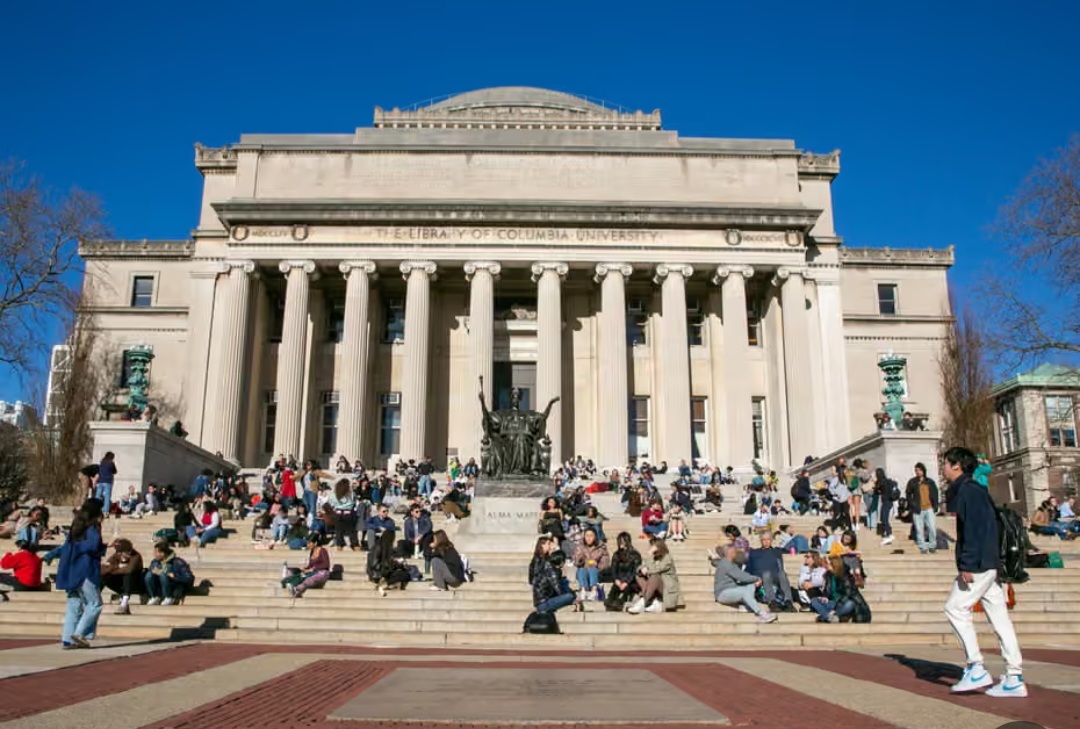
Columbia University has agreed to pay more than KSh 25.7 billion (approximately $220 million) in a sweeping settlement with the U.S. government to resolve investigations launched under former President Donald Trump’s administration.
The historic deal — the largest of its kind involving a university — comes after months of pressure over allegations that Columbia failed to adequately address antisemitism on campus and violated federal employment and education laws.
As part of the agreement, Columbia will:
Pay $200 million over three years to settle civil rights investigations linked to pro-Palestinian protests and student safety.
Pay an additional $21 million to resolve complaints filed with the Equal Employment Opportunity Commission (EEOC).
Regain access to more than $400 million in suspended federal research grants.
In exchange, the university has committed to major institutional reforms, including:
Adopting the International Holocaust Remembrance Alliance's (IHRA) definition of antisemitism.
Disciplining over 70 students linked to a May 2024 protest.
Overhauling its disciplinary systems and admissions policies.
Ending race-based hiring practices and phasing out diversity, equity, and inclusion (DEI) programs.
Sharing student disciplinary records with federal authorities.
Enhancing oversight of international student admissions.
An independent monitor, Bart M. Schwartz, will oversee Columbia’s compliance and submit reports every six months. Unlike traditional court-ordered consent decrees, this arrangement was reached voluntarily to avoid lengthy litigation.
The deal sets a precedent in U.S. higher education, signaling a new federal approach to holding universities accountable. While Columbia opted to settle, other top institutions like Harvard continue to battle similar probes in court.
Critics have raised concerns over academic freedom and institutional autonomy, warning that the settlement may open the door to increased federal intervention in university affairs.

Comments (0)
No comments yet. Be the first to comment!