

-
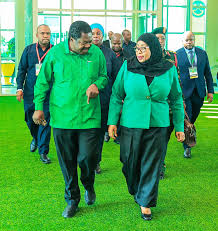 TANZANIA VP RESIGNS AMID SPECULATION OVER STRAIN WITH PRESIDENT SULUHU
-
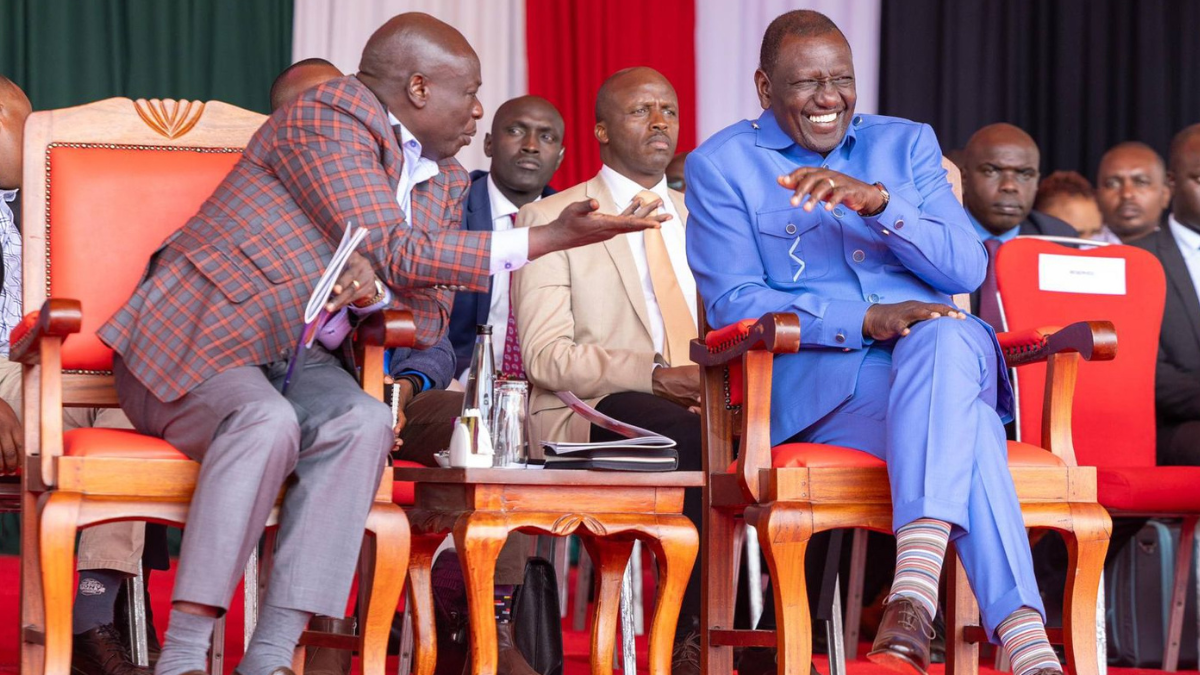 RUTO, GACHAGUA DRAW THE LINE ON 2027 DEAL
-
 TREVOR, DJ SHITI TRADE BARBS OVER HEHA MOVERS MANAGEMENT
-
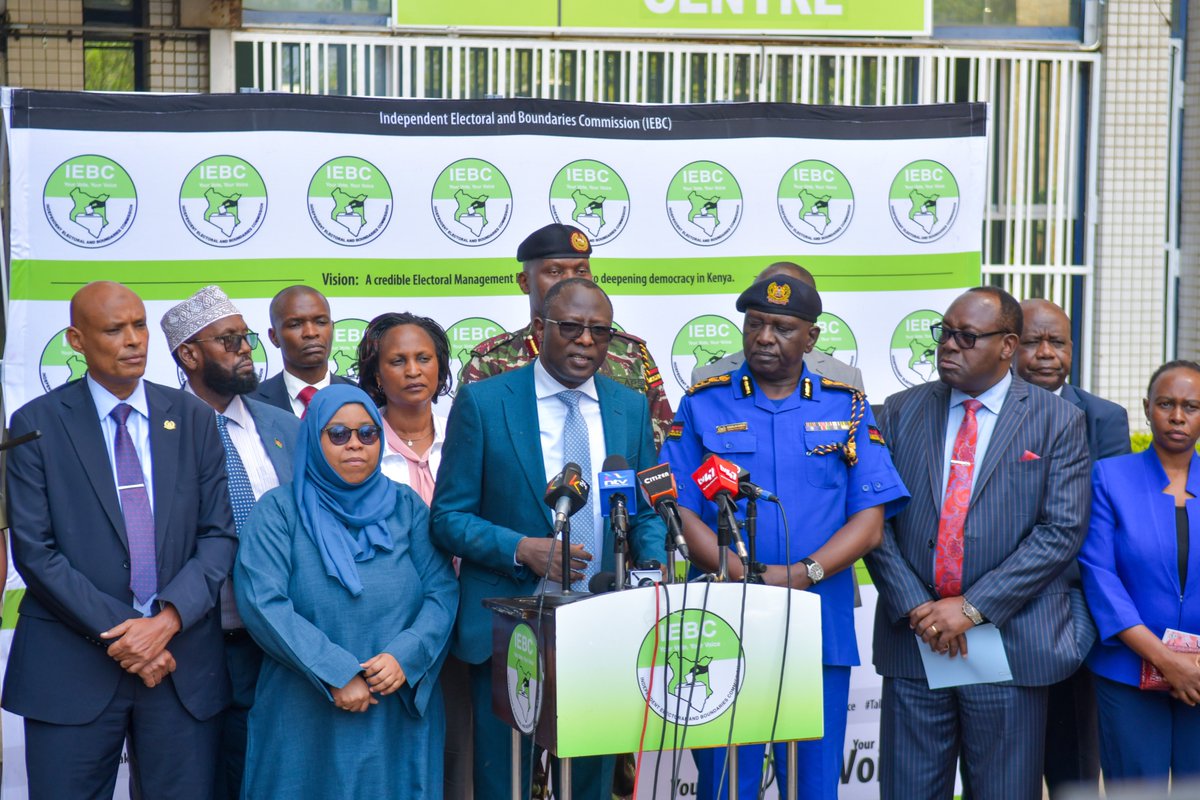 IEBC BANS CAMPAIGNS BEFORE MAY 29, 2027
-
 Ndindi Nyoro joins opposition after UDA exit
-
 RONALDO AND GEORGINA FLAUNT WEDDING RINGS
-
 DIAMOND’S FORMER DJ RESCUED FROM STREETS
-
 MUTURI REJECTS GACHAGUA’S ‘HYENA COALITION’
-
 YUNGE’S ALLEGED EX CRIES FOUL AFTER CHARLENE’S WEDDING
COMESA States to Scrap Certificates of Origin in Move to Boost Regional Trade
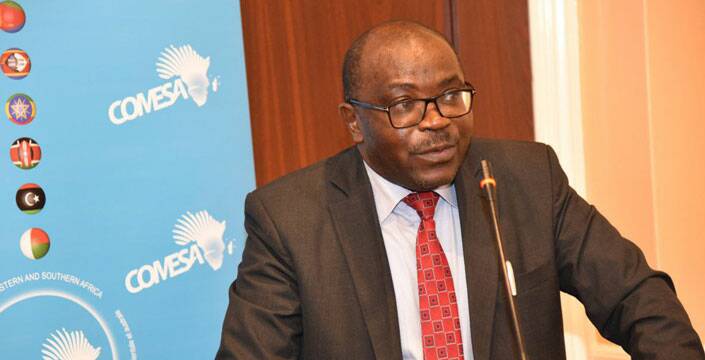
Member states of the Common Market for Eastern and Southern Africa (COMESA) have resolved to phase out the use of manual certificates of origin in a bid to speed up clearance and ease the cost of cross-border trade.
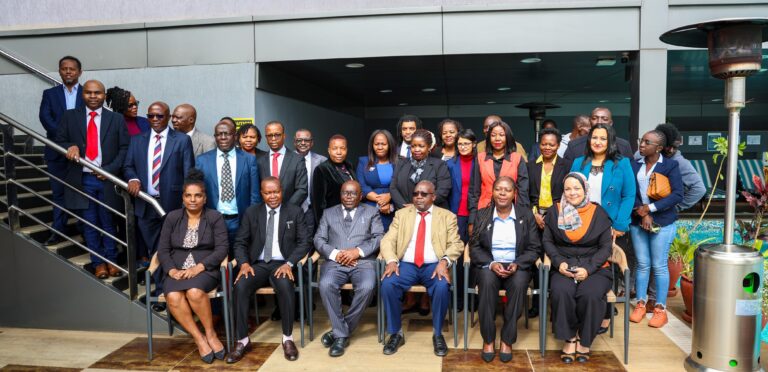
This was revealed during the 41st COMESA Trade and Customs Committee meeting held on Tuesday at Golden Tulip Hotel in Nairobi, where officials endorsed the full roll-out of digital certificates under the COMESA e-Certificate of Origin system.
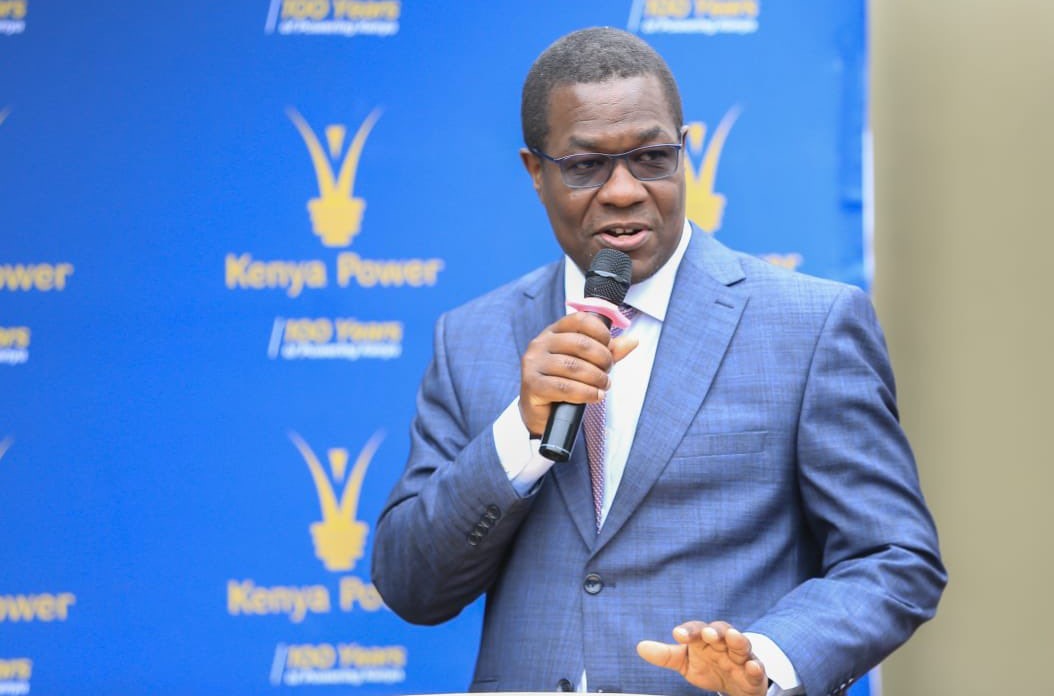
Speaking during the meeting, COMESA Director of Trade and Customs Christopher Onyango said the shift to electronic documents will eliminate delays and reduce forgery cases at border points.
“By replacing the paper-based certificates, we are cutting down bureaucracy and encouraging faster movement of goods. This reform is key to promoting intra-regional trade,” he said.
The COMESA e-Certificate of Origin is part of a wider digital initiative aimed at simplifying trade under the COMESA Free Trade Area. The meeting also reviewed the implementation of the Simplified Trade Regime (STR), which allows small-scale traders to benefit from tariff exemptions for goods listed in national schedules.
Onyango said that to ensure the system works effectively, COMESA has deployed trained Trade Information Desk Officers at major border points to guide traders and resolve disputes.
Participants at the meeting raised concern over the low intra-COMESA trade volume, which stands at about 10% of total exports. The bloc is targeting to grow this to 25% by 2026 as part of its Medium-Term Strategic Plan.
The committee also discussed the implications of recent global tariff changes and proposed policy adjustments to shield regional economies from external trade shocks, including the growing use of non-tariff barriers by major economies.
The Nairobi meeting brought together trade experts and customs officials from over 15 COMESA countries and sets the stage for further digital integration ahead of the COMESA Summit scheduled later this year.

Comments (0)
No comments yet. Be the first to comment!