

-
 MOSIRIA FIRES SARCASTIC SHOT AT SAKAJA AFTER SACKING
-
 SIFUNA’S 2027 BID DOOMED BY OLD GUARD ALLIANCE- MIGUNA
-
 NE-YO ROCKS AS FANS FUME OVER DISAPPOINTMENT DESPITE COSTLY PAY
-
 STEVO SIMPLE BOY DUMPS WIFE AFTER DNA BOMBSHELL
-
 FRANCE IN FLAMES
-
 BABU SALUTES LATE FATHER, MOTHER AND RAILA IN MASHUJAA TRIBUTE
-
 SIFUNA-GACHAGUA TAG TEAM TAKES SHAPE AFTER FORMER DP’S LOW-KEY RETURN
-
 SON DENOUNCES MACKENZIE, LABELS HIM A MURDERER
-
 KENYANS MARK 63RD MASHUJAA DAY
CS MBADI ADMITS ECONOMY OFF TRACK AS KENYANS GRAPPLE WITH RISING COSTS
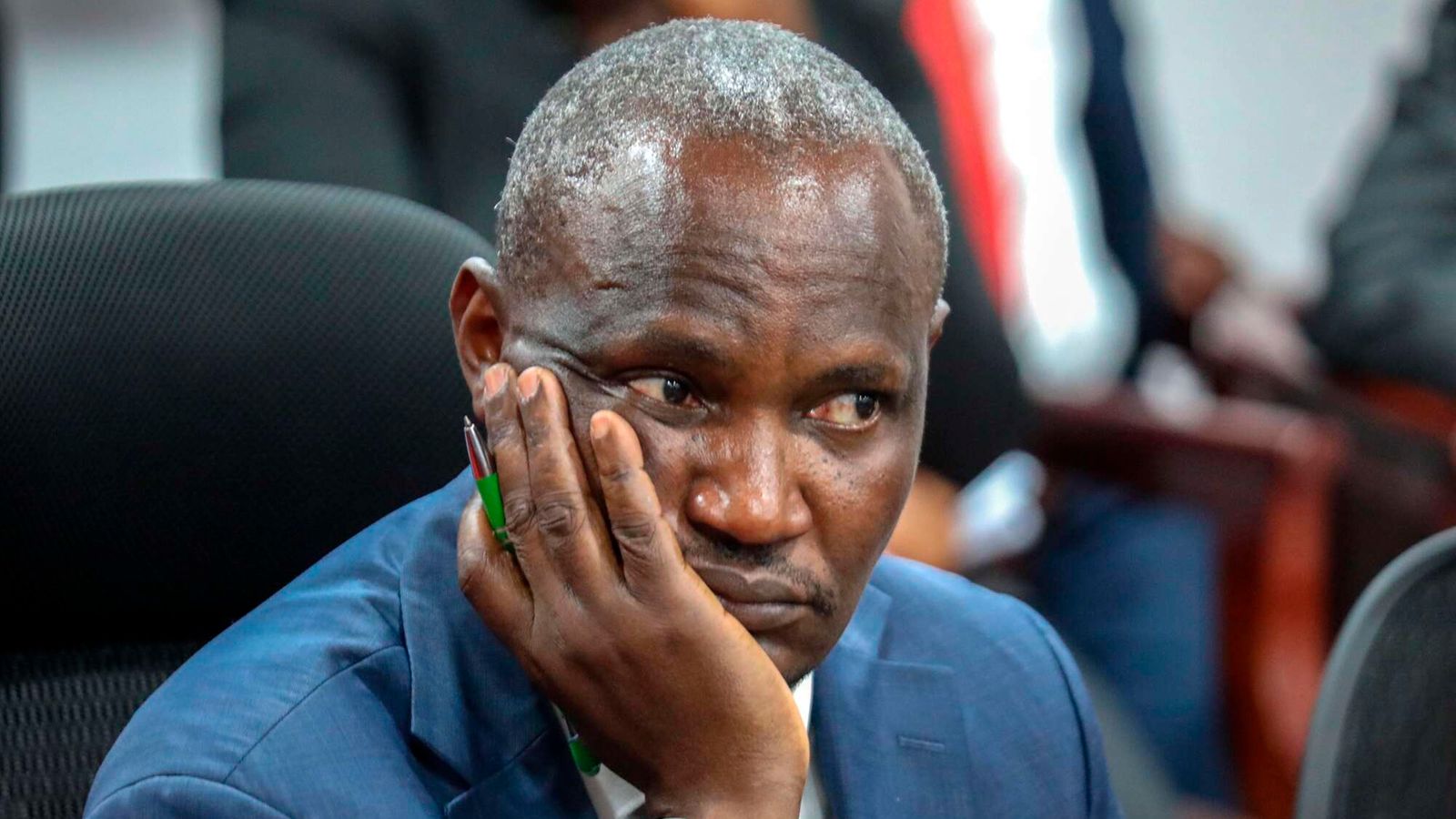
Treasury Cabinet Secretary John Mbadi has acknowledged that Kenya’s economy is not on the right track, marking a rare moment of public candor from a senior government official amid growing concern over the country’s economic direction.
Speaking during a recent media briefing, Mbadi admitted that the government faces significant fiscal and structural challenges, with economic growth projections falling short and the cost of living rising sharply.
"We are not where we should be," Mbadi said. "There are clear signs that the current trajectory needs correction."
His remarks come at a time when many Kenyan households are struggling to cope with skyrocketing food prices, high unemployment, and mounting debt. Informal sector workers—including market traders, boda boda riders, and small business owners—say they feel the squeeze most acutely.
Economists note that while the government has made investments in infrastructure and digital innovation, tax measures introduced to increase revenue have disproportionately affected low-income earners.
"The economy is bleeding at the base," said Josephine Wanjiru, a Nairobi-based economic analyst. "Raising taxes without addressing corruption and wasteful spending only worsens inequality."
The bottom-up economic model, which was a key campaign promise by the Kenya Kwanza administration, aimed to empower grassroots communities. However, critics argue that implementation has not matched the rhetoric.
Government officials have pointed to global factors such as climate change and geopolitical instability as contributors to Kenya’s economic woes. Still, civil society groups say domestic governance issues—particularly corruption and poor fiscal discipline—are undermining progress.
Analysts have called for immediate reforms, including targeted stimulus packages for small businesses, investments in agriculture, and youth employment programs.
"What we need is not just economic honesty, but policy justice," said Wanjiru. "Numbers must translate to better livelihoods for ordinary Kenyans."
As pressure mounts, observers say the government’s next steps will be critical in determining whether Kenya can course-correct and restore public confidence in its economic management.
Comments (0)
No comments yet. Be the first to comment!