

-
 TANZANIA VP RESIGNS AMID SPECULATION OVER STRAIN WITH PRESIDENT SULUHU
-
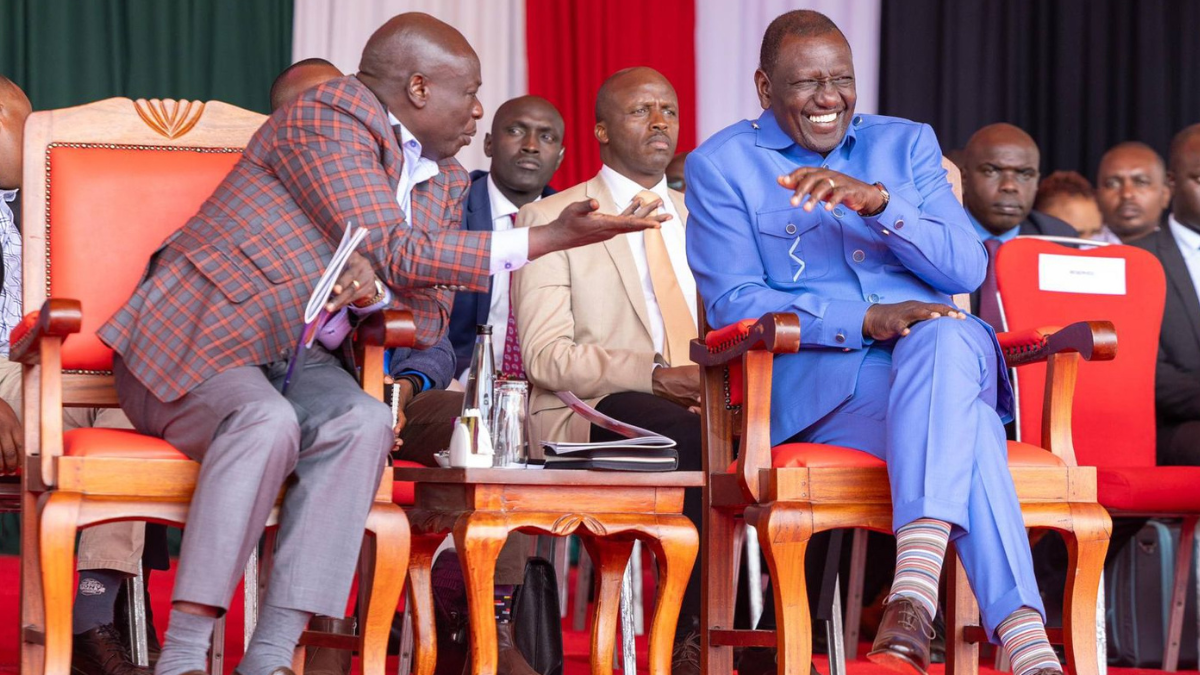 RUTO, GACHAGUA DRAW THE LINE ON 2027 DEAL
-
 TREVOR, DJ SHITI TRADE BARBS OVER HEHA MOVERS MANAGEMENT
-
 IEBC BANS CAMPAIGNS BEFORE MAY 29, 2027
-
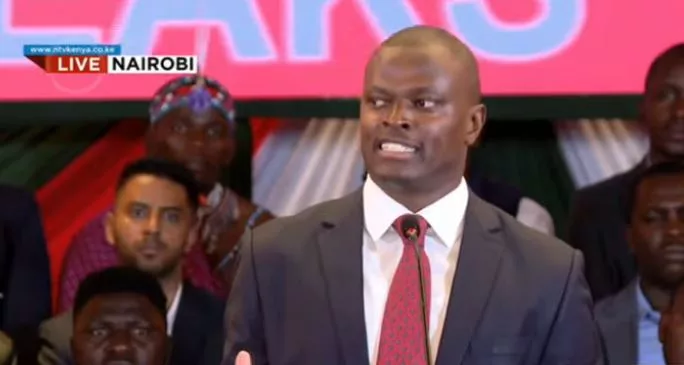 Ndindi Nyoro joins opposition after UDA exit
-
 RONALDO AND GEORGINA FLAUNT WEDDING RINGS
-
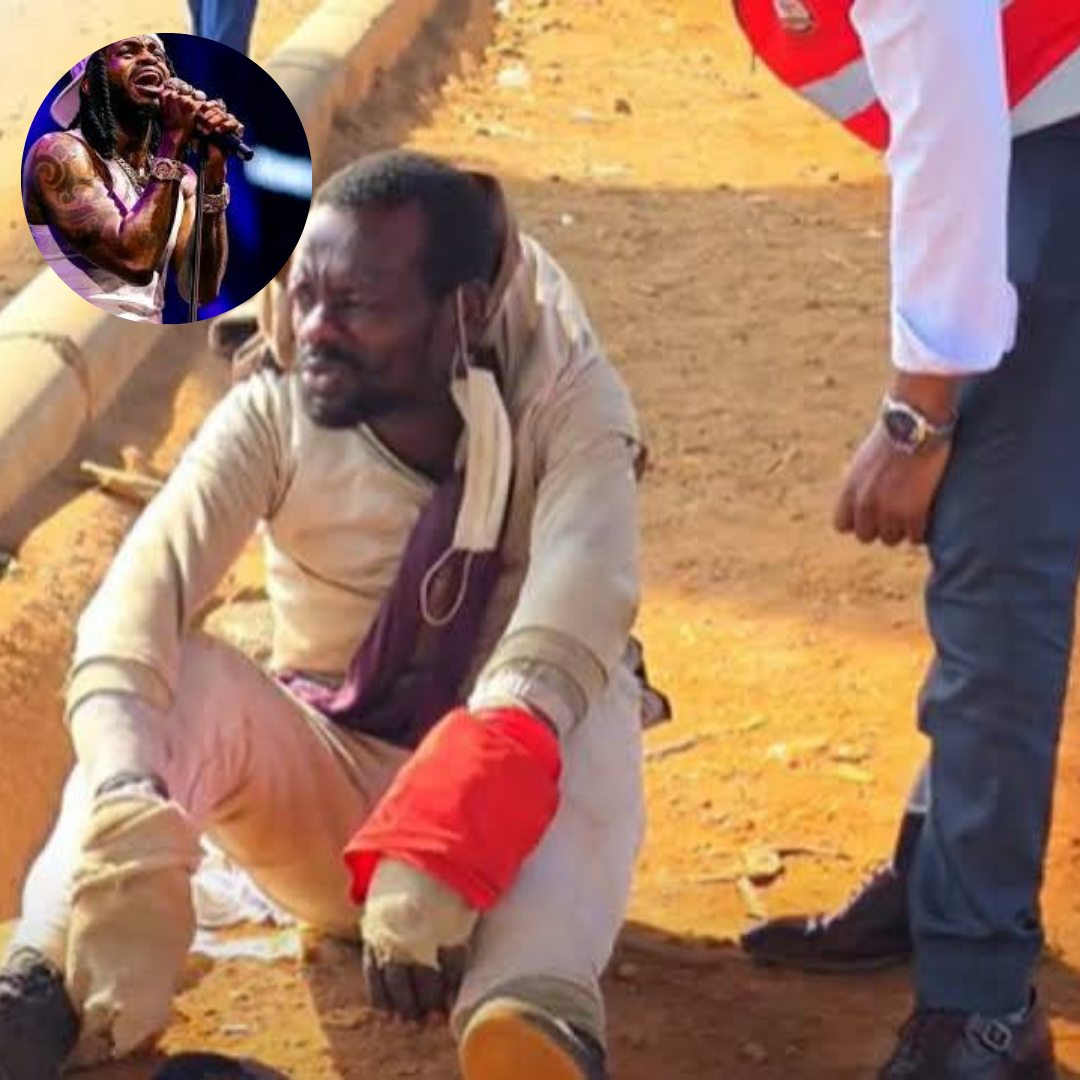 DIAMOND’S FORMER DJ RESCUED FROM STREETS
-
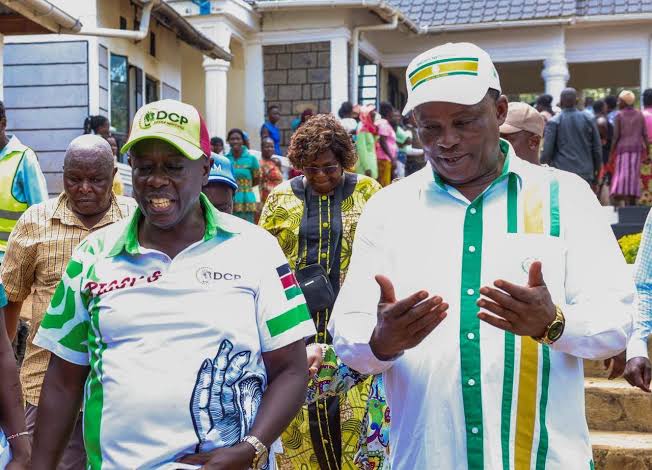 MUTURI REJECTS GACHAGUA’S ‘HYENA COALITION’
-
 YUNGE’S ALLEGED EX CRIES FOUL AFTER CHARLENE’S WEDDING
DUALE LISTS 11 HEALTHCARE SERVICES UNAVAILABLE IN KENYA
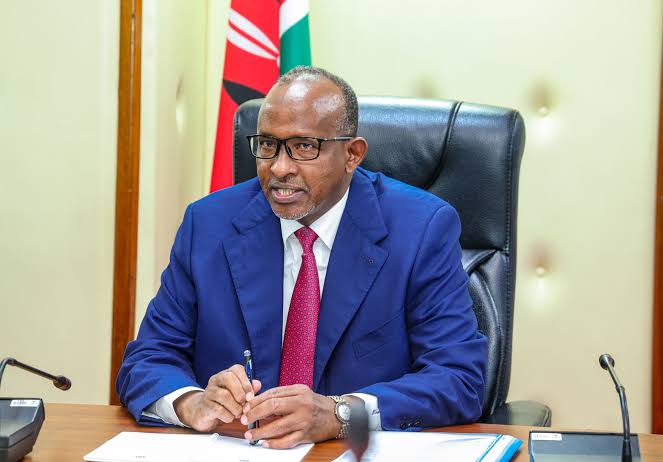
Health Cabinet Secretary Aden Duale has released a list of specialized healthcare services currently unavailable in Kenya, citing reasons such as a shortage of trained specialists, inadequate infrastructure, and limited access to essential equipment and implants. In a statement shared on his official X account on Saturday, September 20, 2025, Duale referenced a gazette notice dated Thursday, September 18, 2025, which outlines at least eleven medical services that cannot be offered locally.
“Pursuant to Regulation 39 (1) (b) and Regulation 49 (1) and (2) of the Social Health Insurance Regulations, 2024, the Cabinet Secretary for Health, in consultation with the Social Health Authority and on the advice of the Benefits Package and Tariffs Advisory Panel (BPTAP), hereby notifies the public of the healthcare services unavailable in Kenya as listed in the schedule below,” the notice reads in part.
Among the unavailable services is wrist joint arthroplasty, which is hindered by the absence of dedicated replacement joints and implants. Similarly, metacarpal arthroplasty cannot be performed due to limited access to prostheses and lack of skilled expertise. The Ministry of Health further explained that ankle joint arthroplasty is unavailable because of inadequate surgical expertise and the absence of advanced implants.
In addition, allogeneic bone marrow or peripheral blood stem cell transplants are not performed in the country. Currently, only autologous transplants are carried out at a few facilities, owing to limited capacity. Other unavailable healthcare services include trans jugular intrahepatic portosystemic shunt (TIPS), limited by lack of critical tools and consumables, and Yttrium-90 (Y-90) radioembolisation, which is hindered by lack of access to isotopes and delivery systems.
Also on the list are surgical management of birth-related brachial plexus injuries, unavailable due to lack of neurophysiology equipment and trained specialists, and extracorporeal photopheresis (ECP), which is not offered locally.
Additionally, nerve ablation therapy and neural regenerative therapy are unavailable because of a shortage of both equipment and trained personnel. Finally, the ministry confirmed that proton therapy is not currently accessible in Kenya.


Comments (0)
No comments yet. Be the first to comment!