

-
 AMBIА’S ABSURD COURTROOM EXPRESSIONS SPARK UPROAR
-
 OMAH LAY HOSPITALISED AFTER ACCIDENT DURING TOUR REHEARSAL
-
 NJERI MAINA, MURANGO DROP ‘HIT AND RUN’ REAGGAE BANGER
-
 BRUNO THROWS REPENTANT CARRICK UNDER THE BUS
-
 MOSIRIA FIRES SARCASTIC SHOT AT SAKAJA AFTER SACKING
-
 SIFUNA’S 2027 BID DOOMED BY OLD GUARD ALLIANCE- MIGUNA
-
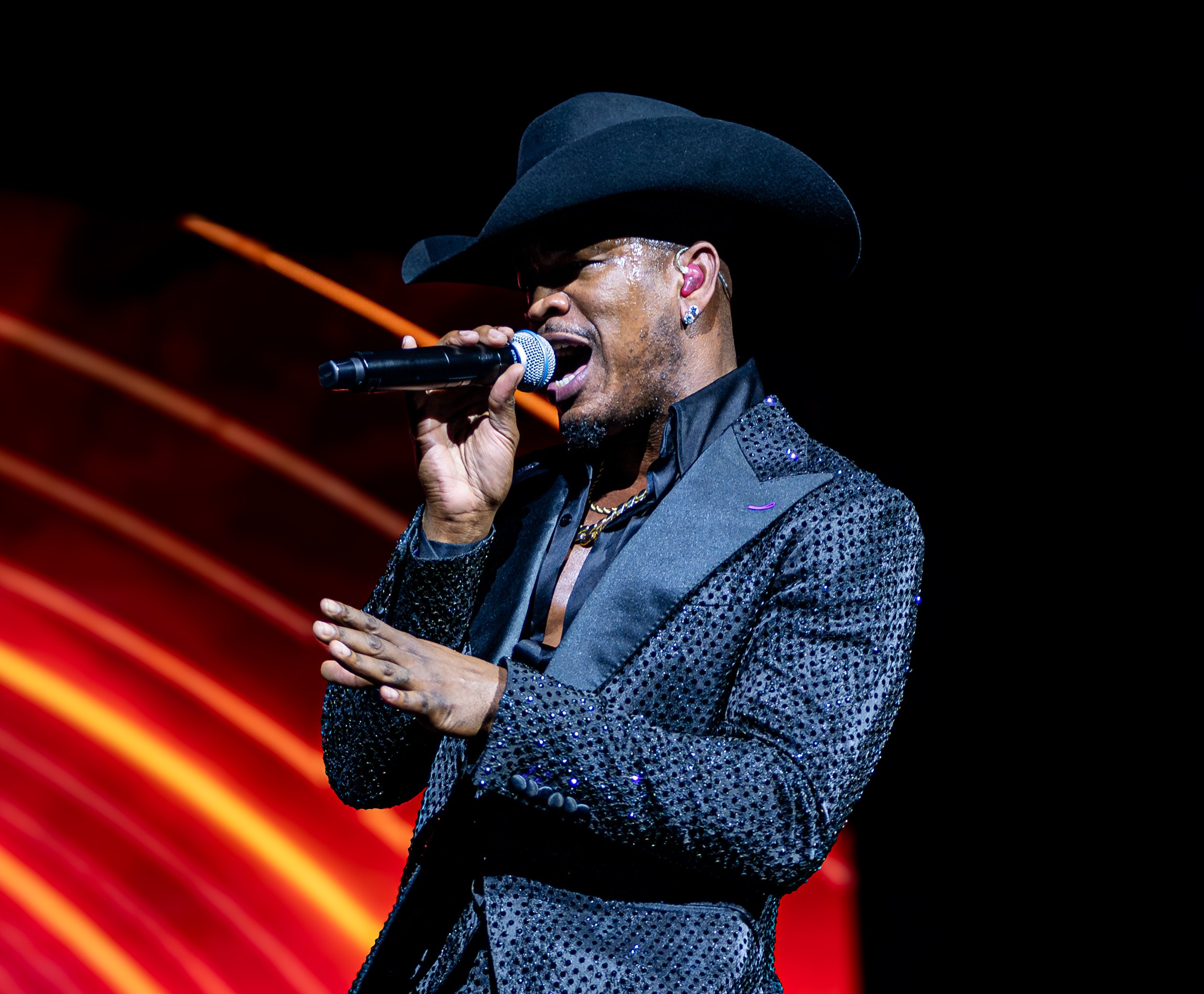 NE-YO ROCKS AS FANS FUME OVER DISAPPOINTMENT DESPITE COSTLY PAY
-
 STEVO SIMPLE BOY DUMPS WIFE AFTER DNA BOMBSHELL
-
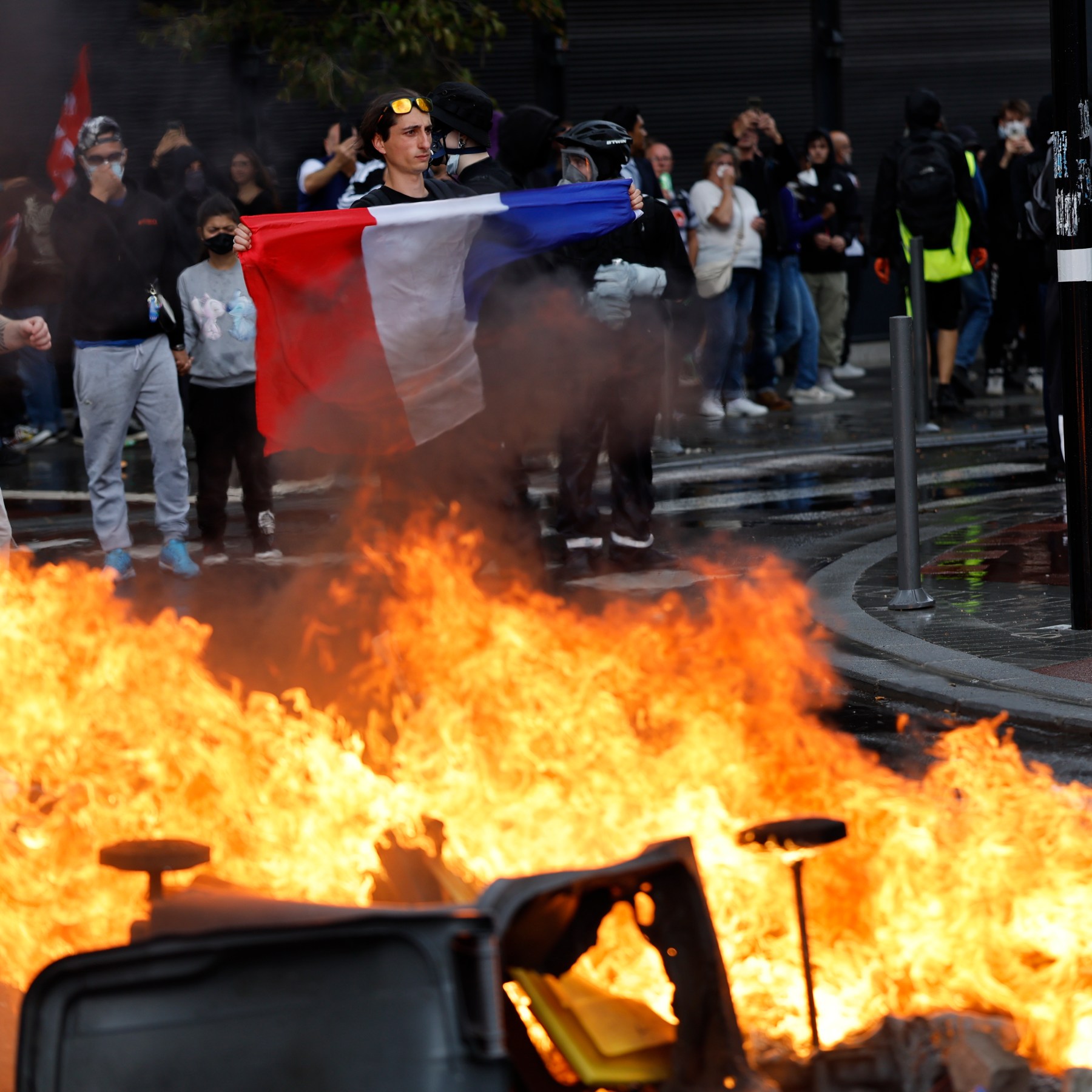 FRANCE IN FLAMES
ENERGY CS DEFENDS FUEL TAXES AMID RISING PRICES
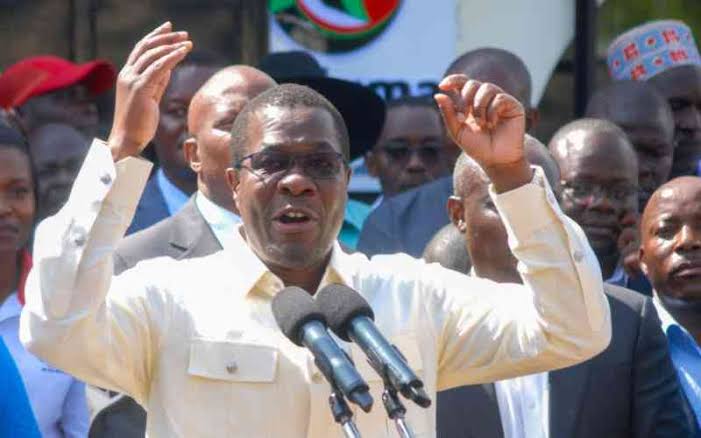
Energy and Petroleum Cabinet Secretary Opiyo Wandayi has justified the multiple levies and taxes imposed on petroleum products, stating they are crucial for funding essential public services. Wandayi acknowledged public concerns but maintained that the taxes serve a vital purpose. He urged critics to propose alternative reforms that could ease the burden on consumers while still sustaining the services financed by these levies. His remarks follow a recent fuel price hike, which energy experts attribute largely to high taxation, despite global market fluctuations. For instance, the Road Maintenance Levy is often cited as a significant contributor to rising costs.
Martin Chomba, Chairperson of the Petroleum Outlets Association of Kenya, criticized the frequent imposition of new levies, citing an example where an additional Sh7 levy pushed fuel prices from Sh179 to Sh187 per litre. Wandayi, however, defended the levies, emphasizing their role in critical sectors like road maintenance. “If we reduce these taxes, what alternative solutions do we have to fund these services?” he questioned.
Comparing Kenya’s fuel prices to neighbouring countries, Wandayi noted differences in tax structures and national priorities. Currently, Super Petrol sells at Sh186 per litre in Nairobi, Diesel at Sh177.33, and Kerosene at Sh169.25. Fuel prices in Kenya are inflated by multiple charges, including the Road Maintenance Levy, Excise Duty, Railway Development Levy, and a 16% Value Added Tax (VAT)—despite no value being added to imported fuel. Chomba argued that VAT on fuel is unjustified since Kenya lacks a petroleum refining industry. Wandayi conceded that while prices are high, the levies remain necessary. He called for constructive dialogue on balancing taxation and affordability without compromising essential services.

Comments (0)
No comments yet. Be the first to comment!