

-
 MOSIRIA FIRES SARCASTIC SHOT AT SAKAJA AFTER SACKING
-
 SIFUNA’S 2027 BID DOOMED BY OLD GUARD ALLIANCE- MIGUNA
-
 NE-YO ROCKS AS FANS FUME OVER DISAPPOINTMENT DESPITE COSTLY PAY
-
 STEVO SIMPLE BOY DUMPS WIFE AFTER DNA BOMBSHELL
-
 FRANCE IN FLAMES
-
 BABU SALUTES LATE FATHER, MOTHER AND RAILA IN MASHUJAA TRIBUTE
-
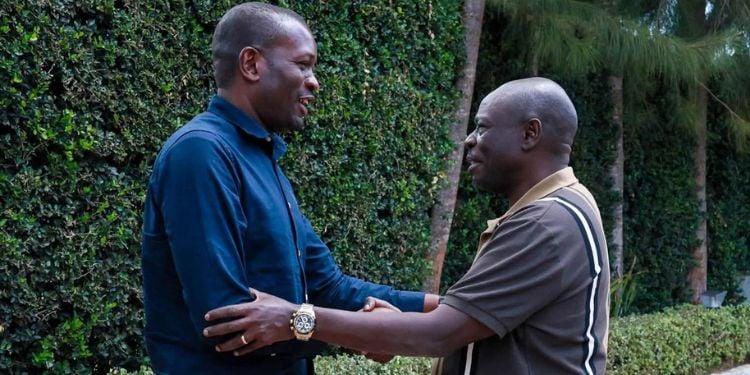 SIFUNA-GACHAGUA TAG TEAM TAKES SHAPE AFTER FORMER DP’S LOW-KEY RETURN
-
 SON DENOUNCES MACKENZIE, LABELS HIM A MURDERER
-
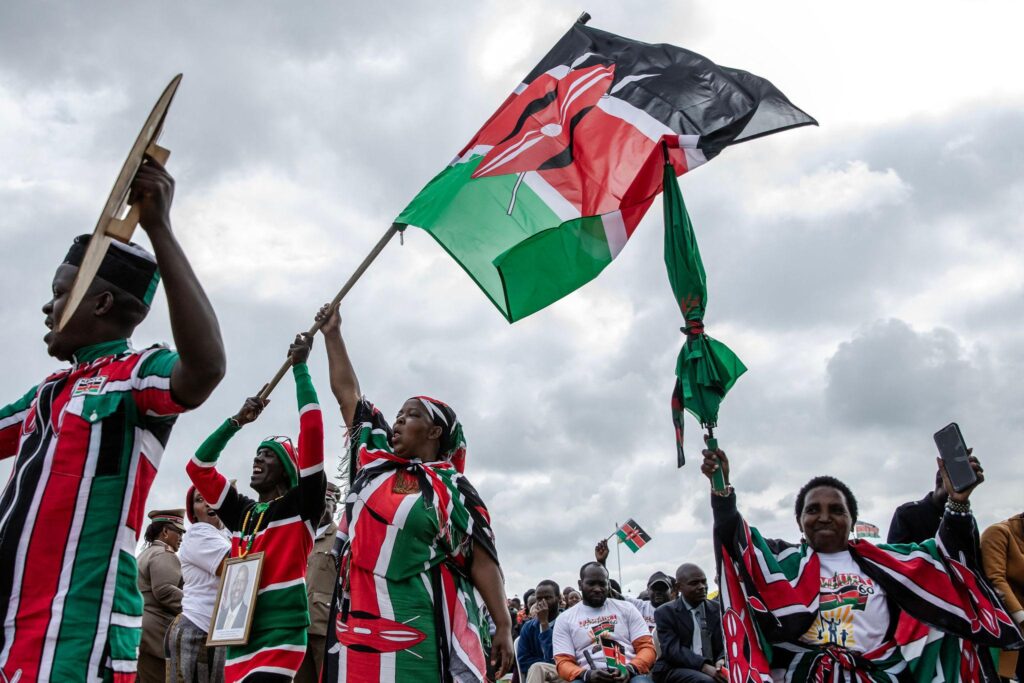 KENYANS MARK 63RD MASHUJAA DAY
ESWATINI JOINS SOUTH SUDAN IN ACCEPTING U.S. THIRD-COUNTRY DEPORTESS
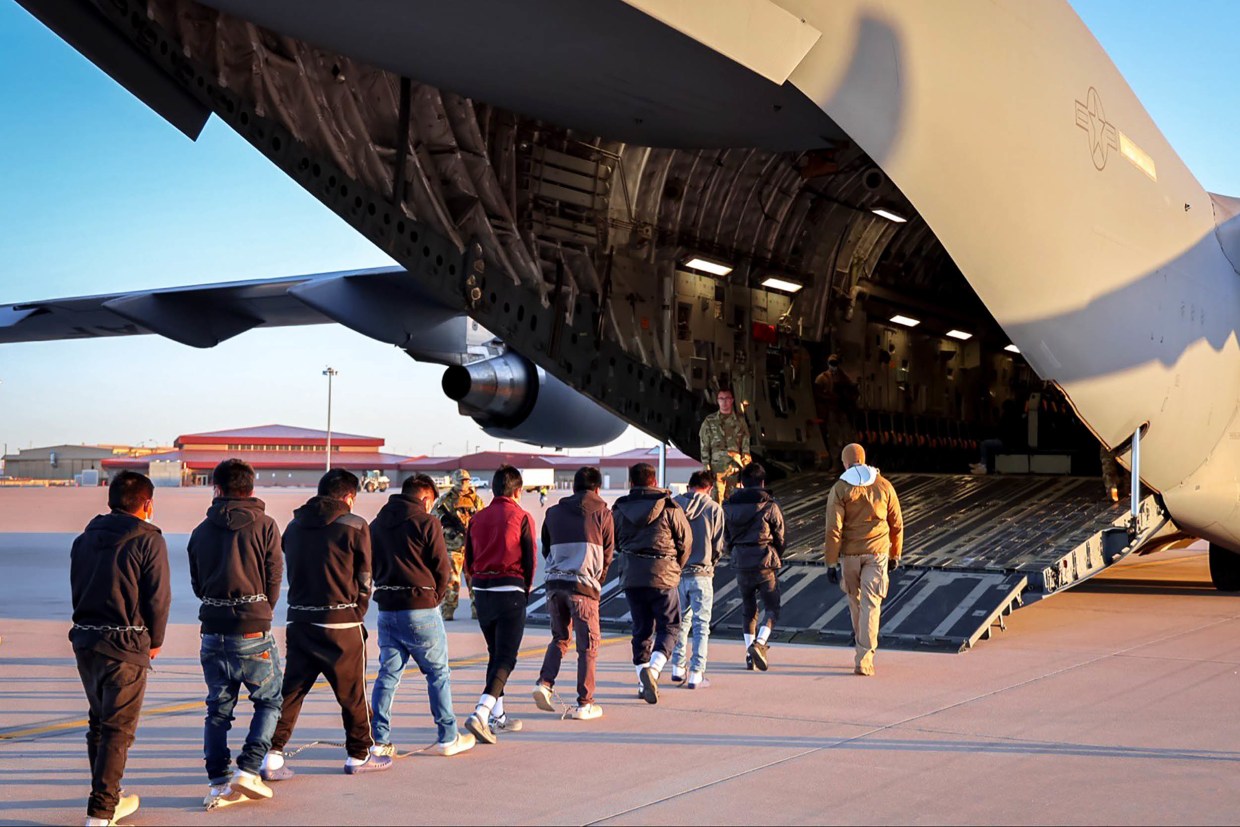
Eswatini has confirmed it accepted five deportees from the United States, all foreign nationals whose home countries refused to take them back. The deported individuals identified as citizens of Laos, Vietnam, Jamaica, Cuba, and Yemen, were convicted of violent crimes including murder and child rape. They are now being held in secure, isolated prison units in Eswatini. According to a government statement, the transfers were the outcomes of months of robust high level engagements with the U.S. Eswatini emphasized that it is upholding international obligations and working with the International Organization for Migration to eventually repatriate the individuals of their countries of origin.
The deportations are part of a border and controversial strategy by the Trump administration to remove foreign nationals whose countries of origin have refused their return. Under this approach, the U.S. has begun sending deportees to third party countries such as El Salvador and South Sudan, nations with documented human rights issues. Critics say these policies endanger deportees and strip them of legal protections, including the right to challenge removal in U.S. courts. Earlier examples include mass deportations to El Salvador, where detainees were jailed in harsh maximum security prisons, and a blocked attempt to deport immigrants to Libya.
In May, eight men from countries including Myanmar and Mexico were redirected to Djibouti mid-flight after a federal court halted their deportation to South Sudan, a ruling later overturned by the U.S. Supreme Court. Eswatini’s cooperation signals growing acceptance of third country agreements in Africa, raising serious concerns among human rights advocates about the treatment and legal status of deportees sent far from home.

Comments (0)
No comments yet. Be the first to comment!