

-
 TANZANIA VP RESIGNS AMID SPECULATION OVER STRAIN WITH PRESIDENT SULUHU
-
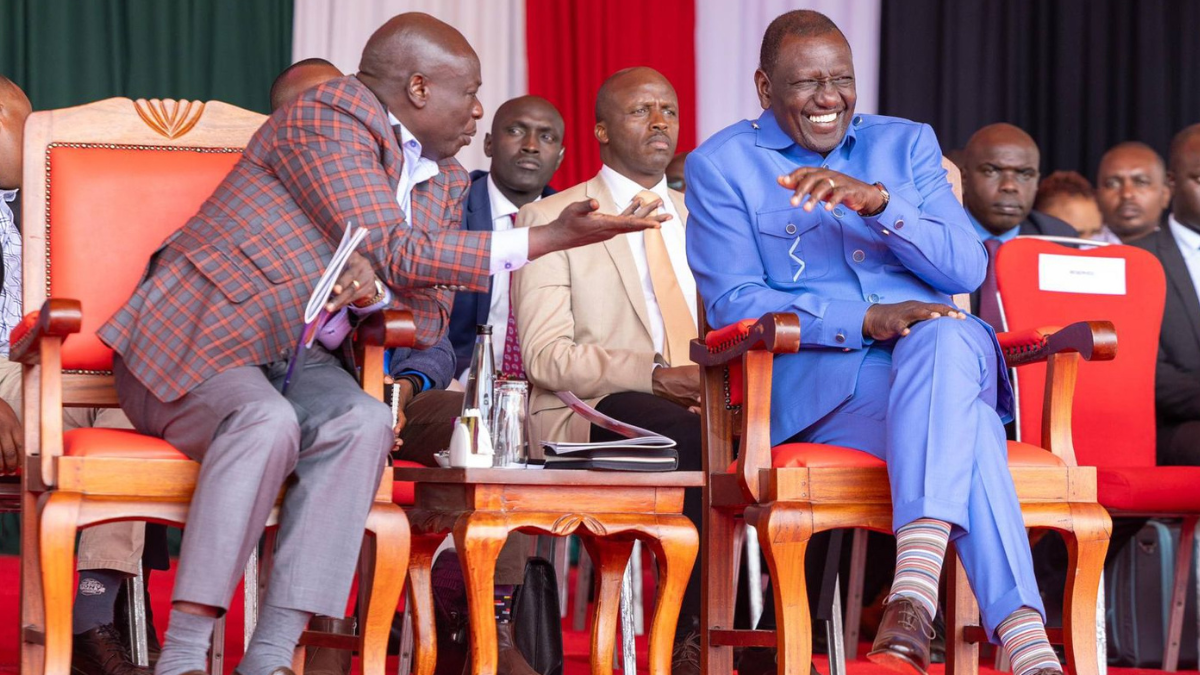 RUTO, GACHAGUA DRAW THE LINE ON 2027 DEAL
-
 TREVOR, DJ SHITI TRADE BARBS OVER HEHA MOVERS MANAGEMENT
-
 IEBC BANS CAMPAIGNS BEFORE MAY 29, 2027
-
 Ndindi Nyoro joins opposition after UDA exit
-
 RONALDO AND GEORGINA FLAUNT WEDDING RINGS
-
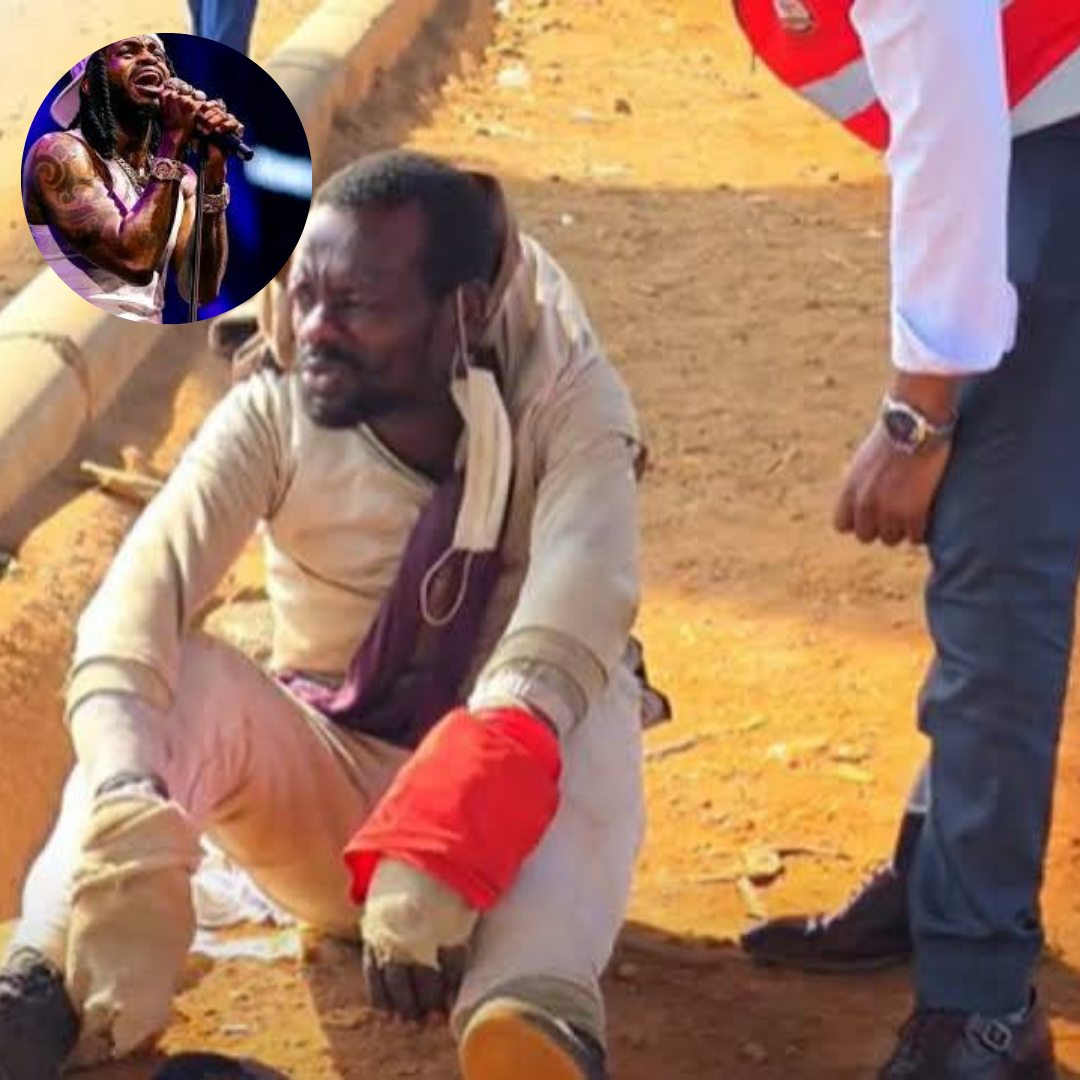 DIAMOND’S FORMER DJ RESCUED FROM STREETS
-
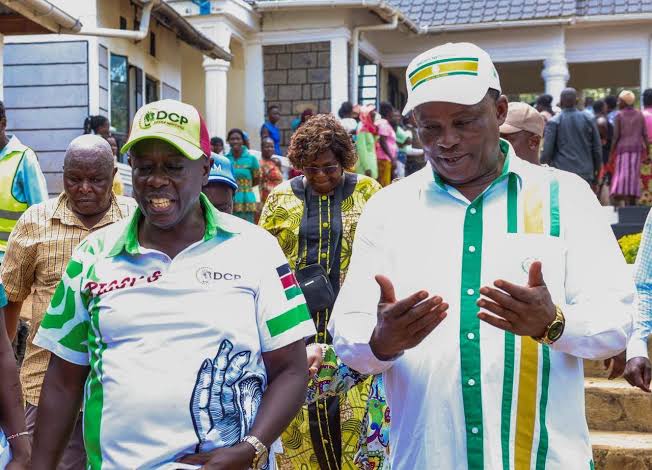 MUTURI REJECTS GACHAGUA’S ‘HYENA COALITION’
-
 YUNGE’S ALLEGED EX CRIES FOUL AFTER CHARLENE’S WEDDING
Iwao Hakamada Awarded ¥217 Million After Wrongful 48-Year Death Row Ordeal

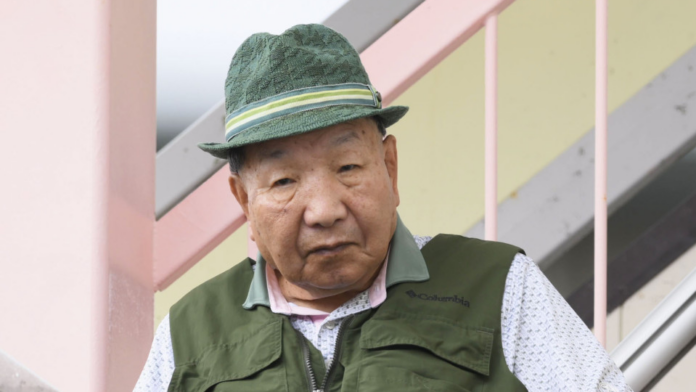
Iwao Hakamada, a former professional boxer and the world’s longest-serving death row inmate, has been awarded ¥217 million ($1.4 million) in damages after spending more than four decades behind bars for a crime he did not commit.
The 87-year-old was convicted in 1968 for the brutal murder of his boss and the boss's family in Shizuoka Prefecture. He was sentenced to death in 1968 based on what is now widely considered flawed evidence and a forced confession extracted after 20 days of intense interrogation. Despite decades of appeals, he remained on death row for 48 years before his conviction was finally overturned in 2014.
In a landmark ruling, the Shizuoka District Court awarded Hakamada the compensation for his wrongful imprisonment, acknowledging the severe psychological and emotional toll he suffered. The ruling comes a year after a retrial formally acquitted him in March 2023, ending his nearly six-decade-long legal battle.
"We deeply regret the suffering Mr. Hakamada endured," the court stated. "This compensation is a recognition of the immense injustice he faced."
Hakamada's case has long been a symbol of the deep flaws within Japan’s criminal justice system, particularly its reliance on forced confessions and prolonged detentions. His sister, Hideko Hakamada, who tirelessly campaigned for his release, expressed relief but emphasized that no amount of money could make up for the lost years.
“He spent most of his life in a tiny cell, fearing execution every day. This cannot be undone,” she said.
Human rights groups, including Amnesty International, have repeatedly criticized Japan’s judicial system for its harsh treatment of suspects, particularly in death penalty cases. Hakamada’s ordeal has reignited calls for judicial reform and greater safeguards against wrongful convictions.
While the compensation marks a form of justice, it is a bittersweet victory for a man who lost much of his life to a flawed legal system. As he continues to adjust to life outside prison, Hakamada’s case remains a powerful reminder of the urgent need for legal reforms in Japan.


Comments (0)
No comments yet. Be the first to comment!