

-
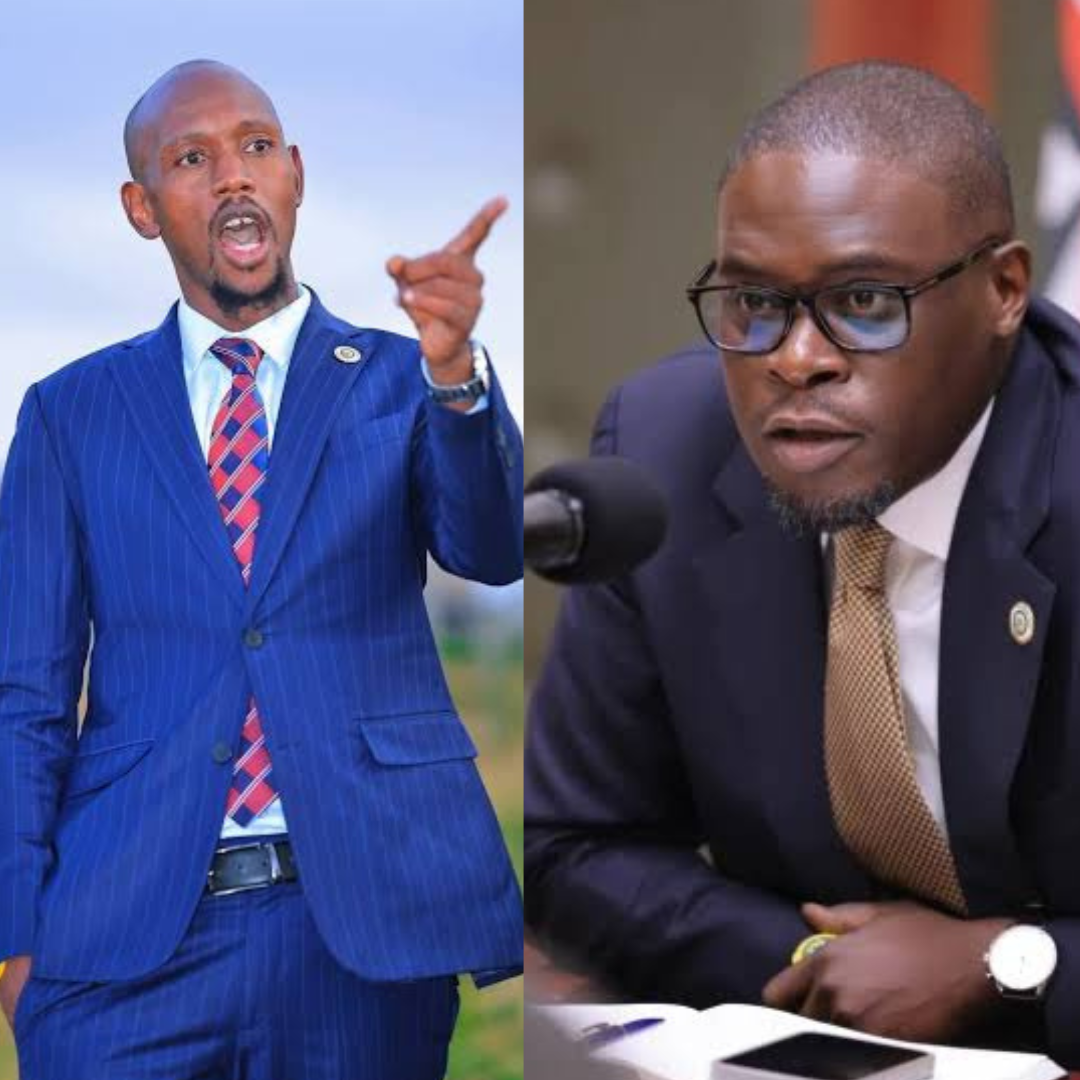 MOSIRIA FIRES SARCASTIC SHOT AT SAKAJA AFTER SACKING
-
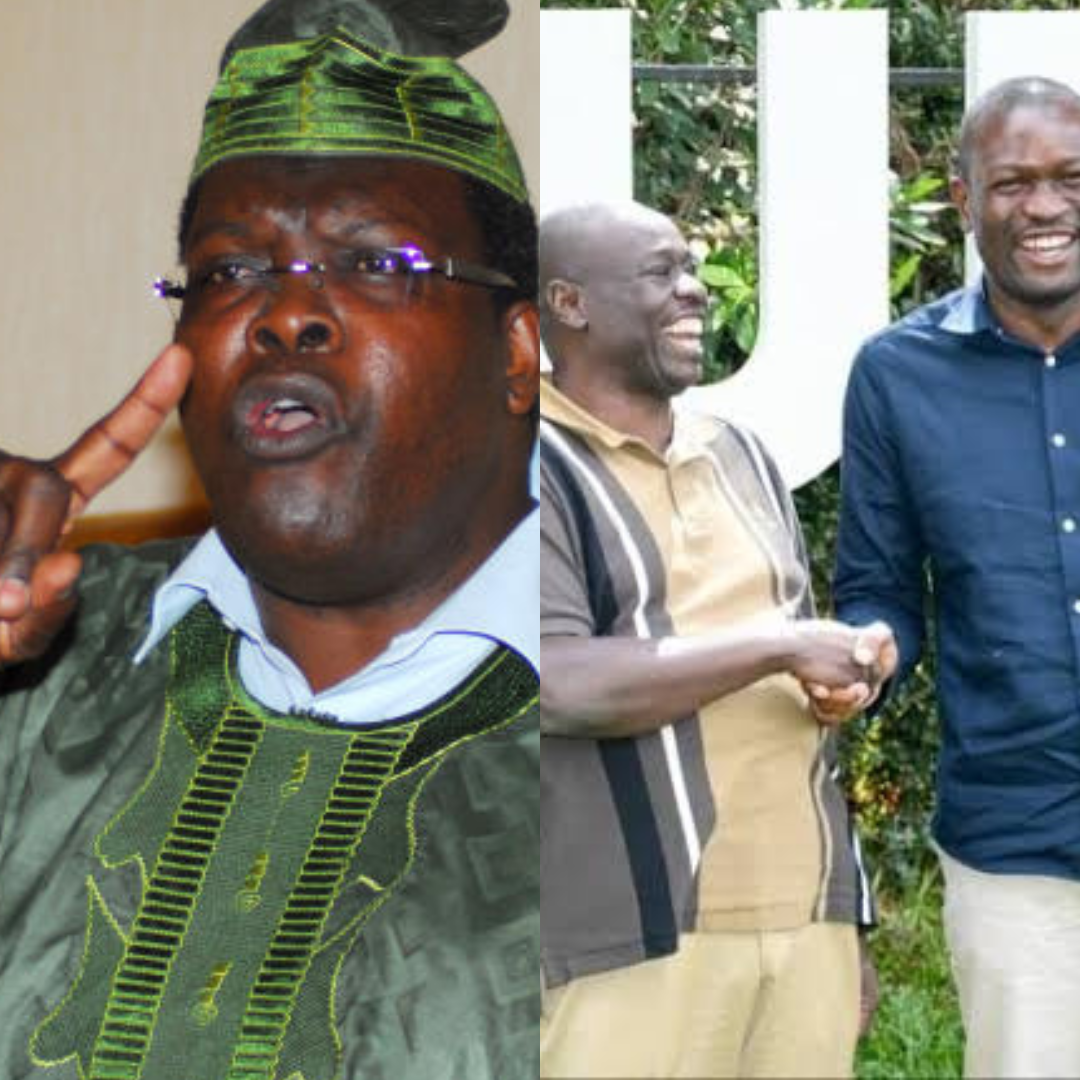 SIFUNA’S 2027 BID DOOMED BY OLD GUARD ALLIANCE- MIGUNA
-
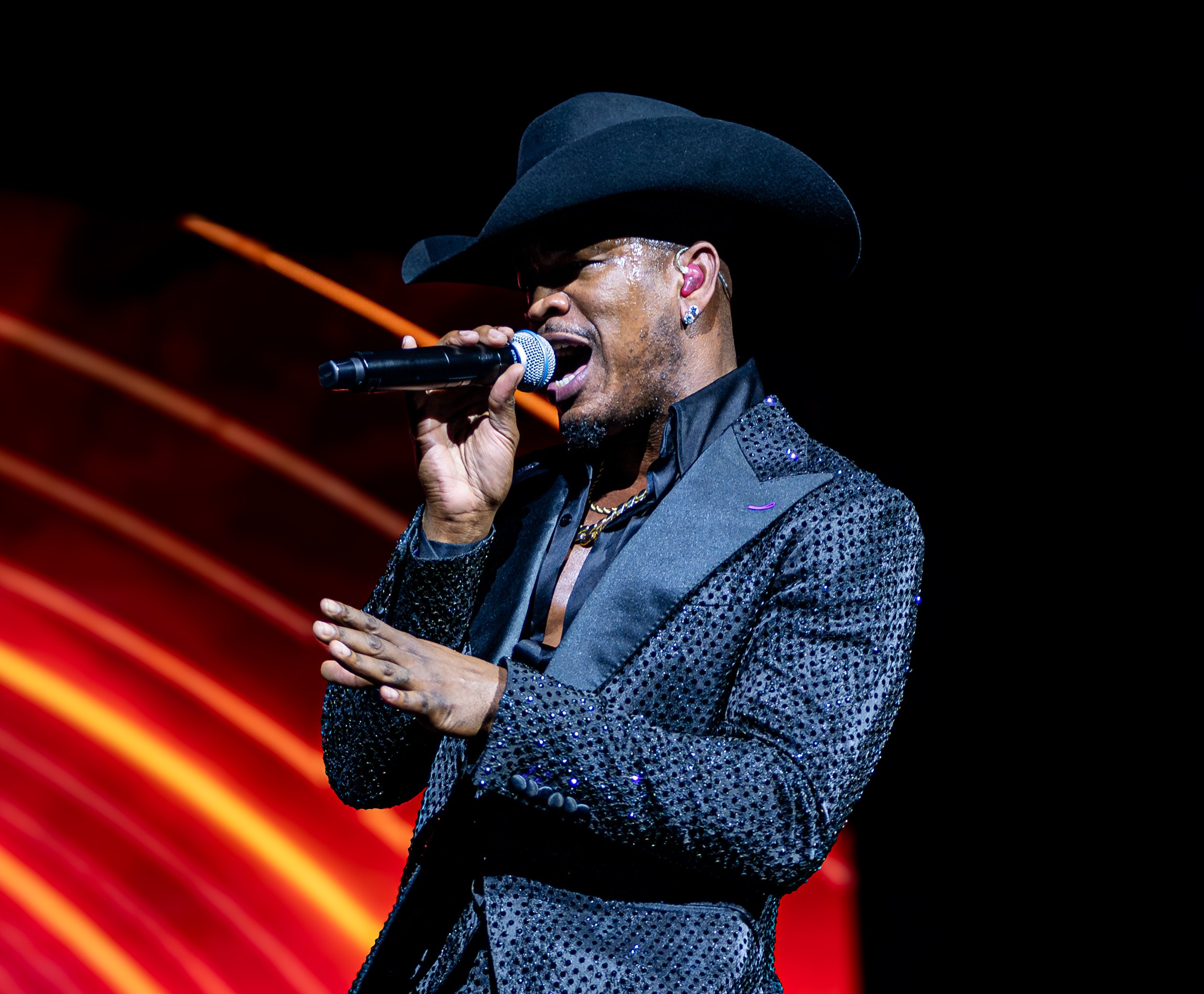 NE-YO ROCKS AS FANS FUME OVER DISAPPOINTMENT DESPITE COSTLY PAY
-
 STEVO SIMPLE BOY DUMPS WIFE AFTER DNA BOMBSHELL
-
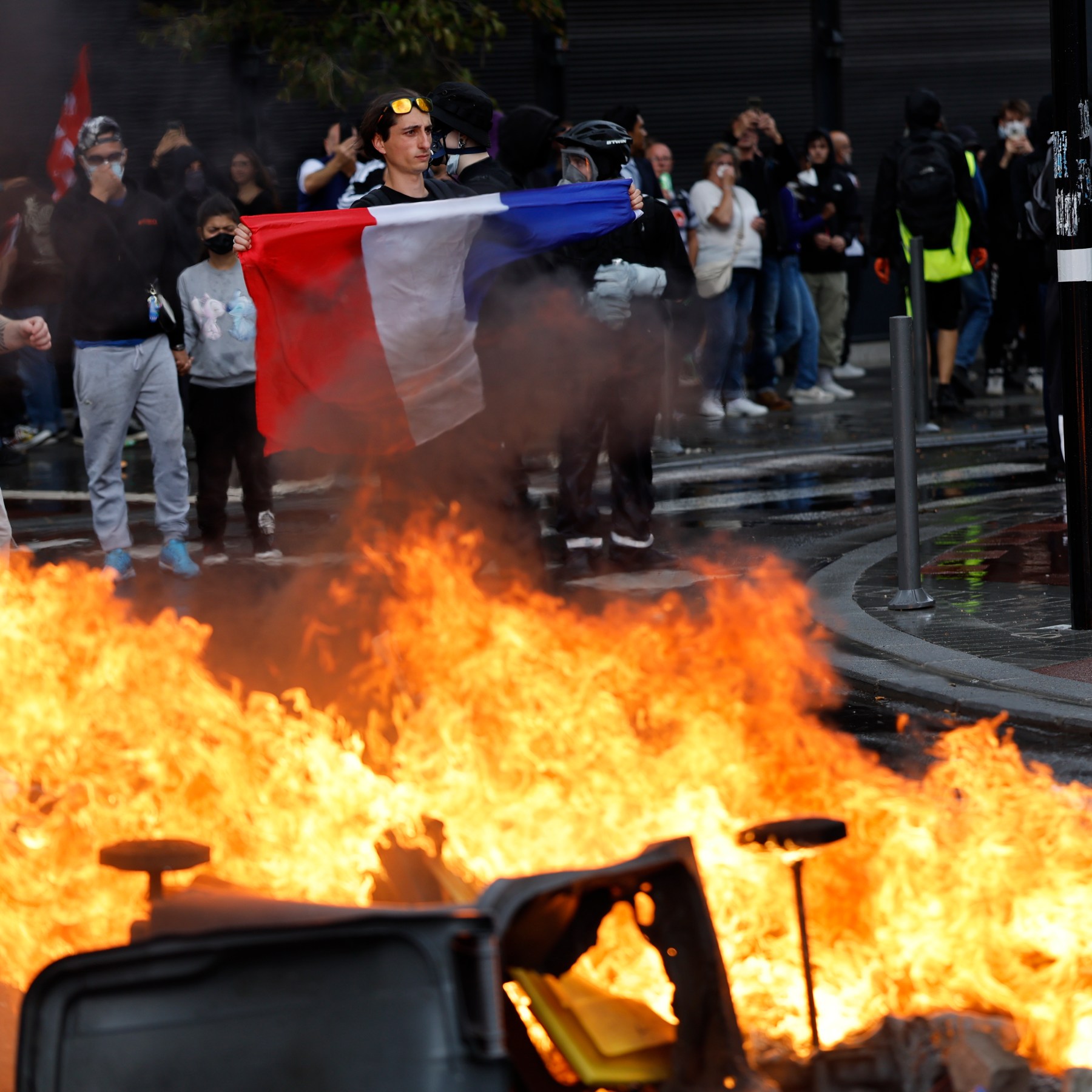 FRANCE IN FLAMES
-
 BABU SALUTES LATE FATHER, MOTHER AND RAILA IN MASHUJAA TRIBUTE
-
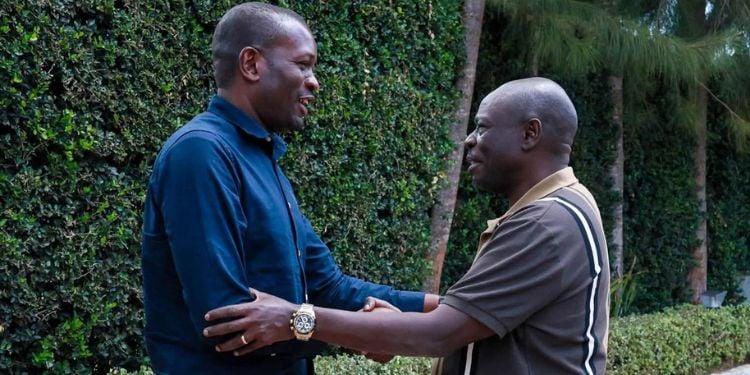 SIFUNA-GACHAGUA TAG TEAM TAKES SHAPE AFTER FORMER DP’S LOW-KEY RETURN
-
 SON DENOUNCES MACKENZIE, LABELS HIM A MURDERER
-
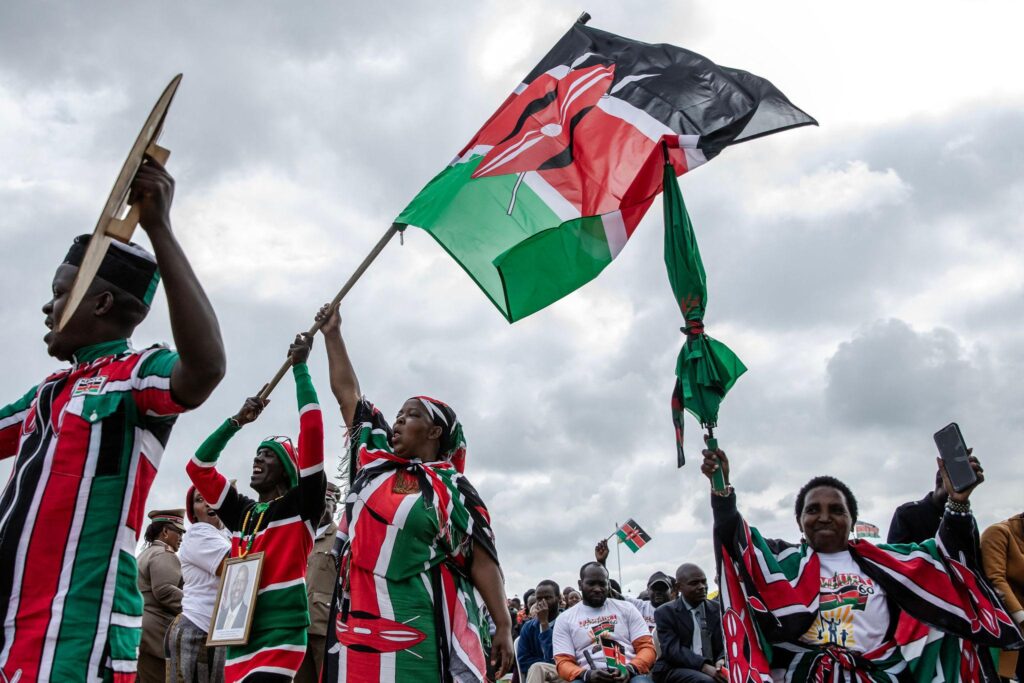 KENYANS MARK 63RD MASHUJAA DAY
KENYA TO ENFORCE 7-SECOND DELAY ON BROADCASTS TO CURB HARMFUL CONTENT
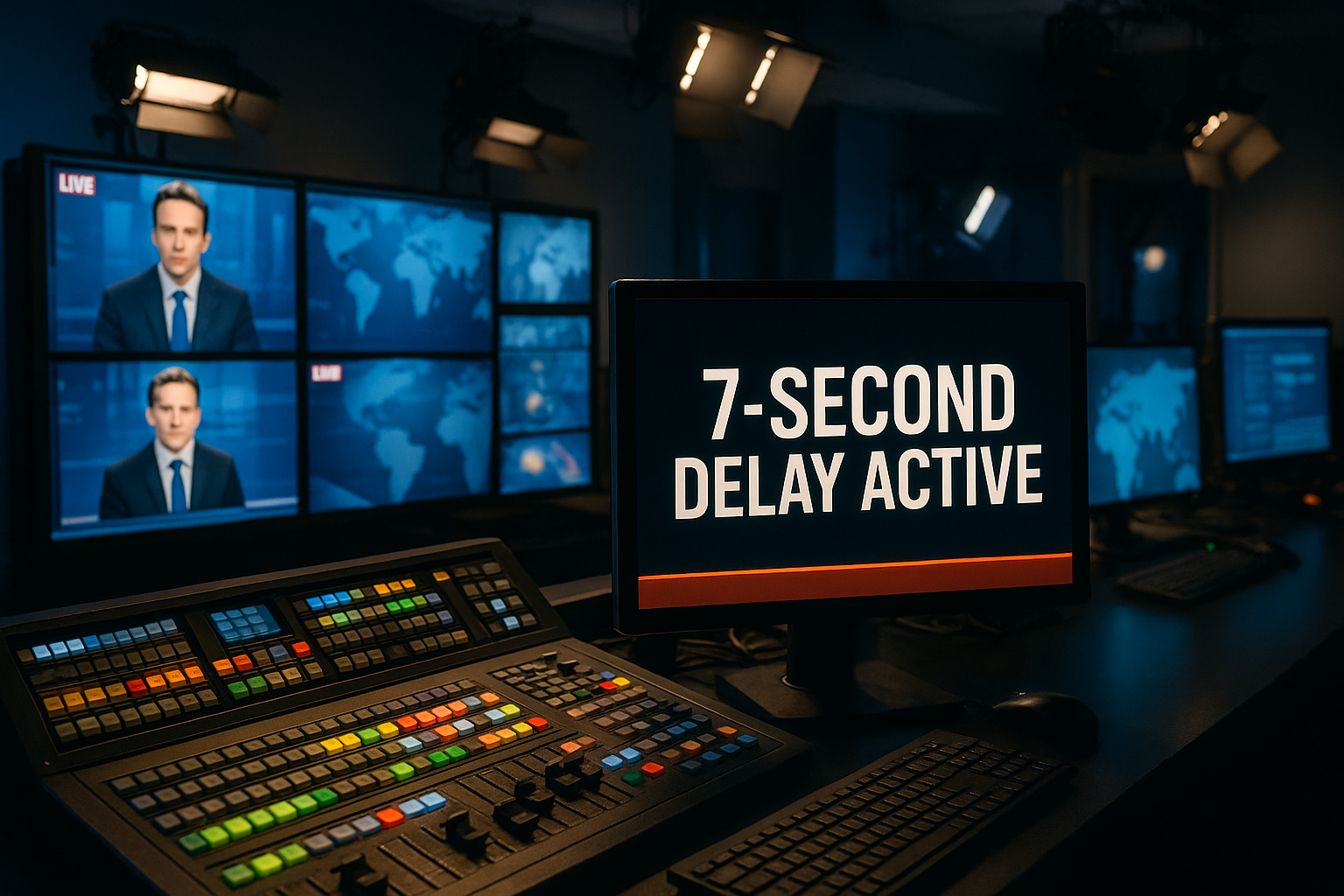
The Kenyan government is set to implement a mandatory seven-second delay on all live television and radio broadcasts as part of new regulations aimed at curbing the dissemination of harmful or inciteful content.
Under the proposed changes to the Media Council Act, broadcasters will be required to install a time-delay mechanism on all live feeds. The move is designed to allow media stations to filter out profanity, graphic violence, hate speech, or content that could potentially incite unrest before it is aired.
The Communications Authority of Kenya, in conjunction with the Ministry of Information, cited recent protest coverage as a key reason behind the directive. Officials argue that unfiltered live broadcasts during nationwide demonstrations—particularly those on June 25—contributed to public disorder and endangered national security.
Broadcasters who violate the new directive face steep penalties, including fines ranging from Ksh 200,000 to Ksh 1 million, or imprisonment for up to one year. Media house managers and owners will also be held accountable for any breaches.
“This is not a ban on live coverage. It’s a regulation meant to ensure responsible journalism that does not fuel violence or incitement,” said a senior official from the Communications Authority.
However, the directive has triggered widespread criticism from journalists, civil society groups, and lawmakers who fear it could be used to censor the media. The Law Society of Kenya and several media stakeholders have warned that the rule infringes on press freedom and violates a 2024 High Court ruling which barred the Authority from unilaterally regulating media content.
A court has since temporarily suspended the directive, pending further judicial review.
The debate continues as stakeholders push for greater clarity on the law’s scope, while rights groups call for the protection of media independence.
Comments (0)
No comments yet. Be the first to comment!