

-
 MOSIRIA FIRES SARCASTIC SHOT AT SAKAJA AFTER SACKING
-
 SIFUNA’S 2027 BID DOOMED BY OLD GUARD ALLIANCE- MIGUNA
-
 NE-YO ROCKS AS FANS FUME OVER DISAPPOINTMENT DESPITE COSTLY PAY
-
 STEVO SIMPLE BOY DUMPS WIFE AFTER DNA BOMBSHELL
-
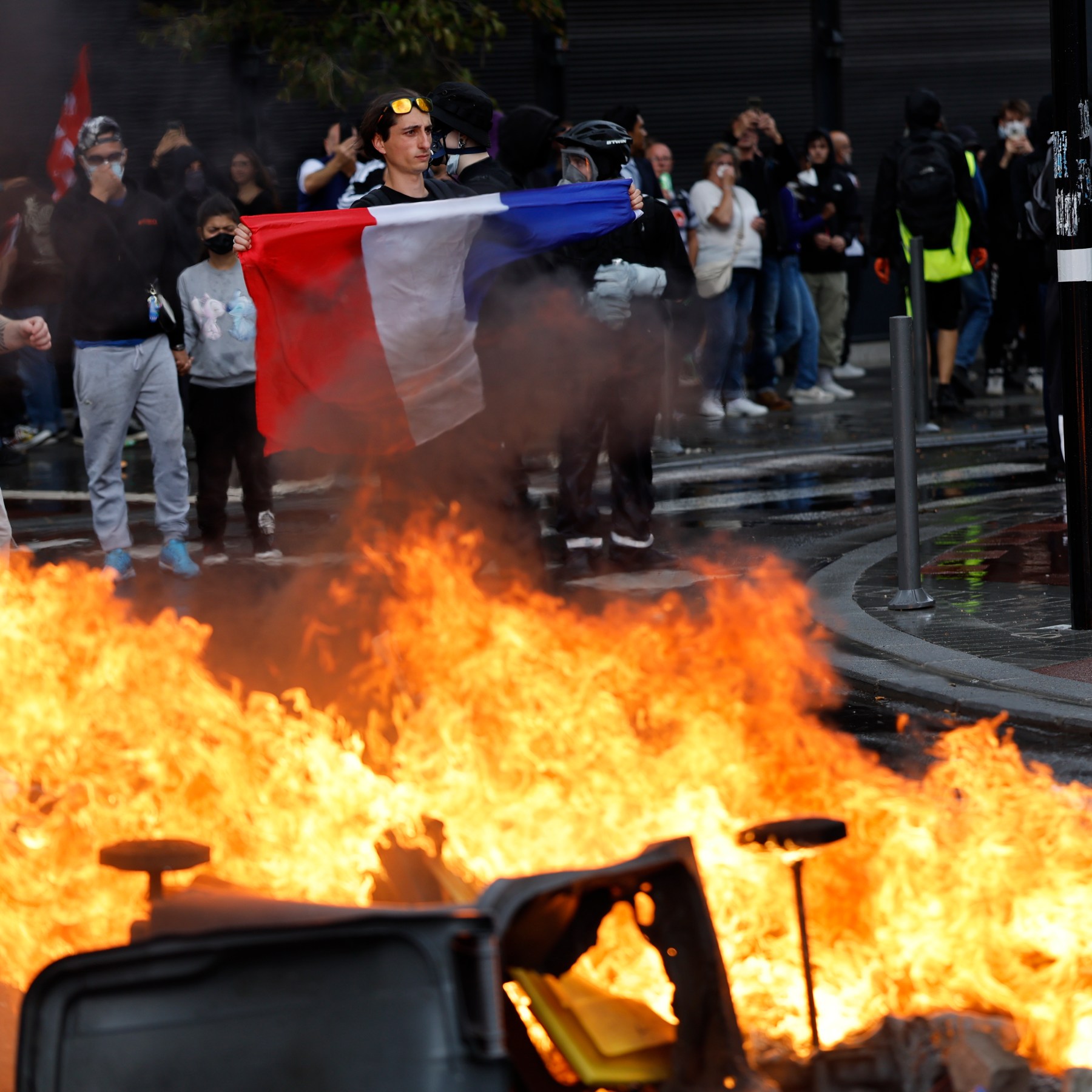 FRANCE IN FLAMES
-
 BABU SALUTES LATE FATHER, MOTHER AND RAILA IN MASHUJAA TRIBUTE
-
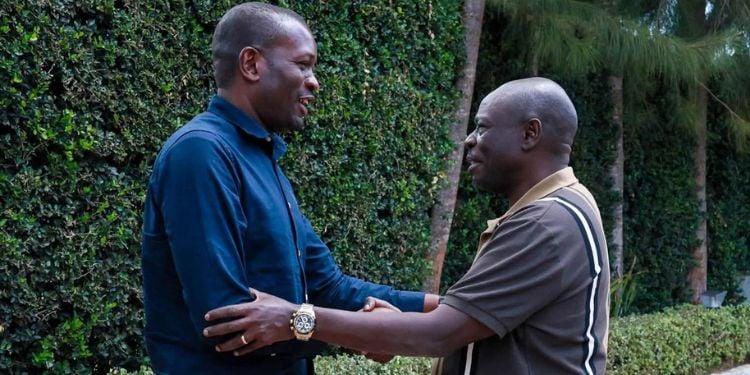 SIFUNA-GACHAGUA TAG TEAM TAKES SHAPE AFTER FORMER DP’S LOW-KEY RETURN
-
 SON DENOUNCES MACKENZIE, LABELS HIM A MURDERER
-
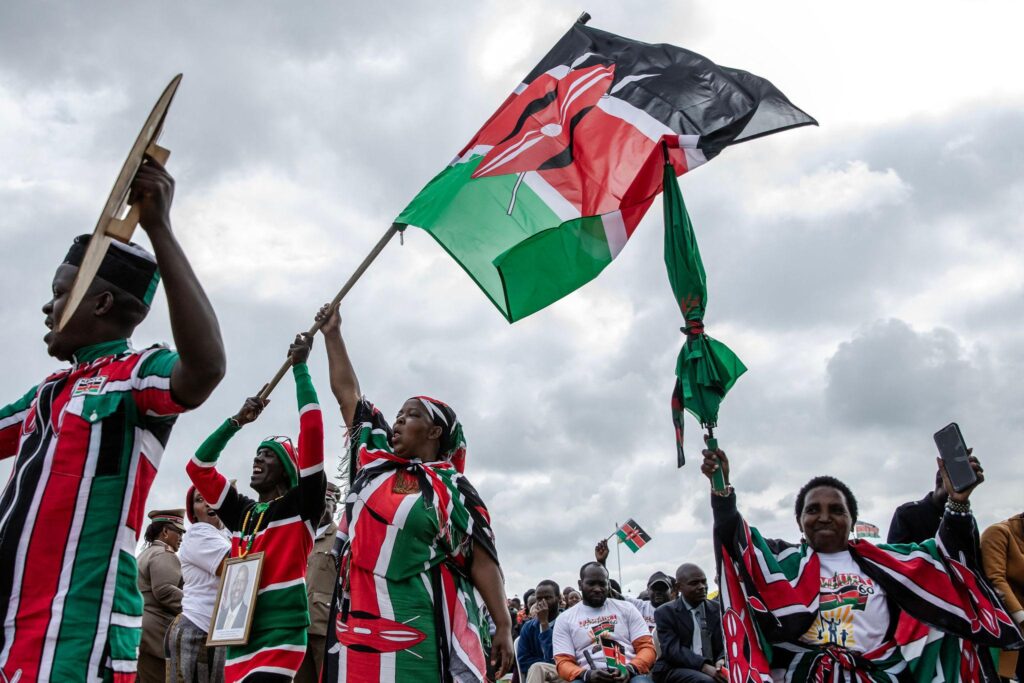 KENYANS MARK 63RD MASHUJAA DAY
Lecornu Plays Down Parliament Dissolution as France Seeks Budget Consensus
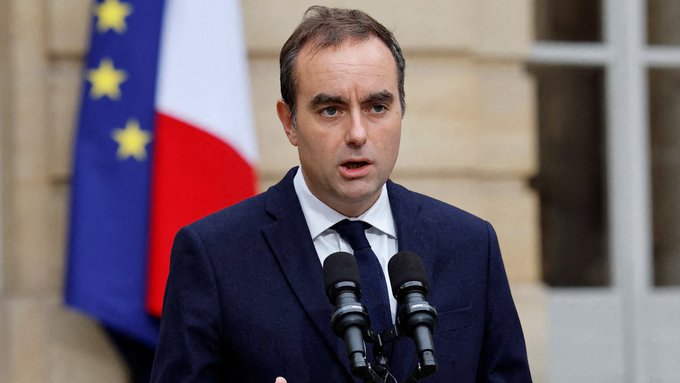
Caretaker Prime Minister Sébastien Lecornu has downplayed the likelihood of dissolving France’s National Assembly, expressing cautious optimism that political parties can reach common ground on an austerity-driven budget deal to calm the country’s deepening political crisis.
Speaking after a fresh round of consultations with party leaders in Paris, Lecornu said the talks had shown “signs of understanding” and “a shared desire to act responsibly” to prevent further instability. His remarks come amid mounting public anxiety over France’s financial direction and the paralysis gripping its political institutions.
Lecornu, who continues to serve in a caretaker capacity following his formal resignation, has been tasked by President **Emmanuel Macron** with steering the final phase of negotiations aimed at securing the 2026 budget. The proposal includes significant spending cuts and fiscal reforms meant to curb the widening deficit, which has sparked strong opposition across the political spectrum.
Left-wing blocs have called for a fairer approach to economic recovery, opposing measures that they say disproportionately burden low-income citizens. Meanwhile, conservative parties have warned against scaling back structural reforms, including the contentious pension changes, arguing that doing so would weaken France’s fiscal credibility.
Despite the divisions, Lecornu has emphasized dialogue over confrontation, suggesting that a workable compromise could make a parliamentary dissolution unnecessary. “There is movement, there is will and that counts for something,” he said.
Analysts view his remarks as an attempt to project stability and buy time for an agreement that would prevent France from plunging into early elections , a prospect that could deepen uncertainty both at home and in the wider European Union.
For now, the future of France’s austerity budget and its fragile political balance hinges on whether Lecornu’s consensus-building can turn cautious optimism into tangible action before the year’s end.
Comments (0)
No comments yet. Be the first to comment!