

-
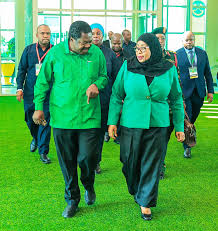 TANZANIA VP RESIGNS AMID SPECULATION OVER STRAIN WITH PRESIDENT SULUHU
-
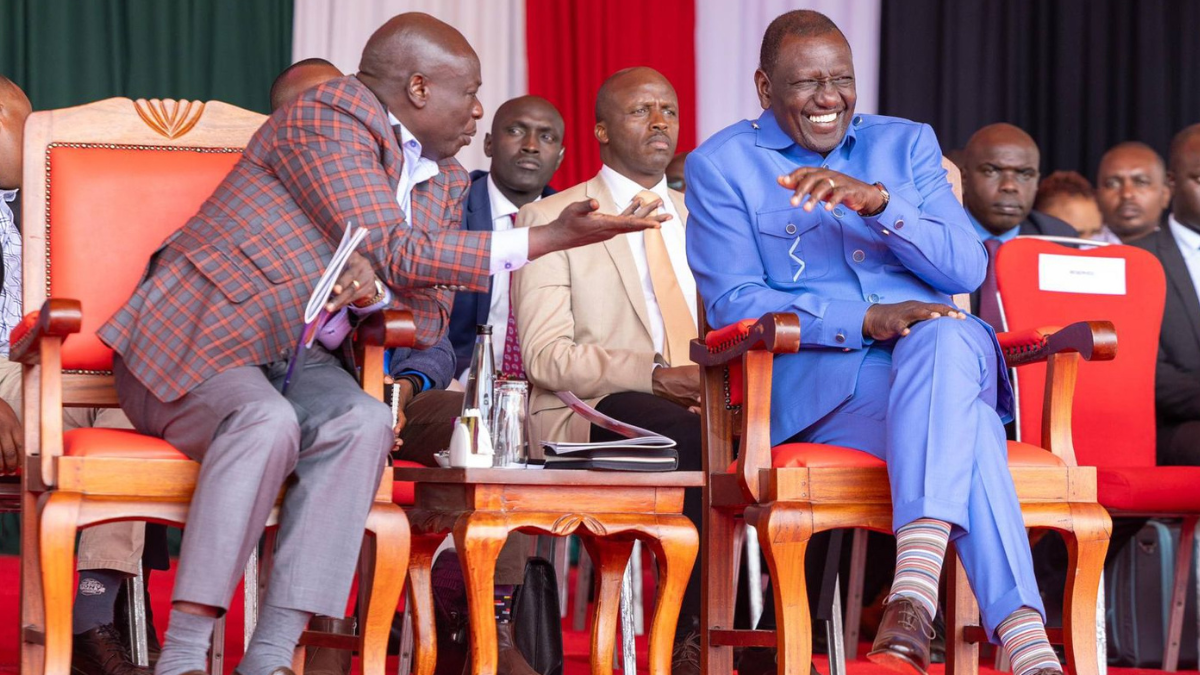 RUTO, GACHAGUA DRAW THE LINE ON 2027 DEAL
-
 TREVOR, DJ SHITI TRADE BARBS OVER HEHA MOVERS MANAGEMENT
-
 IEBC BANS CAMPAIGNS BEFORE MAY 29, 2027
-
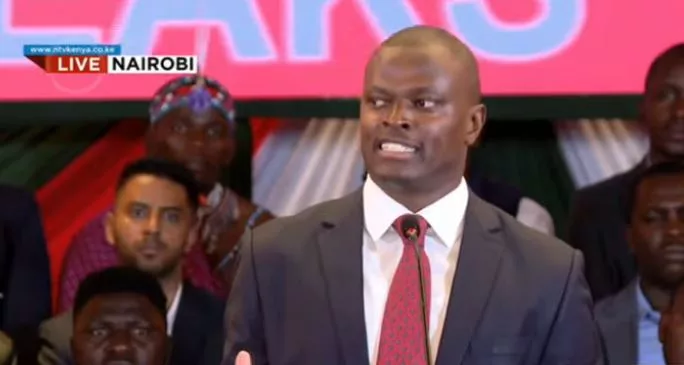 Ndindi Nyoro joins opposition after UDA exit
-
 RONALDO AND GEORGINA FLAUNT WEDDING RINGS
-
 DIAMOND’S FORMER DJ RESCUED FROM STREETS
-
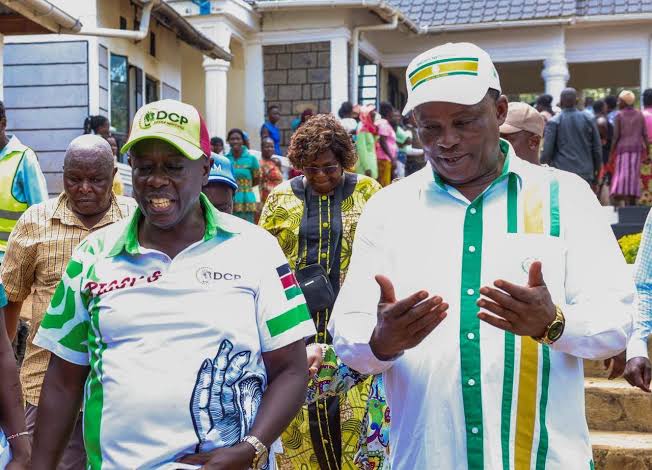 MUTURI REJECTS GACHAGUA’S ‘HYENA COALITION’
-
 YUNGE’S ALLEGED EX CRIES FOUL AFTER CHARLENE’S WEDDING
MARAGA : RUTO BETRAYING CONSTITUTION
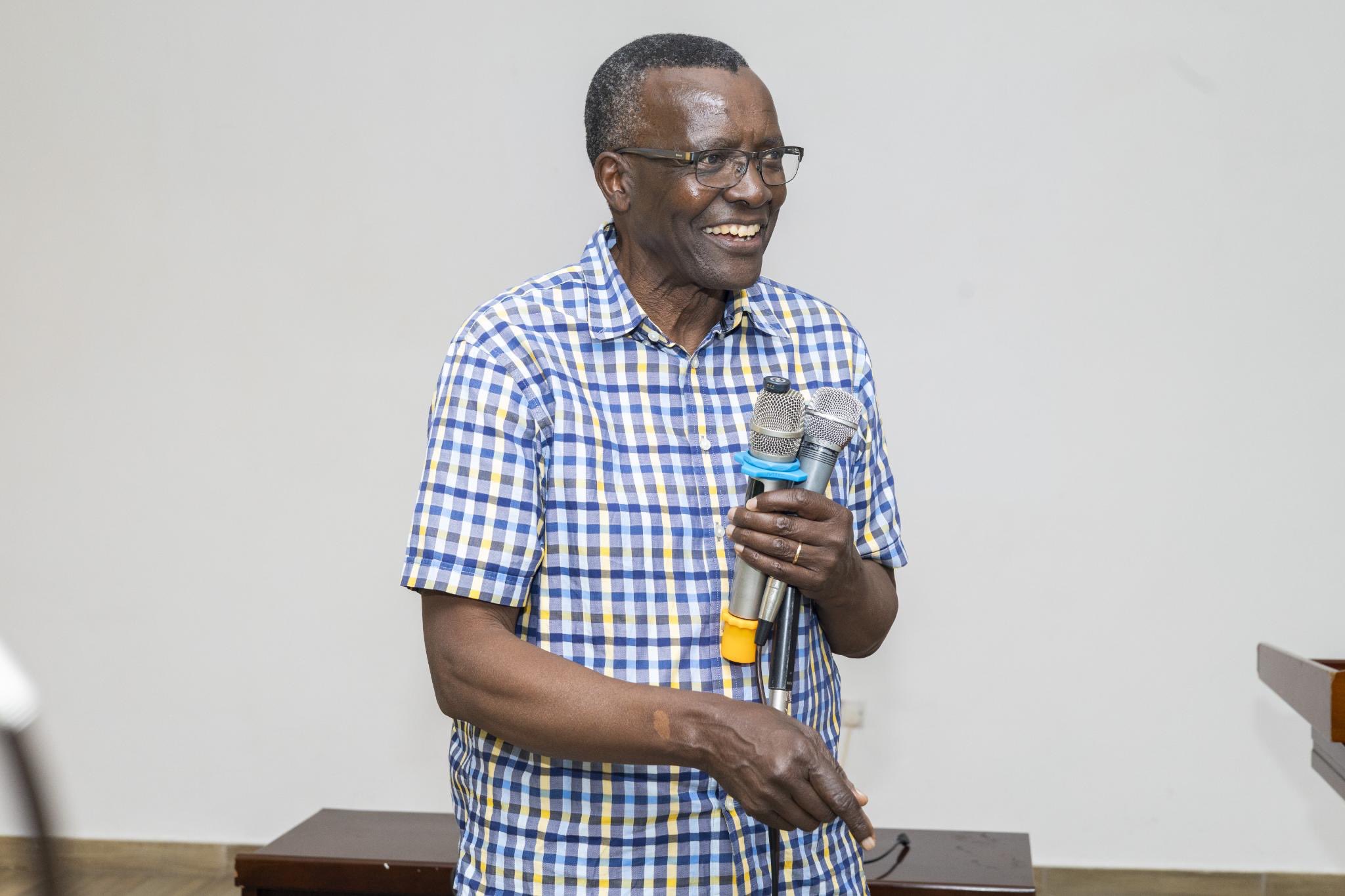
Former Chief Justice David Maraga has issued a scathing criticism of President William Ruto's administration for betraying the ideals of the 2010 Constitution and working to undermine the democratic freedoms on which Kenyans shed blood to acquire.
Speaking during a media conference at Nairobi's Panafric Hotel on Tuesday, Maraga described the recent assent to eight controversial Bills into law as a dangerous development for the country and an indication of the government's disdain for constitutional principles.
We are here as Kenyans and we are very concerned about where our country is going," Maraga stated. "It is a travesty of the principles for which Raila Odinga struggled, and a travesty of the 2010 Constitution that we took an oath to uphold.".
We are here as Kenyans who are most concerned about the path our country is taking," said Maraga. "It is a travesty of the ideals for which Raila Odinga fought, and a travesty of the 2010 Constitution into which we all swore to defend.".
He blamed the timing of presidential assent, stating that it was at "the very moment that the nation was grappling with the death of Raila Odinga," which he described as "insensitive and reflective of the government's contempt for the people's will."
A careful scrutiny of the Bills assented to by the National Assembly in Maraga's opinion revealed a pattern of betrayal on the part of both the Executive and the Legislature.
He called the Computer Misuse and Cybercrimes Act amendments very alarming, claiming that they were meant to suppress dissent and restrict political freedom.
political freedom," he continued. "It is not lost to us that in June 2024, when young people protested against the Finance Bill, President Ruto labeled them criminals and terrorists."
Maraga warned that the amendments give a government committee broad powers to shut down websites and online platforms such as Facebook, YouTube, and TikTok in the name of combating illegal activity.
Maraga warned that the amendments give a government committee broad powers to shut down websites and online platforms such as Facebook, YouTube, and TikTok in the name of combating illegal activity.
He claimed that the absence of judicial review of such actions was a direct assault on media freedom and citizen freedom of expression.
"This committee turns into the investigator and the adjudicator, abridging the freedom of use of media," he warned. "It has no sort of oversight by the judiciary, which is an egregious violation of the rule of law."
He also condemned the little public input that was incorporated into the Bills' passage, where Parliament was said to have ignored submissions from citizens and even government ministries tasked with the jurisdictions touched by the legislation.
Maraga also revealed that legal action was already underway by the stakeholders opposed to the new laws.
"We cannot allow these freedoms to be buried quietly," he said. "Efforts are being made to initiate court action, and we wholeheartedly support such endeavors."
Redirecting his focus to the Privatization Act, Maraga criticized the government for attempting to "rob Kenyans" by providing the President and the Cabinet Secretary for the Treasury unchecked authority to dispose of national assets.
He observed that the new statute eliminated key control measures that previously ensured transparency in the privatization of public assets.
"Privatization valuation information for public entities is not needed," Maraga said. "The Act even leaves out disclosure of the name of buyers. If they sell to themselves or their agents, Kenyans will never know."
He thought that the new privatization regime provided an opportunity for the executive to auction national resources without parliament's go-ahead, leaving space for corruption to take place.
He concluded by threatening prospective appointees to state corporations under his estimated presidency, saying, "Those to be appointed into those parastatals when I am President should either make money or resign. This is not just about loss-making organizations—it is an attempt to get rid of strategic assets like Kenya Pipeline."
Comments (0)
No comments yet. Be the first to comment!