

-
 MOSIRIA FIRES SARCASTIC SHOT AT SAKAJA AFTER SACKING
-
 SIFUNA’S 2027 BID DOOMED BY OLD GUARD ALLIANCE- MIGUNA
-
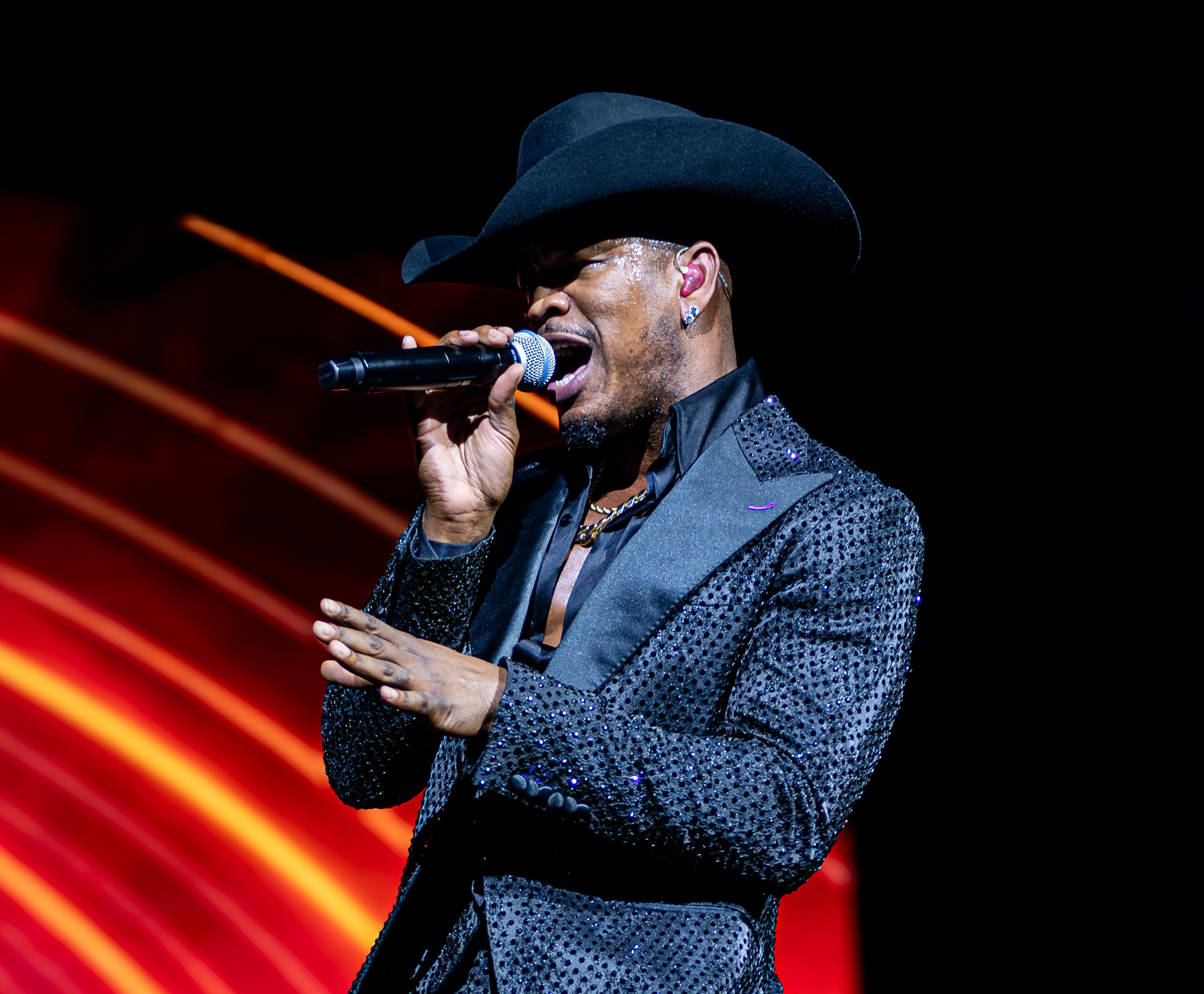 NE-YO ROCKS AS FANS FUME OVER DISAPPOINTMENT DESPITE COSTLY PAY
-
 STEVO SIMPLE BOY DUMPS WIFE AFTER DNA BOMBSHELL
-
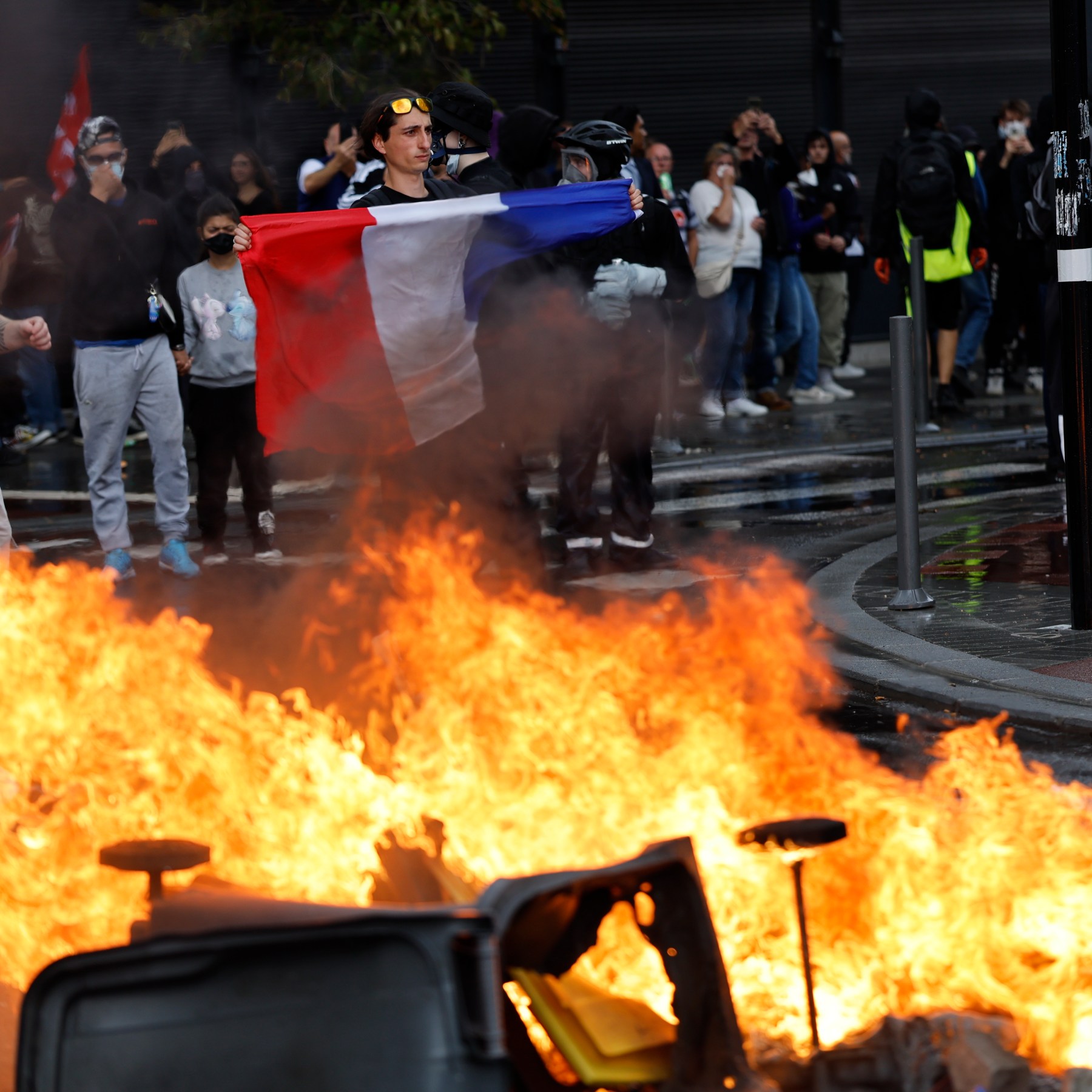 FRANCE IN FLAMES
-
 BABU SALUTES LATE FATHER, MOTHER AND RAILA IN MASHUJAA TRIBUTE
-
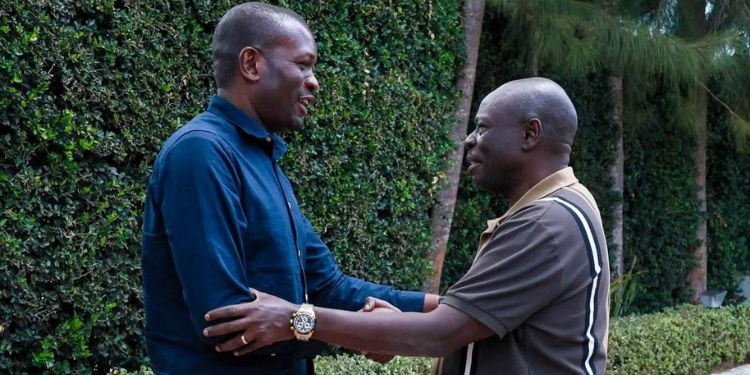 SIFUNA-GACHAGUA TAG TEAM TAKES SHAPE AFTER FORMER DP’S LOW-KEY RETURN
-
 SON DENOUNCES MACKENZIE, LABELS HIM A MURDERER
-
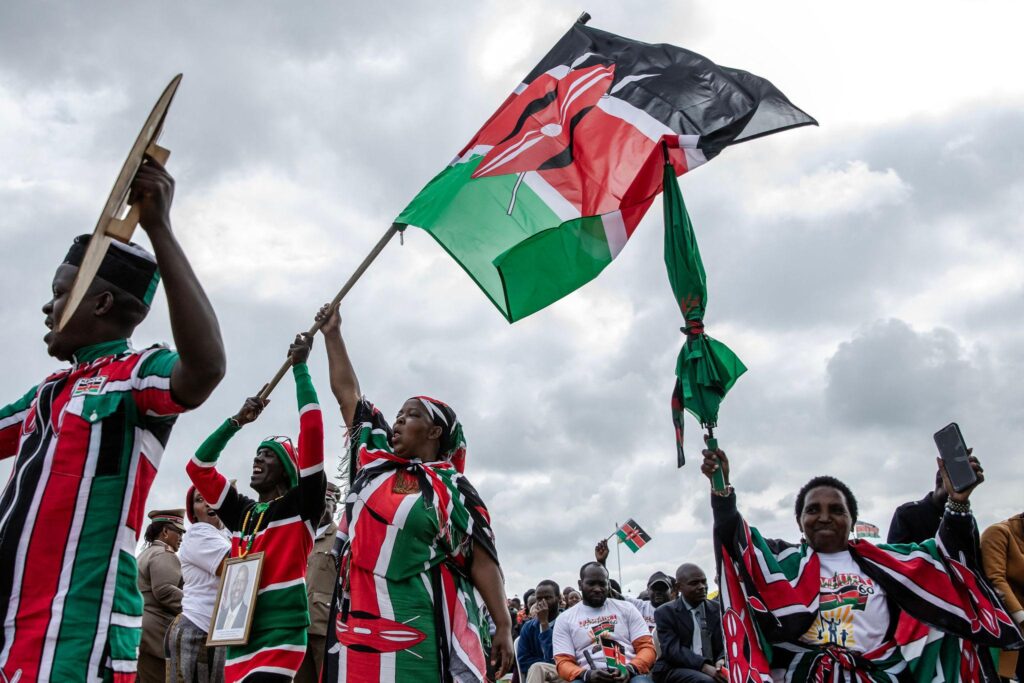 KENYANS MARK 63RD MASHUJAA DAY
MCK UNVEILS NEW MEDIA CODE TO STRENGTHEN ETHICS AND SAFEGUARD DIGITAL JOURNALISM
Kenya has officially implemented a new Code of Conduct for Media Practice, replacing the previous decade old framework that had guided journalism for over a decade. The revised Code introduces comprehensive standards aimed at strengthening ethical journalism, safeguarding children, and addressing then complex challenges emerging from the digital media space. The new code came into effect following its publication in the Kenya Gazette Supplement No.70 on May 14, 2025, by the Cabinet Secretary for Information, Communication, and Digital Economy, William Kabogo. It replaces the Second Schedule to the Media Council Act, 2013, and supersedes the former Code of Conduct for the Practice of Journalism in Kenya.
This overhaul was prompted by a High Court ruling that nullified the previous Broadcasting Code on grounds of unconstitutionality. The court tasked the MCK with developing a more effective framework that prioritizes the protection of children and vulnerable populations in media content. The new Code directly responds to this directive by embedding age appropriate protections and other critical safeguards. According to the MCK, the adoption of the Code represents a turning point in media regulation and professionalism in Kenya. One of the standout features of the new Code is its emphasis on the responsible use of Artificial Intelligence (AI) in journalism. It sets firm ethical standards around the use of AI, especially in the creation and publication of content.
Misuse and spread of misleading AI generated materials now carry heavy penalties ensuring that new technologies do not compromise journalistic integrity. The Code also introduces clear guidelines for the management of user generated content, ensuring that such content is handled with the same ethical considerations as professionally produced material. The Media Council applauded the National Assembly for its approval of the revised guidelines and expressed appreciation to the Clerk of the Assembly for formally confirming the document. The Media Council stated that it remains committed to nurturing a media environment grounded in integrity, public service, and professional ethics.
Comments (0)
No comments yet. Be the first to comment!