

-
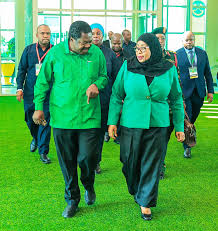 TANZANIA VP RESIGNS AMID SPECULATION OVER STRAIN WITH PRESIDENT SULUHU
-
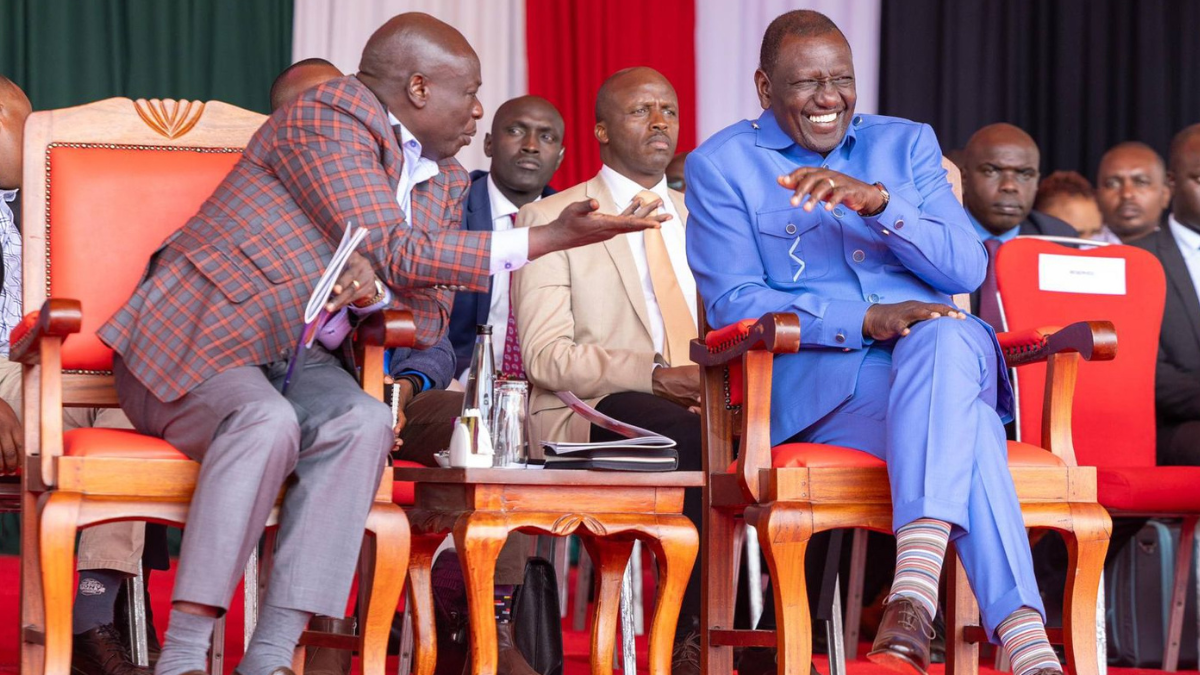 RUTO, GACHAGUA DRAW THE LINE ON 2027 DEAL
-
 TREVOR, DJ SHITI TRADE BARBS OVER HEHA MOVERS MANAGEMENT
-
 IEBC BANS CAMPAIGNS BEFORE MAY 29, 2027
-
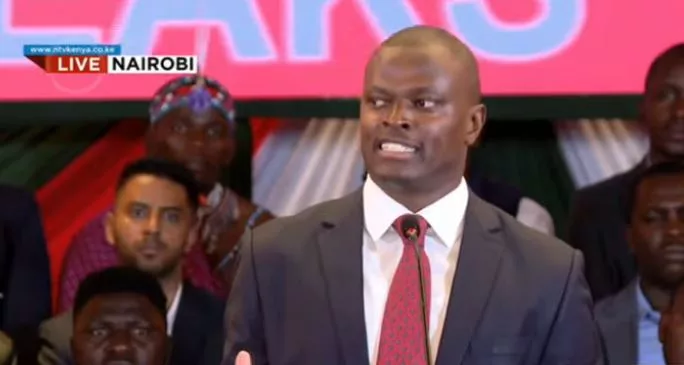 Ndindi Nyoro joins opposition after UDA exit
-
 RONALDO AND GEORGINA FLAUNT WEDDING RINGS
-
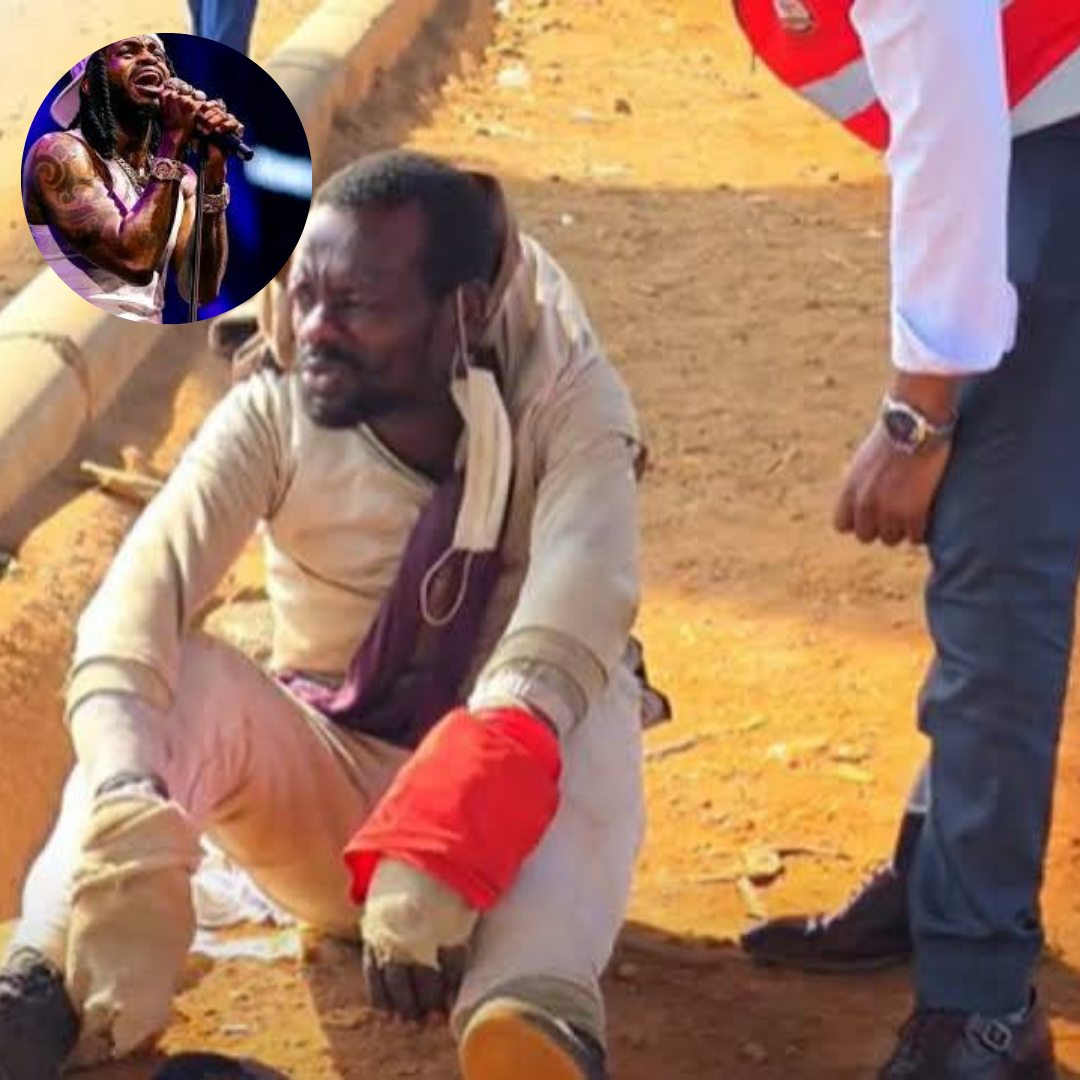 DIAMOND’S FORMER DJ RESCUED FROM STREETS
-
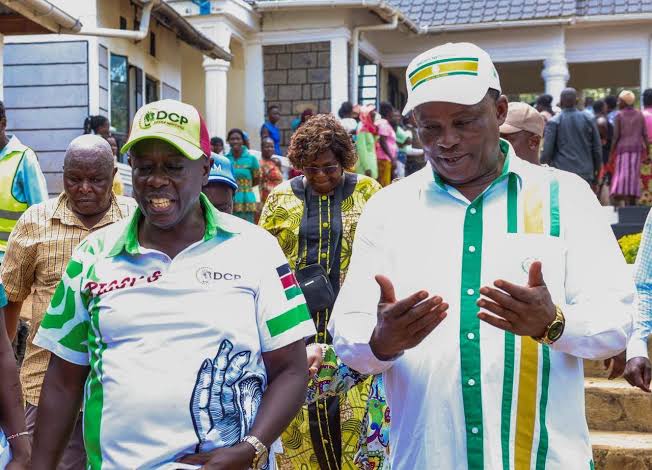 MUTURI REJECTS GACHAGUA’S ‘HYENA COALITION’
-
 YUNGE’S ALLEGED EX CRIES FOUL AFTER CHARLENE’S WEDDING
NEPAL RETURNS TO CALM AS SUSHILA KARKI SWORN IN AS FIRST WOMAN PRIME MINISTER
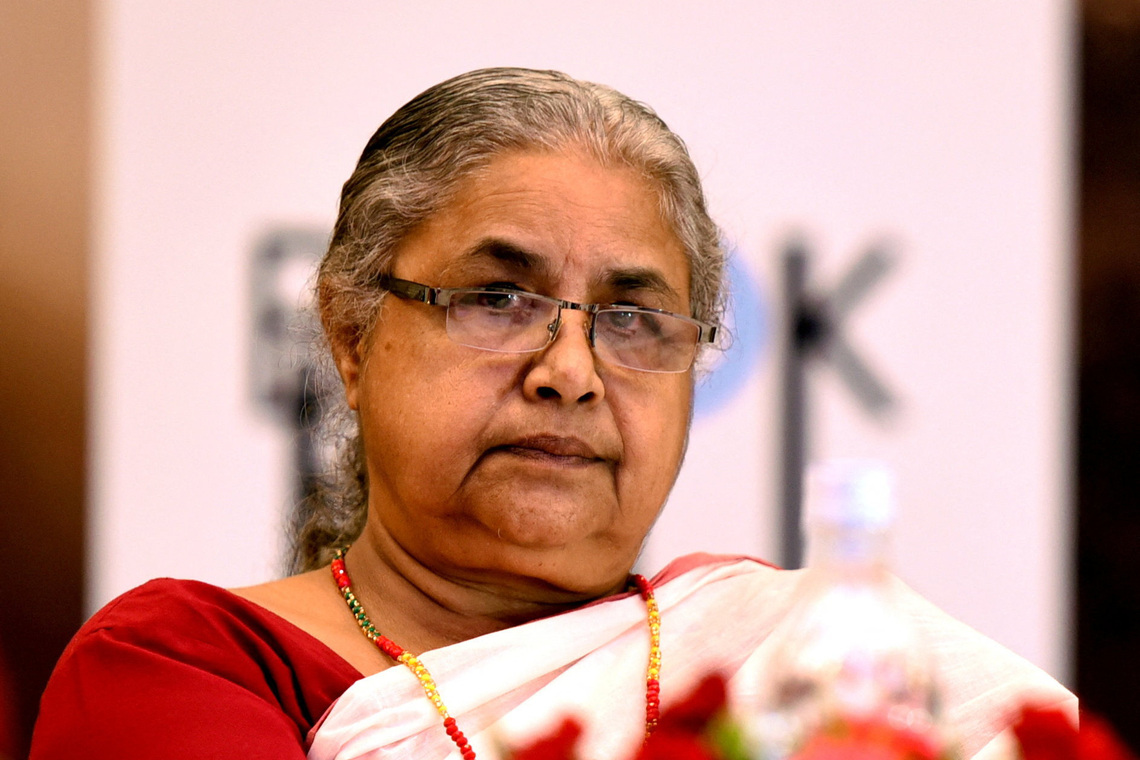
Kathmandu began moving back toward normalcy on Saturday after days of deadly anti-corruption protests, as the government eased curfew restrictions and Nepal’s new interim prime minister took office. Troops that had flooded the capital since Wednesday started withdrawing, following violent demonstrations that toppled the government, set parliament ablaze, and left at least 51 people dead, the worst unrest since the end of the civil war and abolition of the monarchy in 2008.
On Friday evening, 73-year-old former chief justice Sushila Karki was sworn in as interim prime minister. Her mandate: to restore stability and respond to demands for a corruption-free future. Shortly after, parliament was dissolved, elections were scheduled for March 5, 2026, and efforts to rebuild state institutions got underway. By Saturday morning, the streets were calmer. Markets reopened, traffic resumed, and families returned to temples. For many Nepalis, Karki’s appointment symbolized both change and hope.
“Nepal has its first woman prime minister,” said 51-year-old social worker Suraj Bhattarai. “We believe she will push forward the fight against corruption and bring good governance.”
Karki, respected for her independence, emerged as a consensus candidate after tough negotiations between army chief General Ashok Raj Sigdel, President Ram Chandra Paudel, and representatives of the Gen Z-led protest movement. Thousands of young activists had debated leadership options on Discord, ultimately rallying behind her.
The mood in the capital suggested relief. “The interim government is a good step for now,” said Durga Magar, 23, a shop worker in Kathmandu. “The real issue is corruption. Whether it’s Gen Z or older politicians, it just has to end.”
The protests, which erupted Monday and peaked on Tuesday, were fueled by long-standing economic hardships. Youth unemployment is around 20%, according to the World Bank, and GDP per capita remains only $1,447.


Comments (0)
No comments yet. Be the first to comment!