

-
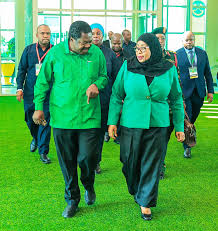 TANZANIA VP RESIGNS AMID SPECULATION OVER STRAIN WITH PRESIDENT SULUHU
-
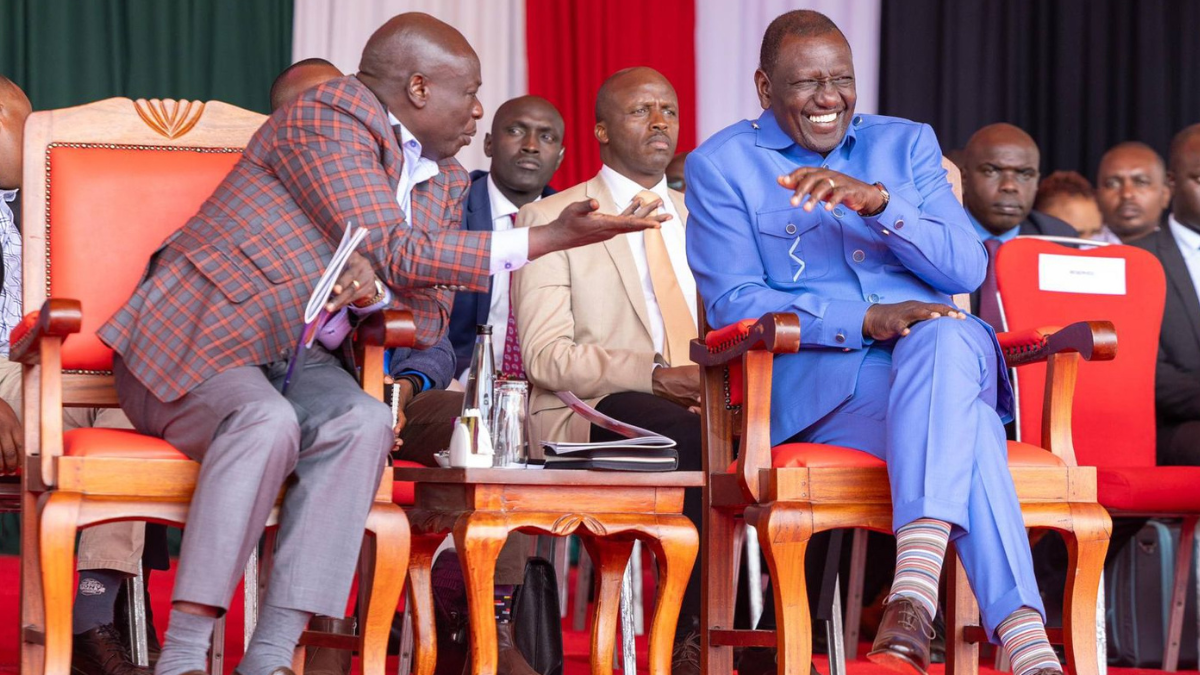 RUTO, GACHAGUA DRAW THE LINE ON 2027 DEAL
-
 TREVOR, DJ SHITI TRADE BARBS OVER HEHA MOVERS MANAGEMENT
-
 IEBC BANS CAMPAIGNS BEFORE MAY 29, 2027
-
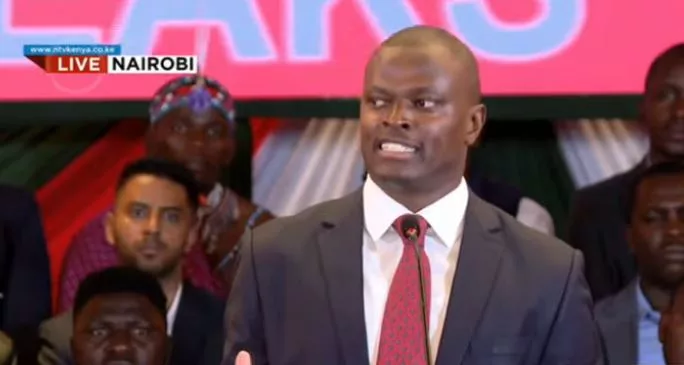 Ndindi Nyoro joins opposition after UDA exit
-
 RONALDO AND GEORGINA FLAUNT WEDDING RINGS
-
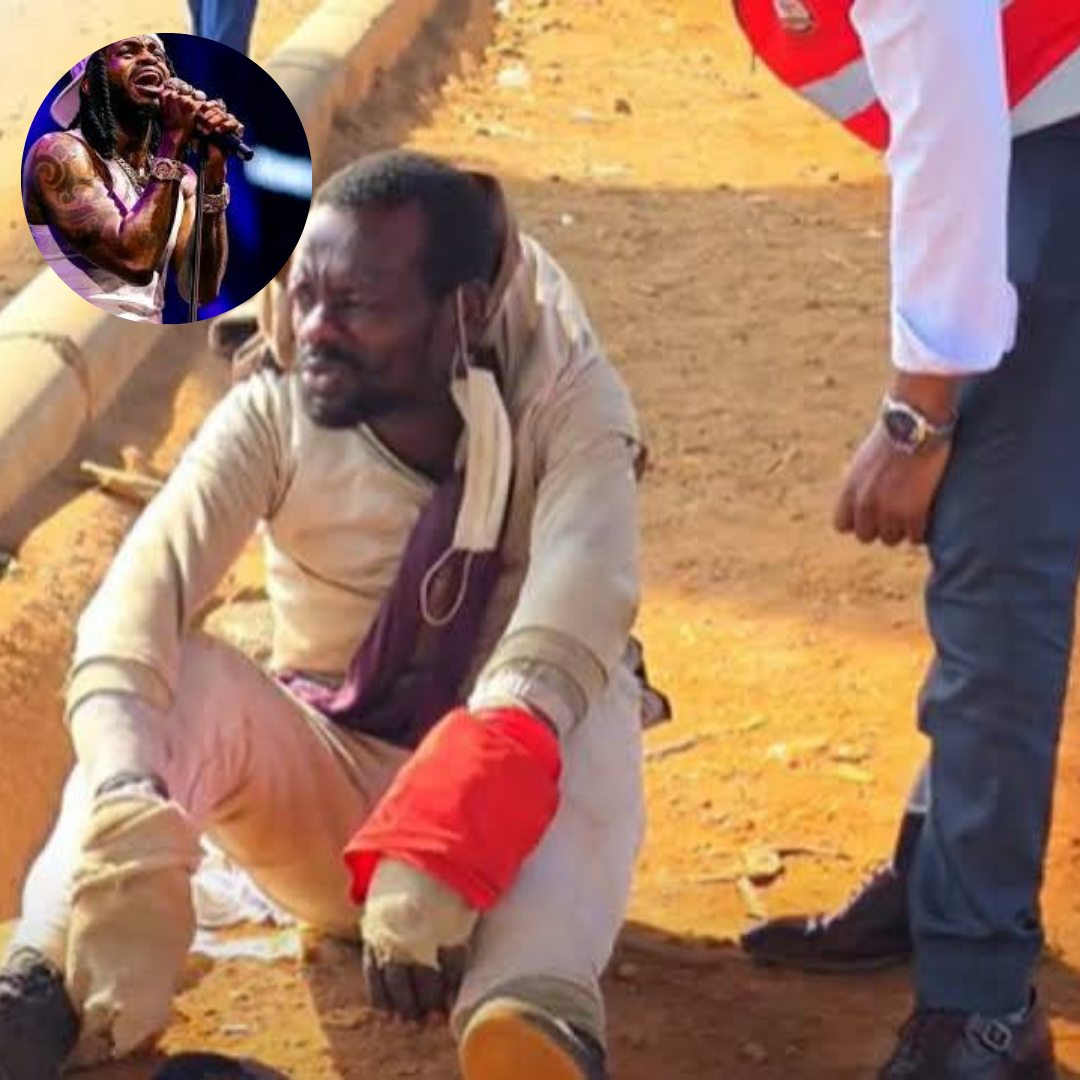 DIAMOND’S FORMER DJ RESCUED FROM STREETS
-
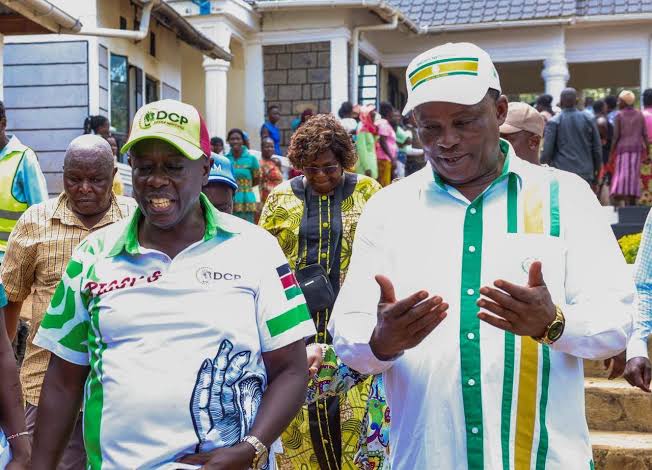 MUTURI REJECTS GACHAGUA’S ‘HYENA COALITION’
-
 YUNGE’S ALLEGED EX CRIES FOUL AFTER CHARLENE’S WEDDING
Odinga Family Tells Ruto: Must Honor Will to Bury Raila Within 72 Hours
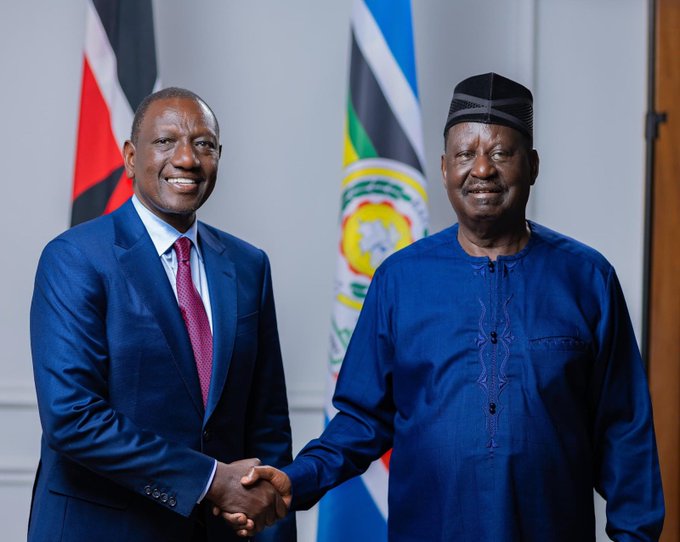
The family of the late former Prime Minister Raila Amolo Odinga has formally informed President William Ruto and the national funeral committee that, according to his written will, he must be buried within 72 hours of his death. They have appealed to the government and all stakeholders involved in the funeral arrangements to respect and honor this wish, describing it as a deeply personal and non-negotiable instruction from the late leader.
According to close family sources, Raila’s will clearly outlines his preference for a swift burial, in line with both his cultural traditions and his lifelong principles of simplicity and humility. The family reiterated that even though the government has announced a state funeral to celebrate Odinga’s decades of public service, the plans should not interfere with his final request. “He was very clear that he did not want prolonged ceremonies or delays. His desire was to rest within 72 hours after his passing, and we are bound to fulfill that,” a family representative said.
President Ruto, who on Wednesday declared a seven-day period of national mourning, has promised that Raila will receive full state honors in recognition of his immense contribution to Kenya’s democracy and governance. The President’s directive established a national funeral committee co-chaired by Deputy President Kithure Kindiki and Siaya Senator Oburu Odinga, Raila’s elder brother. The committee is tasked with coordinating the funeral arrangements, ensuring national representation, and maintaining decorum during the mourning period.
However, the Odinga family’s firm stance introduces a logistical challenge. The repatriation of Raila’s body from India, where he passed away while receiving medical treatment, typically requires a number of official clearances that could delay the process. Additionally, preparations for a state funeral—such as national security protocols, venue coordination, and public access arrangements often take several days or even weeks. The government will therefore need to strike a delicate balance between observing official procedures and respecting the late leader’s final wish.
Family members have emphasized that Odinga’s request was not merely a cultural formality but a deeply personal conviction. They noted that he often spoke about the importance of returning to the earth swiftly and quietly, in accordance with Luo traditions and his own belief that “life should be celebrated in deeds, not in death ceremonies.” The family has appealed to the public and political leaders to honor Raila’s legacy by focusing on unity and peace during this period rather than political divisions.
Meanwhile, Kenyans across the country continue to mourn the death of a man widely regarded as one of the most influential figures in Kenya’s post-independence history. Tributes have poured in from global leaders, regional allies, and former political rivals, all describing Odinga as a resilient statesman who dedicated his life to justice, democracy, and equality.
As the nation awaits the government’s official communication on the burial date, attention now turns to whether the 72-hour directive can be met within the framework of a state funeral. The Odinga family remains steadfast, maintaining that honoring Raila’s will is not only a family responsibility but also a reflection of the respect he commanded throughout his life. “He gave his life to this country,” one family member said. “The least we can do is give him the farewell he wanted — simple, swift, and dignified.”

Comments (0)
No comments yet. Be the first to comment!