

-
 TANZANIA VP RESIGNS AMID SPECULATION OVER STRAIN WITH PRESIDENT SULUHU
-
 RUTO, GACHAGUA DRAW THE LINE ON 2027 DEAL
-
 TREVOR, DJ SHITI TRADE BARBS OVER HEHA MOVERS MANAGEMENT
-
 IEBC BANS CAMPAIGNS BEFORE MAY 29, 2027
-
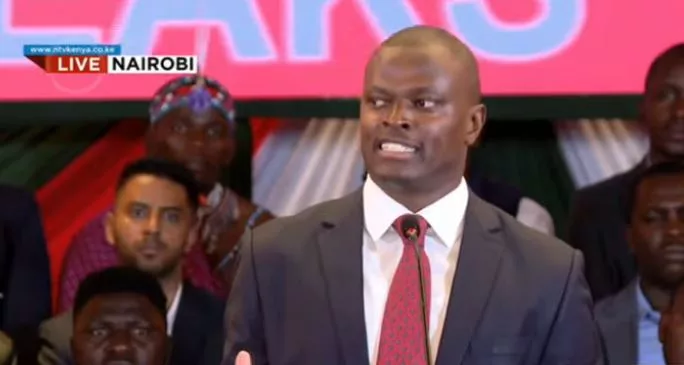 Ndindi Nyoro joins opposition after UDA exit
-
 RONALDO AND GEORGINA FLAUNT WEDDING RINGS
-
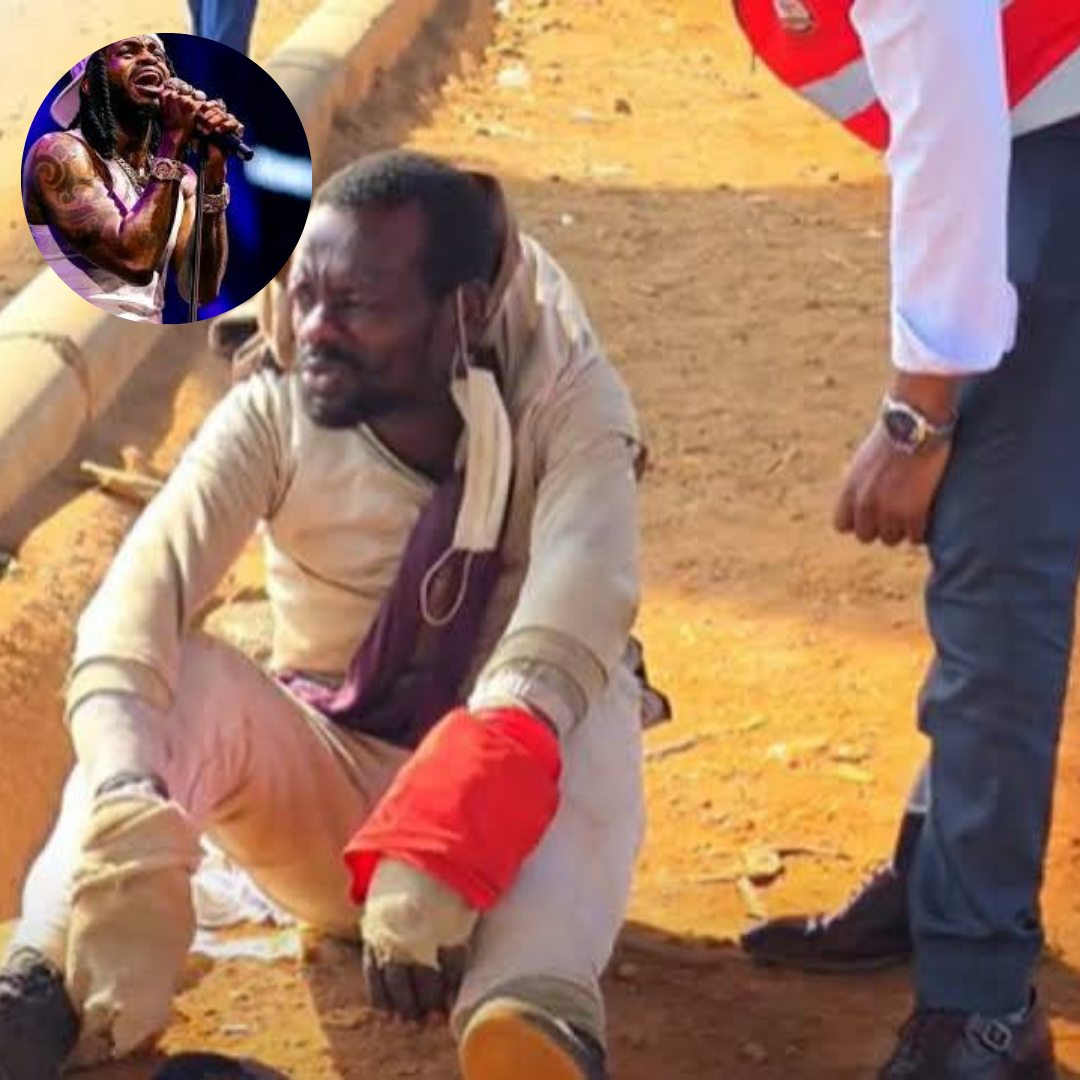 DIAMOND’S FORMER DJ RESCUED FROM STREETS
-
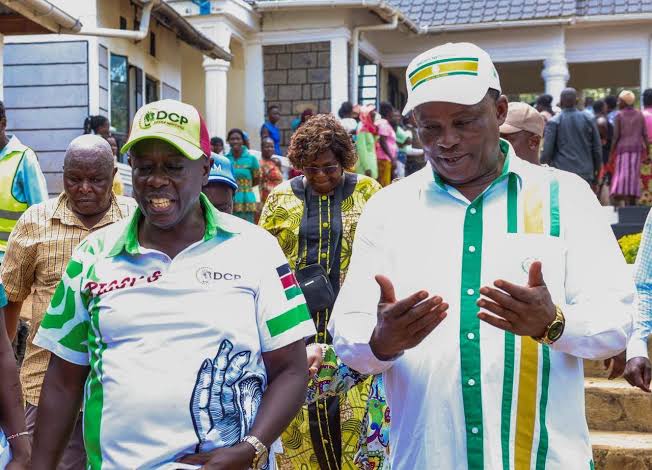 MUTURI REJECTS GACHAGUA’S ‘HYENA COALITION’
-
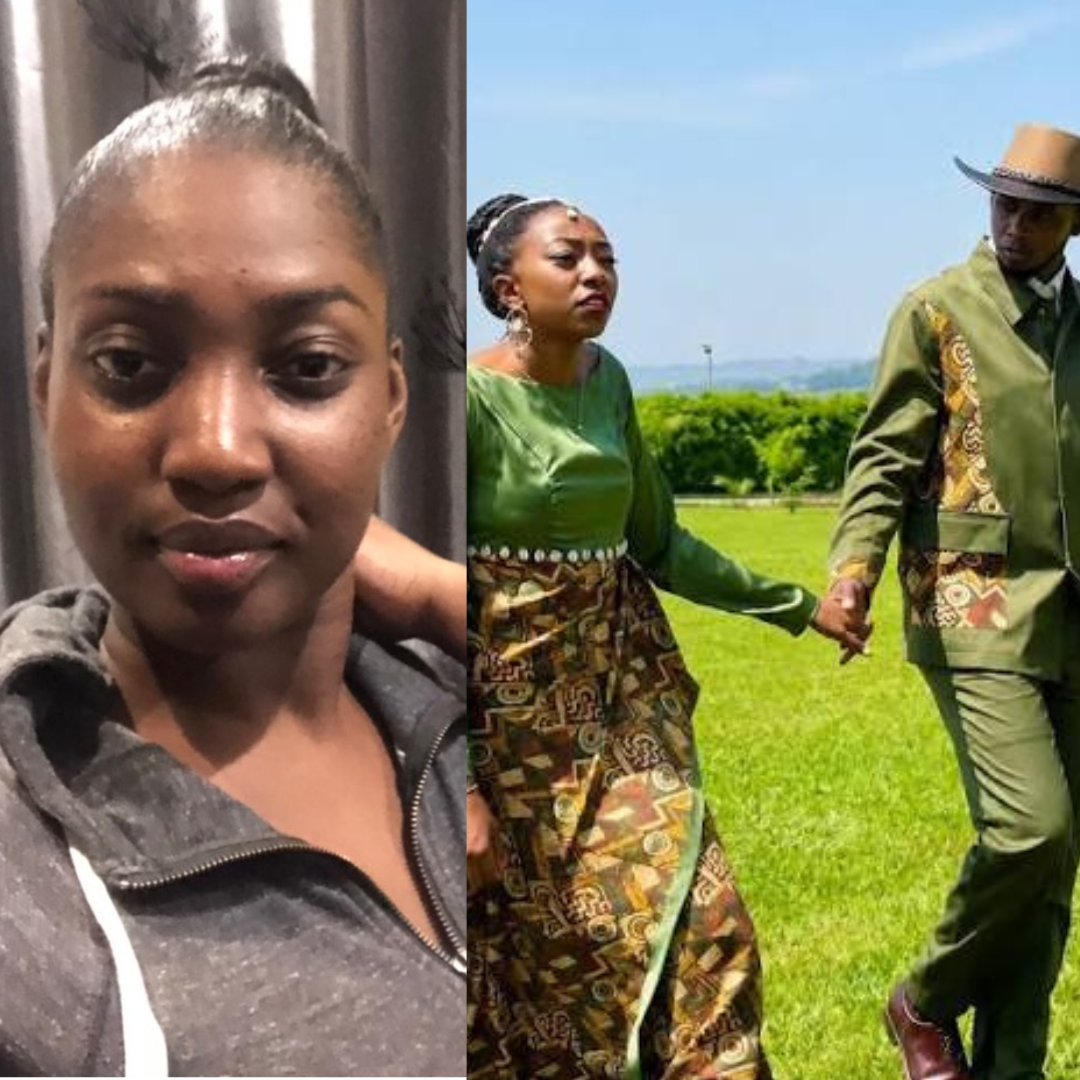 YUNGE’S ALLEGED EX CRIES FOUL AFTER CHARLENE’S WEDDING
"PEOPLE DIE EVERYWHERE': MP BASHIR DISMISSES BLOODPARLIAMENT OUTRAGE"
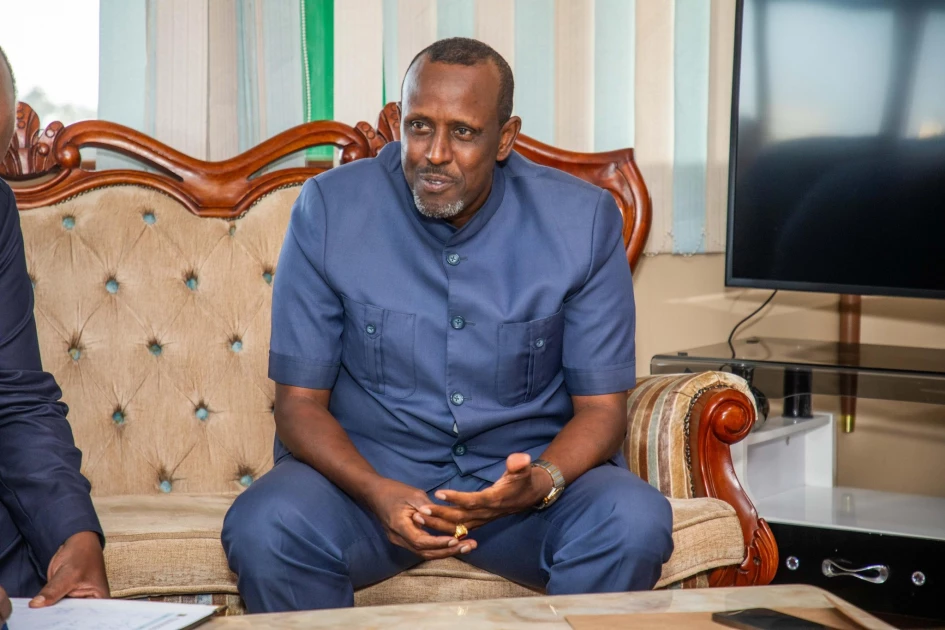
Nairobi — Mandera North MP Bashir Abdullahi is facing fierce public backlash after remarks he made in Parliament dismissing the BBC’s BloodParliament documentary, which exposes the role of Kenyan police in the deaths of protesters during last year’s anti-government demonstrations.
Speaking during a session on Tuesday, Bashir accused the BBC of portraying Kenya in a “discriminatory” light, while suggesting that the country had already moved past the June 25, 2024 killings.
"As much as we agree that our fellow Kenyans lost their lives, unfortunately, we also moved on to ensure that we reconcile the country,” Bashir said. “People are killed all over the world. Our people were killed, we sympathized, we moved on.”
The comments came just days after the BBC’s Africa Eye team released a forensic investigation linking uniformed officers to the fatal shootings of at least three protesters outside Parliament. The documentary used over 5,000 images and videos to piece together the moments leading up to the deaths.
Bashir’s remarks were swiftly condemned across social media, with Kenyans expressing shock and anger at what many viewed as a callous dismissal of the lives lost.
> “Eric was a son, a dreamer. You don’t just ‘move on’ from injustice,” wrote X user Jonathan Thuo.
“Let your own children go through that and tell us how fast you’d move on,” added another user, IntelligenSam.
Others criticized the quality of leadership in Parliament, with one user calling the institution “a disgrace to the nation.”
Political Support and Censorship Claims
Bashir’s sentiments were echoed by Dagoretti South MP John Kiarie, who questioned the BBC’s motives, suggesting the documentary was influenced by a foreign agenda.
"BBC is funded by British taxpayers. We want to know if it is speaking for the people of Britain or pushing a foreign narrative,” Kiarie said.
The BBC has since reported that Kenyan authorities blocked a planned public screening of BloodParliament at the Nairobi Cinema, further fueling public concern over censorship and a lack of transparency.
The documentary has reignited debate around police brutality and state accountability in Kenya. Human rights groups are now calling for independent investigations into the killings and urging lawmakers to take responsibility rather than deflect blame.
As Kenyans continue to mourn the victims, the controversy has highlighted a growing rift between the political elite and the public, many of whom feel unheard and dismissed.
Comments (0)
No comments yet. Be the first to comment!