

-
 MOSIRIA FIRES SARCASTIC SHOT AT SAKAJA AFTER SACKING
-
 SIFUNA’S 2027 BID DOOMED BY OLD GUARD ALLIANCE- MIGUNA
-
 NE-YO ROCKS AS FANS FUME OVER DISAPPOINTMENT DESPITE COSTLY PAY
-
 STEVO SIMPLE BOY DUMPS WIFE AFTER DNA BOMBSHELL
-
 FRANCE IN FLAMES
-
 BABU SALUTES LATE FATHER, MOTHER AND RAILA IN MASHUJAA TRIBUTE
-
 SIFUNA-GACHAGUA TAG TEAM TAKES SHAPE AFTER FORMER DP’S LOW-KEY RETURN
-
 SON DENOUNCES MACKENZIE, LABELS HIM A MURDERER
-
 KENYANS MARK 63RD MASHUJAA DAY
President Ruto Signs Eight Controversial Bills into Law Amid Public Debate
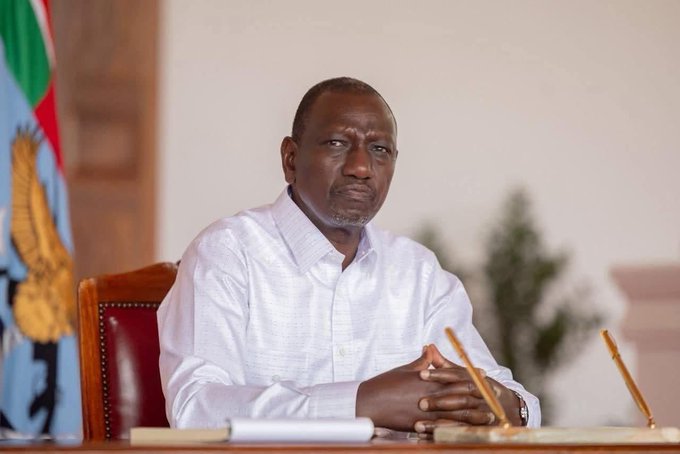
President William Ruto has assented to eight highly debated bills, sparking intense conversations across the country about their implications for governance, accountability, and citizens’ rights. The newly enacted laws touch on critical sectors such as land, security, technology, and finance areas that have historically drawn public scrutiny in Kenya.
Among the most discussed is the 'Privatisation Bill, 2025', which replaces the 2005 law and provides a new framework for selling state-owned corporations. Supporters believe it will improve efficiency and attract investment, while critics fear it could open the door to non-transparent sales of public assets and job losses in key parastatals.
Closely linked to land reform, the **National Land Commission (Amendment) Bill, 2023** and the **Land (Amendment) Bill, 2024** have raised concerns about the concentration of power and the protection of community land rights. Opponents argue that the changes could weaken oversight and further complicate historical land injustices.
The Wildlife Conservation and Management (Amendment) Bill, 2023 introduces new penalties and management structures in conservation, with local communities fearing they may be sidelined in decision-making about natural resources.
Equally divisive is the Computer Misuse and Cybercrimes (Amendment) Bill, 2024, which expands the definition of online offences and empowers the government to block websites or digital platforms deemed harmful. While framed as a move to curb cyber fraud, online scams, and digital exploitation, human rights groups have raised alarms over possible censorship and infringement of free speech.
The National Police Service Commission (Amendment) Bill, 2024 has also drawn attention for altering the commission’s operational powers, with civil society organisations warning that it could undermine police independence and oversight.
On the economic front, the 'Air Passenger Service Charge (Amendment) Bill, 2025' introduces adjustments to the levies imposed on air travel, prompting fears that increased costs may hurt tourism and regional travel.
Meanwhile, the 'Virtual Asset Service Providers Bill, 2025' seeks to regulate cryptocurrency and digital asset trading. Advocates praise it as a step toward legitimising Kenya’s fast-growing digital economy, but critics question whether the law’s strict licensing and compliance measures could discourage innovation in the fintech sector.
Collectively, the eight laws represent a sweeping reform agenda by the Ruto administration, one aimed at modernising Kenya’s governance and economic systems. However, the speed of their passage and the limited scope of public consultation have drawn widespread criticism. As implementation begins, the country now watches closely to see whether these laws will bring progress or deepen the divisions they have exposed.
Comments (0)
No comments yet. Be the first to comment!