

-
 MOSIRIA FIRES SARCASTIC SHOT AT SAKAJA AFTER SACKING
-
 SIFUNA’S 2027 BID DOOMED BY OLD GUARD ALLIANCE- MIGUNA
-
 NE-YO ROCKS AS FANS FUME OVER DISAPPOINTMENT DESPITE COSTLY PAY
-
 STEVO SIMPLE BOY DUMPS WIFE AFTER DNA BOMBSHELL
-
 FRANCE IN FLAMES
-
 BABU SALUTES LATE FATHER, MOTHER AND RAILA IN MASHUJAA TRIBUTE
-
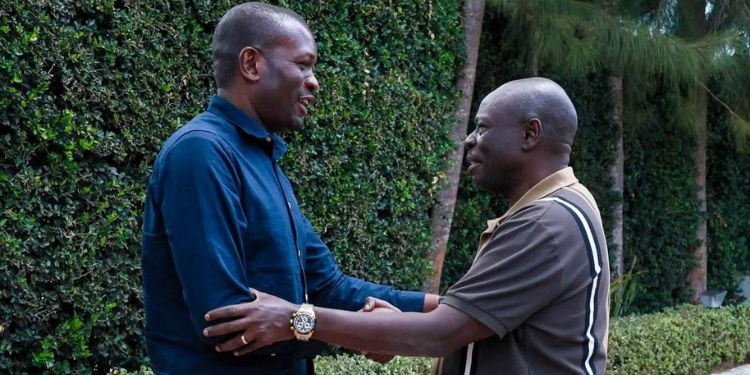 SIFUNA-GACHAGUA TAG TEAM TAKES SHAPE AFTER FORMER DP’S LOW-KEY RETURN
-
 SON DENOUNCES MACKENZIE, LABELS HIM A MURDERER
-
 KENYANS MARK 63RD MASHUJAA DAY
PRESIDENT RUTO SIGNS FINANCE BILL 2025 AND APPROPRIATION BILL INTO LAW
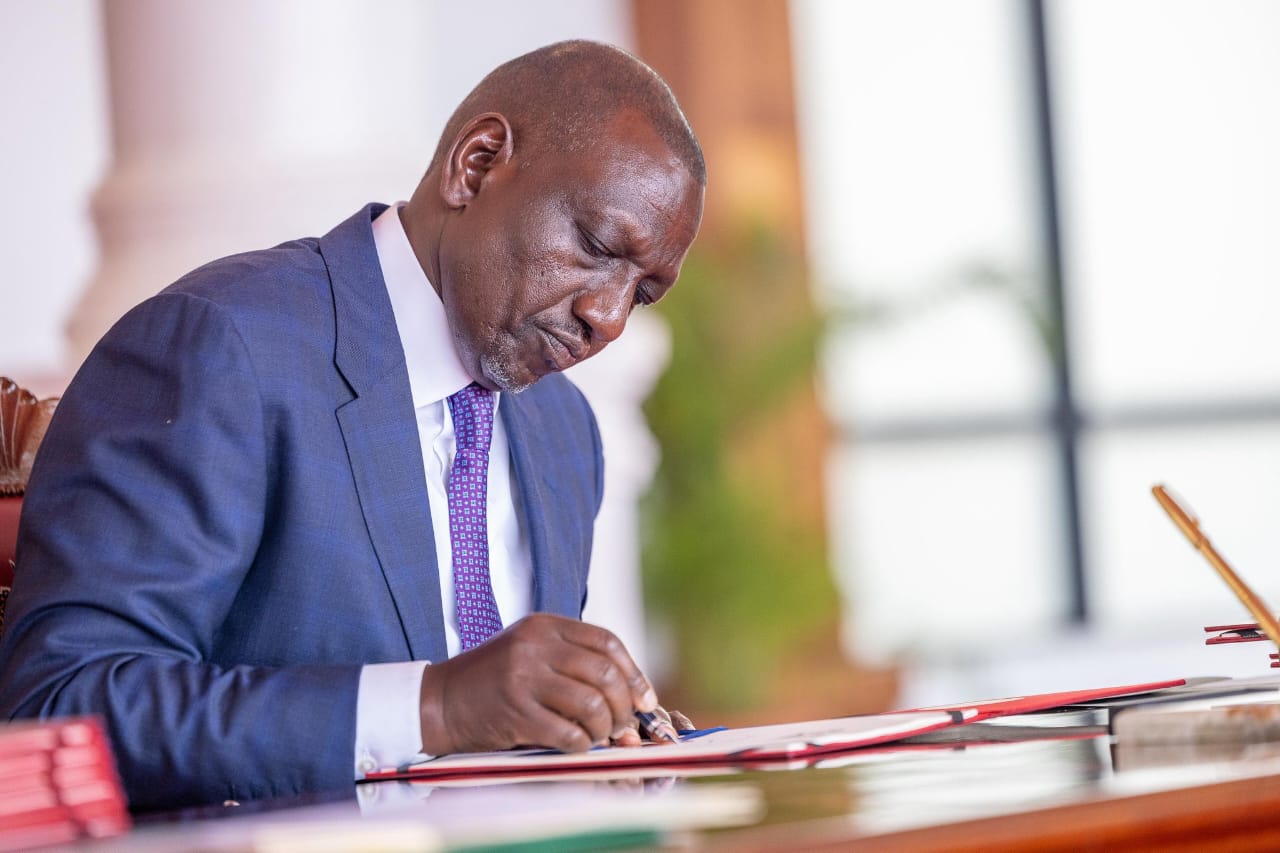
President William Ruto has officially signed the Finance Bill 2025 and the Appropriation Bill 2025 into law, marking the beginning of the 2025/2026 financial year.
The signing took place at State House Nairobi on Wednesday, June 26, just days after the National Assembly passed the budget estimates. This move gives the National Treasury the green light to begin implementing the government’s spending plan.
Unlike the controversial Finance Bill 2024, which triggered widespread protests, this year’s version introduces no new taxes. Instead, the government is focusing on enhancing tax compliance and closing revenue leakages to raise an additional KSh 30 billion.
Key highlights of the new law include:
Automatic tax relief for employees, removing the need for manual applications.
An increase in the tax-free daily subsistence allowance from KSh 2,000 to KSh 10,000.
Gratuity on pensions to be tax-exempt.
Mortgage relief expanded to include SACCOs and private loan-financed housing.
Protection of taxpayer data—KRA will now need a court order to access personal financial records.
Repeal of the Digital Asset Tax, replaced by a 5% excise duty on digital asset transaction fees.
Reduced Capital Gains Tax (from 15% to 5%) for large-scale investments under the Nairobi International Financial Centre.
The Appropriation Act authorizes the withdrawal of KSh 1.88 trillion from the Consolidated Fund and an additional KSh 672 billion in Appropriations-in-Aid for use by ministries, departments, and agencies.
The total budget allocation is directed toward key priority areas such as agriculture, education, health, infrastructure, and economic growth—signaling the administration’s shift toward a more development-focused fiscal strategy.
President Ruto emphasized that the new budget reflects his government’s commitment to economic recovery, job creation, and public sector accountability.
Comments (0)
No comments yet. Be the first to comment!