

-
 AMBIА’S ABSURD COURTROOM EXPRESSIONS SPARK UPROAR
-
 OMAH LAY HOSPITALISED AFTER ACCIDENT DURING TOUR REHEARSAL
-
 NJERI MAINA, MURANGO DROP ‘HIT AND RUN’ REAGGAE BANGER
-
 BRUNO THROWS REPENTANT CARRICK UNDER THE BUS
-
 MOSIRIA FIRES SARCASTIC SHOT AT SAKAJA AFTER SACKING
-
 SIFUNA’S 2027 BID DOOMED BY OLD GUARD ALLIANCE- MIGUNA
-
 NE-YO ROCKS AS FANS FUME OVER DISAPPOINTMENT DESPITE COSTLY PAY
-
 STEVO SIMPLE BOY DUMPS WIFE AFTER DNA BOMBSHELL
-
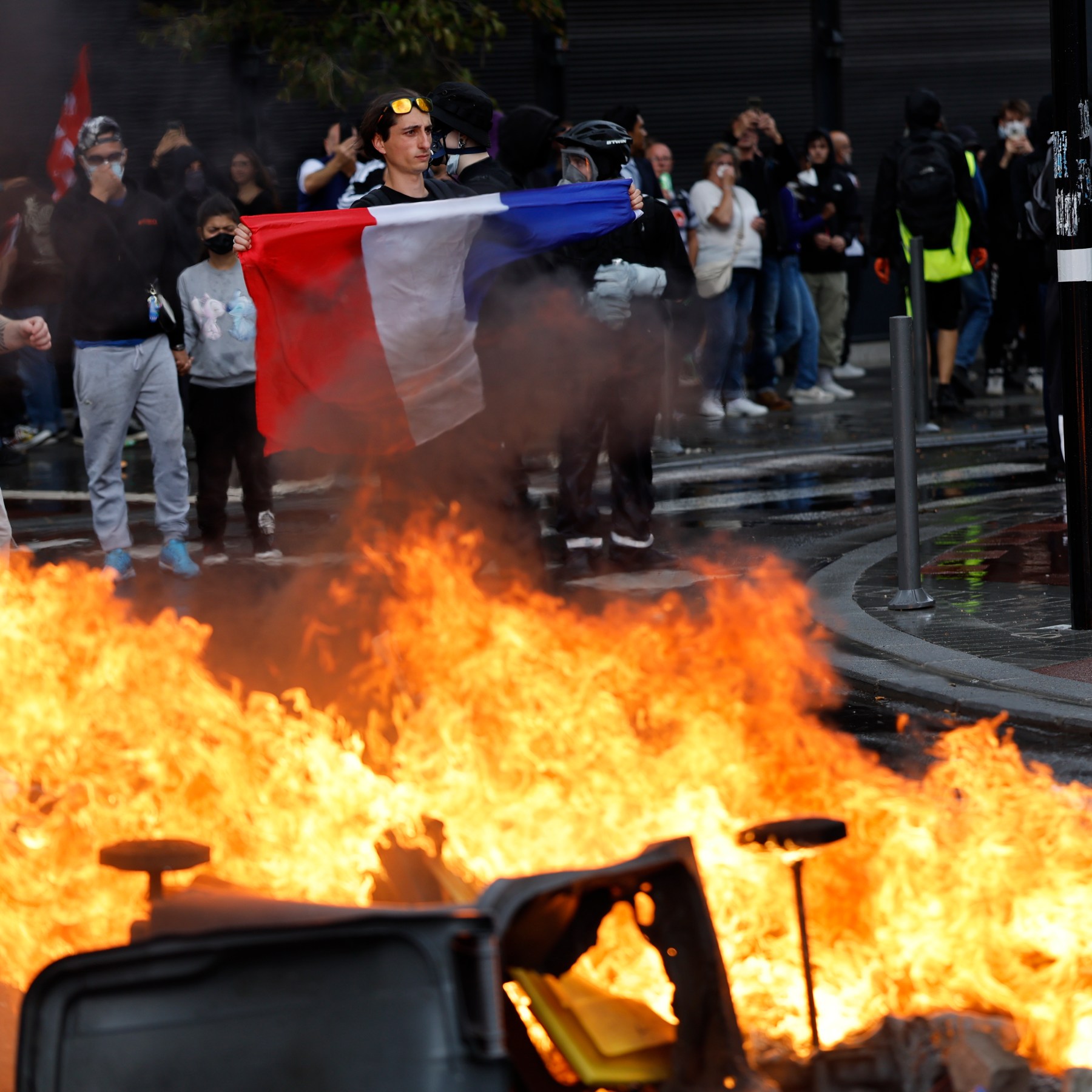 FRANCE IN FLAMES
Public Outcry Over Car Tax
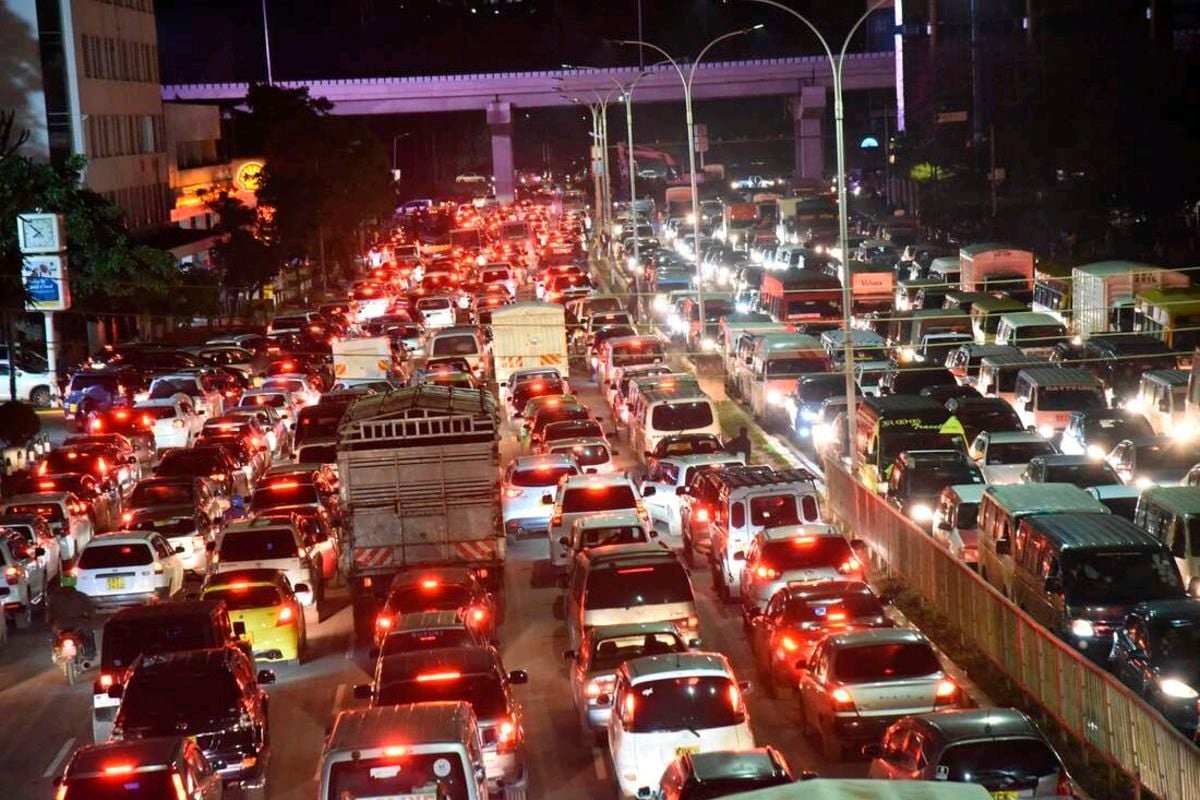
Kenyans have openly shown their frustrations following the government’s proposal to introduce new taxes on all cars through insurance premiums and carbon emissions.
According to reports, the move is aimed at boosting revenue for road maintenance and construction. This comes just months after a controversial fuel tax hike.
According to the National Tolling Policy released on February 11, the government plans to impose additional levies, including an increase in the fuel levy fund, road tolls, and a new tax on insurance premiums.
The policy also adopts the ‘polluter pays’ principle, where high carbon emitters will be taxed to generate more funds for infrastructure projects.
The Ministry of Transport argues that these measures are necessary due to declining revenue from fuel taxes, a trend driven by the growing adoption of electric and fuel-efficient vehicles.
“Despite increased funding to the sector, a significant financing gap for road development and maintenance persists,” the ministry stated in the policy document.
This proposal follows last year’s increase in the Road Maintenance Levy Fund (RMLF) from Ksh7 to Ksh25 per litre of fuel.
However, the government now claims that the RMLF alone is insufficient to sustain road expansion and maintenance, necessitating alternative funding sources.
The draft policy, however, does not specify exact rates for the new taxes. Last year, the government attempted to introduce a motor vehicle tax under the Finance Bill 2024, which would have required motorists to pay 2.5% of their vehicle’s value when acquiring insurance.
The proposal, which set charges between Ksh5,000 and Ksh100,000, was ultimately scrapped following widespread protests.
The reintroduction of similar tax measures has sparked strong opposition, with many Kenyans expressing frustration over the increasing cost of living.
Transport and logistics stakeholders warn that these taxes will further burden businesses and consumers, potentially leading to higher prices for goods and services.

Comments (0)
No comments yet. Be the first to comment!