

-
 MOSIRIA FIRES SARCASTIC SHOT AT SAKAJA AFTER SACKING
-
 SIFUNA’S 2027 BID DOOMED BY OLD GUARD ALLIANCE- MIGUNA
-
 NE-YO ROCKS AS FANS FUME OVER DISAPPOINTMENT DESPITE COSTLY PAY
-
 STEVO SIMPLE BOY DUMPS WIFE AFTER DNA BOMBSHELL
-
 FRANCE IN FLAMES
-
 BABU SALUTES LATE FATHER, MOTHER AND RAILA IN MASHUJAA TRIBUTE
-
 SIFUNA-GACHAGUA TAG TEAM TAKES SHAPE AFTER FORMER DP’S LOW-KEY RETURN
-
 SON DENOUNCES MACKENZIE, LABELS HIM A MURDERER
-
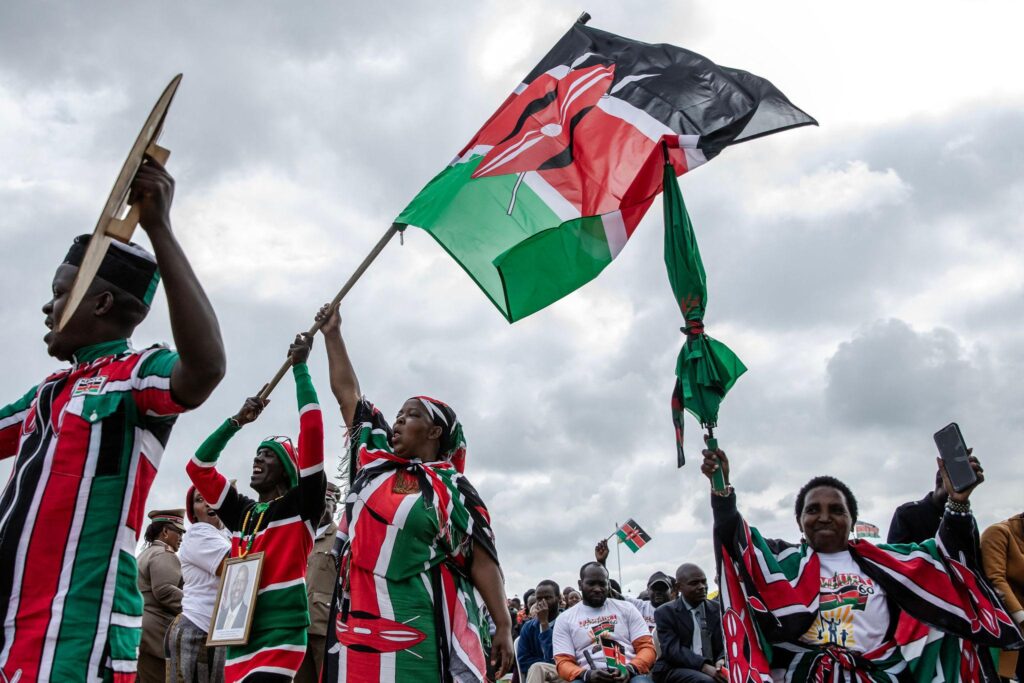 KENYANS MARK 63RD MASHUJAA DAY
Ruto's Prison Reforms: Thousands of Petty Offenders Set Free in Historic Justice Overhaul
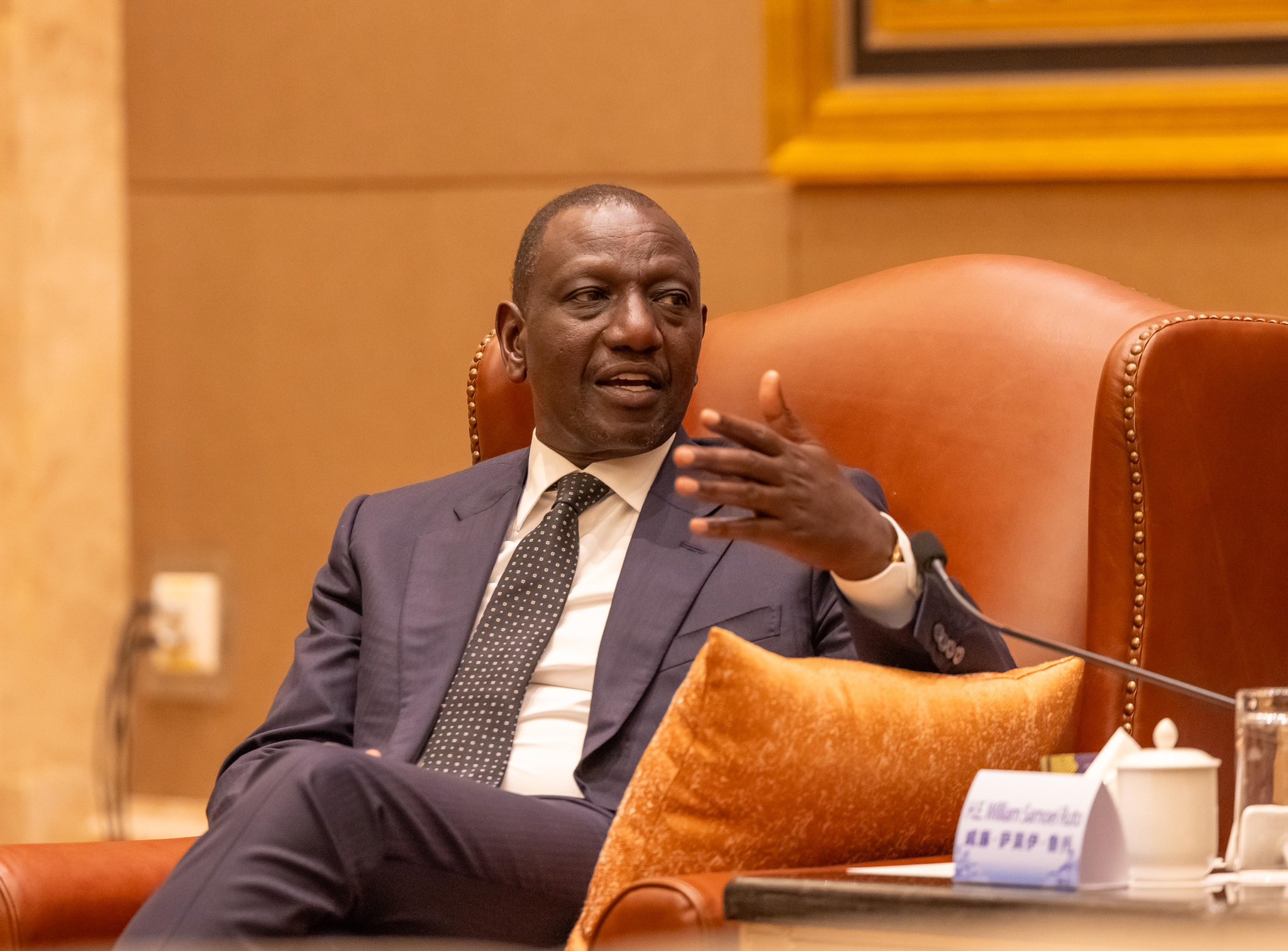
President William Ruto has made a decisive move to overhaul Kenya’s justice system by granting clemency to thousands of inmates, with a focus on petty offenders, in a sweeping effort to decongest the country’s prisons.
The latest round of presidential pardons, issued under the Power of Mercy on April 28, saw 56 long-term inmates — including 31 serving life sentences — released under specific conditions. An additional 25 individuals were granted freedom through the remission of the remainder of their jail terms. Furthermore, a blanket amnesty was issued for all petty offenders serving six-month terms or less, as well as those with less than six months remaining on longer sentences.
This follows similar action in July 2023, when over 5,000 inmates were pardoned, signaling the administration's commitment to prioritizing rehabilitation over incarceration for non-violent crimes.
“These reforms are not just about emptying prisons,” President Ruto stated in a previous address. “They are about restoring dignity, correcting systemic injustices, and giving people another chance.”
The State Department for Correctional Services, led by Principal Secretary Salome Muhia, has so far overseen the release of over 23,000 petty offenders, with a goal of surpassing 35,000. The department is working alongside the Judiciary and other stakeholders to ensure that justice is delivered more fairly, efficiently, and with a greater emphasis on reintegration into society.
Alternative sentencing such as probation and community service orders are being increasingly adopted. In counties like Kiambu, new programs allow minor offenders to serve their punishment through supervised public service, reducing pressure on the correctional system while promoting civic responsibility.
Human rights organizations and legal reform advocates have praised the government’s approach, calling it a long-overdue step toward a more humane justice framework. However, they continue to push for sustained policy changes that address underlying causes of petty crime, including poverty, unemployment, and delayed court processes.
As Kenya reimagines its penal system, the release of petty offenders marks more than a legal shift — it signals a national rethink on justice, equity, and second chances.



Comments (0)
No comments yet. Be the first to comment!