

-
 MOSIRIA FIRES SARCASTIC SHOT AT SAKAJA AFTER SACKING
-
 SIFUNA’S 2027 BID DOOMED BY OLD GUARD ALLIANCE- MIGUNA
-
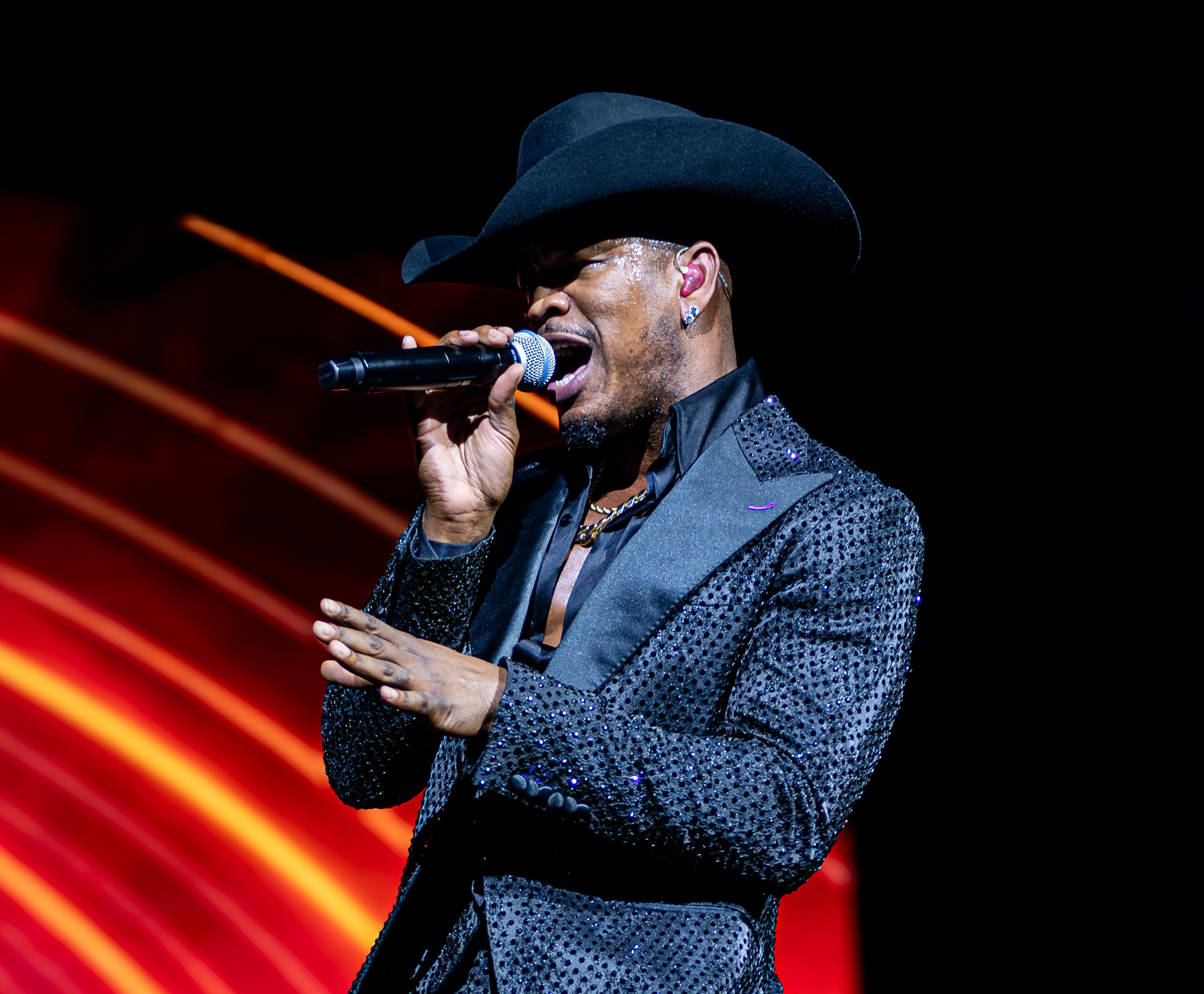 NE-YO ROCKS AS FANS FUME OVER DISAPPOINTMENT DESPITE COSTLY PAY
-
 STEVO SIMPLE BOY DUMPS WIFE AFTER DNA BOMBSHELL
-
 FRANCE IN FLAMES
-
 BABU SALUTES LATE FATHER, MOTHER AND RAILA IN MASHUJAA TRIBUTE
-
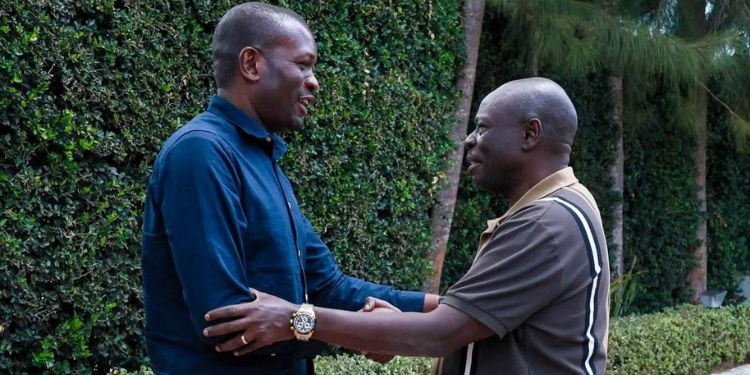 SIFUNA-GACHAGUA TAG TEAM TAKES SHAPE AFTER FORMER DP’S LOW-KEY RETURN
-
 SON DENOUNCES MACKENZIE, LABELS HIM A MURDERER
-
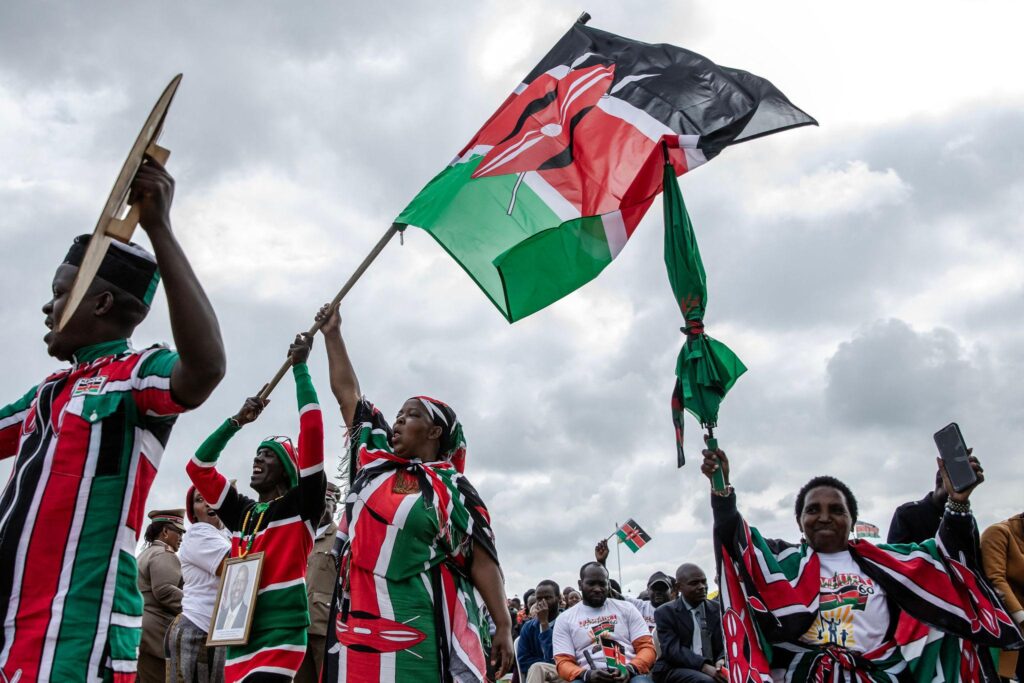 KENYANS MARK 63RD MASHUJAA DAY
SAKAJA DEFENDS KSH 9.2 BILLION BUDGET AMID NAIROBI WATER LOSSES PROBE

Nairobi Governor Johnson Sakaja has defended the county’s Ksh 9.2 billion budget for the Nairobi City Water and Sewerage Company (NCWSC) amid growing scrutiny over massive water losses in the capital.
Appearing before the Senate’s Public Investments and Special Funds Committee, Sakaja explained that the budget is intended to address deep-rooted challenges in Nairobi’s water distribution system. The probe follows revelations that the county loses up to 51% of its water supply, translating to about Ksh 8.6 billion annually, due to leaks, illegal connections, and faulty infrastructure.
Sakaja blamed the high losses on “aged and neglected” infrastructure, and said part of the budget will fund the sealing of meters, leak detection efforts, and rehabilitation of pipelines. He also cited ongoing development support from France’s AFD and other partners to boost water delivery capacity.
Despite the losses, Nairobi Water posted a record Ksh 11.7 billion in revenue for the 2024/25 financial year, up from Ksh 8 billion prior to 2022. Sakaja credited reforms such as digitization, new metering systems, and improved enforcement mechanisms for the growth.
However, senators raised concerns over NCWSC’s rising operational costs, particularly the ballooning wage bill which consumes 65% of the utility’s revenue—far above the recommended 35%. The governor pledged reforms including a hiring freeze, decentralization of operations to reduce overtime, and a proposed tariff adjustment awaiting approval from the Water Services Regulatory Board (WASREB).
Senator Edwin Sifuna also pressed Sakaja on the utility’s Ksh 11 billion in unpaid bills, with most receivables dating back over a year. In response, Sakaja said measures are underway to enhance debt recovery, including GIS-based billing, legal action on large accounts, and backbilling of nearly 2,000 previously unbilled consumers.
The probe comes as Kenya grapples with national water losses estimated at 44%, costing the country more than Ksh 12 billion annually. Authorities are now embracing smart technologies to reduce losses and improve billing accuracy.
“This budget is a lifeline—not just to fix the pipes but to secure Nairobi’s water future,” Sakaja told the Senate panel.
Comments (0)
No comments yet. Be the first to comment!