

-
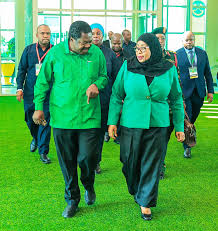 TANZANIA VP RESIGNS AMID SPECULATION OVER STRAIN WITH PRESIDENT SULUHU
-
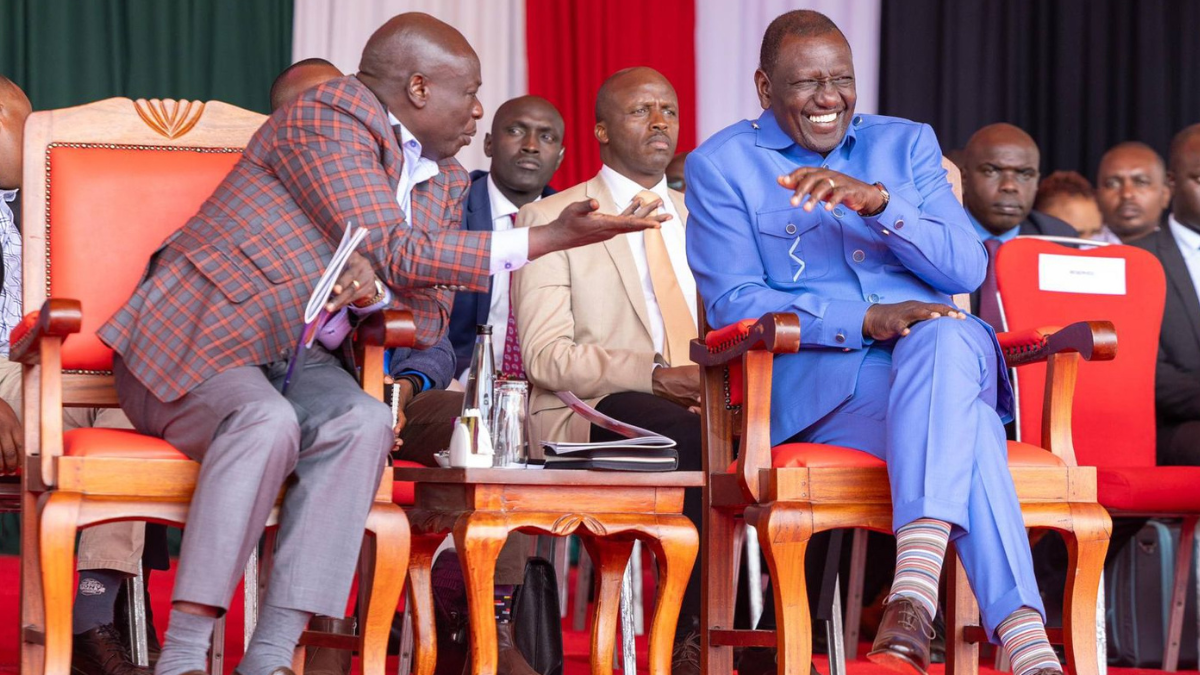 RUTO, GACHAGUA DRAW THE LINE ON 2027 DEAL
-
 TREVOR, DJ SHITI TRADE BARBS OVER HEHA MOVERS MANAGEMENT
-
 IEBC BANS CAMPAIGNS BEFORE MAY 29, 2027
-
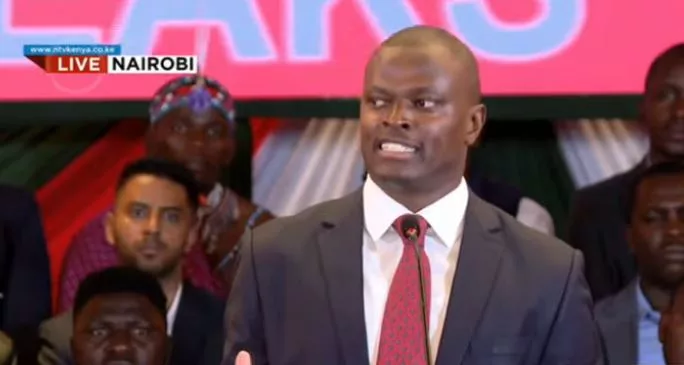 Ndindi Nyoro joins opposition after UDA exit
-
 RONALDO AND GEORGINA FLAUNT WEDDING RINGS
-
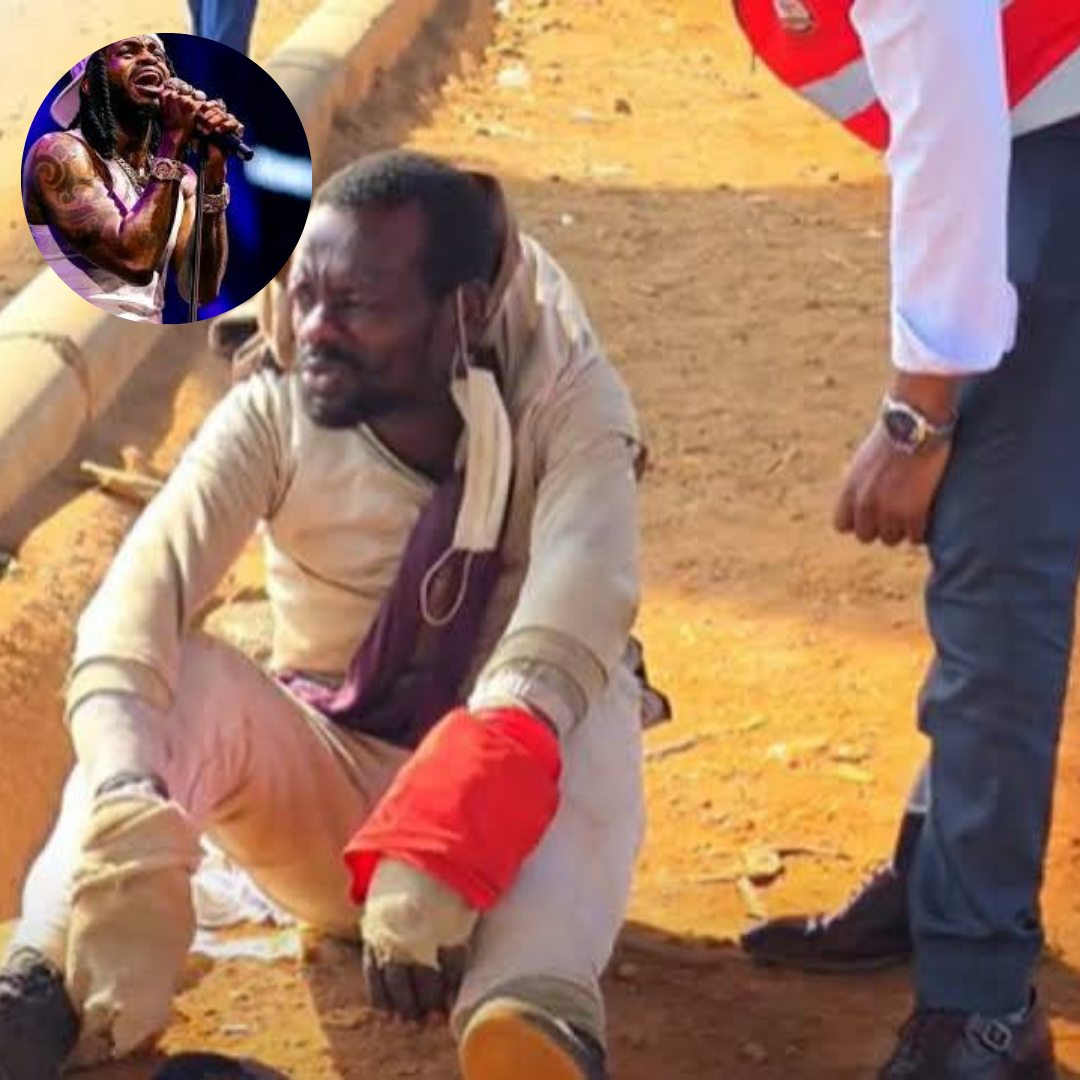 DIAMOND’S FORMER DJ RESCUED FROM STREETS
-
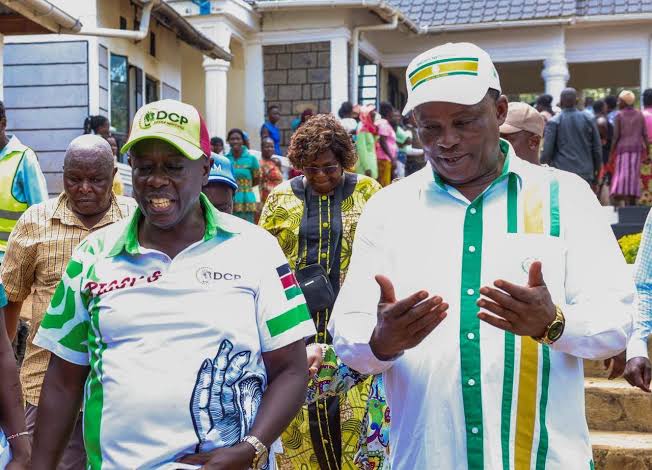 MUTURI REJECTS GACHAGUA’S ‘HYENA COALITION’
-
 YUNGE’S ALLEGED EX CRIES FOUL AFTER CHARLENE’S WEDDING
SAKAJA WILL BE IMPEACHED NEXT WEEK - ALAI
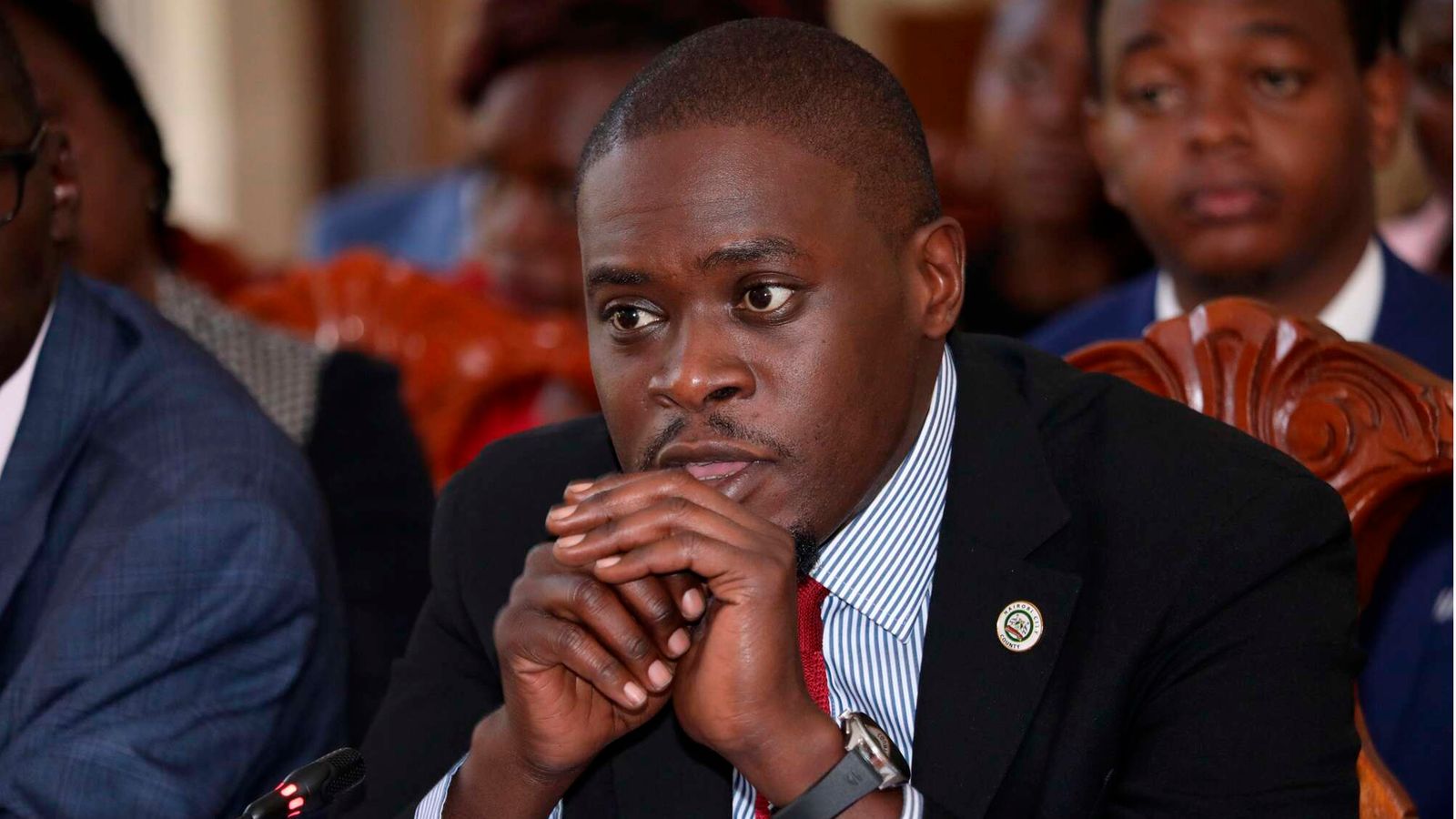
Nairobi Governor, Johnson Sakaja is facing renewed political danger after a section of Members of the County Assembly declared plans to impeach him, reopening a power struggle that threatens his grip on City Hall.
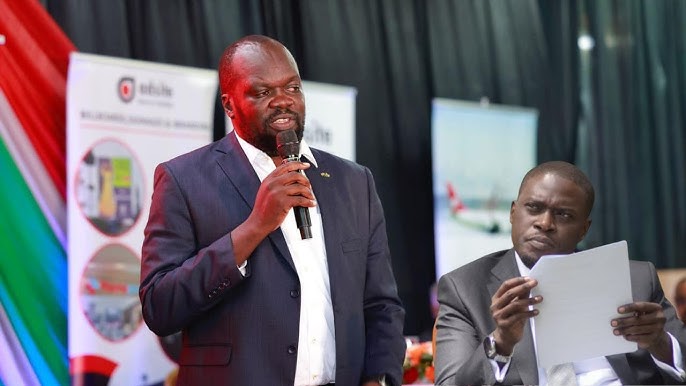
The fresh removal push is being led by Kileleshwa MCA , Robert Alai, who says enough MCAs have backed the motion and that the process will formally begin within days.
“We already have 55 signatures. We need only 42 signatures to ensure that the motion is presented before the county assembly. I think we have enough numbers. The threshold has already been hit. By next week, we will file the motion to remove the governor of Nairobi,” Alai said.
If tabled, the motion would mark the most serious political test Sakaja has faced since assuming office in 2022.
The impeachment threat reflects growing friction between the governor and sections of the county assembly. Some MCAs have expressed dissatisfaction with how the administration is handling county affairs, accusing it of sidelining elected ward representatives and falling short in delivering services.
Among the concerns raised are poor road conditions in several estates, delays in development projects, and ongoing waste management challenges in parts of the capital.
The tensions have gradually built up over months, creating an increasingly strained working relationship between the executive and the assembly.
The impeachment push now signals that the political fallout has reached a critical stage.
This is not the first time Sakaja has come close to losing his seat. In September 2025, a similar impeachment attempt was halted after intervention by President William Ruto and opposition leader Raila Odinga.
Both leaders held separate meetings with MCAs aligned to their respective political sides, urging them to abandon the removal plan and instead pursue dialogue.
The intervention cooled political temperatures and allowed Sakaja to remain in office, but it did little to resolve the underlying disputes that continue to simmer within the assembly.
The current political storm has intensified following a Sh80 billion cooperation agreement between Nairobi County and the national government.
Supporters of the agreement say the partnership is intended to accelerate infrastructure development, improve service delivery, and address long-standing urban challenges in Kenya’s capital.
They argue that Nairobi’s financial limitations make collaboration with the national government necessary to meet the needs of its rapidly growing population.
However, critics — including some MCAs — view the deal differently. They argue it risks weakening the county’s independence by increasing national government influence over devolved functions.
The debate has revived memories of the Nairobi Metropolitan Services era, when key county responsibilities were temporarily transferred to national authorities, a move that generated significant political and legal controversy.
Despite the impeachment push, Sakaja continues to enjoy support from another group of MCAs who have defended both his leadership and the cooperation agreement.
In a joint statement issued on February 19, 2026, MCAs led by Waithaka ward representative Anthony Kiragu and Minority Leader Lawrence Odhiambo dismissed reports of an impeachment plot and urged residents to focus on development.
They argued that Nairobi’s current budget is insufficient to fully support the city’s infrastructure and service needs, and that partnerships with the national government offer an opportunity to bridge that gap.
Sakaja was elected governor in 2022 on a platform of reform, promising to restore order at City Hall, improve revenue collection, and address corruption networks that had long undermined service delivery.
His administration has introduced several initiatives, including the School Feeding Programme aimed at supporting learners in public primary schools.
However, his tenure has also been marked by persistent governance challenges, including managing political divisions within the county assembly, addressing public expectations on service delivery, and improving infrastructure, waste collection, and drainage systems across the city. These ongoing pressures have contributed to recurring political tensions and instability at City Hall.
Sakaja’s situation reflects a broader pattern of instability that has defined Nairobi’s top office for years.
His predecessor, Mike Sonko, was impeached in December 2020 following accusations of gross misconduct and abuse of office, becoming the first Nairobi governor to be removed through impeachment.
Before him, Evans Kidero served a full term but faced investigations and political pressure that weakened his administration and contributed to his electoral defeat in 2017.
After Sonko’s removal, Anne Kananu took over and served the remainder of the term before Sakaja was elected.
The pattern has reinforced Nairobi’s reputation as one of the most politically challenging and unstable county leadership positions in Kenya.
With impeachment preparations underway once again, Sakaja’s political future now depends largely on whether his allies can block the motion or whether his opponents secure enough support to push it through.
Comments (0)
No comments yet. Be the first to comment!