

-
 MOSIRIA FIRES SARCASTIC SHOT AT SAKAJA AFTER SACKING
-
 SIFUNA’S 2027 BID DOOMED BY OLD GUARD ALLIANCE- MIGUNA
-
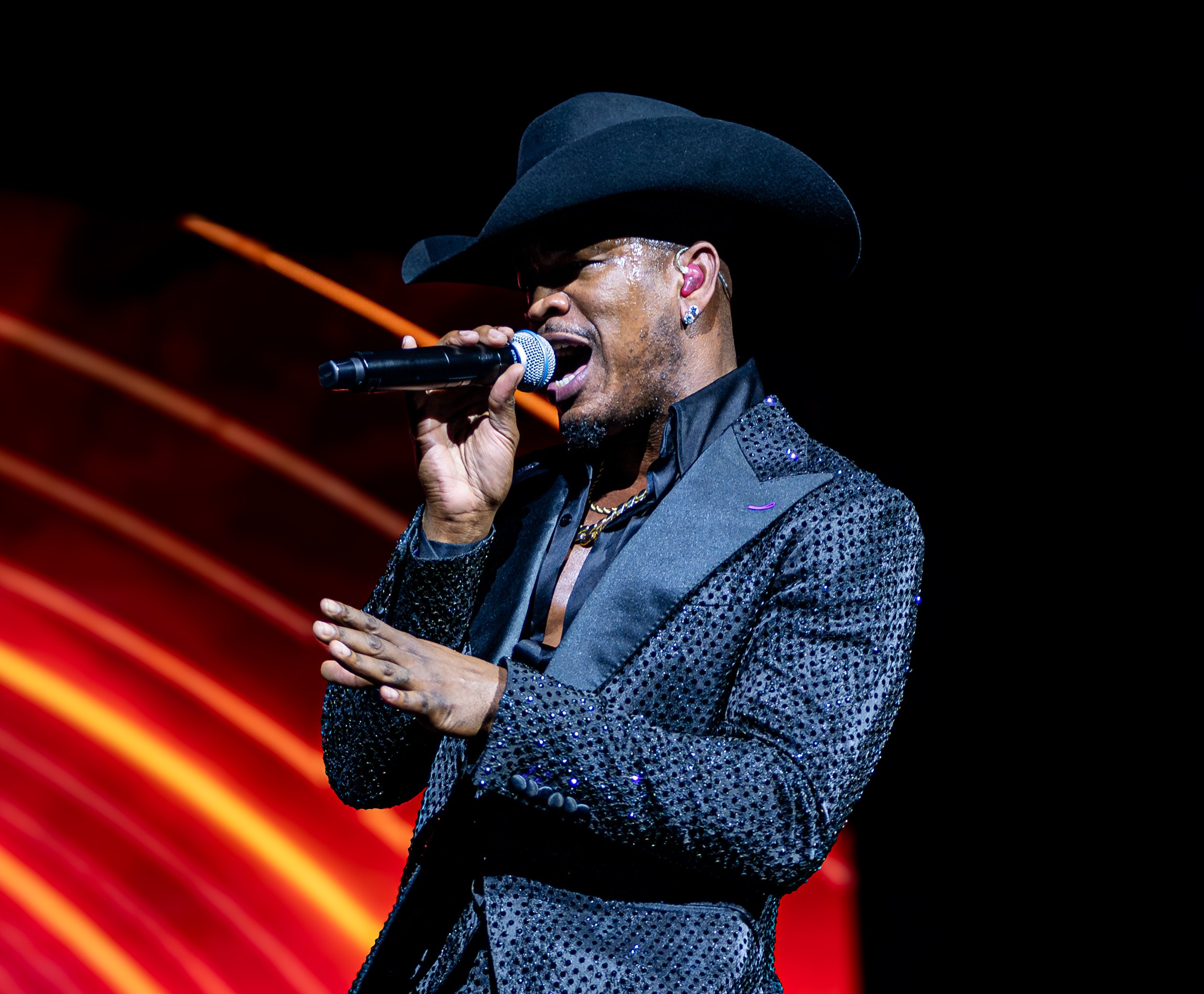 NE-YO ROCKS AS FANS FUME OVER DISAPPOINTMENT DESPITE COSTLY PAY
-
 STEVO SIMPLE BOY DUMPS WIFE AFTER DNA BOMBSHELL
-
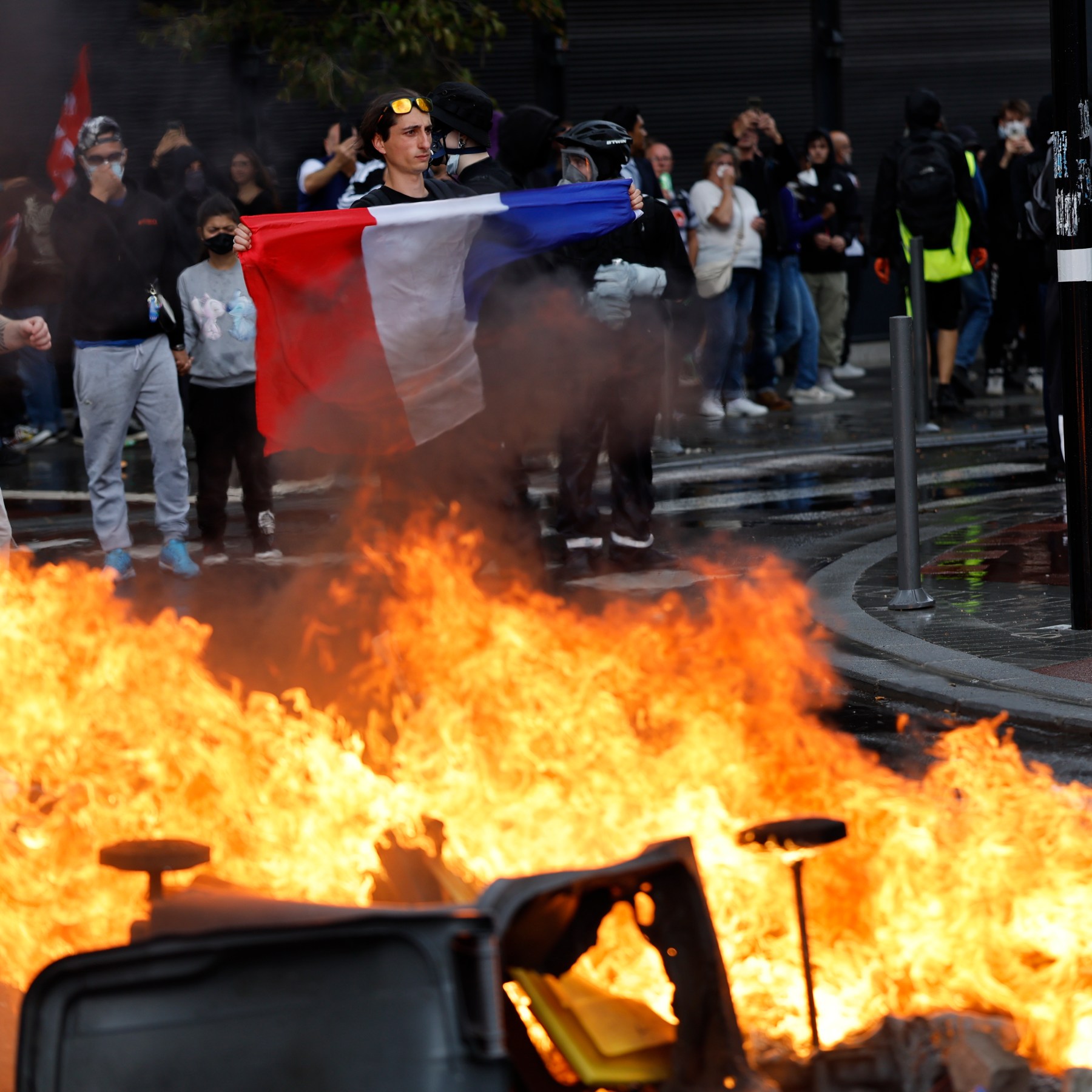 FRANCE IN FLAMES
-
 BABU SALUTES LATE FATHER, MOTHER AND RAILA IN MASHUJAA TRIBUTE
-
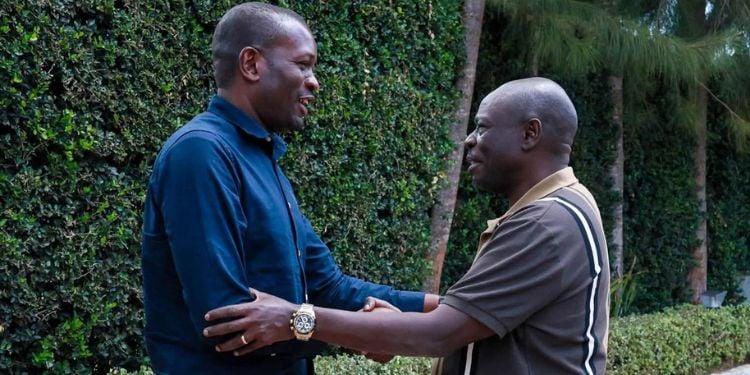 SIFUNA-GACHAGUA TAG TEAM TAKES SHAPE AFTER FORMER DP’S LOW-KEY RETURN
-
 SON DENOUNCES MACKENZIE, LABELS HIM A MURDERER
-
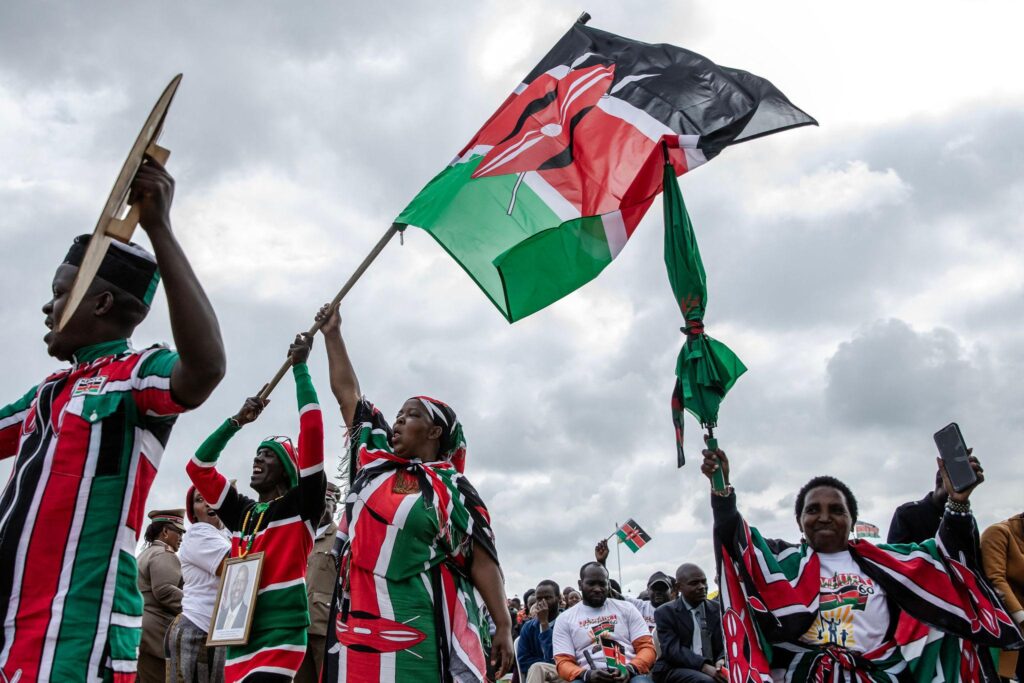 KENYANS MARK 63RD MASHUJAA DAY
SAMIA DEFEATS SULUHU WITH A 98% VICTORY

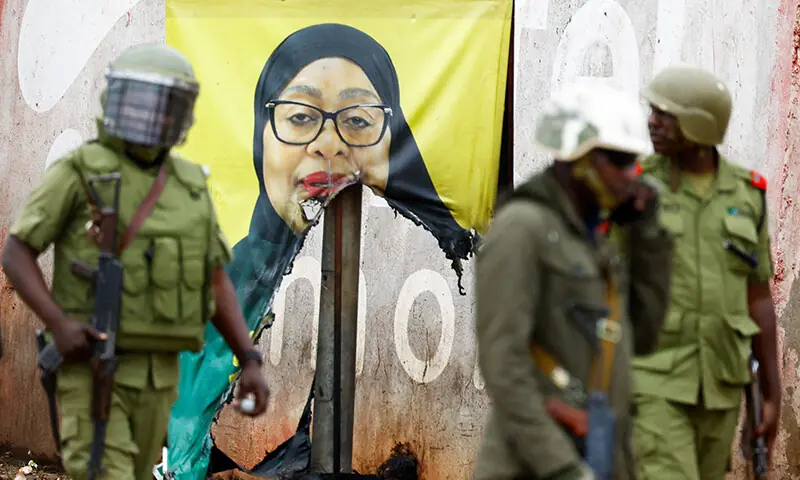
President Samia Suluhu Hassan has been declared the winner of Tanzania’s disputed presidential election, securing an overwhelming 98% of the vote in a poll marred by unrest, opposition crackdowns, and reports of widespread human rights violations.
The National Electoral Commission (NEC) announced on Saturday that Hassan, the leader of the long-ruling Chama Cha Mapinduzi (CCM) party, garnered 31.9 million votes out of the 32 million cast, with voter turnout estimated at 87% of the country’s 37.6 million registered voters. The result effectively extends CCM’s six-decade dominance in Tanzanian politics.
“I hereby declare Samia Suluhu Hassan as the duly elected President of the United Republic of Tanzania,” said Jacobs Mwambegele, chairperson of the NEC, during the official announcement in Dodoma.
The landslide victory follows days of violent protests that swept across major cities including Dar es Salaam, Arusha, Mwanza, and Dodoma, as demonstrators denounced the election as neither free nor fair.
According to opposition groups, security forces responded to the unrest with excessive force, leaving hundreds of people feared dead and scores injured. The United Nations Human Rights Office confirmed “credible reports” of at least 10 fatalities in three cities but said the true figure could be significantly higher.
“We are deeply concerned about the situation in Tanzania, including reports of deaths and injuries during demonstrations,” said UN Secretary-General António Guterres in a statement urging restraint and dialogue.
The UK, Canada, and Norway have issued similar statements condemning the violence and calling for independent investigations into the alleged killings and disappearances.
The build-up to the October 29 election was marked by a systematic suppression of opposition voices. Two of Hassan’s main challengers—Tundu Lissu, the detained vice-chair of the Chadema party, and Luhaga Mpina, leader of ACT-Wazalendo—were barred from running on what critics called politically motivated grounds.
Chadema had earlier announced it would boycott the polls unless the electoral system was reformed. Its leadership accused the government of orchestrating “a wave of terror,” citing the arrests, abductions, and harassment of activists and journalists.
In June, a UN panel of human rights experts documented over 200 cases of enforced disappearances in Tanzania since 2019, warning of an entrenched “pattern of repression” against dissenting voices.
Following the violence, the government imposed a nationwide curfew from 6 PM and maintained an internet shutdown, making it difficult to verify casualty figures or monitor developments.
In the commercial hub of Dar es Salaam, soldiers and police officers mounted heavy roadblocks and patrolled major intersections. By Saturday morning, the streets were tense but largely calm as security forces remained on high alert.
Foreign Minister Mahmoud Kombo Thabit downplayed the scale of the unrest, describing it as “a few isolated pockets of incidents” and insisting that “security forces acted swiftly and decisively to restore order.”
In the semi-autonomous region of Zanzibar, CCM’s Hussein Mwinyi also won re-election, securing about 80% of the vote, according to regional officials. The opposition, however, alleged “massive fraud,” particularly in voter rolls and ballot counting.
President Hassan, who made history in 2021 as Tanzania’s first female president following the death of John Magufuli, now faces the challenge of pacifying the hearts of a nation which was widely regarded as poised and calm.
Her administration has been credited with softening some of Magufuli’s hardline policies, yet rights groups argue that her government has reverted to the same authoritarian tactics that once defined her predecessor’s rule.
Observers say the 98% margin—reminiscent of results seen in tightly controlled states—raises questions about electoral transparency in one of East Africa’s largest democracies.
Despite the controversy, Hassan is set to be sworn in for another five-year term next week in Dodoma, as her party maintains firm control over both parliament and regional governments.

Comments (0)
No comments yet. Be the first to comment!