

-
 MOSIRIA FIRES SARCASTIC SHOT AT SAKAJA AFTER SACKING
-
 SIFUNA’S 2027 BID DOOMED BY OLD GUARD ALLIANCE- MIGUNA
-
 NE-YO ROCKS AS FANS FUME OVER DISAPPOINTMENT DESPITE COSTLY PAY
-
 STEVO SIMPLE BOY DUMPS WIFE AFTER DNA BOMBSHELL
-
 FRANCE IN FLAMES
-
 BABU SALUTES LATE FATHER, MOTHER AND RAILA IN MASHUJAA TRIBUTE
-
 SIFUNA-GACHAGUA TAG TEAM TAKES SHAPE AFTER FORMER DP’S LOW-KEY RETURN
-
 SON DENOUNCES MACKENZIE, LABELS HIM A MURDERER
-
 KENYANS MARK 63RD MASHUJAA DAY
SENATE PASSES TRUMP'S DOGE TAX CUT, SENDS IT TO THE HOUSE AS DEADLINE LOOMS
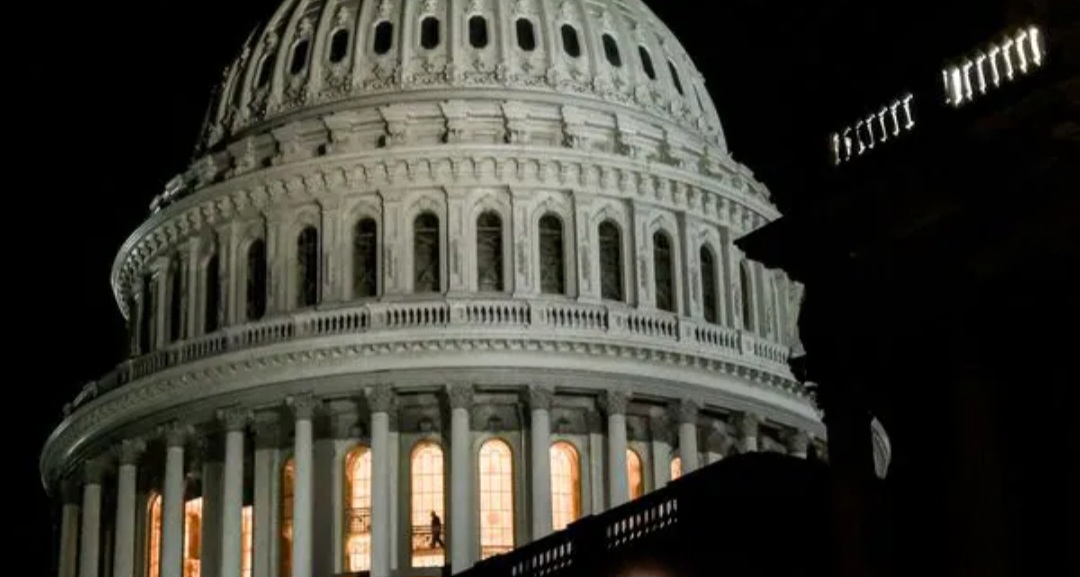
The U.S. Senate has narrowly passed former President Donald Trump's controversial $9 billion DOGE tax-cut and spending rescission package, intensifying pressure on the House of Representatives to approve the measure before a looming Friday deadline.
The Senate voted 51–48 in favor of the bill late Wednesday night, with Vice President J.D. Vance casting the tie-breaking vote. The legislation, officially branded under Trump’s Department of Government Efficiency (DOGE), proposes sweeping cuts to foreign aid programs and public broadcasting—most notably slashing funds to the Corporation for Public Broadcasting, which supports NPR and PBS.
Approximately $8 billion of the proposed cuts target foreign aid, while $1.1 billion would be removed from domestic programs including public media and climate-related research. Global health initiatives like PEPFAR survived the Senate version following bipartisan concerns about their potential removal.
Having cleared the Senate, the package now returns to the House of Representatives, which initially passed an earlier version last month in a tight 214–212 vote. Any changes made in the Senate, however, must be reconciled in the House by Friday, July 18, or the targeted funds will be automatically released as originally appropriated.
The DOGE cuts have become a political litmus test for Republican lawmakers. Trump has warned that GOP members opposing the bill may lose his endorsement ahead of the 2026 midterms. Several moderate Republicans, including Senators Lisa Murkowski and Susan Collins, voted against the proposal, citing concerns over weakened congressional oversight and harm to public services.
As the deadline looms, all eyes now turn to the House, where the outcome remains uncertain.

Comments (0)
No comments yet. Be the first to comment!