

-
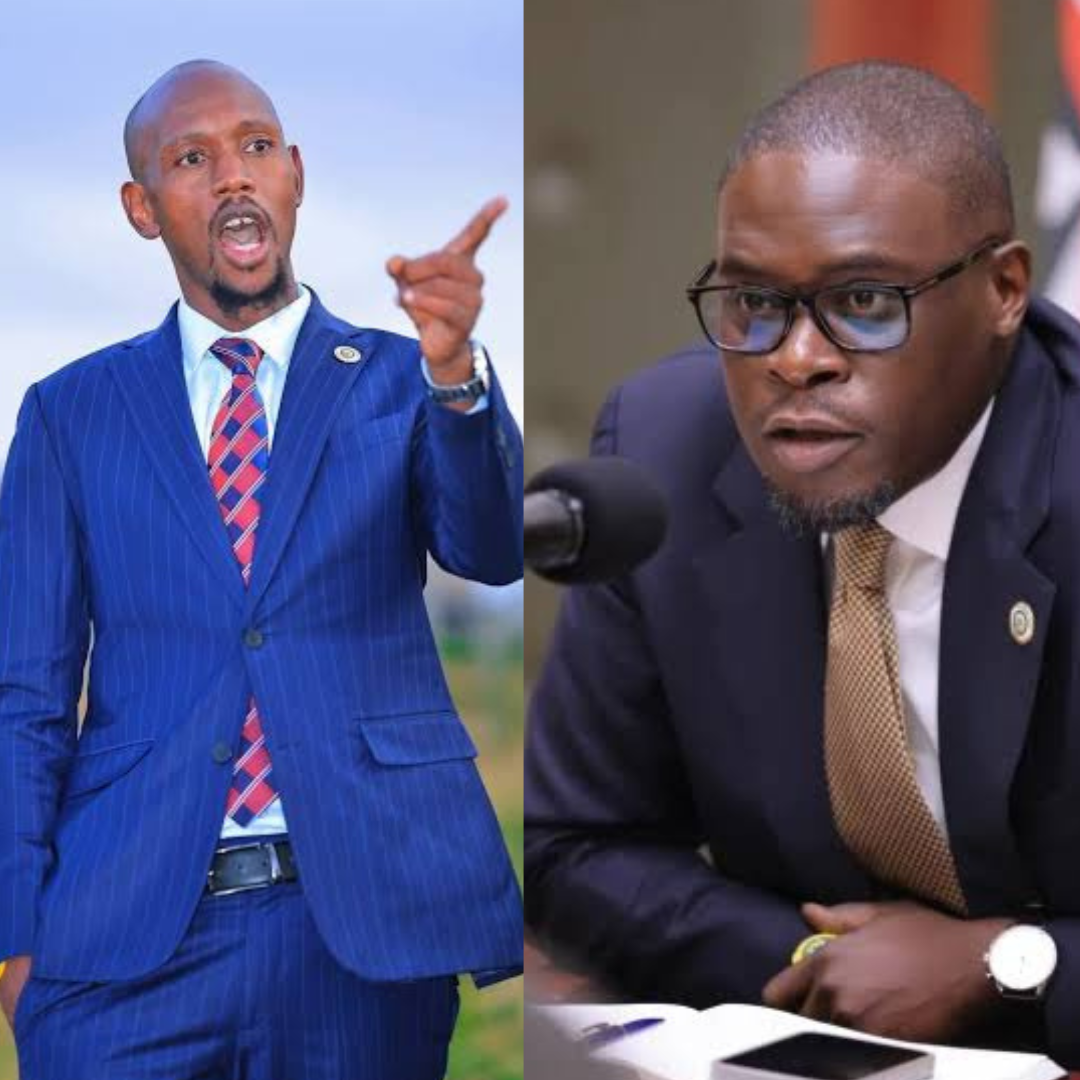 MOSIRIA FIRES SARCASTIC SHOT AT SAKAJA AFTER SACKING
-
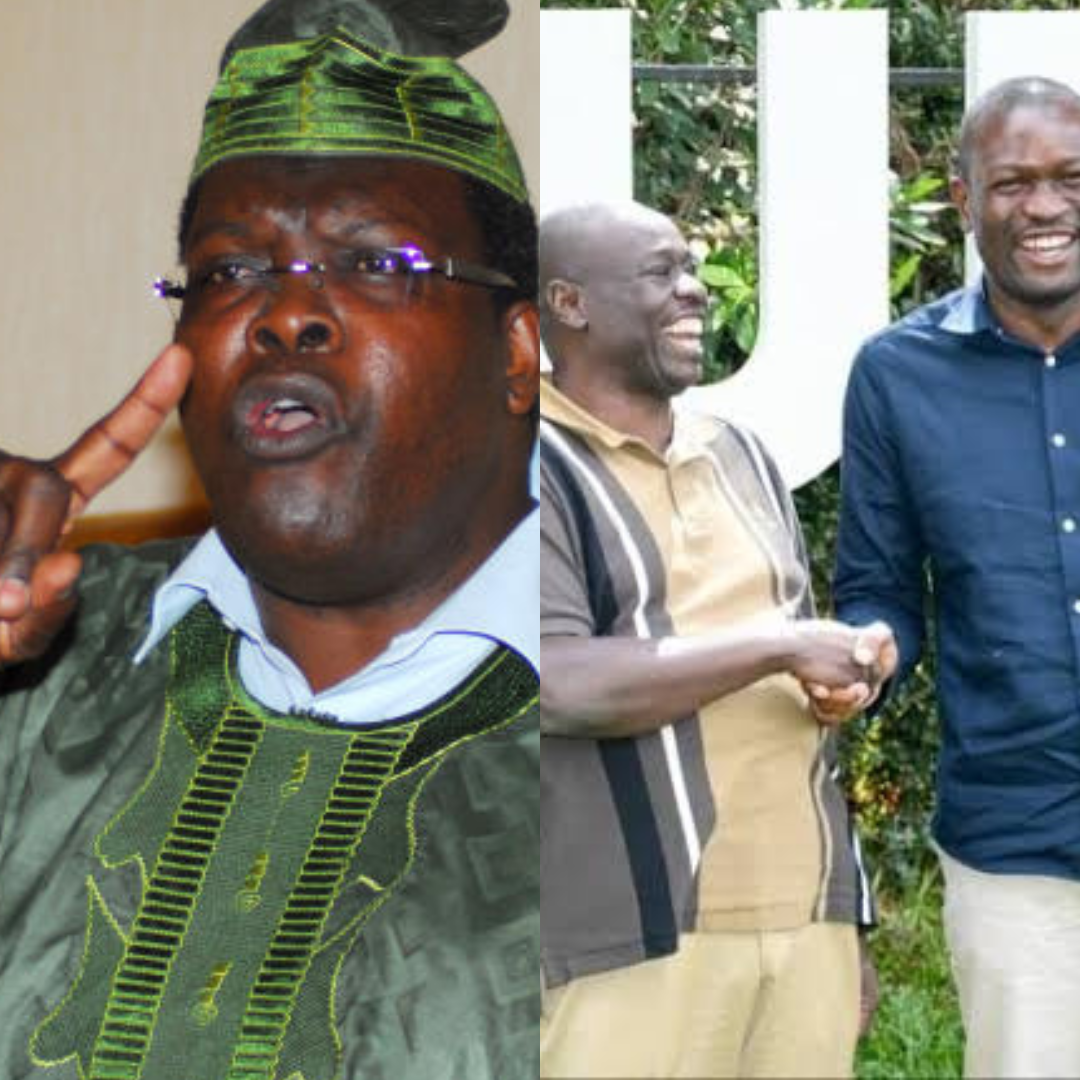 SIFUNA’S 2027 BID DOOMED BY OLD GUARD ALLIANCE- MIGUNA
-
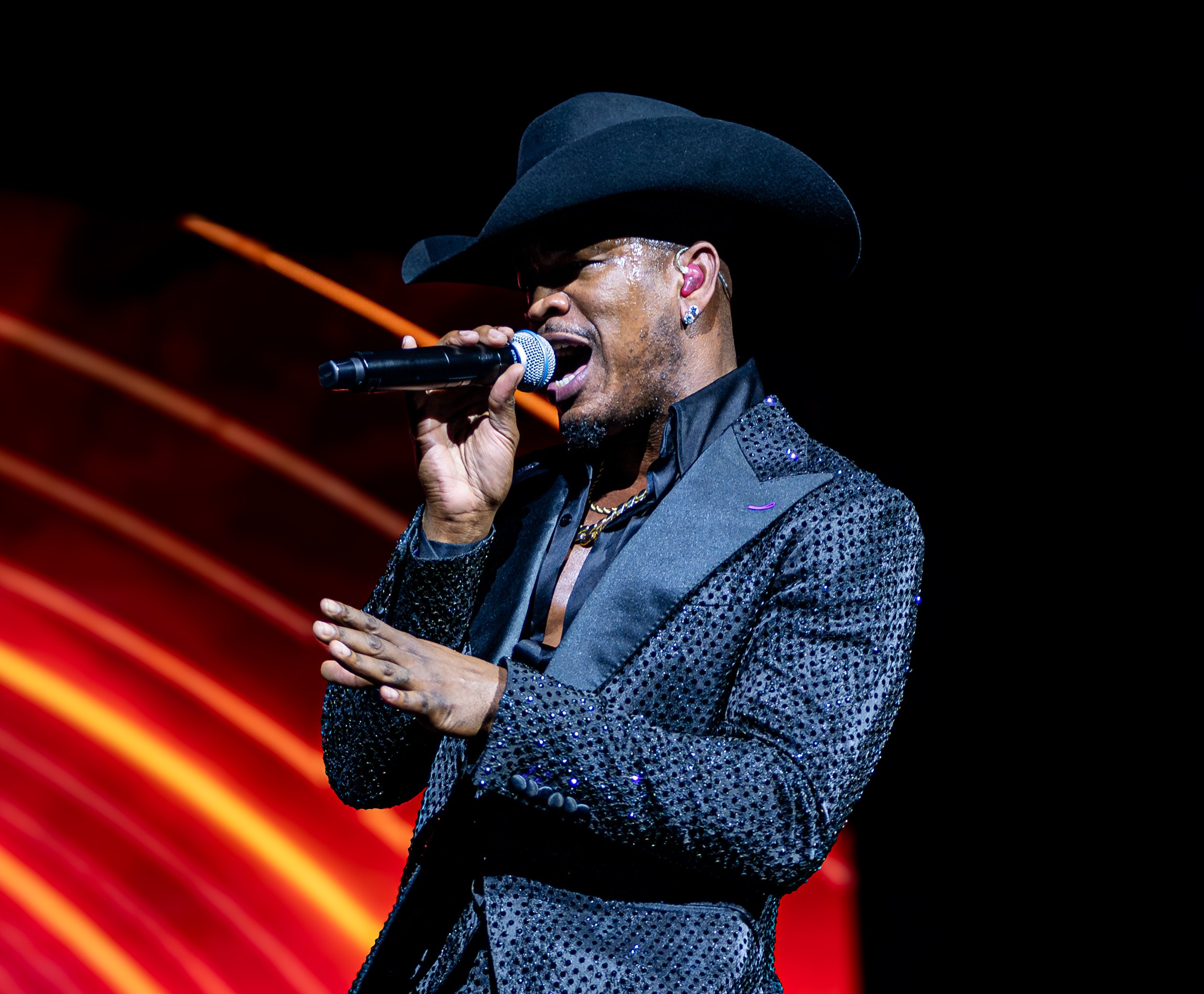 NE-YO ROCKS AS FANS FUME OVER DISAPPOINTMENT DESPITE COSTLY PAY
-
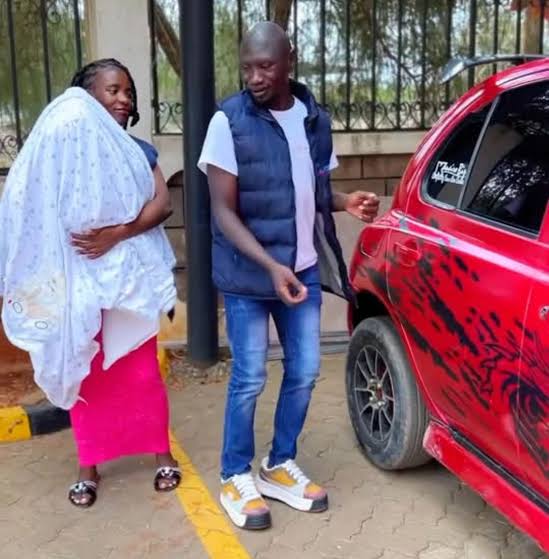 STEVO SIMPLE BOY DUMPS WIFE AFTER DNA BOMBSHELL
-
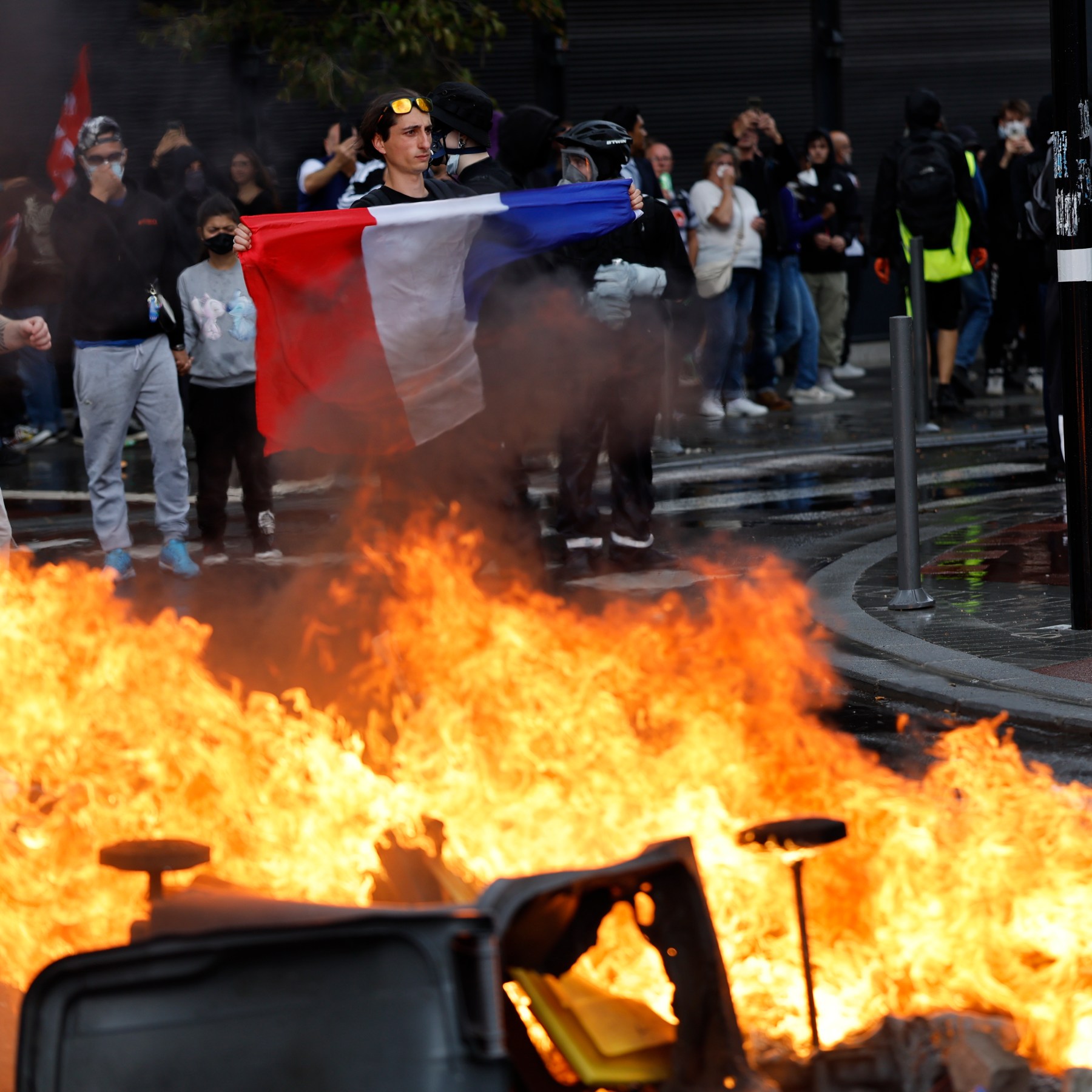 FRANCE IN FLAMES
-
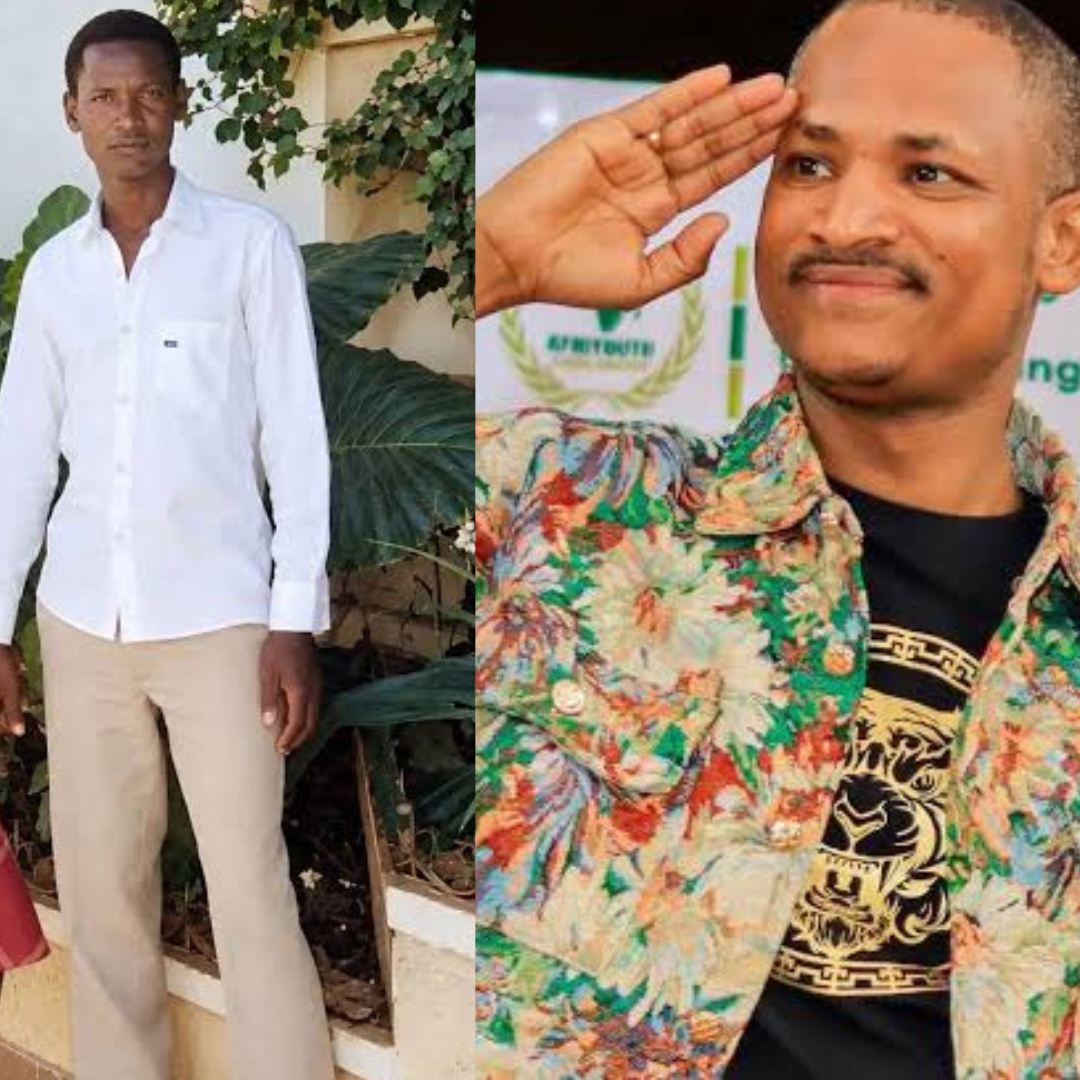 BABU SALUTES LATE FATHER, MOTHER AND RAILA IN MASHUJAA TRIBUTE
-
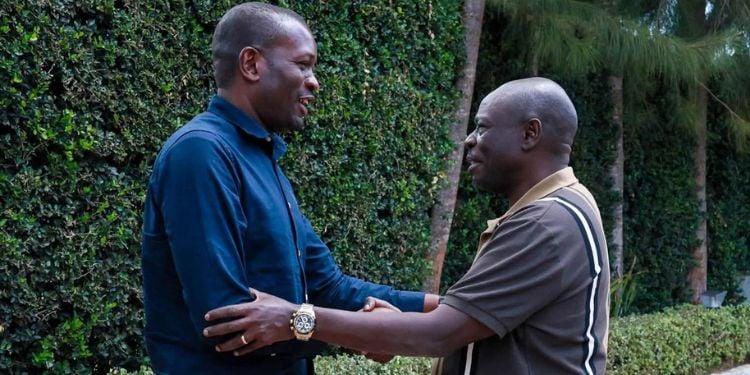 SIFUNA-GACHAGUA TAG TEAM TAKES SHAPE AFTER FORMER DP’S LOW-KEY RETURN
-
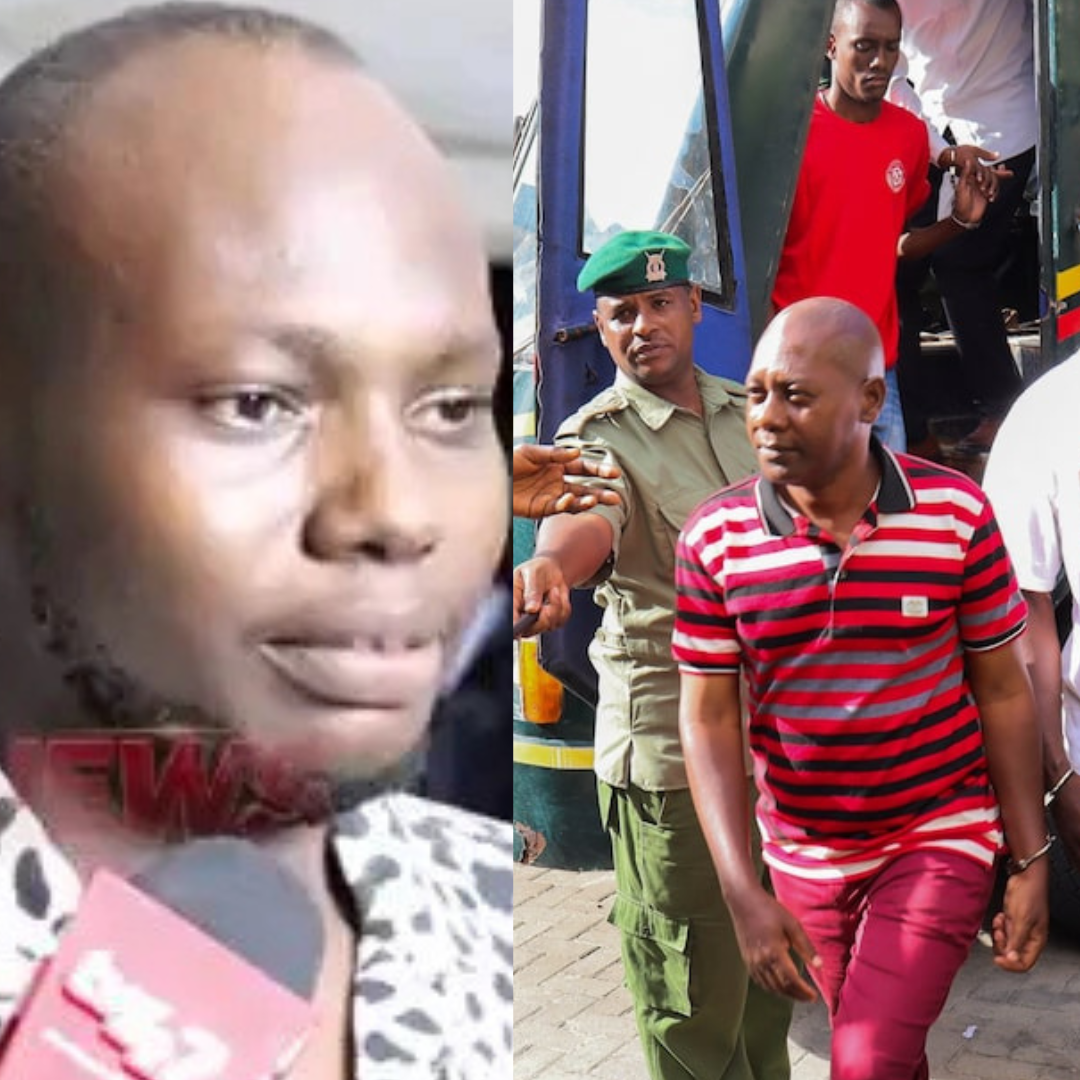 SON DENOUNCES MACKENZIE, LABELS HIM A MURDERER
-
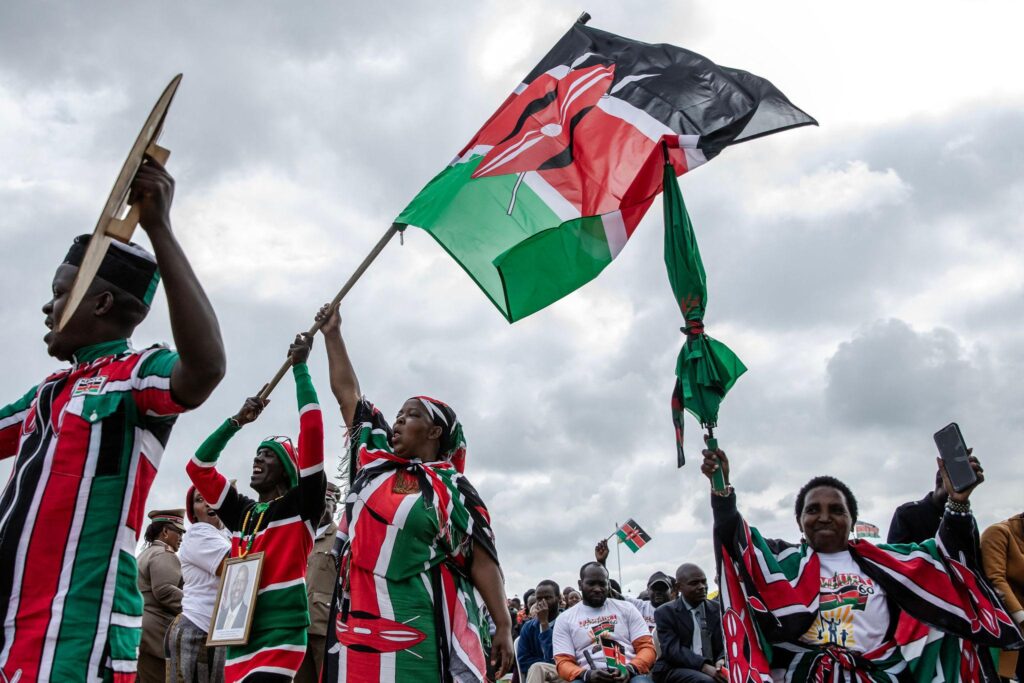 KENYANS MARK 63RD MASHUJAA DAY
THE 1955 LE MANS DISASTER THAT CHANGED MOTORSPORT FOREVER
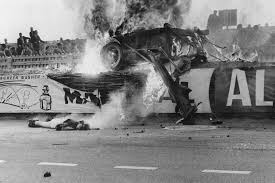
On this day, June 11, 1955, the world witnessed the deadliest tragedy in motorsport history. What began as an exhilarating endurance race in the quiet French town of Le Mans turned into an unimaginable horror, claiming 83 lives and injuring over 180 others.
The 24 Hours of Le Mans, organized annually since 1923, was already an iconic event by 1955. Thousands of fans had gathered along the 13-kilometer circuit, eager to witness the spectacle that pushed man and machine to their limits. The race began at its traditional time—4:00 p.m. sharp. For the first few hours, it was business as usual. But then, everything changed.
French driver Pierre Levegh, piloting a powerful Mercedes-Benz 300 SLR, approached the pit straight at blistering speed. Ahead of him, British driver Lance Macklin swerved to avoid another car pulling into the pits. Levegh clipped Macklin’s rear wheel, launching his own car into the air. The Mercedes disintegrated as it flew into the grandstands.
Debris, engine parts, the hood, even the flaming fuel tank, was hurled into the densely packed crowd. Within seconds, dozens lay dead, and many more were wounded. Levegh was killed instantly. Spectators screamed. Chaos erupted.
And yet, the race continued.
Officials, fearing mass panic and blocked roads that would delay emergency services, made the controversial decision to let the race go on. While drivers circled the track unaware of the full horror, medics tended to victims behind the scenes. For many, the decision to continue the race was as shocking as the crash itself.
The incident sent shockwaves around the globe. Switzerland immediately banned motor racing, a prohibition that lasted for decades. Races in other countries were canceled. Mercedes-Benz, devastated by the events, withdrew from racing altogether and would not return to motorsport for more than 30 years.
But from tragedy came transformation.
The Le Mans disaster became a turning point for safety in motorsports. New rules were introduced. Circuits were redesigned with stronger barriers. Helmets and fireproof suits became mandatory. Emergency protocols were improved. Teams were required to rotate three drivers instead of two or one. The aim was clear: never again.
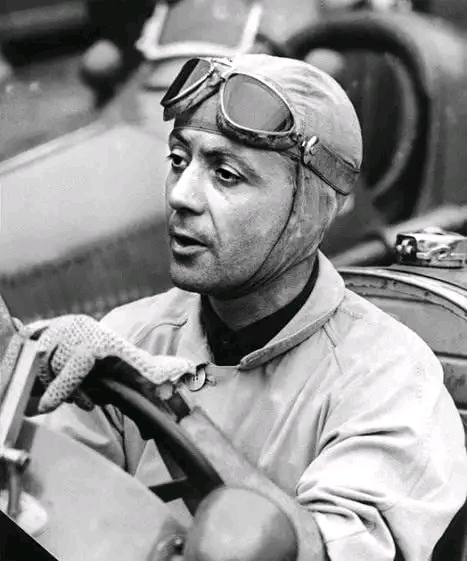
Pierre Levegh, whose real name was Pierre Bouillin, was more than just a racer. He had nearly won the 1952 Le Mans solo before his car failed in the final hours. In 1955, he returned seeking victory. Instead, he became part of a moment that changed the sport forever.
Today, Le Mans still runs each June, beginning at 4 p.m. as it always has. The race continues—but in the shadow of history. On this day, motorsport was humbled.
Comments (0)
No comments yet. Be the first to comment!