

-
 TANZANIA VP RESIGNS AMID SPECULATION OVER STRAIN WITH PRESIDENT SULUHU
-
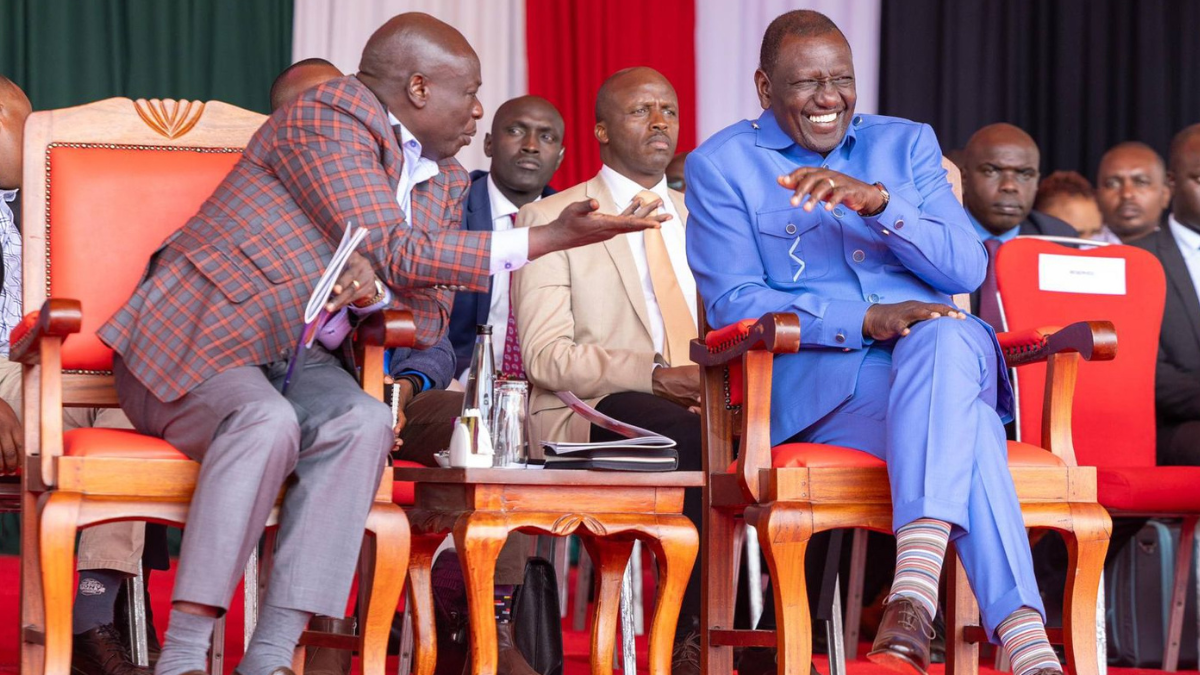 RUTO, GACHAGUA DRAW THE LINE ON 2027 DEAL
-
 TREVOR, DJ SHITI TRADE BARBS OVER HEHA MOVERS MANAGEMENT
-
 IEBC BANS CAMPAIGNS BEFORE MAY 29, 2027
-
 Ndindi Nyoro joins opposition after UDA exit
-
 RONALDO AND GEORGINA FLAUNT WEDDING RINGS
-
 DIAMOND’S FORMER DJ RESCUED FROM STREETS
-
 MUTURI REJECTS GACHAGUA’S ‘HYENA COALITION’
-
 YUNGE’S ALLEGED EX CRIES FOUL AFTER CHARLENE’S WEDDING
THE HIGH COURT MAKES RULING ON THE TAXATION OF BETTING STAKES AND WINNINGS
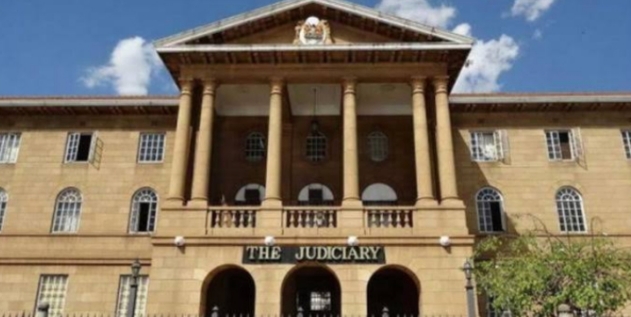
The High Court has made a ruling on the taxation of betting stakes and winnings. In its decision, the Court dismissed a constitutional petition challenging the legality of the 12.5% excise duty on betting stakes and the 20% withholding tax on winnings. Justice Stephen Mbungi, sitting at a High Court in Kakamega, found that the new gambling taxes did not break the law and did not result in double taxation, as the petitioner claimed.
“It is a cardinal principle of the law on interpretation of a statute that all the provisions of the statute should be read in a holistic manner but not in isolation,” ruled the Judge.
The judge explained that laws should be understood as a whole, not by examining parts in isolation.
He also ruled that the 12.5% excise duty on betting stakes, introduced through the 2023 Finance Act, did not violate the Constitution, which states that any law conflicting with the Constitution is invalid.
“It is my finding that Paragraph 4A of Part II of the First Schedule of the excise duty act of 2015 as amended by the Finance Act of 2023 is not in contravention of Article 2(4) of the Constitution which provides that any law, including customary law, that is inconsistent with this constitution is void to the extent of the inconsistency,” said the judge.
The main issue in the petition was whether it was legal to charge a 12.5% excise duty on the amount people bet, as introduced by the Finance Act, 2023. The judge ruled that this tax is legal and clearly different from the 20% withholding tax charged on winnings.
He explained that excise duty is charged when someone places a bet, while withholding tax applies only when someone wins. He also noted that betting companies pay a separate tax called Gross Gaming Revenue, which is different from the taxes paid by punters (persons betting).
He added, “Therefore, it cannot amount to double taxation. Similarly, it is not the same tax.”


Comments (0)
No comments yet. Be the first to comment!