

-
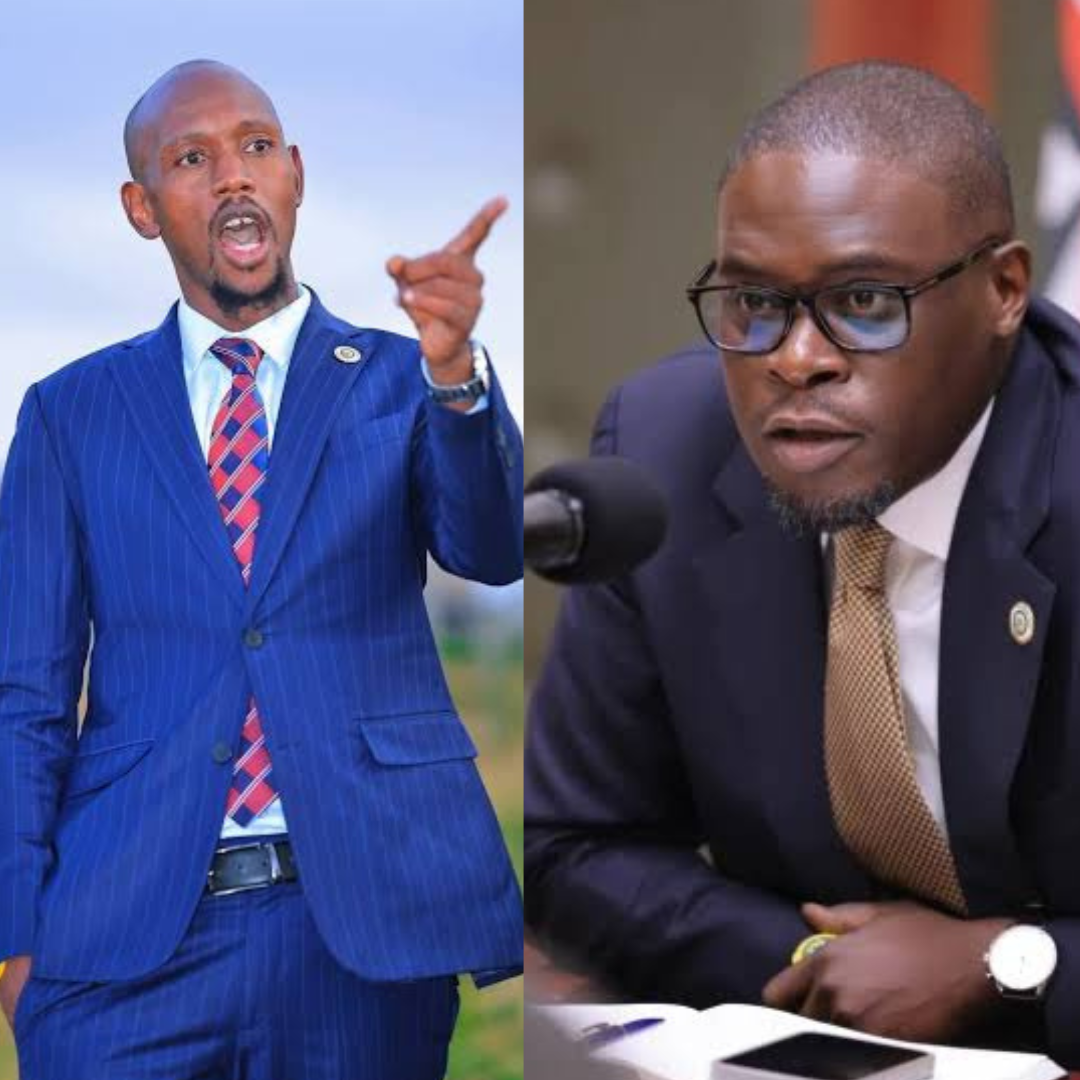 MOSIRIA FIRES SARCASTIC SHOT AT SAKAJA AFTER SACKING
-
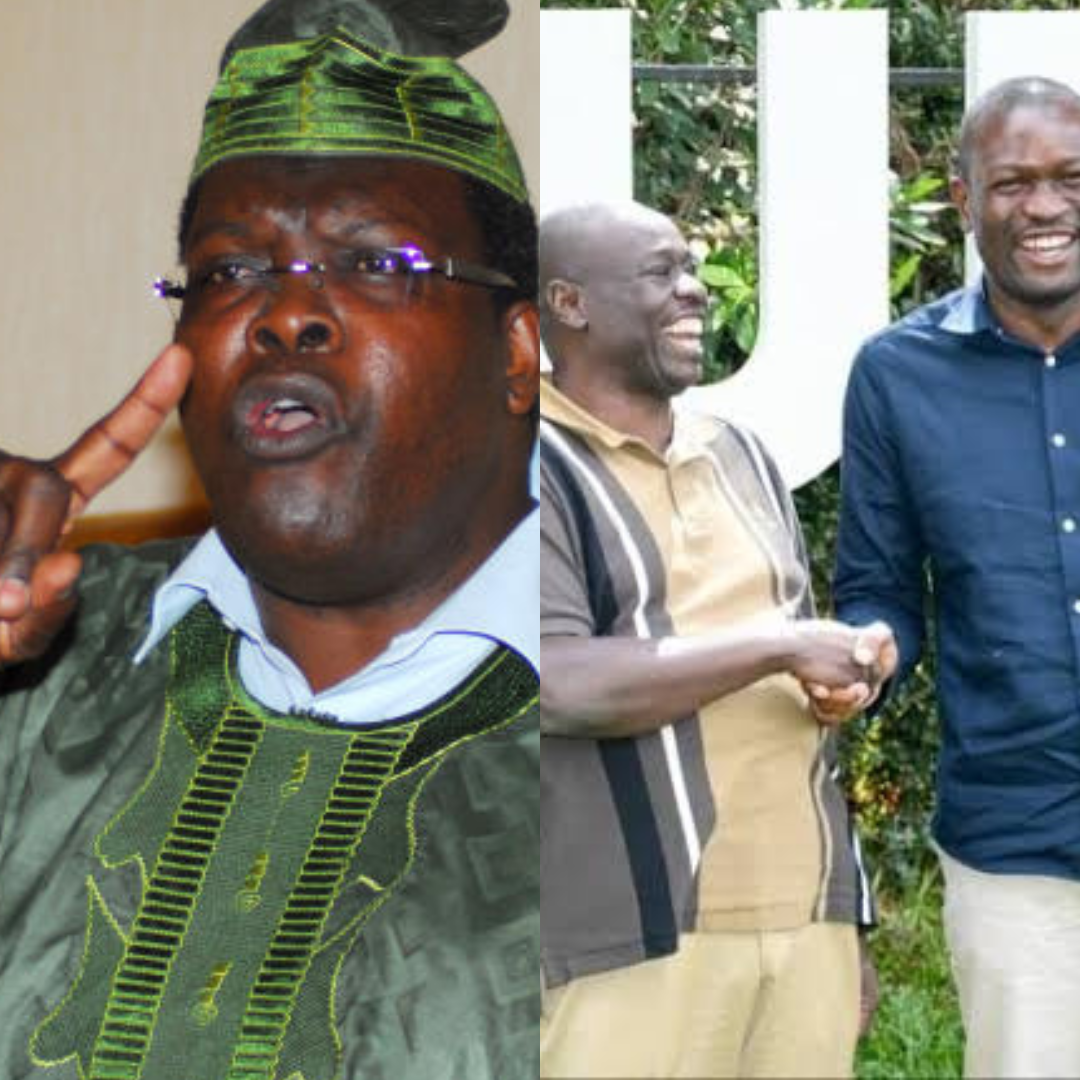 SIFUNA’S 2027 BID DOOMED BY OLD GUARD ALLIANCE- MIGUNA
-
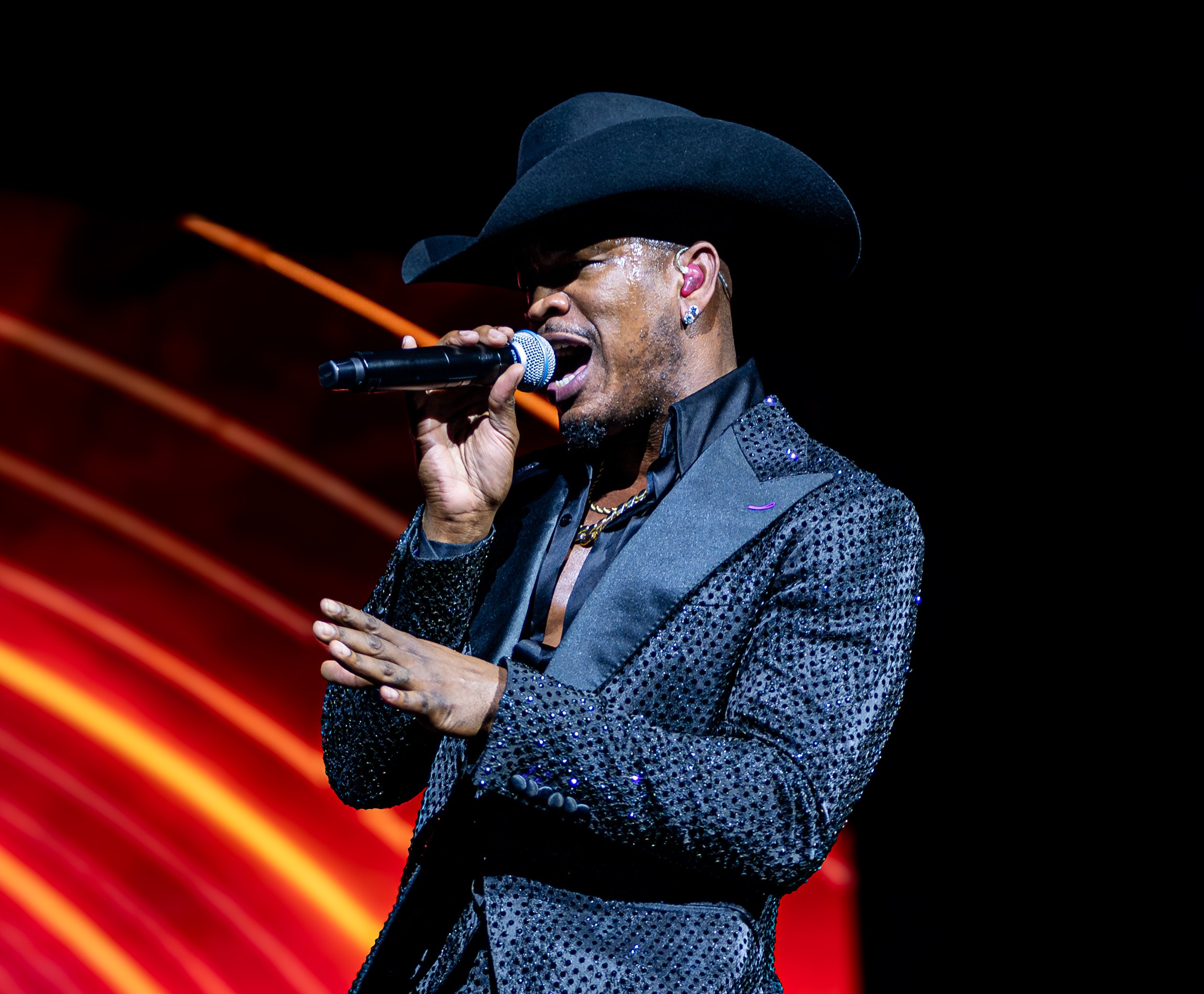 NE-YO ROCKS AS FANS FUME OVER DISAPPOINTMENT DESPITE COSTLY PAY
-
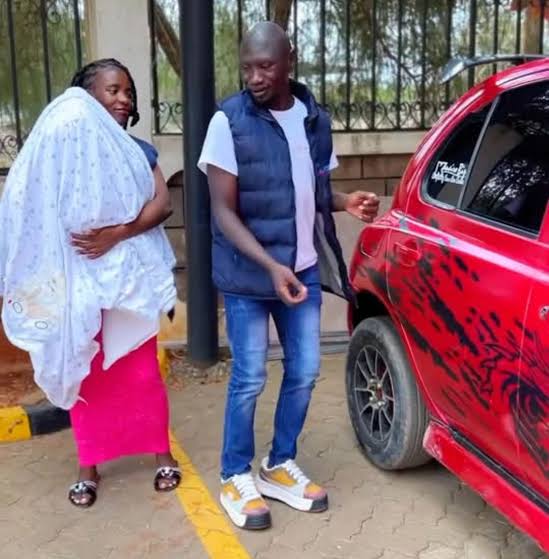 STEVO SIMPLE BOY DUMPS WIFE AFTER DNA BOMBSHELL
-
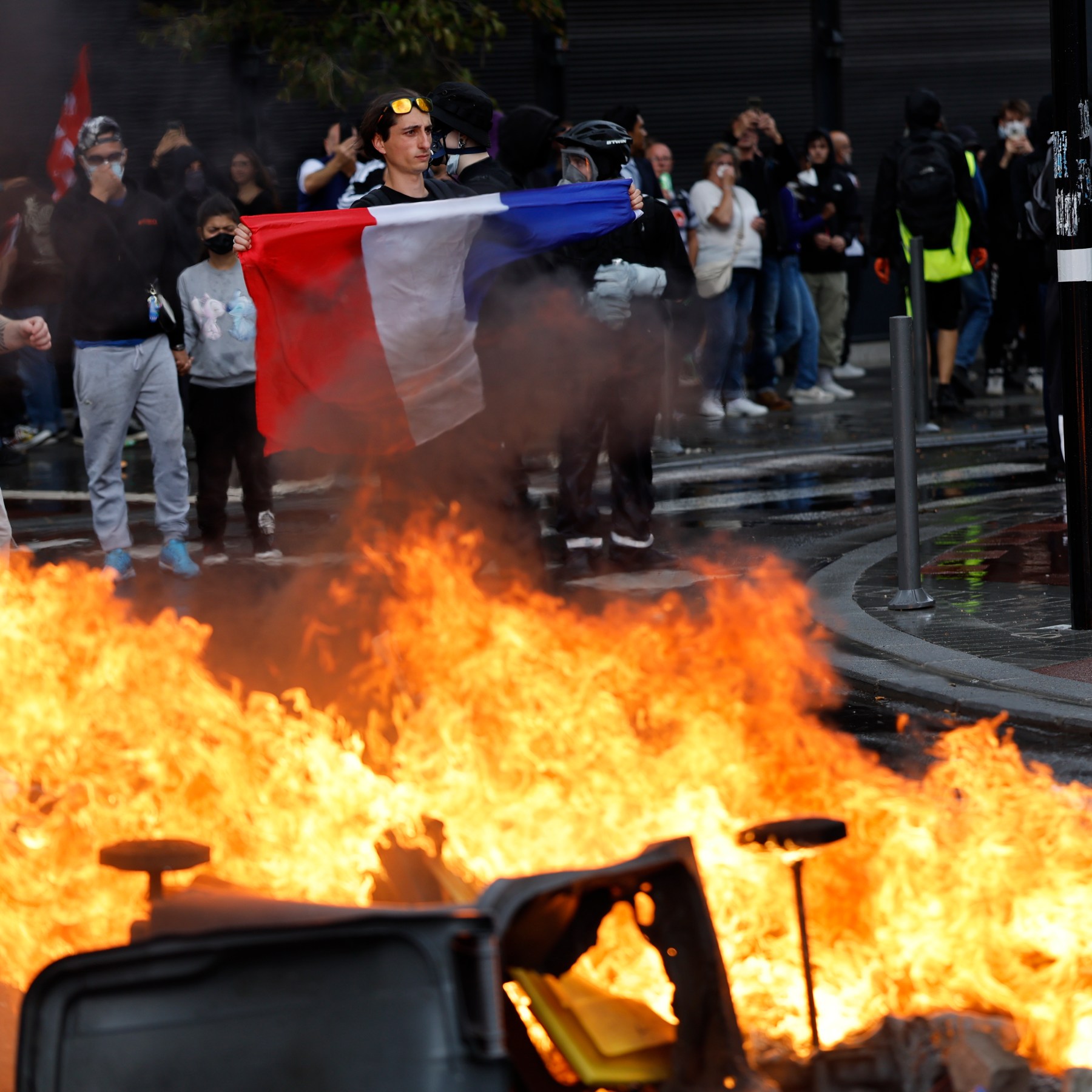 FRANCE IN FLAMES
-
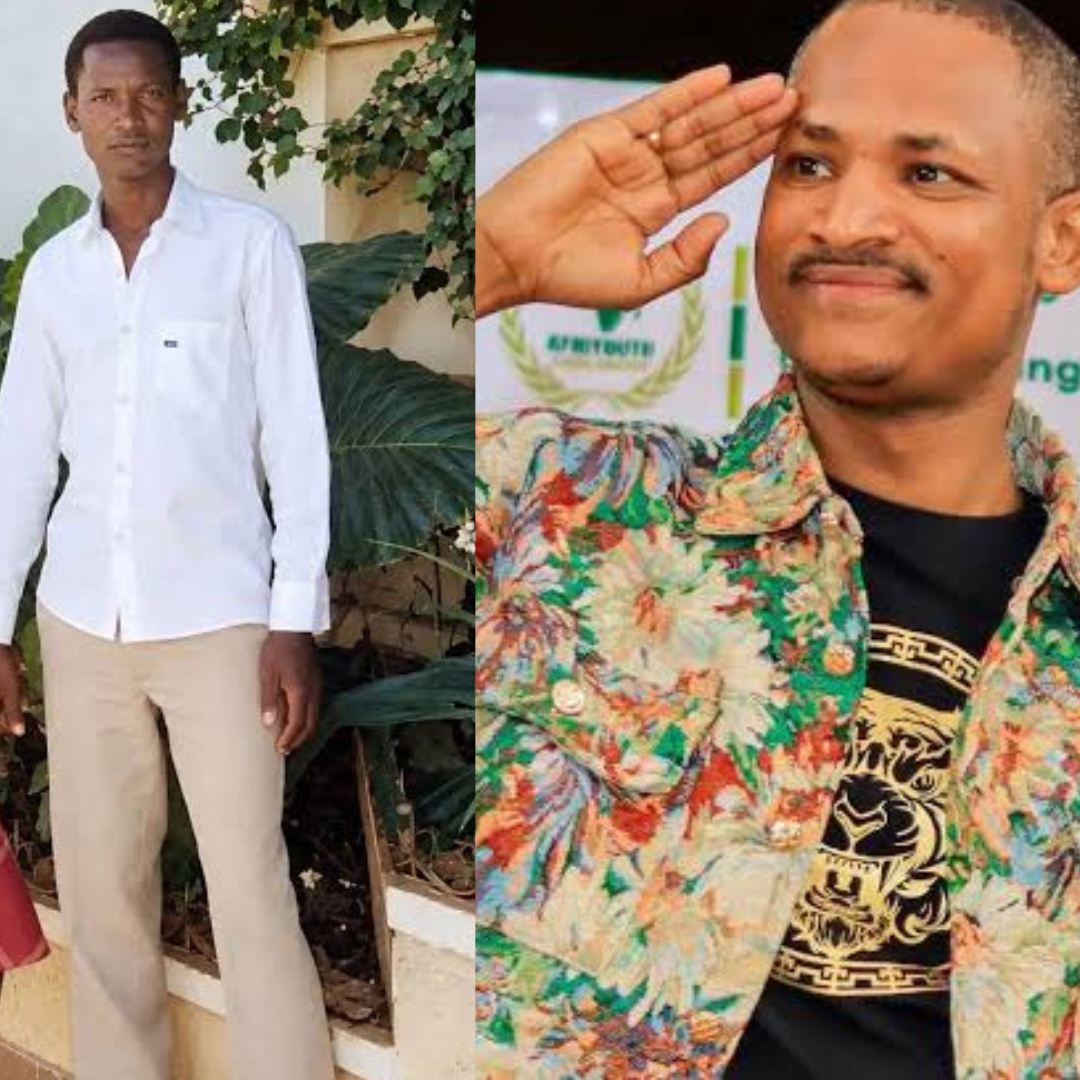 BABU SALUTES LATE FATHER, MOTHER AND RAILA IN MASHUJAA TRIBUTE
-
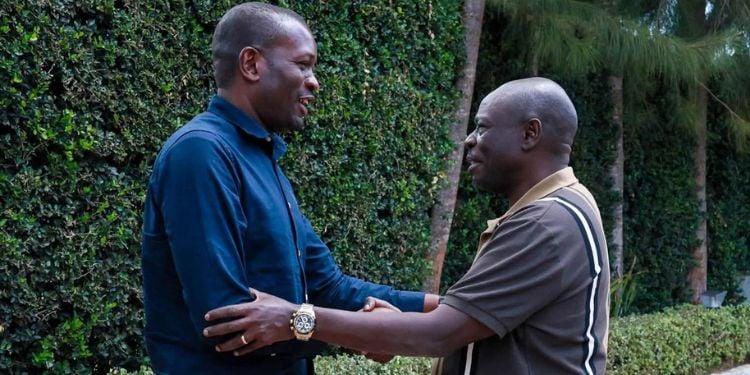 SIFUNA-GACHAGUA TAG TEAM TAKES SHAPE AFTER FORMER DP’S LOW-KEY RETURN
-
 SON DENOUNCES MACKENZIE, LABELS HIM A MURDERER
-
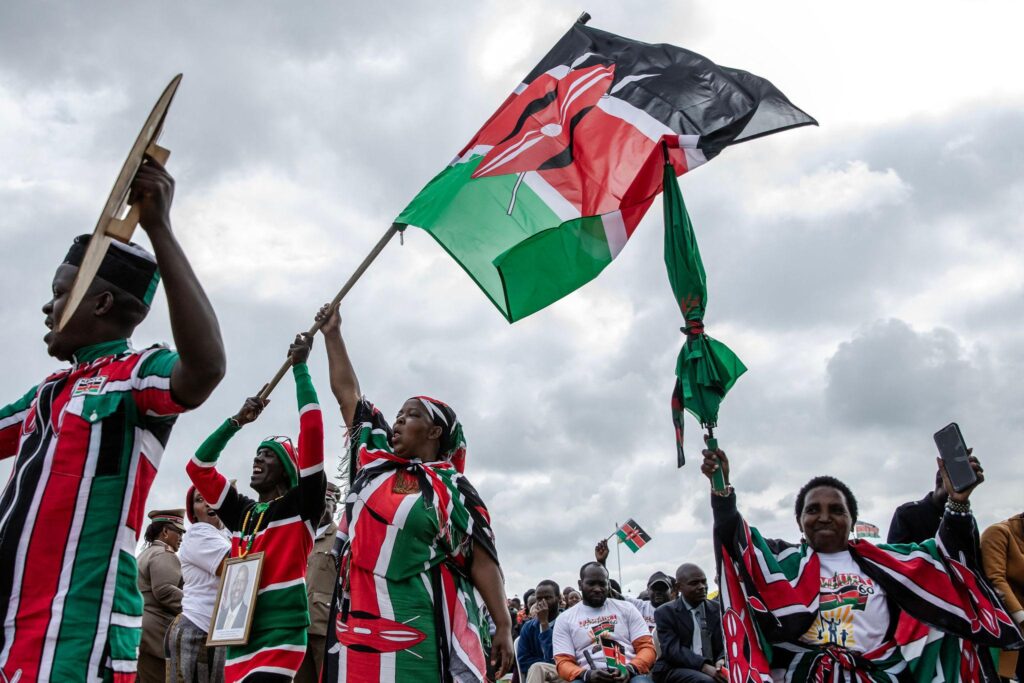 KENYANS MARK 63RD MASHUJAA DAY
THE MT. KENYA REGION TO SPLIT INTO WEST AND EAST - CS RUKU
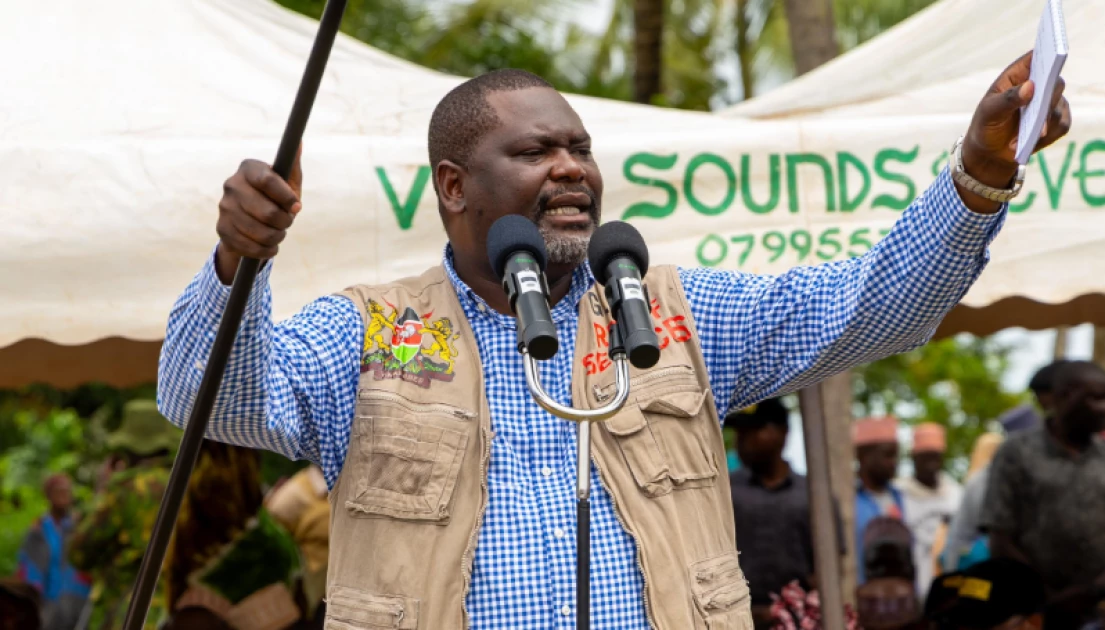
Political temperatures are rising within the Mt Kenya region following a series of remarks by Public Service Cabinet Secretary Geoffrey Ruku proposing a fundamental reorganisation of the vote-rich bloc into Mt Kenya East and Mt Kenya West.
Ruku’s comments, delivered across multiple public forums in Nairobi, Embu and Kangaru, have reignited debate over representation, development and political power, particularly for counties on the eastern side of the mountain.
Speaking in Nairobi, Ruku suggested that Tharaka Nithi, Meru and Embu may no longer align themselves with the traditional Mt Kenya political grouping if existing divisions persist. He framed the proposal as a governance-driven realignment rather than an act of exclusion.
“This is to ensure equitable development and proper representation. It is not to undermine any community, but to strengthen governance structures,” Ruku said.
In remarks captured in a widely circulated quote graphic, the Cabinet Secretary went further, linking the debate to internal power struggles within the region.
“If it means separating Tharaka-Nithi, Meru, and Embu counties from Murima, that is what we will do. The people of Mt. Kenya West are resisting, while those of Mt. Kenya East are seeking the presidency.”
This proposal has been interpreted as part of broader manoeuvres ahead of the 2027 General Election, with Kenya Kwanza allies seeking to counter the influence of former Deputy President Rigathi Gachagua, who has positioned himself as a central Mt Kenya power broker.
At a public event in Embu County last week, Ruku openly declared his intention to push for a formal Mt Kenya East–West political split, arguing that unity under Gachagua risks sidelining loyalists of President William Ruto from government opportunities.
He urged counties such as Meru, Embu, Tharaka Nithi and parts of Kirinyaga to consolidate their vote in support of the President, insisting that direct alignment with the government would unlock stalled development projects.
Ruku cited delays in infrastructure such as dams, roads and irrigation schemes in semi-arid parts of Embu and Tharaka Nithi, claiming that bundled regional funding has historically favoured more vocal counties in the western side of Mt Kenya.
The debate escalated further on Sunday during a church service at Full Gospel Church in Kangaru, where Ruku accused Gachagua of orchestrating an anti-Ruto narrative within the region.
He warned residents against what he described as a coordinated scheme to turn Mt Kenya against the President and said the eastern counties had suffered under what he termed the “Mt Kenya basket agenda”.
“We cannot allow ourselves to be consumed in a pocket moving forward. Mt Kenya East must stand firm and protect its own political and economic interests,” Ruku said.
In one of his strongest statements yet, the Cabinet Secretary declared:
“We will divide the mountain if we must. Mt Kenya East will stand alone. The East will have its own title deed.”
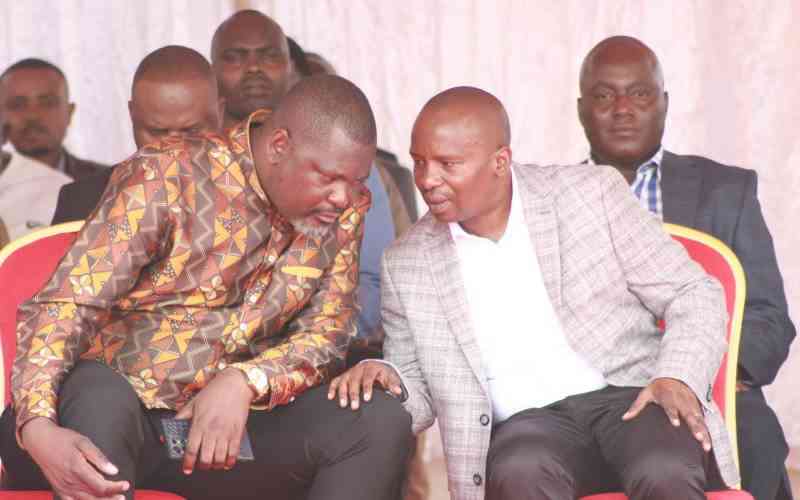
Ruku pointed to Deputy President Kithure Kindiki, who hails from Tharaka Nithi, as proof that the eastern bloc has sufficient national leadership capacity to chart its own political future.
Embu Governor Cecily Mbarire backed Ruku’s stance, saying Mt Kenya East would not hesitate to pursue an independent political path if pushed.
“I want to echo the words of CS Ruku. If need be, as Mt Kenya East, we shall chart our own political path moving forward. We will not be dragged into politics that do not serve our people,” Mbarire said.
Governors from Meru and Embu have also called for focused investments in rural electrification, irrigation, market upgrades and agricultural value chains, particularly in tea, coffee and miraa-growing zones.
However, leaders allied to Gachagua have warned that fracturing the Mt Kenya bloc could weaken the region’s bargaining power at the national level. They argue that bloc voting has historically secured key appointments, budget allocations and development leverage.
Community elders from cross-county forums have urged dialogue, cautioning that political divisions risk undermining long-standing cultural and linguistic ties among Ameru, Aembu and related communities.
Business communities in Meru and Embu have expressed cautious concern, noting that political stability is closely tied to trade in avocados, macadamia and cross-border commerce. Traders say clear and focused regional advocacy could accelerate completion of critical road networks linking northern corridors and Ethiopian markets.
On social media, public opinion remains sharply divided, with some residents welcoming the idea of political self-determination while others warn of long-term consequences of breaking away from a historically influential bloc.
As President William Ruto continues frequent tours of the region, launching water projects and issuing title deeds, the unfolding debate underscores the shifting nature of Kenya’s regional politics.
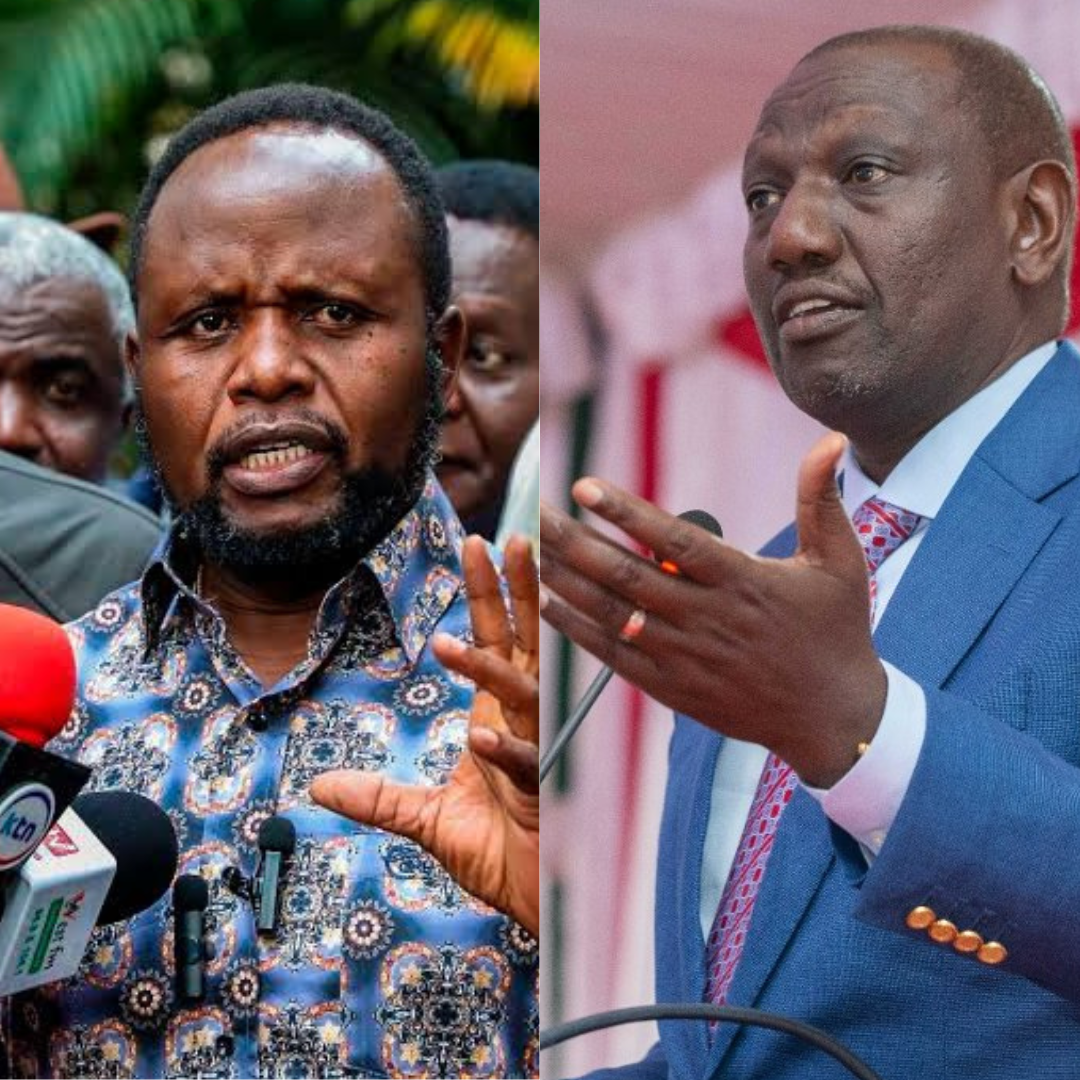
The unfolding exposes two pacts of the whole mount Kenya region - the Western - which is largely viewed as Gachagua's turf and the Eastern pact - led by DP Kithure Kindiki alongside CS Ruku . The Eastern and Western mount Kenya political rift is projected to largely influence the voting dynamics of a region which is known to rally their votes behind their most preffered presidential candidate.
Comments (0)
No comments yet. Be the first to comment!