

-
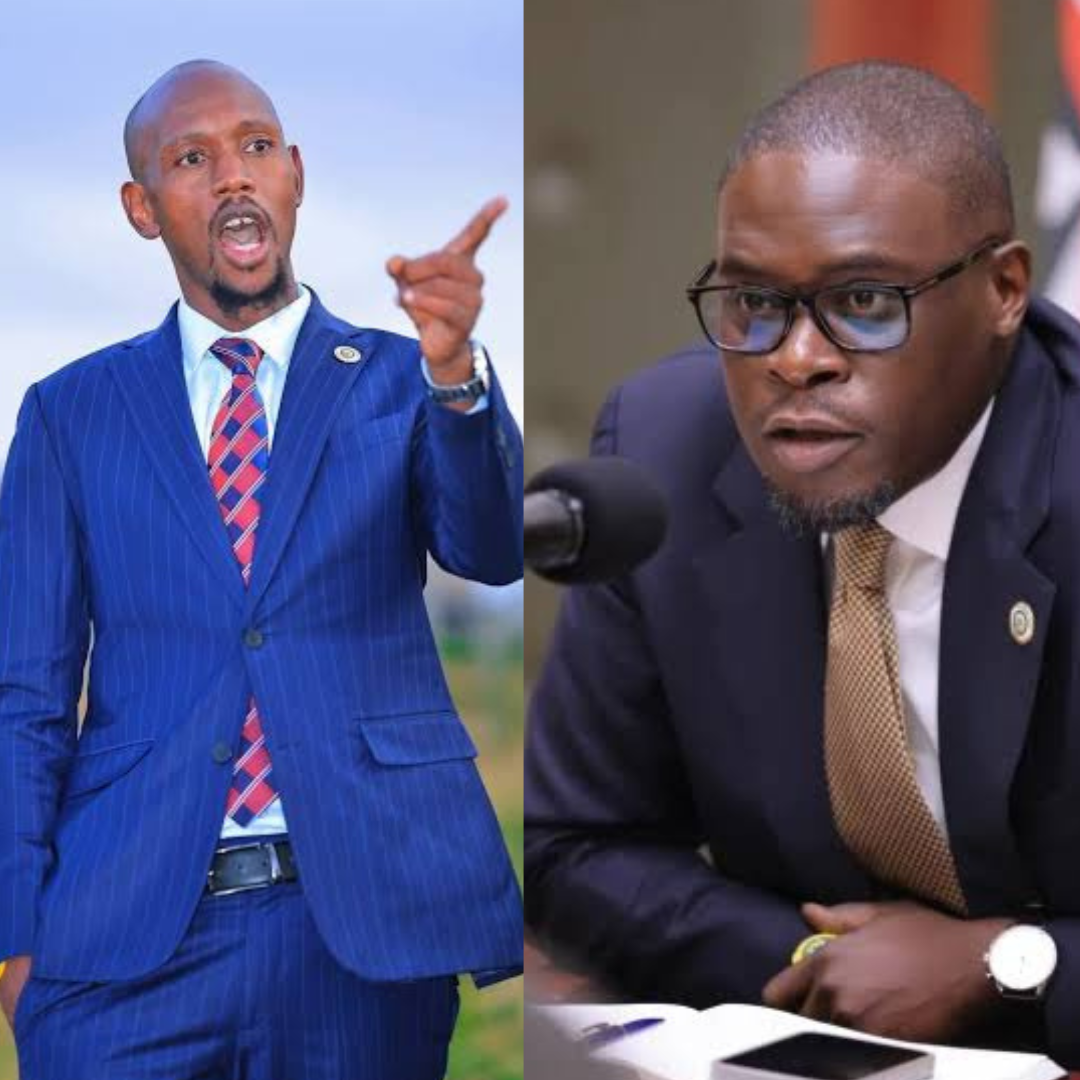 MOSIRIA FIRES SARCASTIC SHOT AT SAKAJA AFTER SACKING
-
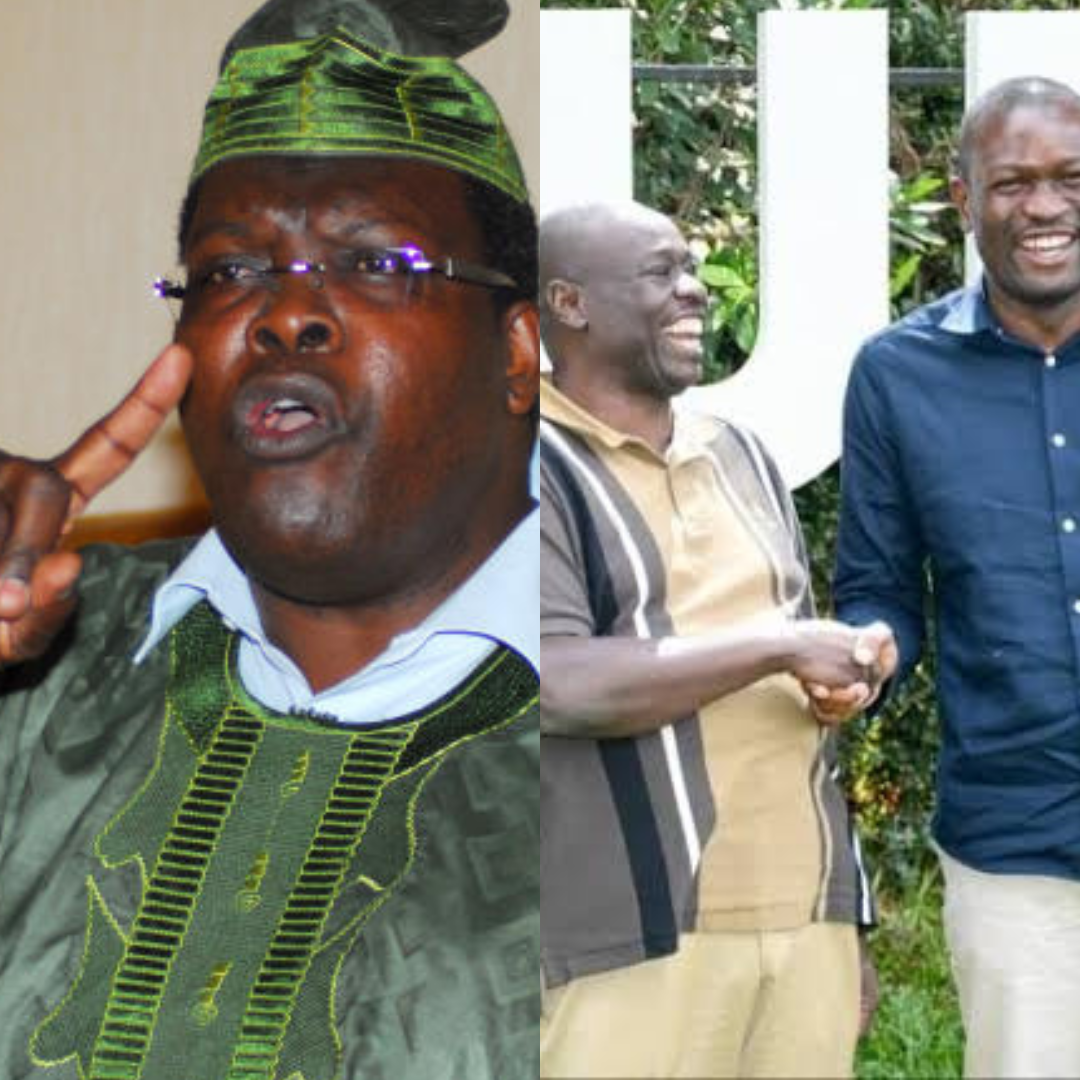 SIFUNA’S 2027 BID DOOMED BY OLD GUARD ALLIANCE- MIGUNA
-
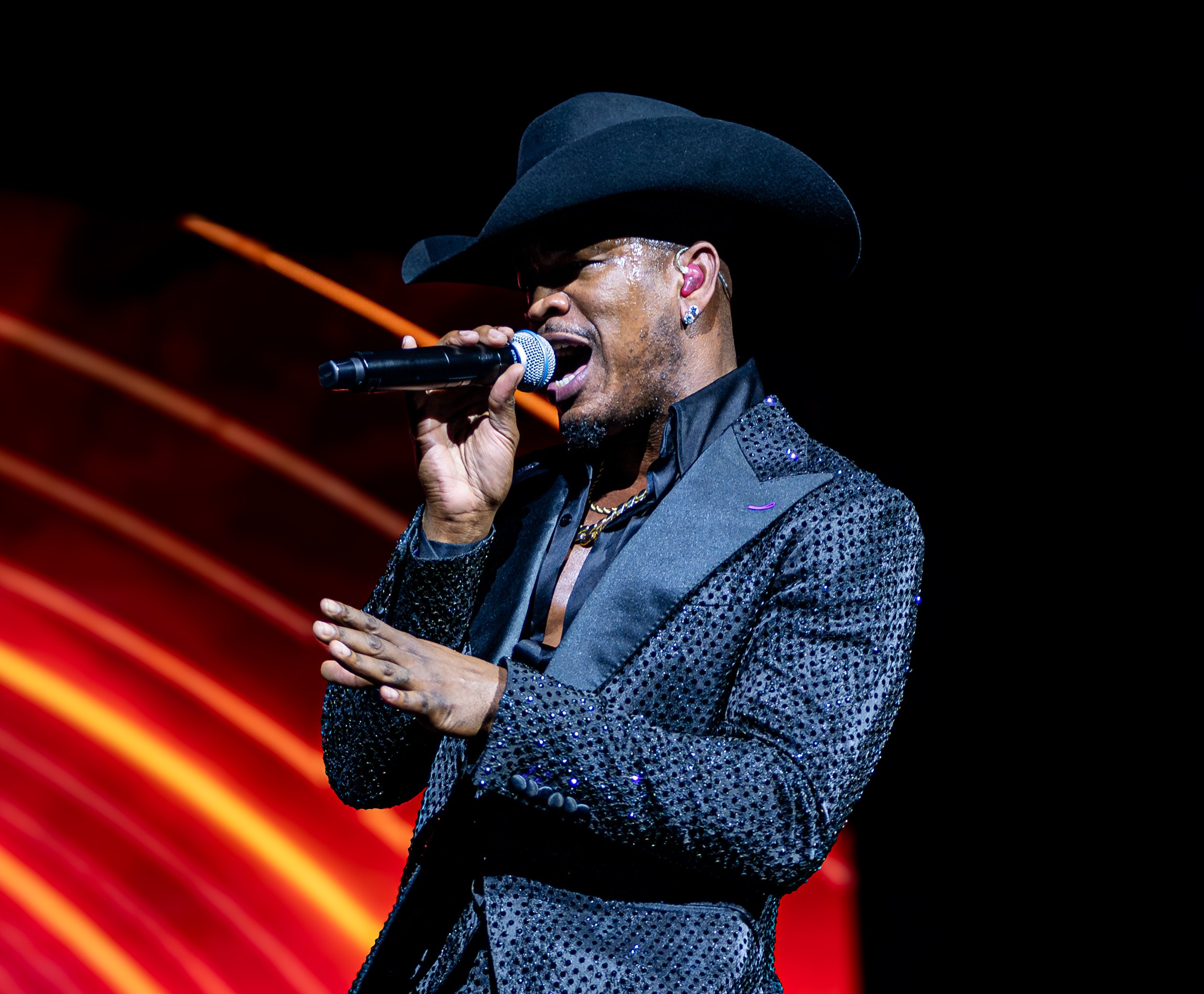 NE-YO ROCKS AS FANS FUME OVER DISAPPOINTMENT DESPITE COSTLY PAY
-
 STEVO SIMPLE BOY DUMPS WIFE AFTER DNA BOMBSHELL
-
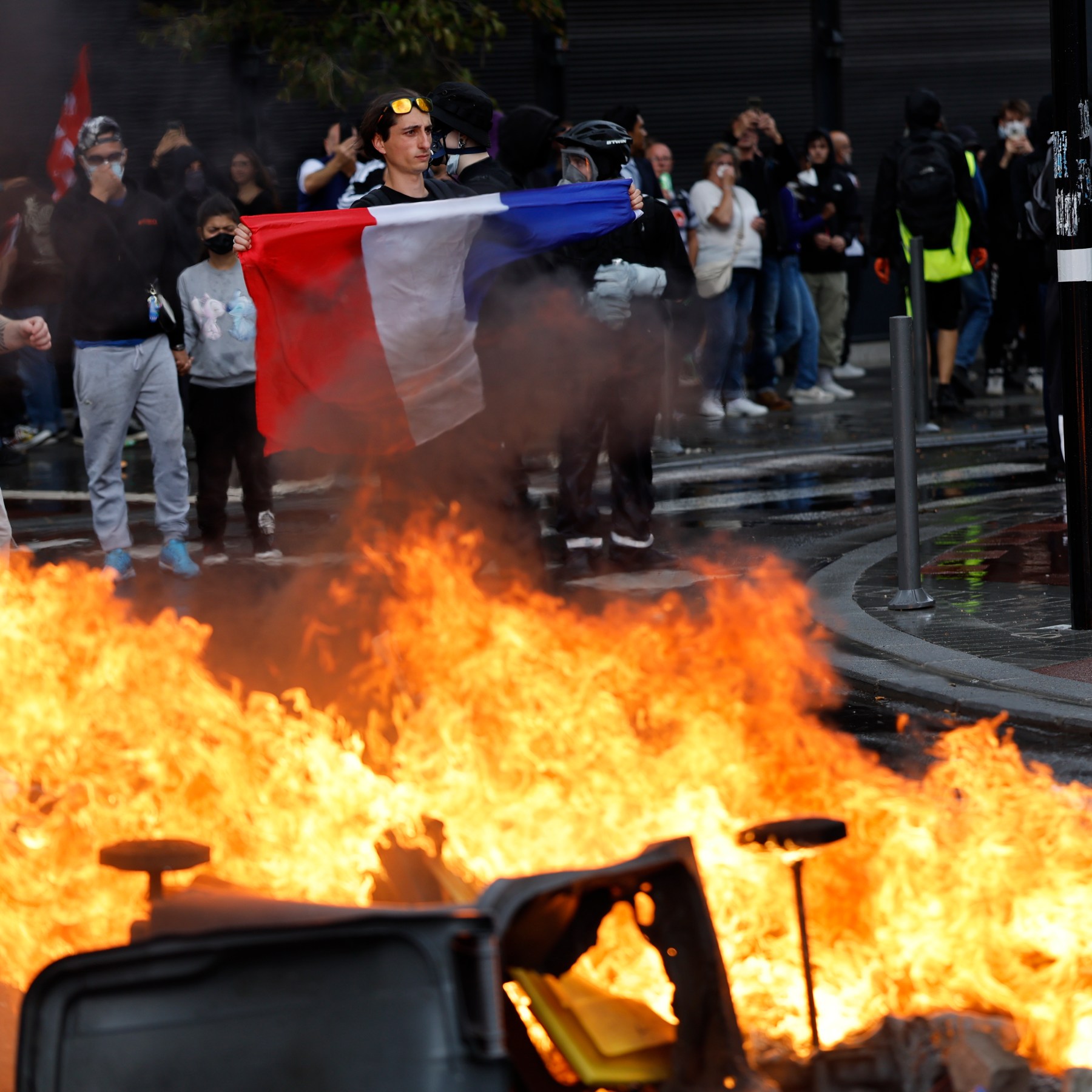 FRANCE IN FLAMES
-
 BABU SALUTES LATE FATHER, MOTHER AND RAILA IN MASHUJAA TRIBUTE
-
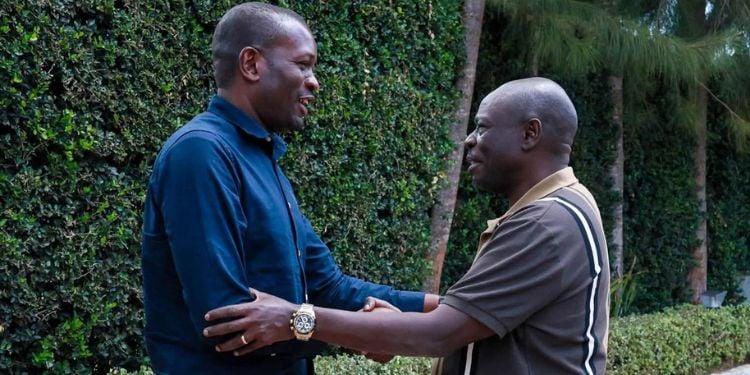 SIFUNA-GACHAGUA TAG TEAM TAKES SHAPE AFTER FORMER DP’S LOW-KEY RETURN
-
 SON DENOUNCES MACKENZIE, LABELS HIM A MURDERER
-
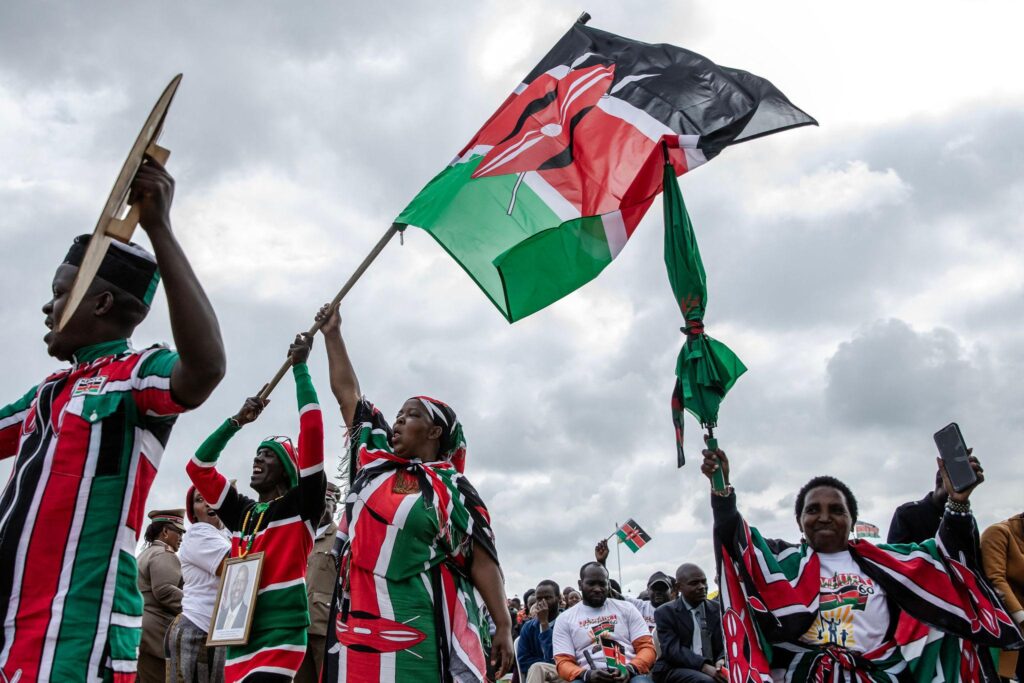 KENYANS MARK 63RD MASHUJAA DAY
TRUMP THREATENS US - KENYA SECURITY TIES BY PREDICESSORS
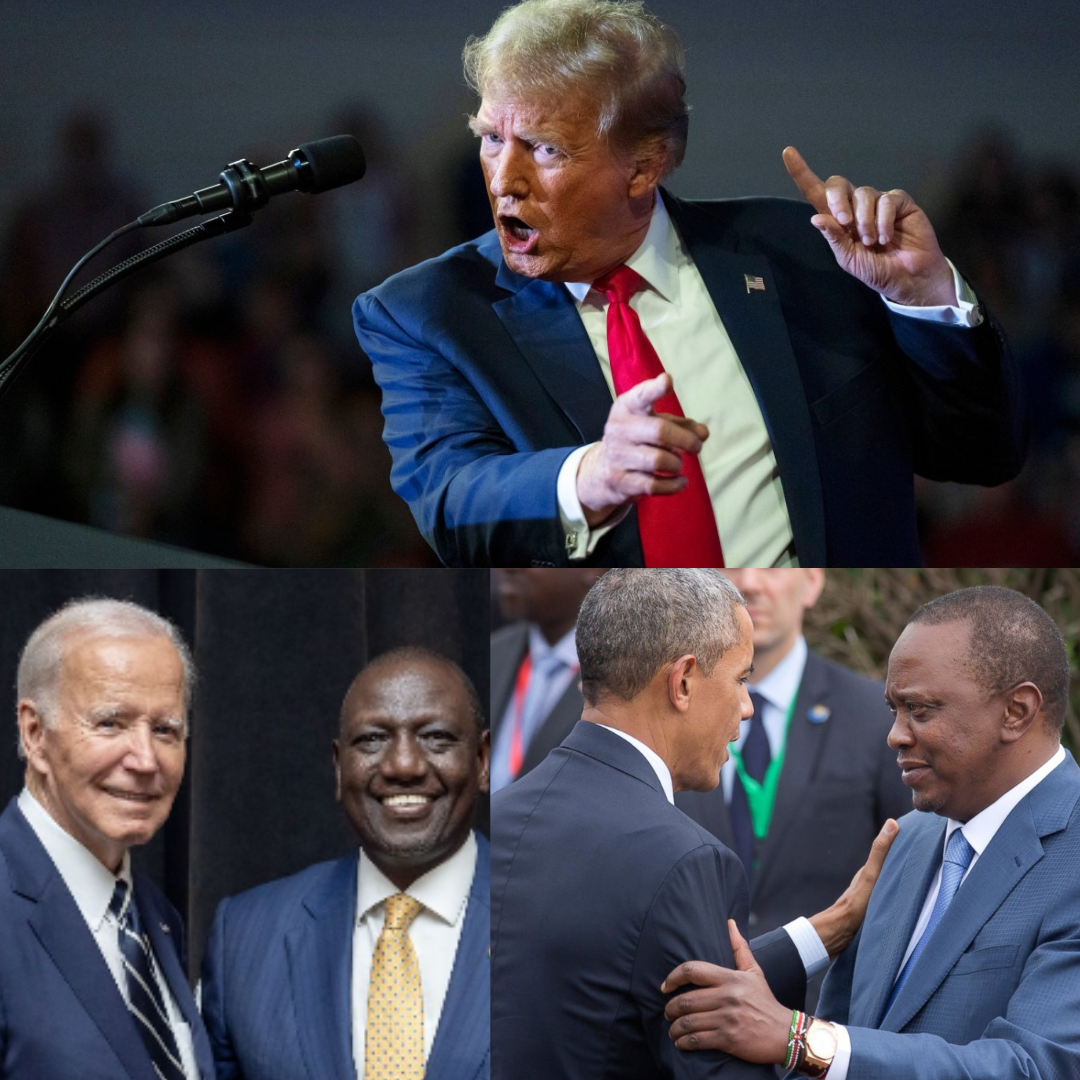
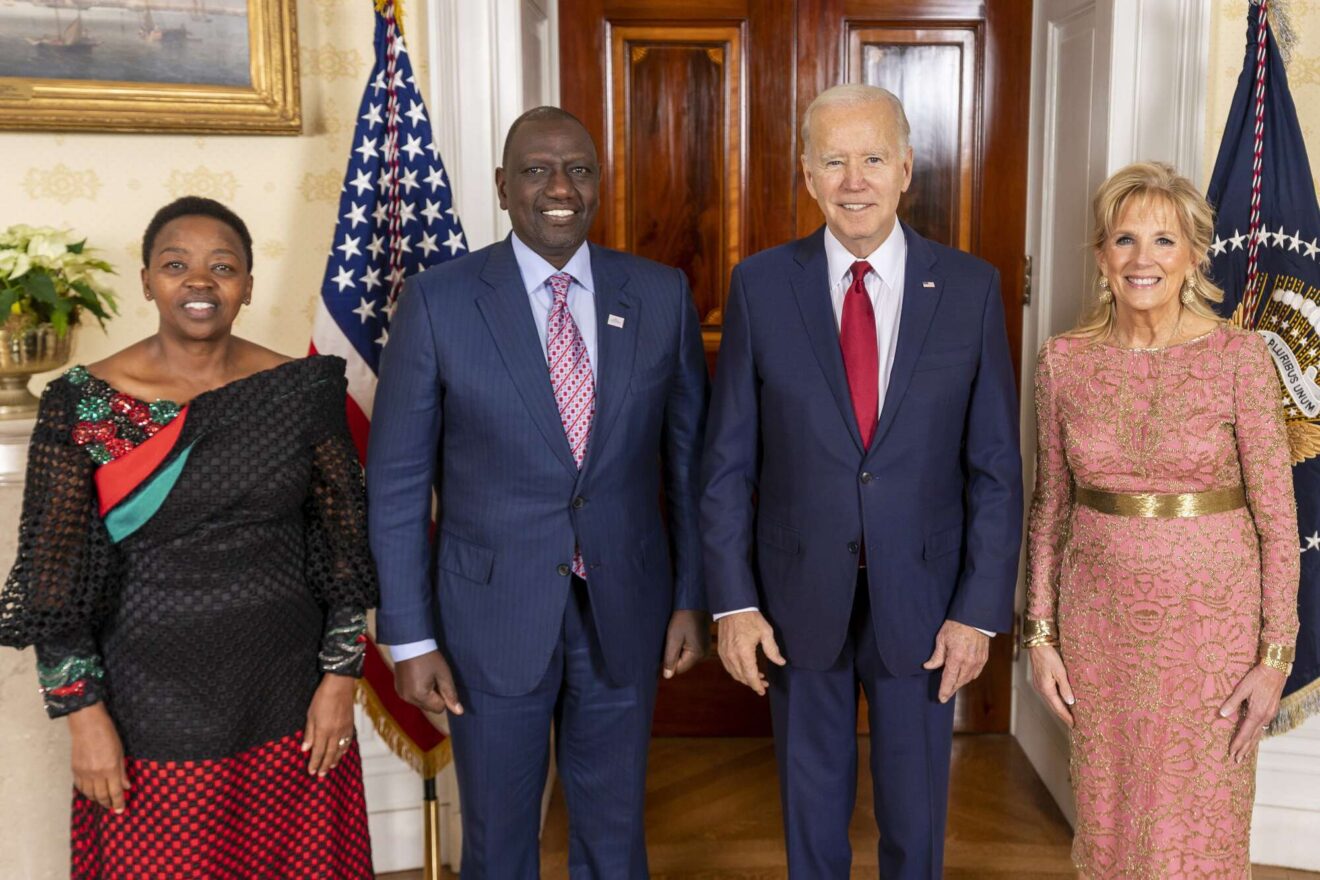
For years, Kenya has enjoyed warm ties with the world’s superpower, the United States. From former President Barack Obama’s historic homecoming visit to First Lady Jill Biden’s tour of Kenya, and President William Ruto’s red-carpet White House reception during Joe Biden’s tenure, the relationship has reflected Kenya’s standing as a trusted U.S. partner.
But the return of Donald Trump to power has cast a shadow on that partnership. Unlike his predecessors, Trump has shown little appetite for African affairs — a stance rooted in his hardline Republican rhetoric.
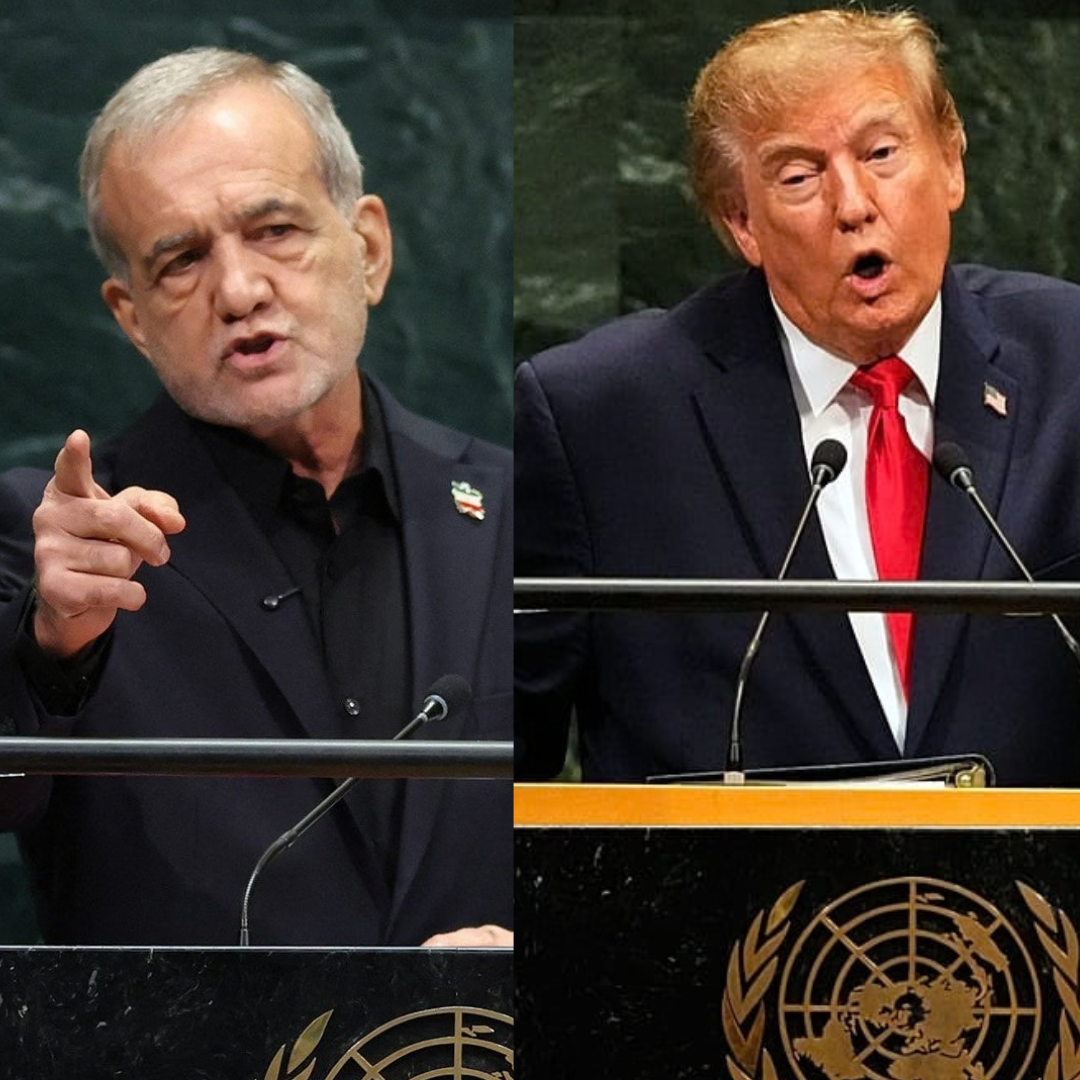
On September 30, while addressing more than 800 senior military leaders at Marine Corps Base Quantico, Trump delivered remarks that could redefine America’s security engagement with Kenya and the region.
“Only in recent decades did politicians somehow come to believe that our job is to police the far reaches of Kenya and Somalia, while America is under invasion from within,” Trump said.
“After spending trillions of dollars defending foreign countries, with your help we're defending the borders of our country from now on.”
The President stressed that homeland security must now be the U.S. military’s “first and most important priority,” warning that internal threats posed greater risks than wars abroad.
For Kenya, Trump’s comments strike at the heart of a decades-long security partnership. Washington has trained Kenyan forces, shared intelligence, and supplied advanced hardware, while also leading counterterrorism operations in Somalia. U.S. assistance has been particularly crucial to the Somali National Army’s elite Danab unit and the Kenyan Defense Forces battling al-Shabaab.
Security experts caution that a U.S. withdrawal could weaken the regional fight against terrorism. “If America pulls back, Kenya will face a heavier security burden, and extremist groups could be emboldened,” one analyst noted.
Trump’s proposal to redirect resources inward also raised domestic concerns in the U.S., with legal scholars warning that deploying federal troops internally could clash with laws restricting military involvement in civilian affairs.
Although no formal policy shift has been announced, Trump’s reference to Kenya and Somalia signaled a possible turning point. For Nairobi, it could mean charting new alliances or doubling down on self-reliance in the battle against al-Shabaab.
For now, Kenya’s leadership is watching closely — waiting to see whether Trump’s “America First” doctrine will remain mere rhetoric or spell the beginning of a reduced American footprint in East Africa’s security landscape.
Comments (0)
No comments yet. Be the first to comment!