

-
 TANZANIA VP RESIGNS AMID SPECULATION OVER STRAIN WITH PRESIDENT SULUHU
-
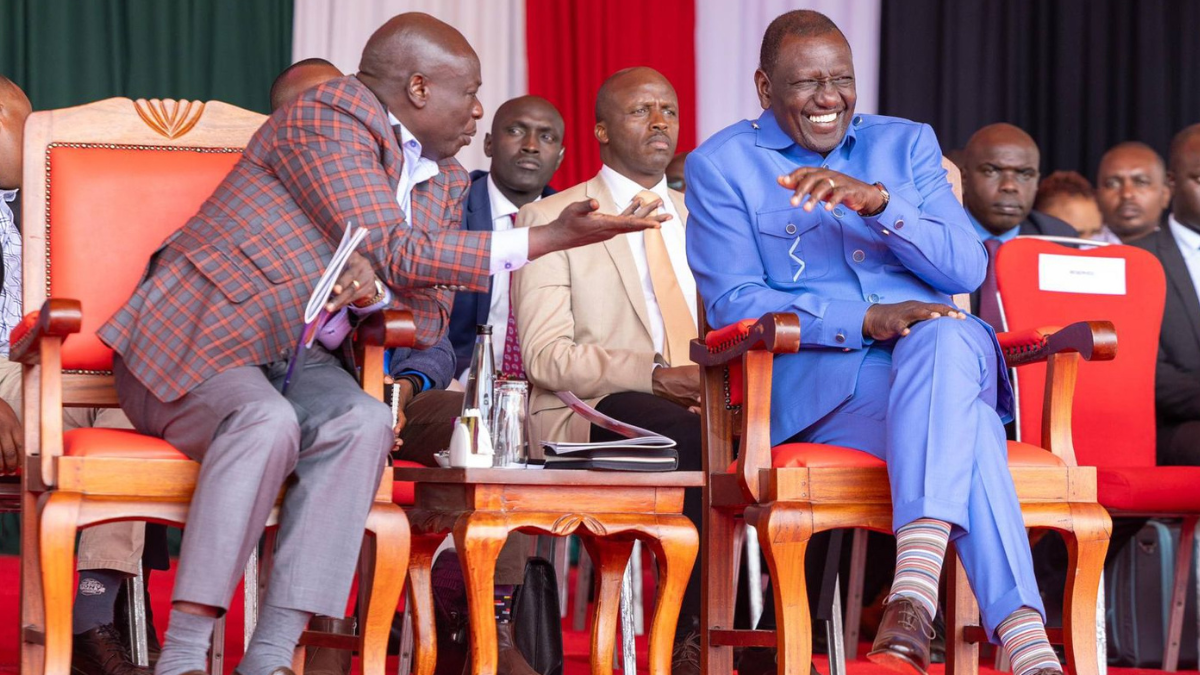 RUTO, GACHAGUA DRAW THE LINE ON 2027 DEAL
-
 TREVOR, DJ SHITI TRADE BARBS OVER HEHA MOVERS MANAGEMENT
-
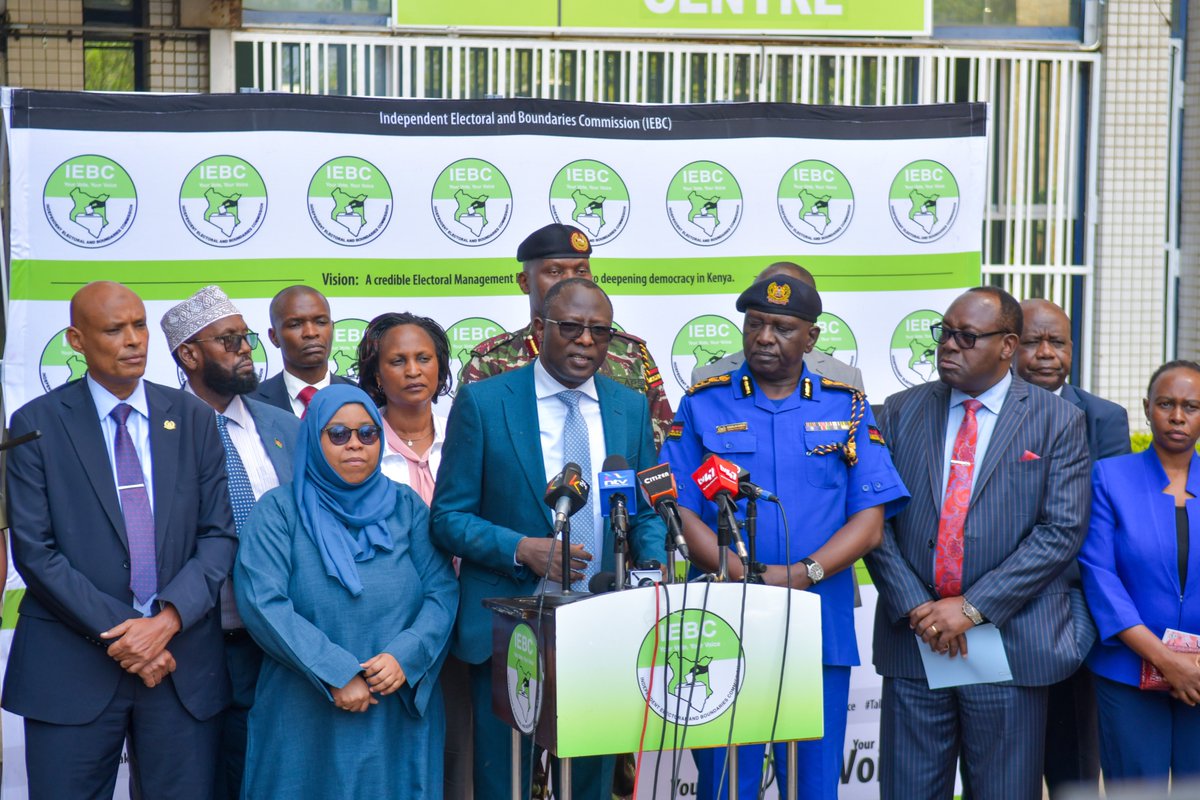 IEBC BANS CAMPAIGNS BEFORE MAY 29, 2027
-
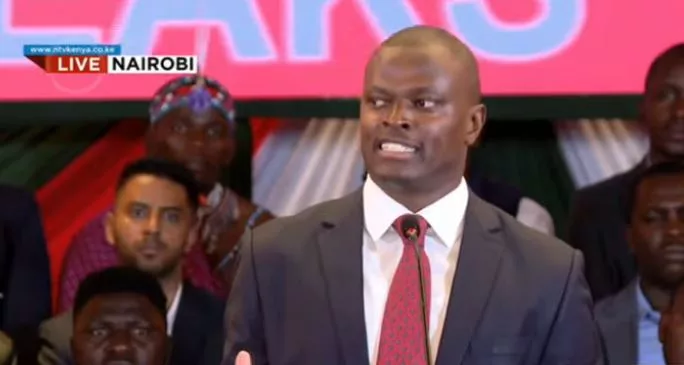 Ndindi Nyoro joins opposition after UDA exit
-
 RONALDO AND GEORGINA FLAUNT WEDDING RINGS
-
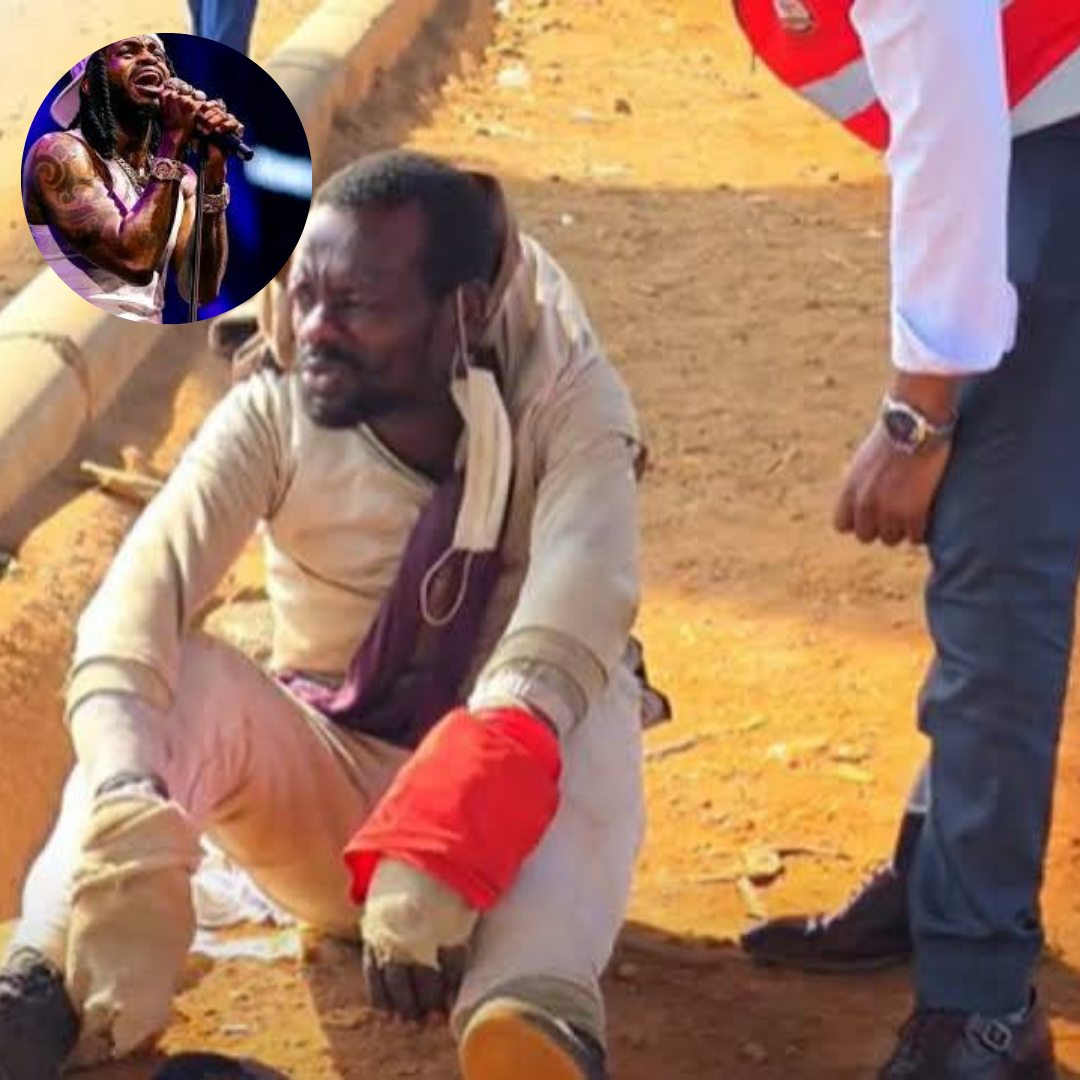 DIAMOND’S FORMER DJ RESCUED FROM STREETS
-
 MUTURI REJECTS GACHAGUA’S ‘HYENA COALITION’
-
 YUNGE’S ALLEGED EX CRIES FOUL AFTER CHARLENE’S WEDDING
Unsafe abortions claim lives as WCK demands urgent reforms

Women Collective Kenya (WCK) has called on the government to urgently repeal restrictive laws and remove policy barriers that deny women and girls access to safe abortion services.
Speaking during the commemoration of International Safe Abortion Day on Sunday under the theme “Safe Abortion is Life-saving Healthcare,” Executive Director Ruth Mumbi emphasized that access to safe abortion is not just a medical issue but also a basic human right that must be protected.
“A recent report indicates that in 2023, Kenya recorded approximately 792,694 induced abortions,” she said.
Mumbi further pointed out that the statistics reveal the scale of the crisis and added that many of these cases begin with unsafe methods before medical help is sought.
“Many women initially resort to unsafe practices such as ingesting harmful substances or using sharp objects before turning to medical abortions, which often leads to severe complications.”
She also faulted restrictive laws that, she argued, create fear among both patients and health workers.
“Despite Article 26 of the Constitution, there is blanket criminalization of those who seek and provide post-abortion care,”Mumbi emphasized.
Changing Laws, Changing Lives Project Officer Lilian Maina noted that the legal uncertainty has forced many women into unsafe abortions with devastating consequences.
“We call on the government to actualize Article 26 of the Constitution and repeal the Penal Code Articles 158–160, 228 and 240 which criminalize access to abortion,” Mrs Maina said.
She stressed that aligning with the Maputo Protocol would offer women the protection they deserve.
“We urge our governments to take measures to eliminate abortion stigma through accurate information and education on safe abortion care as an essential health service."
Mrs Maina added that public silence and misconceptions continue to endanger women and girls, particularly those from vulnerable communities.
“We urge the Judiciary to remain committed to safeguarding the human rights of women and girls as they develop national and regional jurisprudence that protects essential healthcare services,” she said.


Comments (0)
No comments yet. Be the first to comment!