

-
 MOSIRIA FIRES SARCASTIC SHOT AT SAKAJA AFTER SACKING
-
 SIFUNA’S 2027 BID DOOMED BY OLD GUARD ALLIANCE- MIGUNA
-
 NE-YO ROCKS AS FANS FUME OVER DISAPPOINTMENT DESPITE COSTLY PAY
-
 STEVO SIMPLE BOY DUMPS WIFE AFTER DNA BOMBSHELL
-
 FRANCE IN FLAMES
-
 BABU SALUTES LATE FATHER, MOTHER AND RAILA IN MASHUJAA TRIBUTE
-
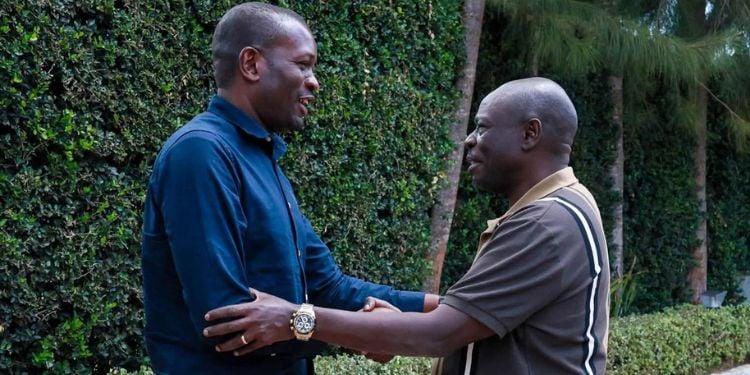 SIFUNA-GACHAGUA TAG TEAM TAKES SHAPE AFTER FORMER DP’S LOW-KEY RETURN
-
 SON DENOUNCES MACKENZIE, LABELS HIM A MURDERER
-
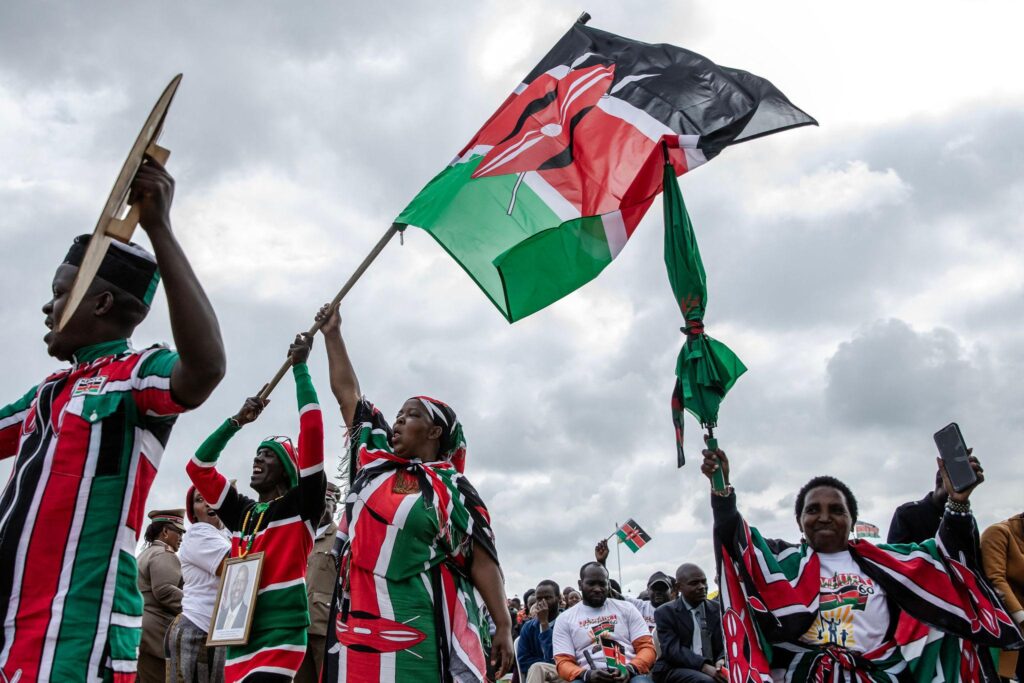 KENYANS MARK 63RD MASHUJAA DAY
US EMBASSY DISBURSES SH44 BILLION TO SUPPORT KENYA’S HEALTH SECTOR
The United States Embassy in Nairobi has disbursed Ksh 44 billion to 12 health institutions in Kenya to ensure the continued provision of HIV, tuberculosis (TB), and malaria services. The funds come as a relief amid concerns over the recent freeze on USAID funding, which had threatened the sustainability of critical health programs in the country.
The financial support aims to keep lifesaving treatments and preventive services operational, ensuring that millions of Kenyans continue receiving medical care despite uncertainties surrounding future aid disbursements.
ENSURING CONTINUITY OF HEALTHCARE SERVICES
Announcing the disbursement, US Ambassador to Kenya Meg Whitman reaffirmed the United States’ commitment to Kenya’s health sector, stressing that patients should not suffer due to funding uncertainties.
“Our priority is to ensure that people living with HIV, those battling TB, and those at risk of malaria continue to receive quality healthcare without disruption,” said Ambassador Whitman.
The funds will be channeled through established health institutions working in partnership with the Kenyan government and non-governmental organizations (NGOs). These institutions play a crucial role in providing free or subsidized treatment and prevention programs to vulnerable populations.
USAID FUNDING FREEZE AND ITS IMPACT
The funding boost comes at a time when USAID’s financial support for Kenya remains frozen over unresolved issues related to fund management and accountability. The freeze had raised concerns among health stakeholders, with fears that programs serving millions of Kenyans could face operational challenges.
While the embassy’s intervention is a temporary measure, health officials warn that long-term sustainability will require a resolution to the USAID funding stalemate.
“The support from the US Embassy is a huge relief, but we urge all stakeholders to resolve the underlying issues affecting USAID funding to prevent future disruptions,” said a senior official from the Ministry of Health.
A LIFELINE FOR MILLIONS*l
Kenya has made significant progress in the fight against HIV/AIDS, TB, and malaria, thanks in large part to international support. The country currently benefits from the US President’s Emergency Plan for AIDS Relief (PEPFAR), the Global Fund, and other international donors.
With the new funding, institutions can continue providing essential medications, testing kits, and preventive measures to millions of Kenyans who rely on these programs.
CALLS FOR SUSTAINABLE FUNDING SOLUTIONS
While the embassy’s intervention has been welcomed, health experts stress the need for Kenya to enhance domestic financing for healthcare to reduce overreliance on donor support.
“The government should prioritize increasing local health budgets to cushion the country against potential future funding gaps,” said Dr. Jane Wanjiru, a health policy expert.
As Kenya navigates this uncertain funding landscape, the Sh44 billion disbursement offers a much-needed lifeline, ensuring that the fight against HIV, TB, and malaria remains on course.
Comments (0)
No comments yet. Be the first to comment!