

-
 AMBIА’S ABSURD COURTROOM EXPRESSIONS SPARK UPROAR
-
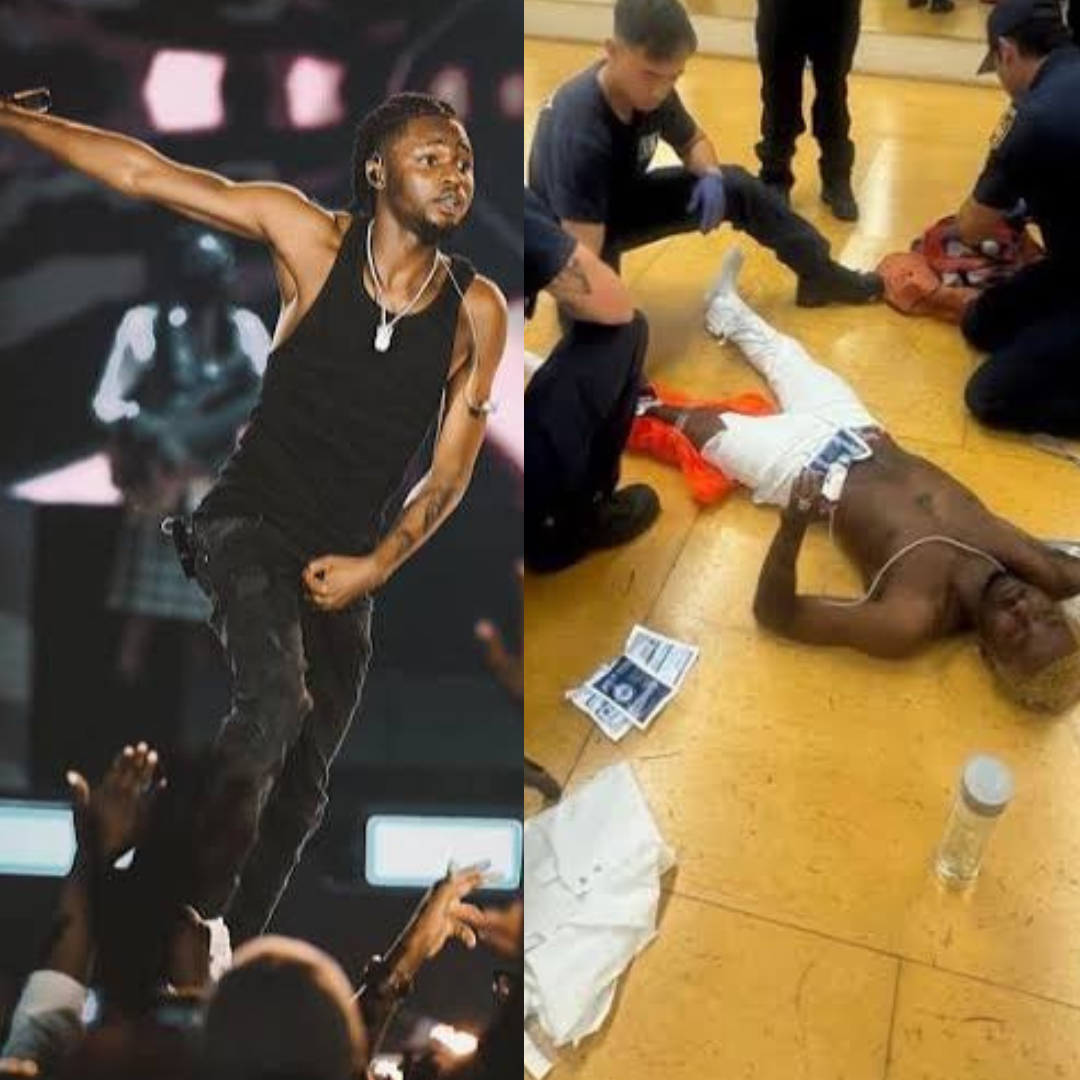 OMAH LAY HOSPITALISED AFTER ACCIDENT DURING TOUR REHEARSAL
-
 NJERI MAINA, MURANGO DROP ‘HIT AND RUN’ REAGGAE BANGER
-
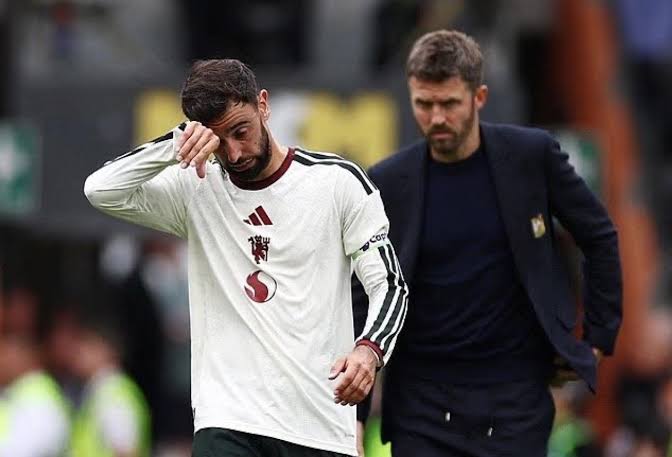 BRUNO THROWS REPENTANT CARRICK UNDER THE BUS
-
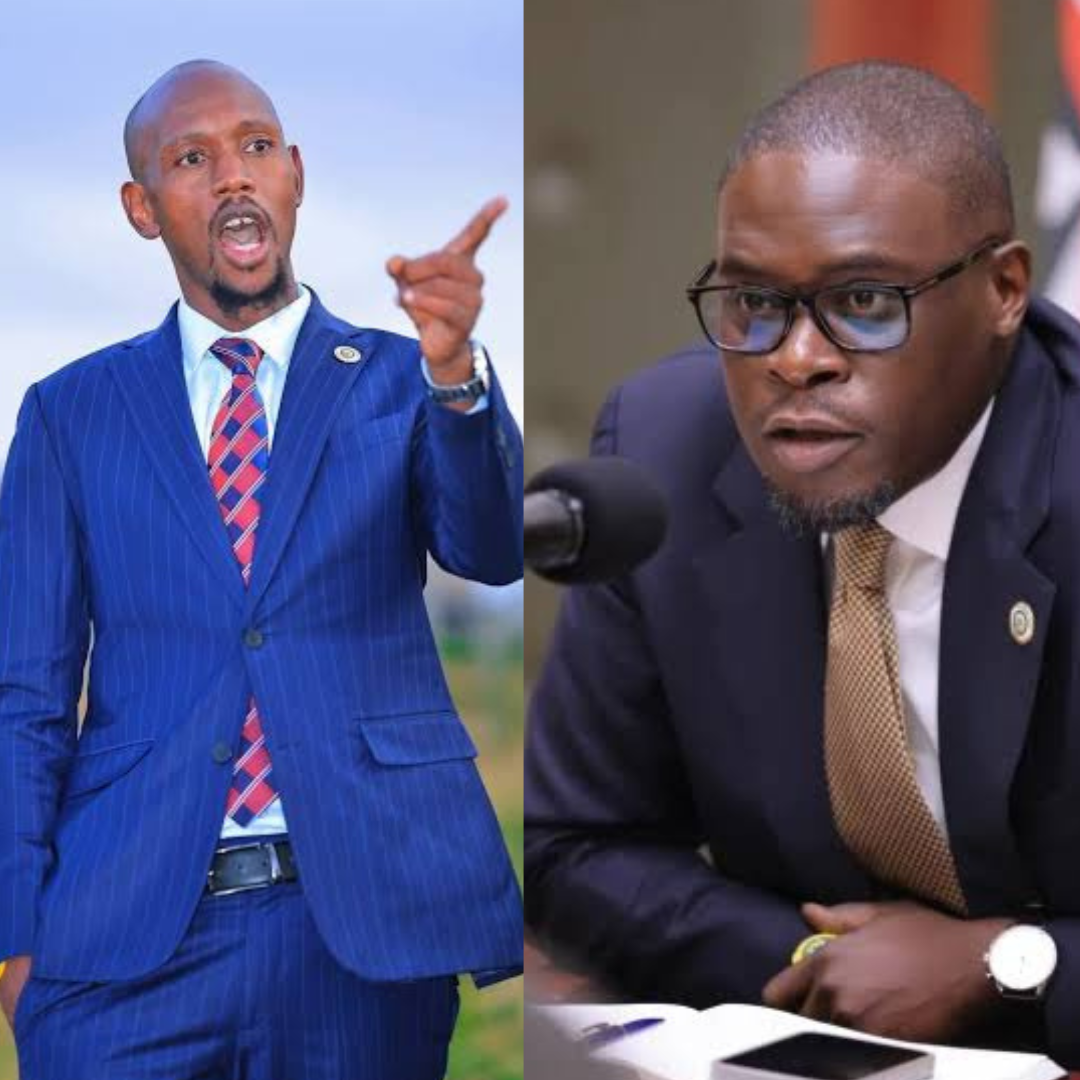 MOSIRIA FIRES SARCASTIC SHOT AT SAKAJA AFTER SACKING
-
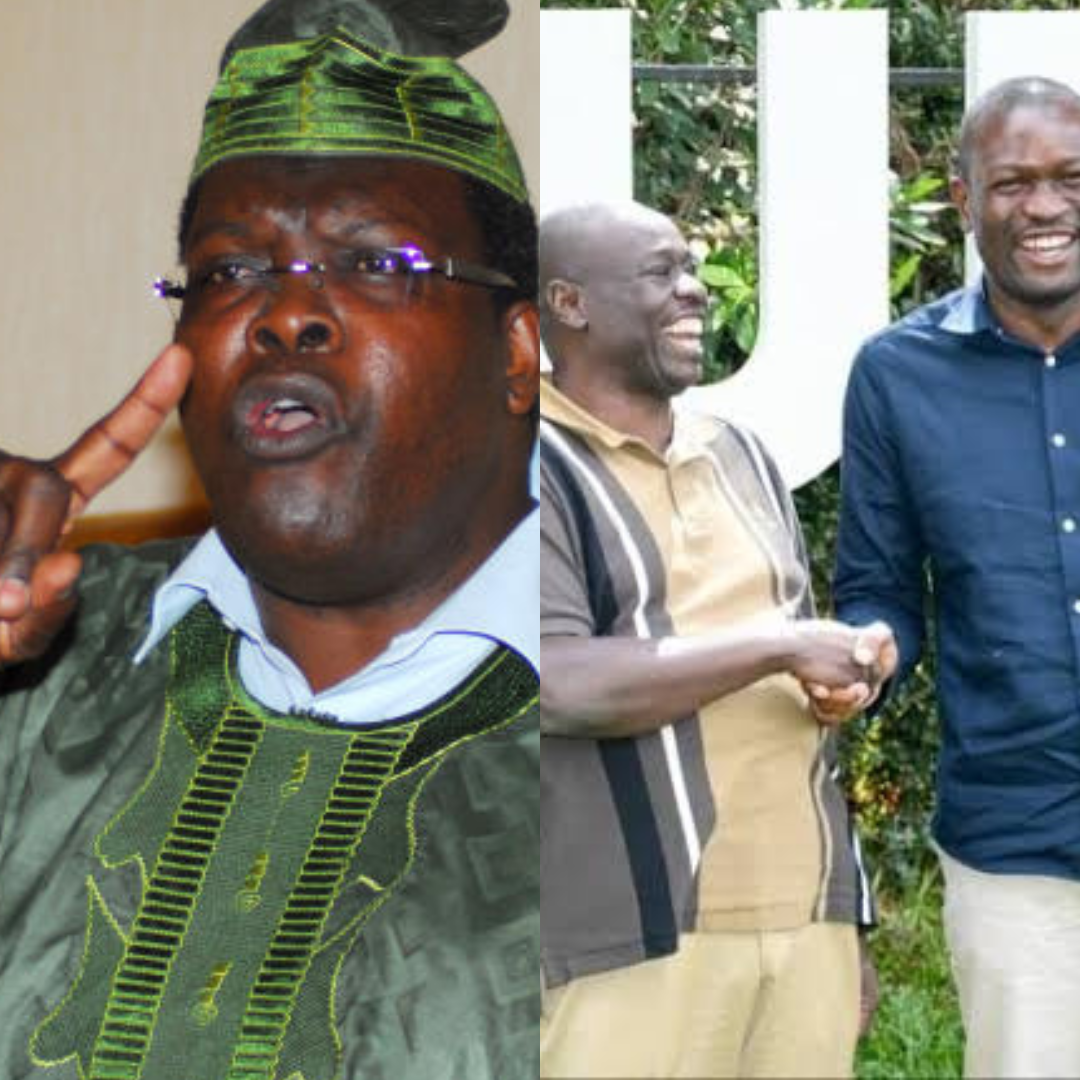 SIFUNA’S 2027 BID DOOMED BY OLD GUARD ALLIANCE- MIGUNA
-
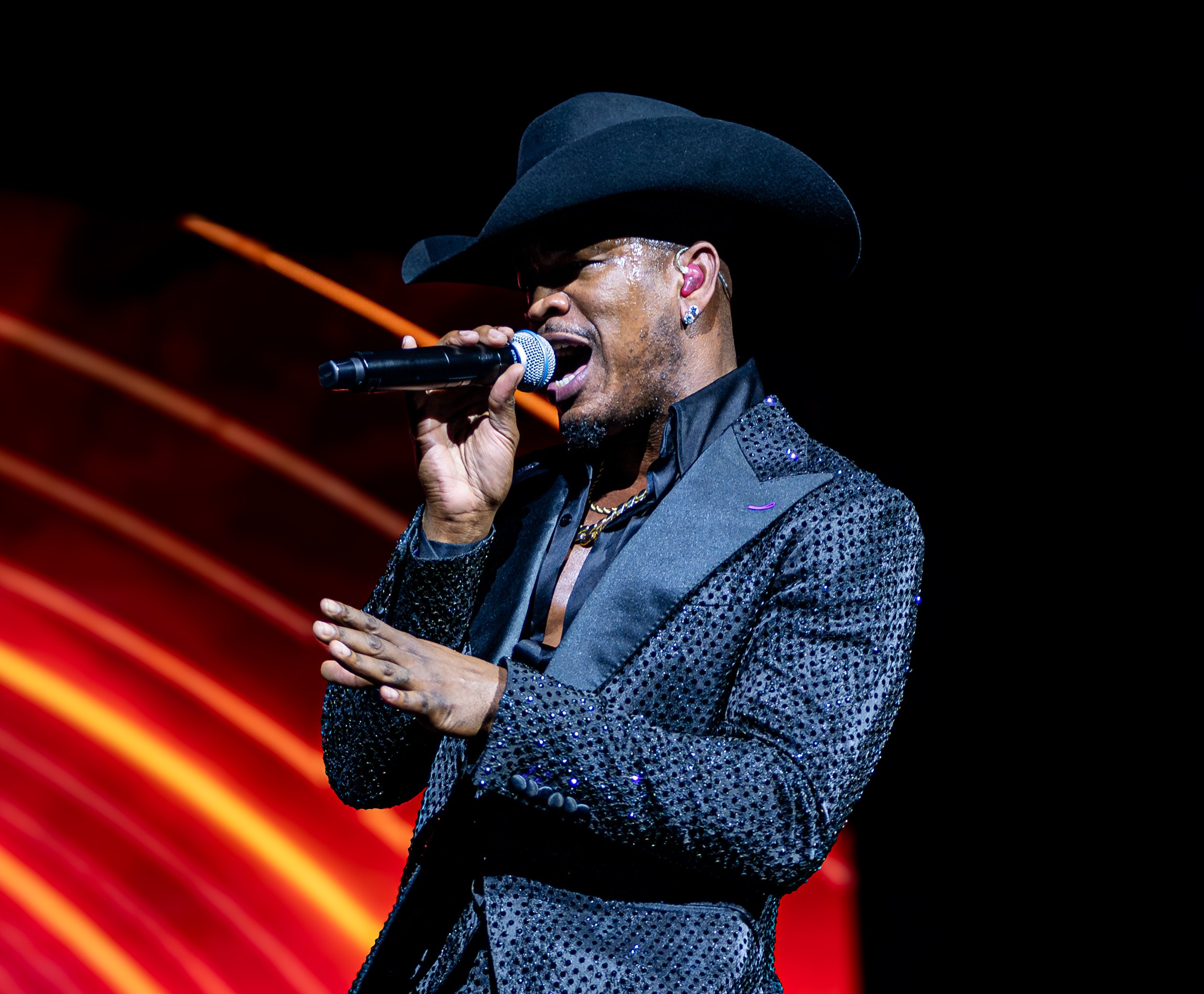 NE-YO ROCKS AS FANS FUME OVER DISAPPOINTMENT DESPITE COSTLY PAY
-
 STEVO SIMPLE BOY DUMPS WIFE AFTER DNA BOMBSHELL
-
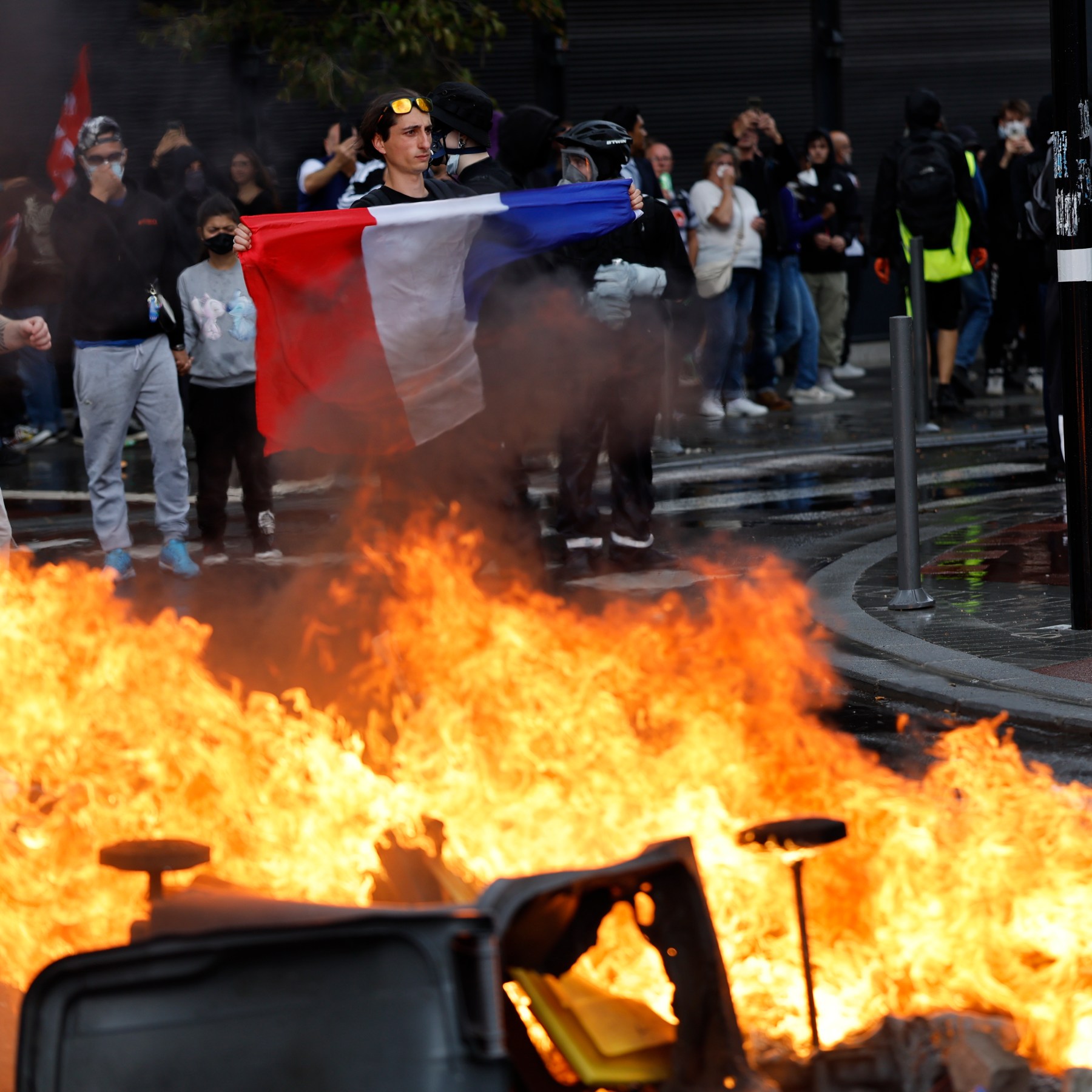 FRANCE IN FLAMES
WHY THE MEDIA WAS SHUT DURING THE WEDNESDAY PROTESTS
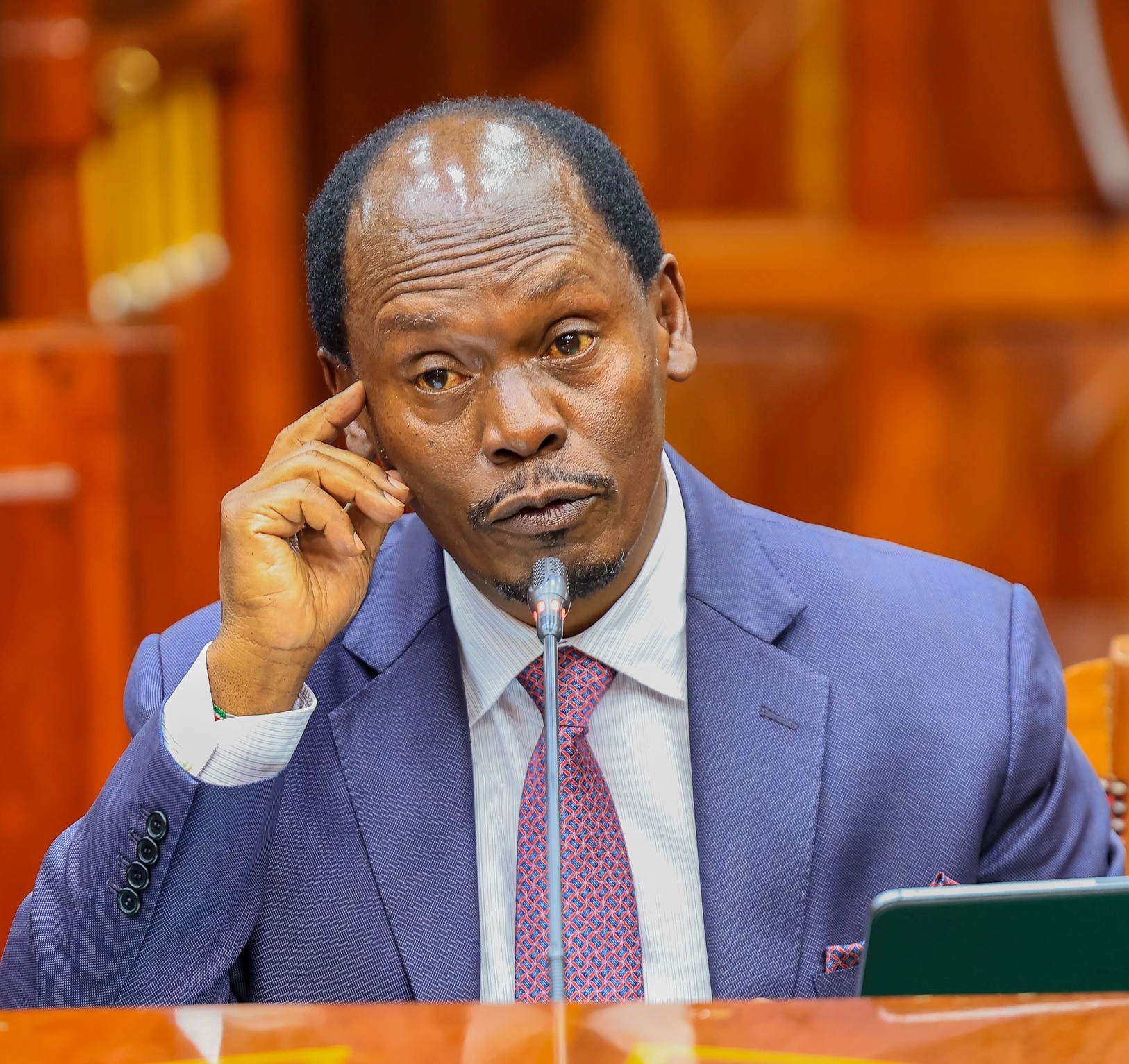
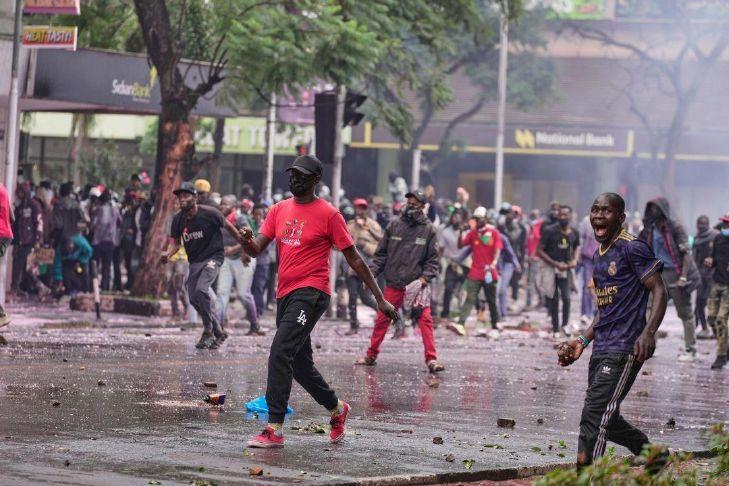
The government has justified its decision to halt media live streams during the June 25 Gen Z anniversary protests, citing the need to shield children from violent scenes aired on national television.
Information, Communication and Digital Economy Cabinet Secretary William Kabogo, appearing before the National Assembly Committee on Delegated Legislation on Thursday, said the blackout aligned with Kenya’s watershed rules meant to protect young viewers.
“There was a lot of violence aired during the time children were watching TV,” Kabogo told the lawmakers. “The directive was within the parameters of the watershed period.”
He furthered that the Communications Authority (CA) acted based on expert advice following an escalation of the mayhem.
But when pressed by MPs to clarify the legal grounds of the directive, Kabogo struggled to provide a clear justification.
Kathiani MP Robert Mbui questioned the legality of the move, urging the government to avoid arbitrary decision-making. “Situate it so that it is not left to the whims of the CS,” he said.
Mathare MP Anthony Oluoch followed posing : “Provide for circumstances when livestream can be stopped and when it can’t be stopped.”
In response, Kabogo admitted there was a legal mishap and promised to formalize the circumstances under which such measures could be taken.
He also disclosed that the ministry is in the final stages of drafting stricter media guidelines, especially on live coverage during sensitive national events.
His remarks echoed sentiments by Interior CS Kipchumba Murkomen, who last week accused the media of fueling chaos during the Gen Z-led demonstrations.
“Media houses became the centre of mobilisation for some of these protesters,” Murkomen said.
Meanwhile, the Communications Authority, through its Director General David Mugonyi, defended the directive in court filings responding to a case by the Law Society of Kenya (LSK). Mugonyi insisted the order was lawful and not a blanket ban.
“It only applied to live coverage, which was being misused to incite violence and fuel disorder,” read part of the statement filed through Koskei Mond Advocates LLP.
Mugonyi said the directive was consistent with Article 33(2) of the Constitution, which restricts hate speech and incitement, while still respecting Article 34(1), which protects media freedom.
He also faulted broadcasters for failing to activate profanity delay systems, resulting in raw and inflammatory footage being aired.
“The Authority never banned coverage of the protests—only the live airing,” he stated, linking the real-time broadcasts to a spike in violent incidents across Nairobi, Thika, and Nakuru, including the burning of Kikuyu Police Station and Kikuyu Law Courts.
The CA further cited international precedents, noting that countries such as the U.S., U.K., and India allow temporary media restrictions during civil unrest.
“The directive was not censorship, but responsible regulation in the interest of national safety,” Mugonyi said.
Even so, the High Court has issued conservatory orders suspending the directive pending full hearing. Justice Chacha Mwita extended the suspension on Wednesday and scheduled the next hearing for October 27.
The Law Society of Kenya maintains the directive was unconstitutional and is pushing for its complete annulment.

Comments (0)
No comments yet. Be the first to comment!