

-
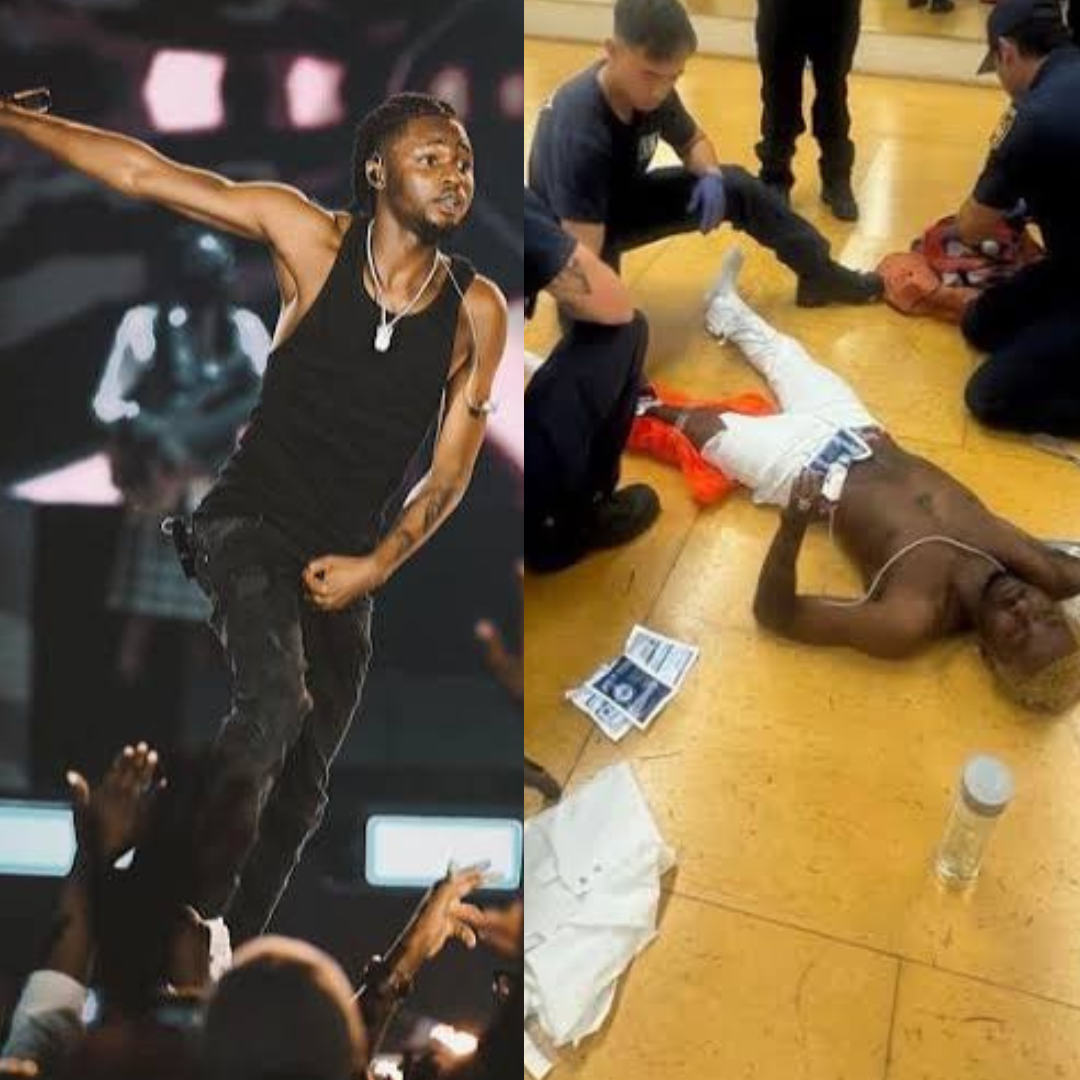 OMAH LAY HOSPITALISED AFTER ACCIDENT DURING TOUR REHEARSAL
-
 NJERI MAINA, MURANGO DROP ‘HIT AND RUN’ REAGGAE BANGER
-
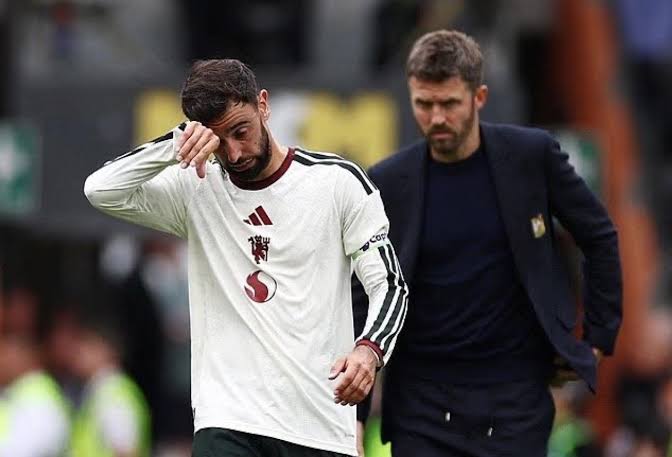 BRUNO THROWS REPENTANT CARRICK UNDER THE BUS
-
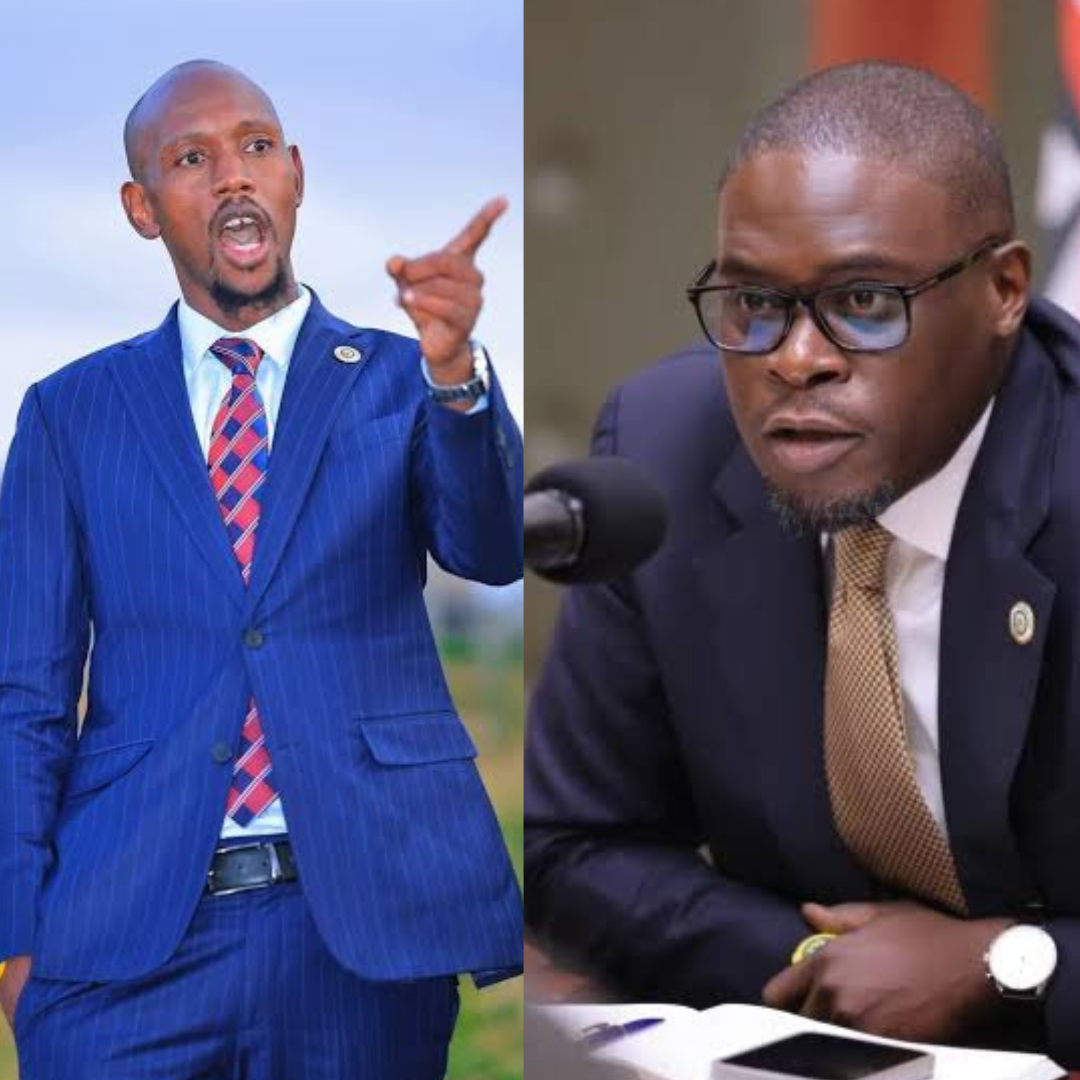 MOSIRIA FIRES SARCASTIC SHOT AT SAKAJA AFTER SACKING
-
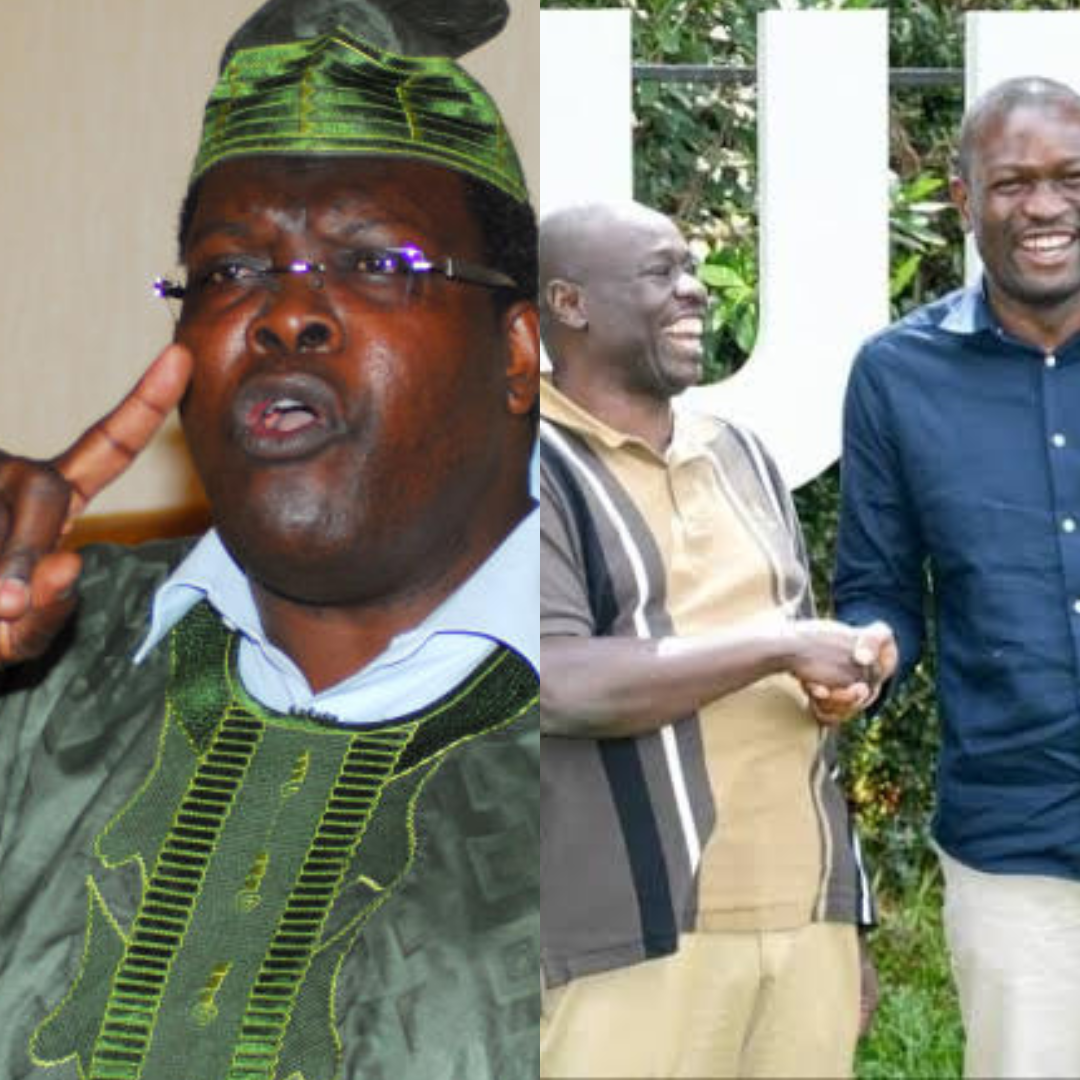 SIFUNA’S 2027 BID DOOMED BY OLD GUARD ALLIANCE- MIGUNA
-
 NE-YO ROCKS AS FANS FUME OVER DISAPPOINTMENT DESPITE COSTLY PAY
-
 STEVO SIMPLE BOY DUMPS WIFE AFTER DNA BOMBSHELL
-
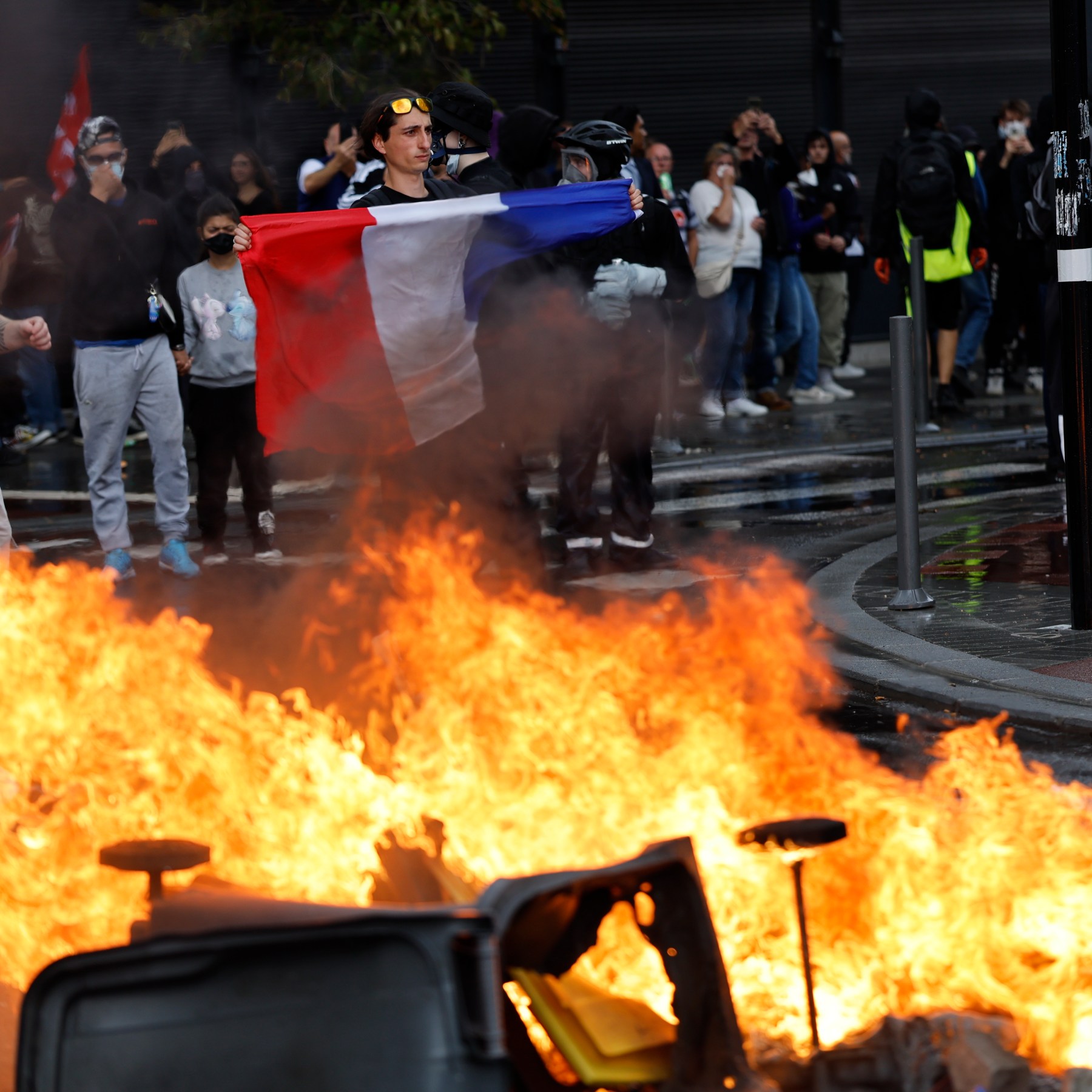 FRANCE IN FLAMES
-
 BABU SALUTES LATE FATHER, MOTHER AND RAILA IN MASHUJAA TRIBUTE
BURKINA FASO JUNTA DISSOLVES INDEPENDENT ELECTORAL COMMISSION
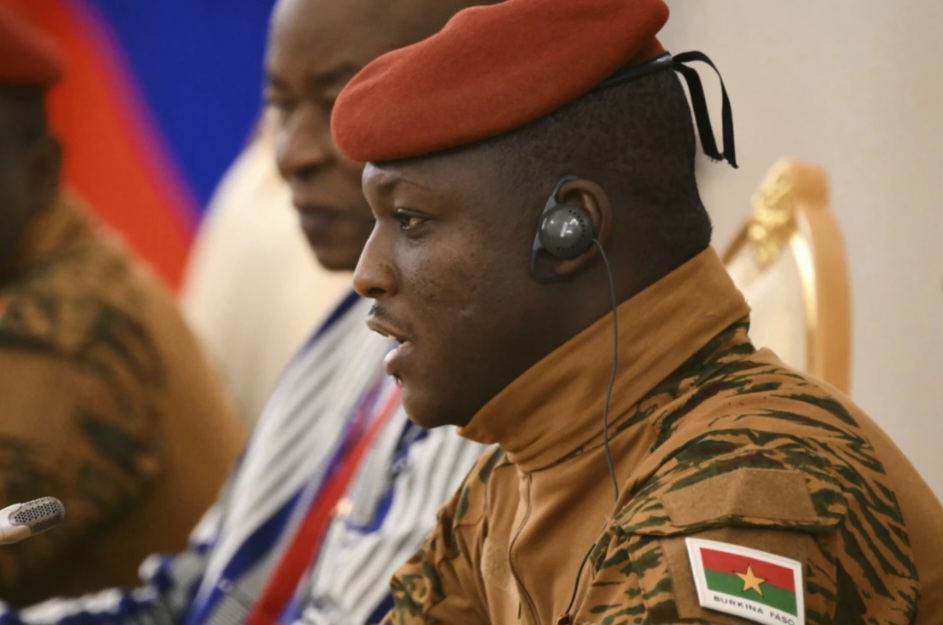
Burkina Faso’s military-led government under Captain Ibrahim Traoré has officially dissolved the country’s Independent National Electoral Commission (CENI), transferring all electoral responsibilities to the Ministry of Territorial Administration.
In a decree read on national television, the junta stated that the move was aimed at cutting costs and “restoring sovereignty” over the electoral process. Authorities claim that CENI required over $870,000 (CFA 500 million) annually in state subsidies.
The decision comes nearly three years after Captain Traoré seized power in a 2022 coup, ousting then-leader Lt. Col. Paul-Henri Damiba. While the junta had initially pledged to return the country to civilian rule by July 2024, a revised charter recently extended the transition period until July 2029, drawing criticism from opposition groups and civil society organizations.
“This decision further weakens the democratic structures of Burkina Faso,” said one civil society leader in Ouagadougou who requested anonymity. “Without an independent electoral body, free and fair elections are no longer guaranteed.”
The move aligns with broader trends across the Sahel region, where military regimes in Mali and Niger have also delayed democratic transitions and taken steps to consolidate power.
Burkina Faso continues to battle a worsening insurgency linked to al-Qaeda and ISIS affiliates, with thousands killed and nearly two million people displaced. The junta argues that maintaining stability and defeating terrorism must take precedence over immediate elections.
However, critics argue that the erosion of democratic institutions could plunge the country deeper into authoritarianism.
Comments (0)
No comments yet. Be the first to comment!