

-
 AMBIА’S ABSURD COURTROOM EXPRESSIONS SPARK UPROAR
-
 OMAH LAY HOSPITALISED AFTER ACCIDENT DURING TOUR REHEARSAL
-
 NJERI MAINA, MURANGO DROP ‘HIT AND RUN’ REAGGAE BANGER
-
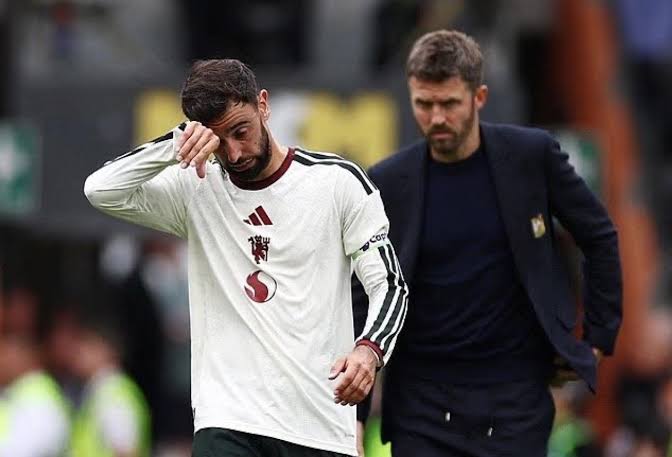 BRUNO THROWS REPENTANT CARRICK UNDER THE BUS
-
 MOSIRIA FIRES SARCASTIC SHOT AT SAKAJA AFTER SACKING
-
 SIFUNA’S 2027 BID DOOMED BY OLD GUARD ALLIANCE- MIGUNA
-
 NE-YO ROCKS AS FANS FUME OVER DISAPPOINTMENT DESPITE COSTLY PAY
-
 STEVO SIMPLE BOY DUMPS WIFE AFTER DNA BOMBSHELL
-
 FRANCE IN FLAMES
GOVERNMENT REVIEWS FUTURE OF UNDER-ENROLLED SECONDARY SCHOOLS AMID FUNDING CONCERNS
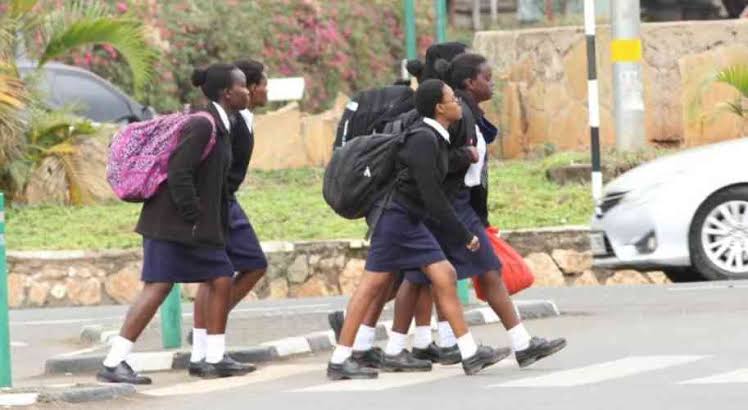
The Ministry of Education is currently engaging stakeholders to determine the future of over 3,000 secondary schools facing low student enrolment, amid growing concerns about the inefficient use of public resources. Basic Education Principal Secretary Julius Bitok clarified that no schools have been closed yet, but consultations are ongoing. “As of now, we haven’t shut down any of these schools. However, we are in discussions with stakeholders to decide the best way forward. Some of these institutions may be converted into junior secondary schools,” Bitok stated.
This development follows criticism over how capitation funds are being allocated, with reports revealing that some under-enrolled schools receive more funding than necessary, while others with large student populations are struggling financially. “There are cases where schools have as few as five students but up to ten teachers. These are the situations we’re reviewing to determine the most effective response,” Bitok explained.
Despite these funding challenges, the PS emphasized the government’s continued commitment to providing free primary and secondary education, while acknowledging current delays in the disbursement of capitation funds. “We want to reaffirm that free education is still a reality. While there have been delays, we are working to ensure smooth operations,” he said.
Bitok also urged school boards of management to exercise financial prudence and avoid accumulating unnecessary debt.


Comments (0)
No comments yet. Be the first to comment!