

-
 AMBIА’S ABSURD COURTROOM EXPRESSIONS SPARK UPROAR
-
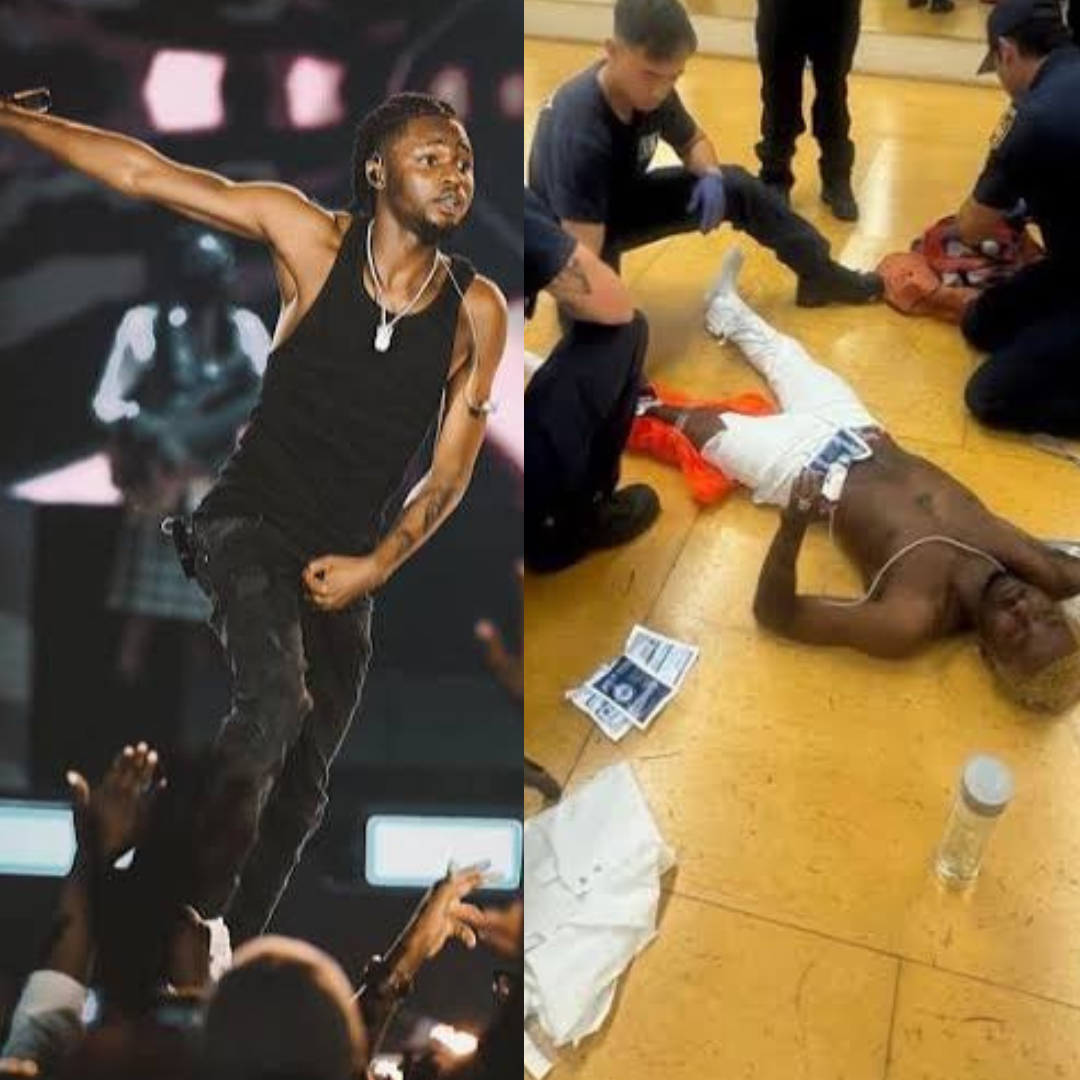 OMAH LAY HOSPITALISED AFTER ACCIDENT DURING TOUR REHEARSAL
-
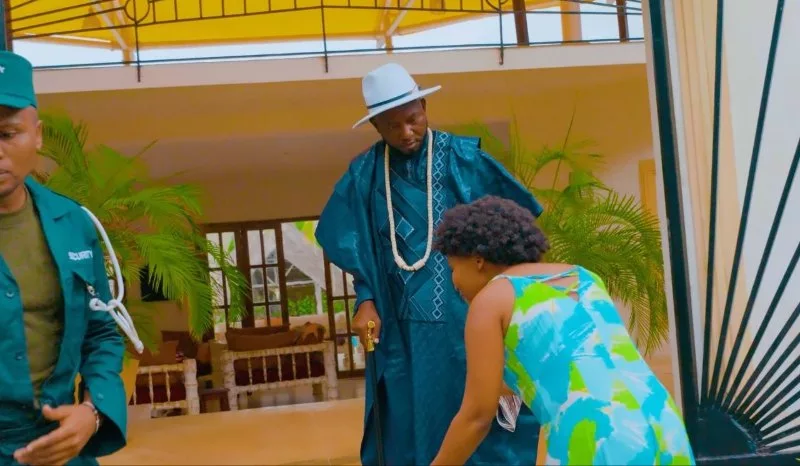 NJERI MAINA, MURANGO DROP ‘HIT AND RUN’ REAGGAE BANGER
-
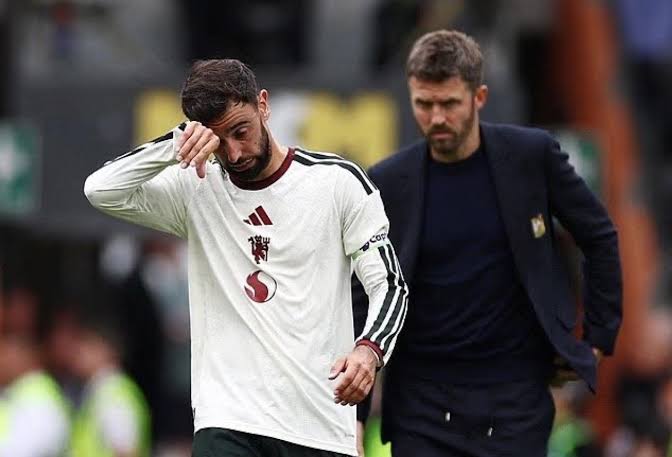 BRUNO THROWS REPENTANT CARRICK UNDER THE BUS
-
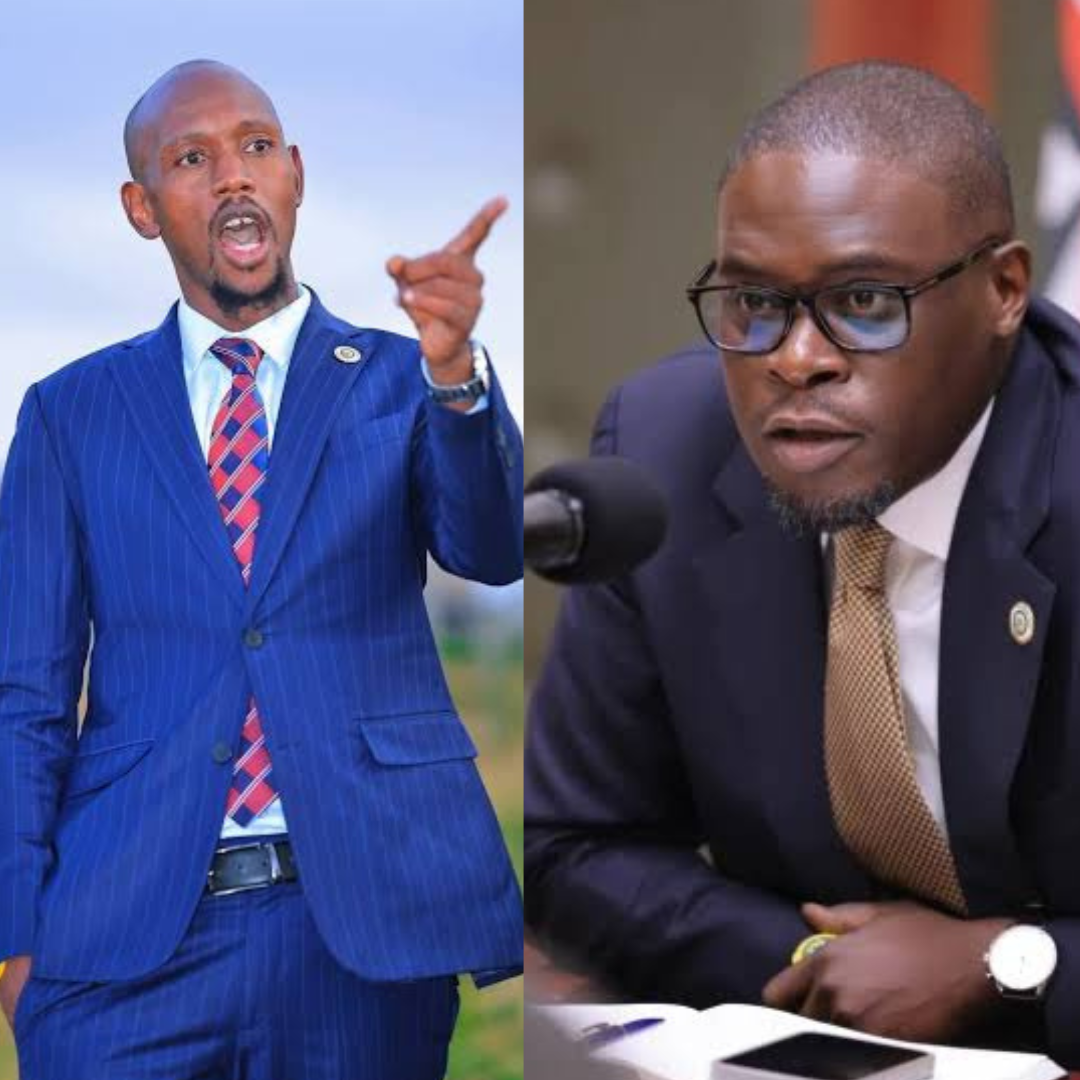 MOSIRIA FIRES SARCASTIC SHOT AT SAKAJA AFTER SACKING
-
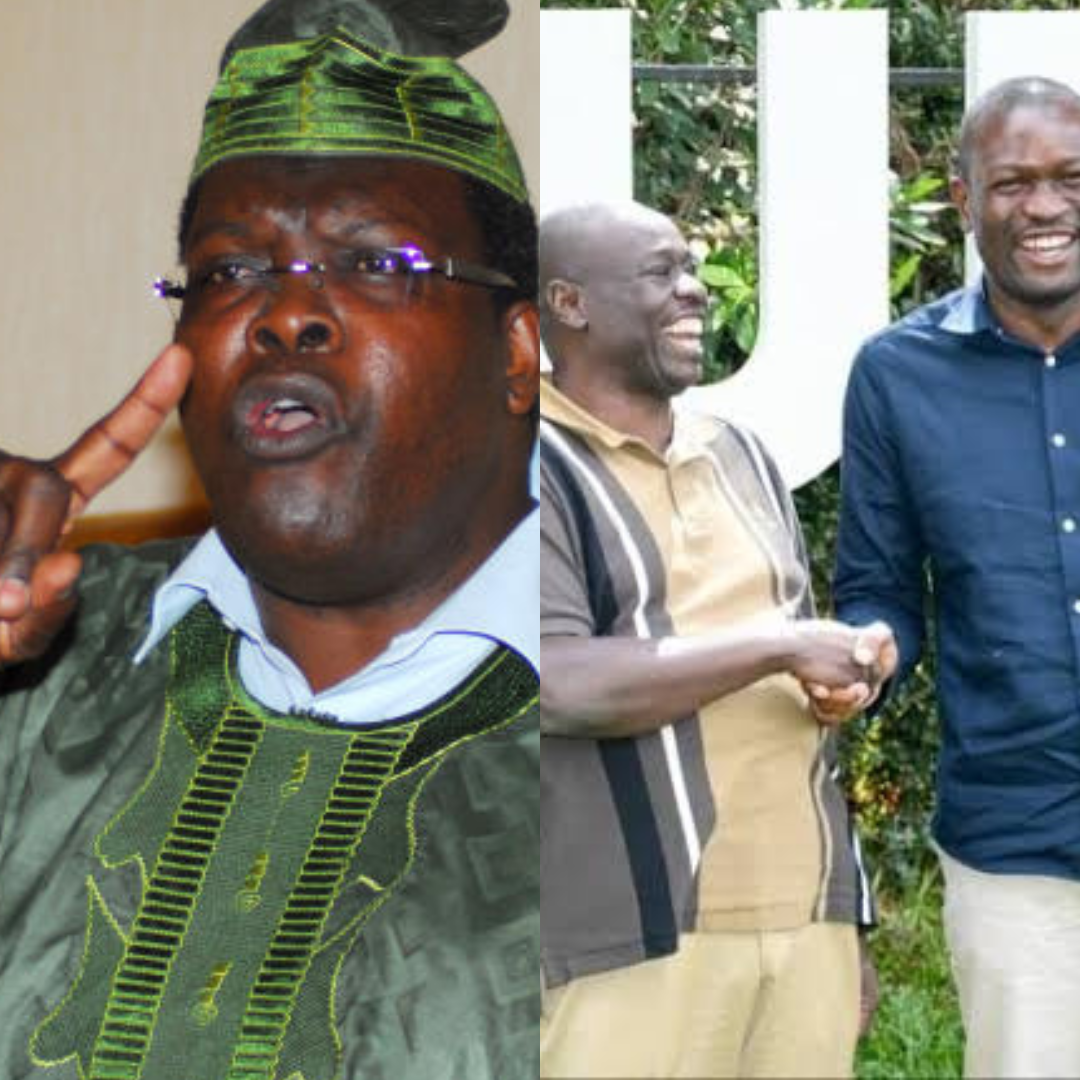 SIFUNA’S 2027 BID DOOMED BY OLD GUARD ALLIANCE- MIGUNA
-
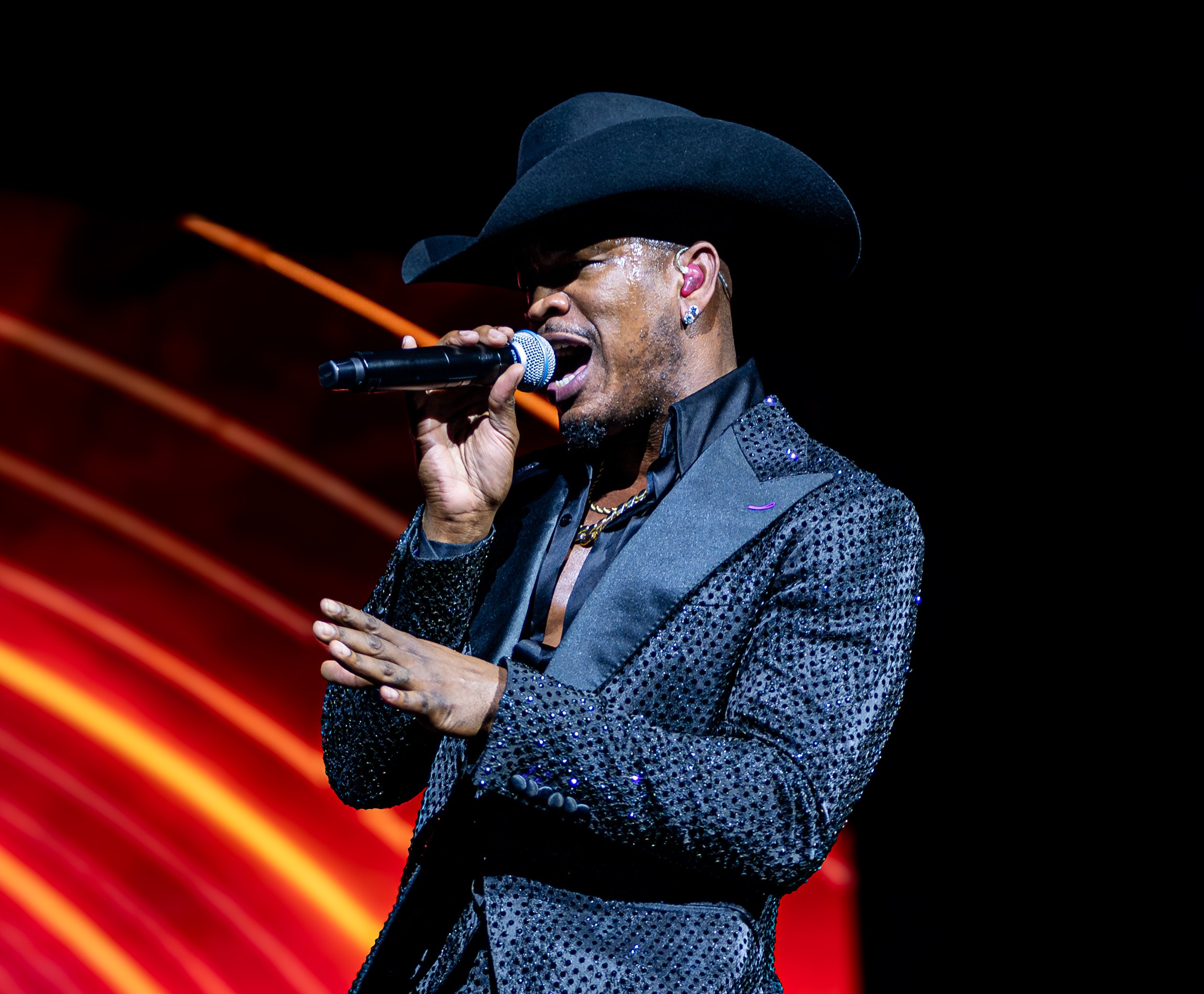 NE-YO ROCKS AS FANS FUME OVER DISAPPOINTMENT DESPITE COSTLY PAY
-
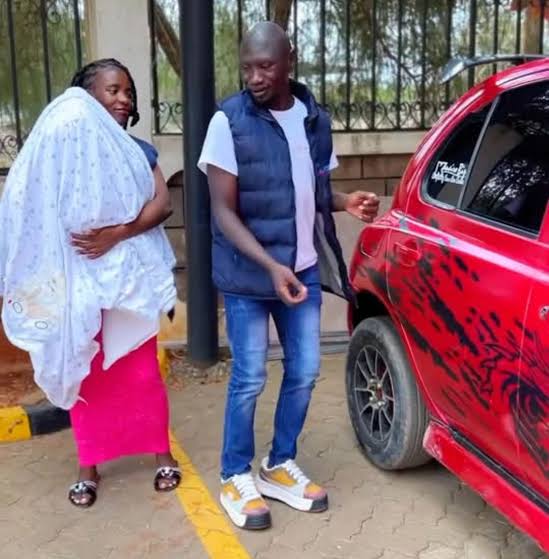 STEVO SIMPLE BOY DUMPS WIFE AFTER DNA BOMBSHELL
-
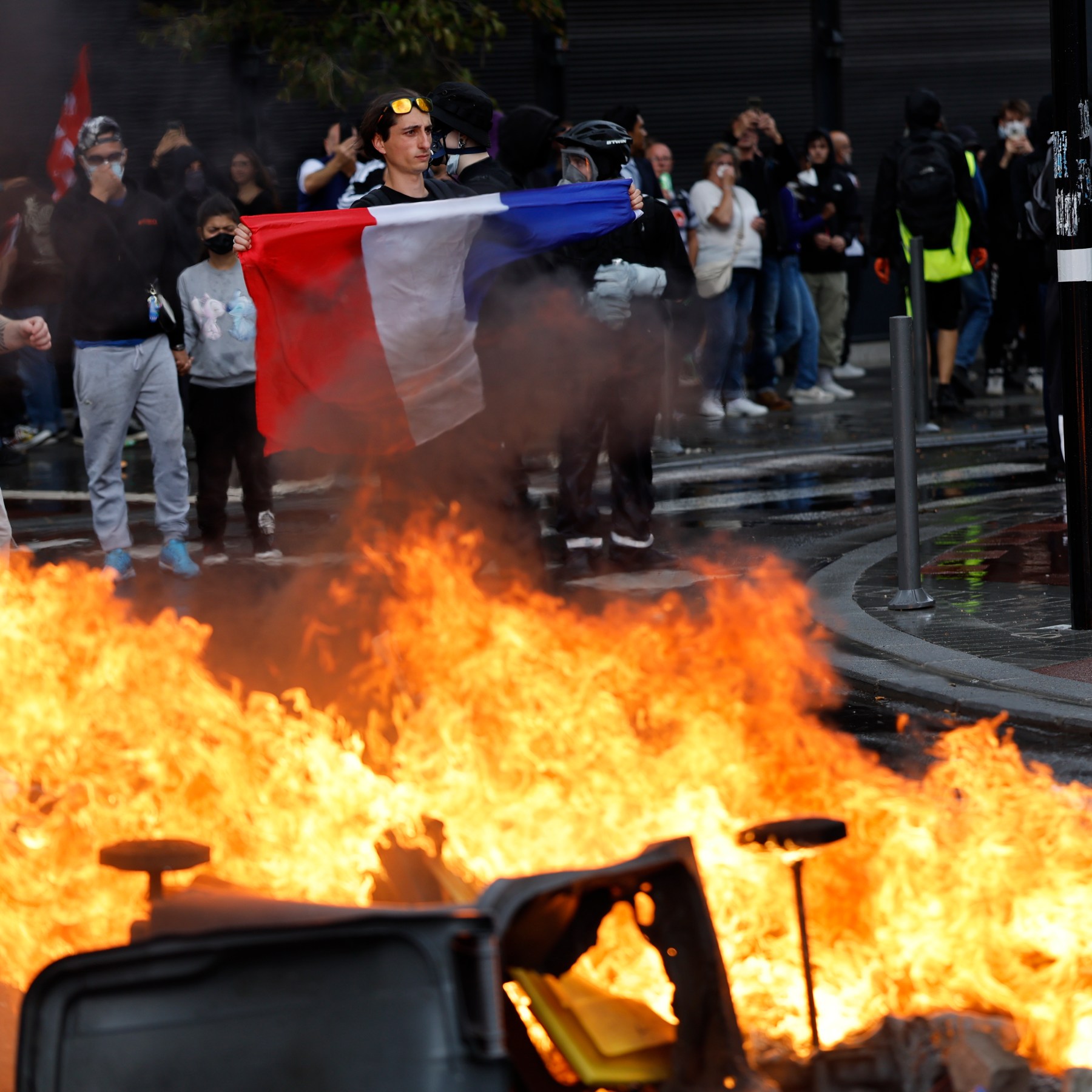 FRANCE IN FLAMES
RAILA'S ABSENCE HARDENS RUTO'S RE-ELECTION - TIFA
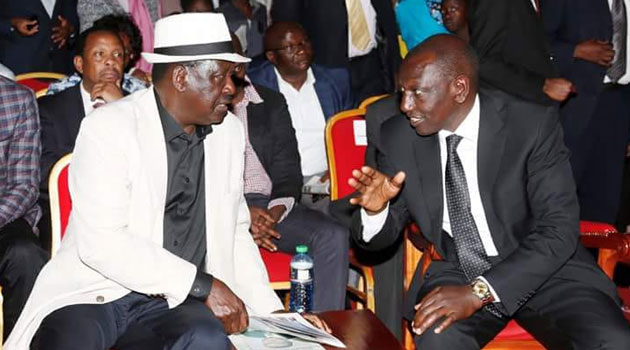
According to a new TIFA Research survey, Raila’s absence could quietly become one of the biggest obstacles to Ruto’s 2027 re-election bid.
The poll shows that 41 per cent of Kenyans believe President Ruto’s chances of securing a second term have become harder in a post-Raila political environment.
Only 30 per cent of respondents think Raila’s absence would make Ruto’s re-election easier, while 18 per cent believe it would have no impact at all. Another 10 per cent remain unsure, reflecting a country still grappling with an unfamiliar political reality.
For decades, Raila Odinga played a paradoxical role in Kenyan politics , from being a challenger to a stabiliser. He always found ways of merging with his opponents after presidential setbacks - and his presence has undoubtedly seem to queel any anti-government mayhem.
TIFA’s findings suggest that Raila’s absence may actually expose President Ruto to new vulnerabilities, including fractured political alliances.and weakened mobilisation machinery.
The survey also examined public attitudes towards the Broad-Based Government (BBG) arrangement that brought together Ruto and Raila before the latter’s death.
Among BBG supporters, 72 per cent cited national unity, reduced ethnic tension, and political calm as the biggest gains. Yet the same arrangement appears to have unsettled traditional support bases on both sides.
While 40 per cent of BBG supporters believe Ruto’s chances improve without Raila, the picture shifts dramatically among BBG opponents. More than half (54 per cent) of those opposed to the coalition say Raila’s absence makes Ruto’s re-election harder — a sign that the president may struggle to hold together a coalition once bound by political necessity rather than ideology.
Moreover, half of the respondents expect ODM to exit government and return to opposition ahead of 2027, but there is little consensus on who should lead that charge.
The poll shows:
34% want ODM to back one of its own leaders
24% prefer the party to leave the choice to voters
20% want ODM to support another opposition figure
19% would even consider backing Ruto under specific conditions
This fragmentation underscores a broader truth emerging from the data: Kenya’s political centre is drifting, and no party currently commands firm loyalty.
Perhaps most striking is the surge in undecided voters. As of November 2025, 30 per cent of Kenyans are politically uncommitted, double the figure recorded after the 2022 elections.
Both ODM and UDA have seen sharp declines in support, with ODM standing at 20 per cent and UDA at 16 per cent, down significantly from their post-election highs.
Raila Odinga’s warmth and political support would have given President William Ruto a significant advantage, allowing him to tap into a large share of Raila’s organic support base in addition to his own. Even with an anticipated decline in popularity in the Mt Kenya region, Ruto would likely have staged a strong comeback by consolidating Raila’s traditional strongholds alongside his Rift Valley backyard.
However, prevailing political circumstances and recent opinion polls suggest a different reality. Raila’s departure has triggered a notable shift, with some of the support Ruto previously enjoyed by virtue of Raila’s backing drifting toward the emerging United Opposition or into the undecided voter category.
Comments (0)
No comments yet. Be the first to comment!