

-
 MBAVU DESTROYER ENTERS 2027 POLITICAL RACE
-
 AMBIА’S ABSURD COURTROOM EXPRESSIONS SPARK UPROAR
-
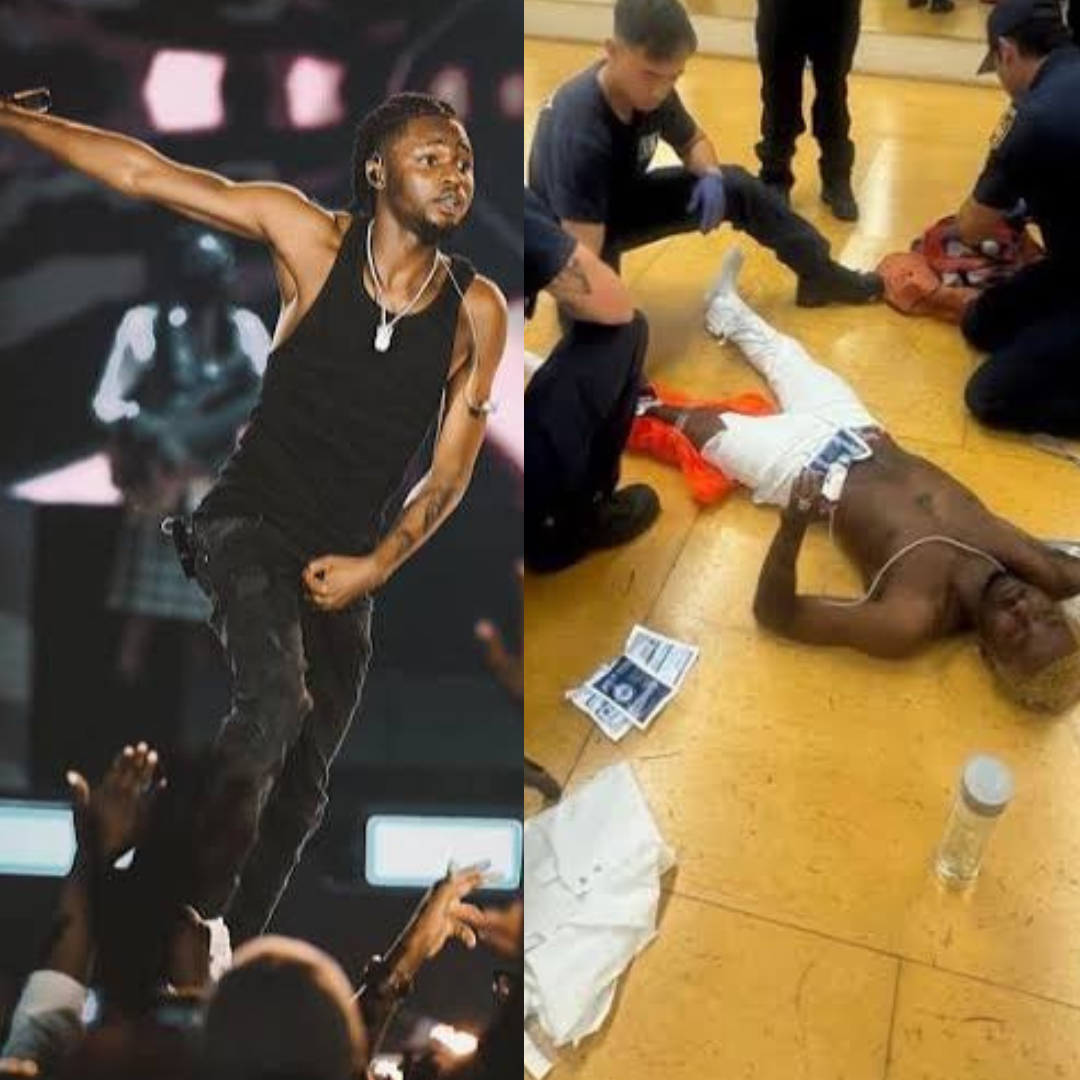 OMAH LAY HOSPITALISED AFTER ACCIDENT DURING TOUR REHEARSAL
-
 NJERI MAINA, MURANGO DROP ‘HIT AND RUN’ REAGGAE BANGER
-
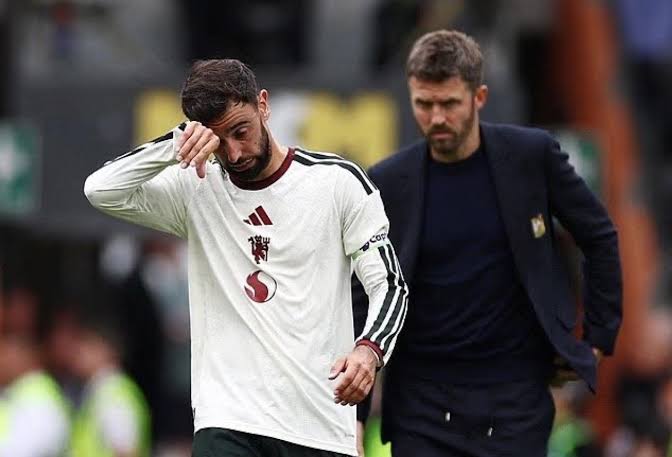 BRUNO THROWS REPENTANT CARRICK UNDER THE BUS
-
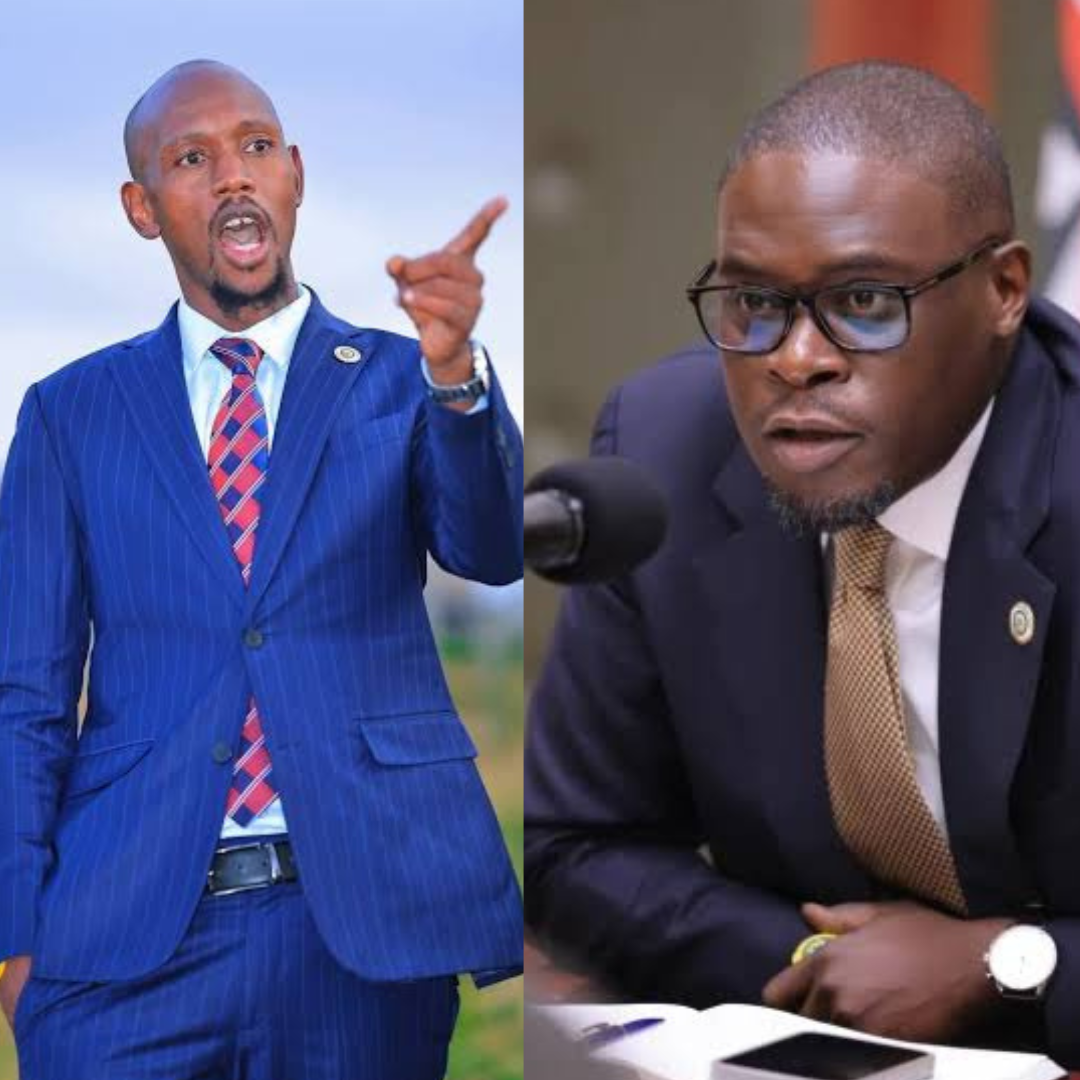 MOSIRIA FIRES SARCASTIC SHOT AT SAKAJA AFTER SACKING
-
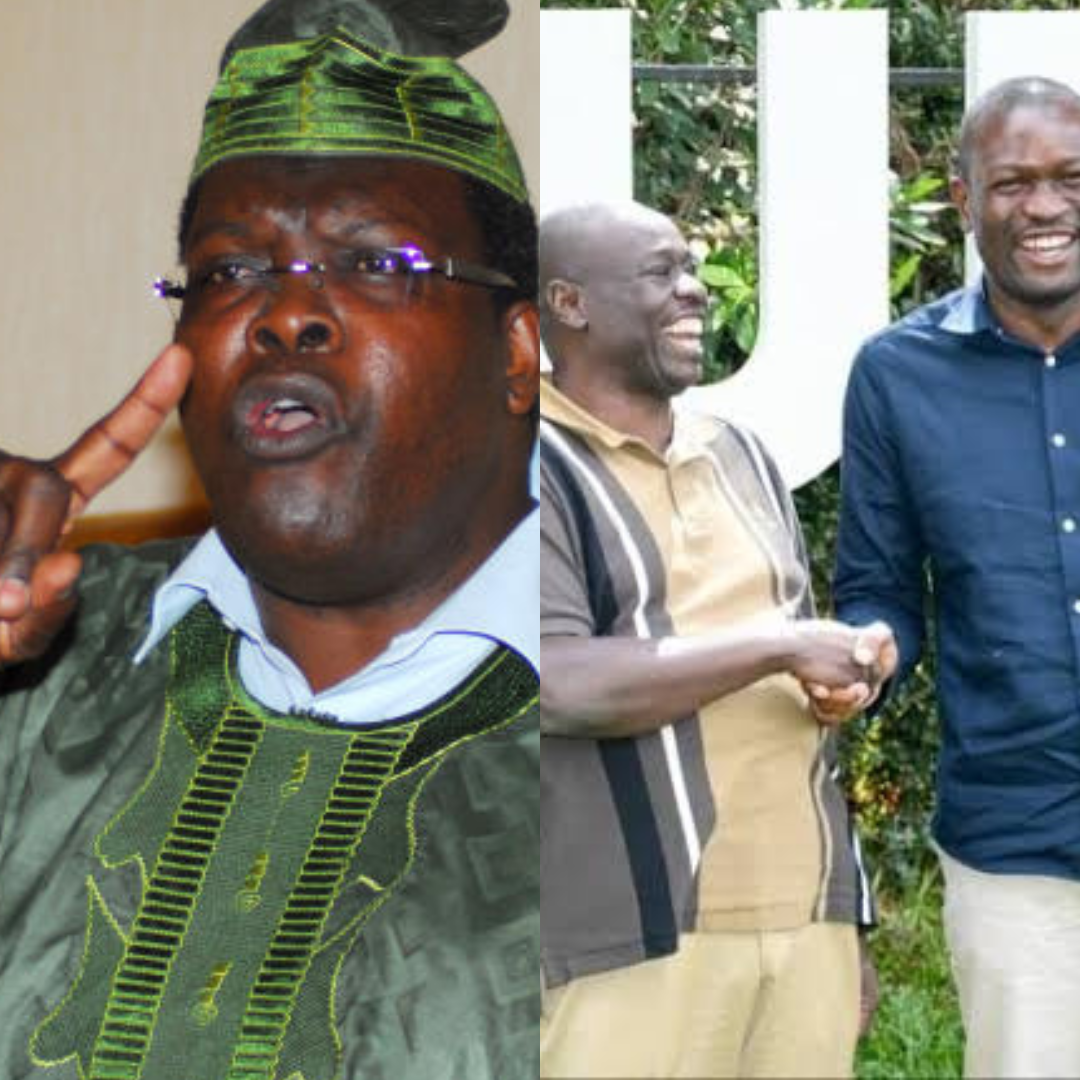 SIFUNA’S 2027 BID DOOMED BY OLD GUARD ALLIANCE- MIGUNA
-
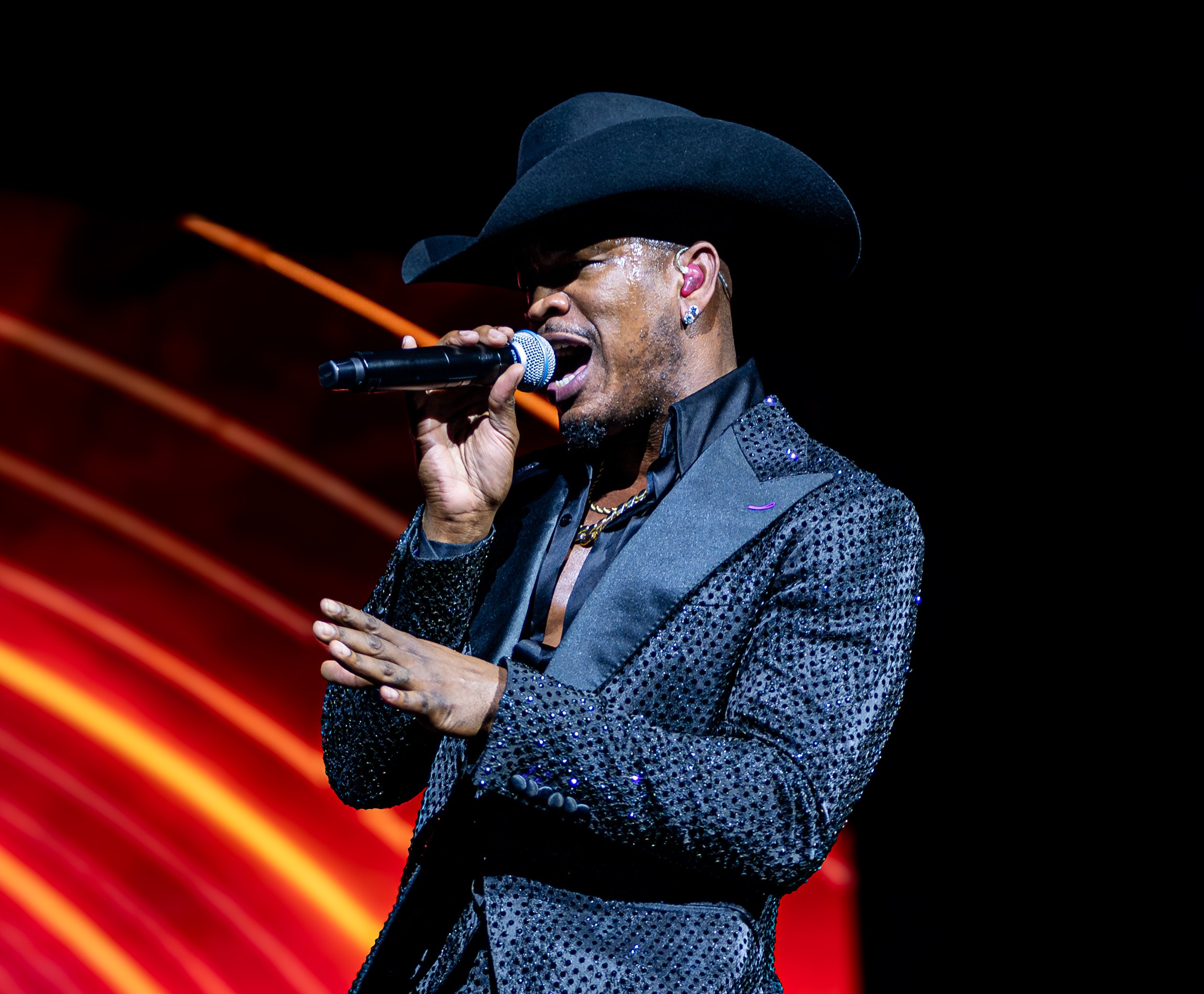 NE-YO ROCKS AS FANS FUME OVER DISAPPOINTMENT DESPITE COSTLY PAY
-
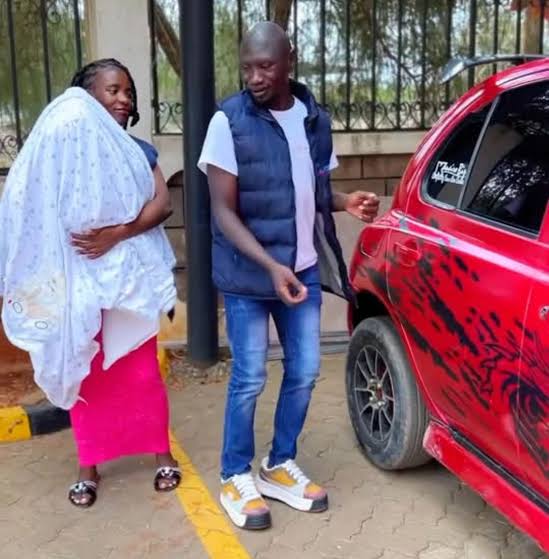 STEVO SIMPLE BOY DUMPS WIFE AFTER DNA BOMBSHELL
SABA SABA DAY : A LEGACY OF RESISTANCE AND FIGHT FOR JUSTICE
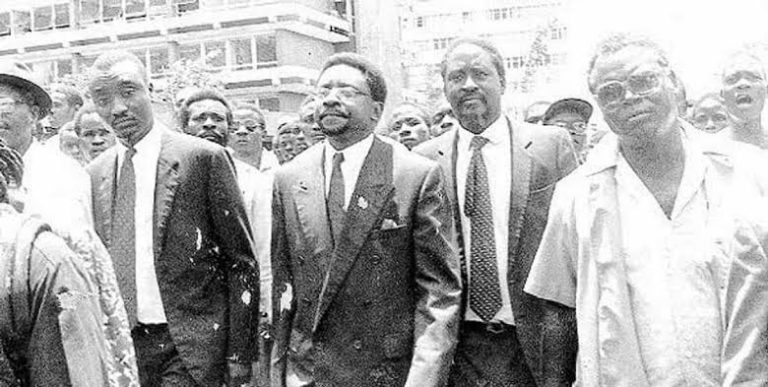
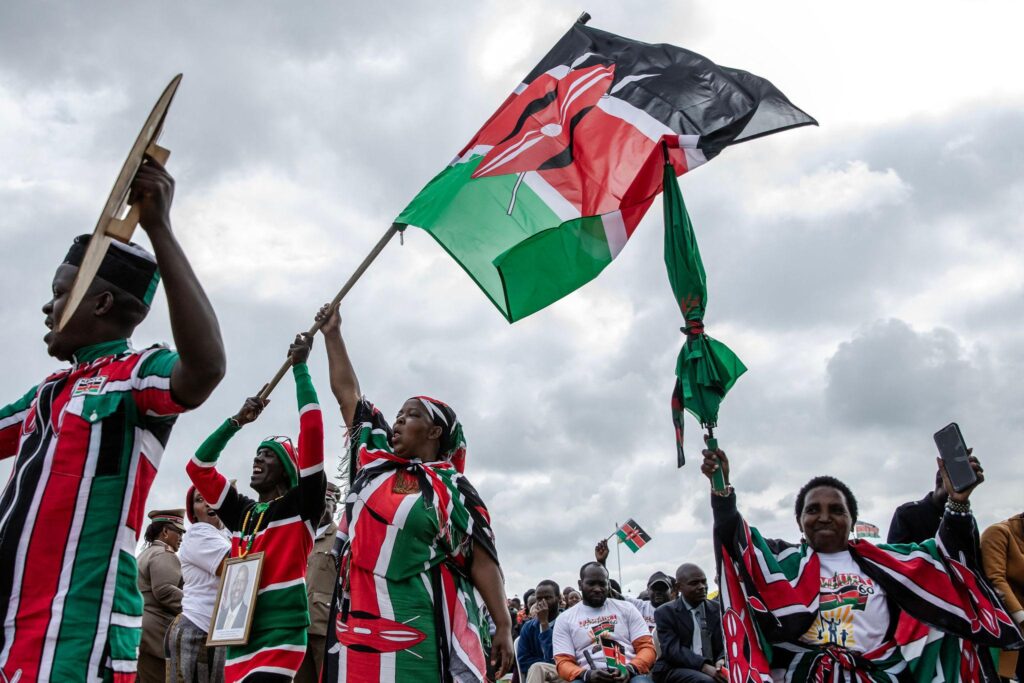
As Kenya approaches July 7, the country prepares once again to mark Saba Saba Day—a powerful symbol of defiance, democracy, and the enduring struggle for justice.
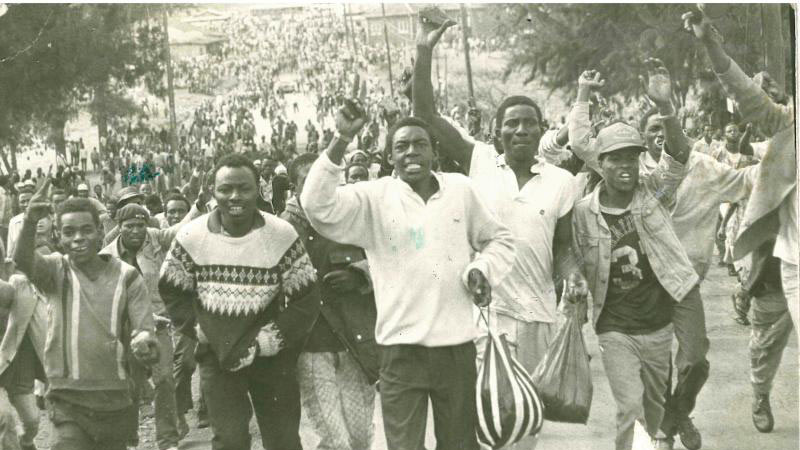
First observed in 1990, Saba Saba, which translates to "seven-seven" in Kiswahili, commemorates the historic protests held on July 7 of that year, when opposition leaders defied a repressive regime to demand the return of multi-party democracy. Since then, the date has transformed into a rallying point for civil liberties, good governance, and resistance against state excesses.
The seeds of Saba Saba were planted during President Daniel Arap Moi's authoritarian rule, when Kenya operated under a de jure single-party system, formally declared in 1982 through a constitutional amendment that cemented KANU's grip on power.
By the late 1980s, mounting public frustration over economic decline, corruption, tribal exclusion, and political repression created a fertile ground for resistance. Freedoms of expression and the press were severely curtailed, while opposition leaders were routinely harassed, arrested, or exiled.
On June 6, 1990, prominent political figures including Kenneth Matiba, Charles Rubia, and Jaramogi Oginga Odinga called for a pro-democracy rally at Nairobi’s Kamukunji Grounds to be held on July 7. Though banned by the Moi regime, the rally went ahead—sparking a massive crackdown. Protesters were violently dispersed, dozens were arrested, and some leaders were detained without trial.
Despite the brutality, the resistance marked a turning point.
Relentless pressure from civil society, international partners, and political opposition culminated in a historic moment on December 2, 1991, when Moi announced the repeal of Section 2A of the Constitution, restoring Kenya to a multi-party democracy.
This paved the way for the 1992 general elections, which saw President Moi retain power under KANU against challengers such as Kenneth Matiba of Ford Asili, in the country’s first multi-party polls in over two decades. Nineteen new political parties were registered, marking a critical shift in Kenya’s democratic landscape.
In the years since, Saba Saba has evolved from a political milestone to a broader civil rights movement. Human rights defenders, youth groups, and social justice activists have reclaimed the day to call for accountability, constitutionalism, and respect for human dignity.
In 2023, ODM leader Raila Odinga led demonstrations at Kamukunji Grounds demanding economic reforms and a repeal of the controversial Finance Act 2023.
The following year, 2024, Kenyans converged at Uhuru Park in memory of youth who lost their lives during nationwide protests against the Finance Bill. Led by activist Boniface Mwangi, the day featured a memorial concert by top Kenyan musicians, honoring lives lost in the fight for a just society.
This year, Saba Saba lands on a Monday, July 7, with Kenyans once again preparing to occupy streets across the nation. The message remains consistent: demand for better governance, an end to police brutality, and justice for victims of state violence.
Calls for reform are gaining urgency, with many young people leading the charge—armed not with weapons, but with conviction, courage, and the memory of those who dared to dream of a freer Kenya.
As the country marks 35 years since the first Saba Saba protests, the legacy of that day lives on—not just as a date on the calendar, but as a living testament to the power of collective resistance.

Comments (0)
No comments yet. Be the first to comment!