

-
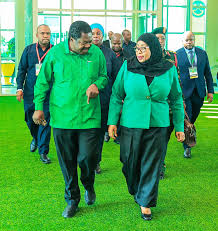 TANZANIA VP RESIGNS AMID SPECULATION OVER STRAIN WITH PRESIDENT SULUHU
-
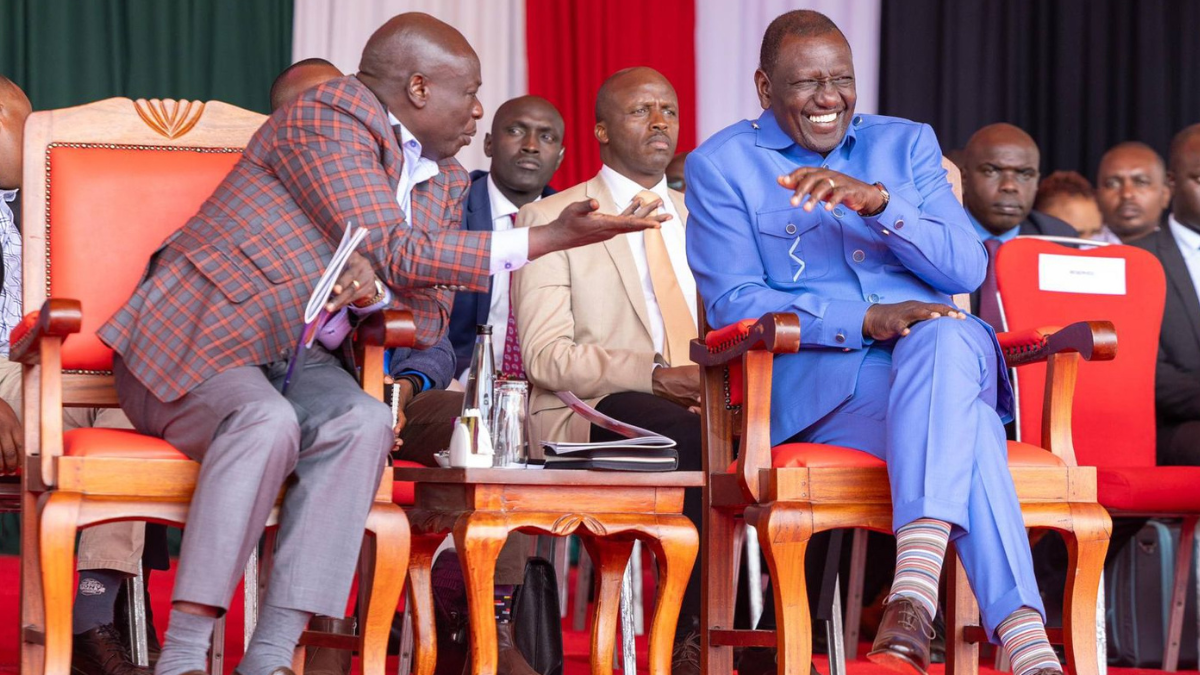 RUTO, GACHAGUA DRAW THE LINE ON 2027 DEAL
-
 TREVOR, DJ SHITI TRADE BARBS OVER HEHA MOVERS MANAGEMENT
-
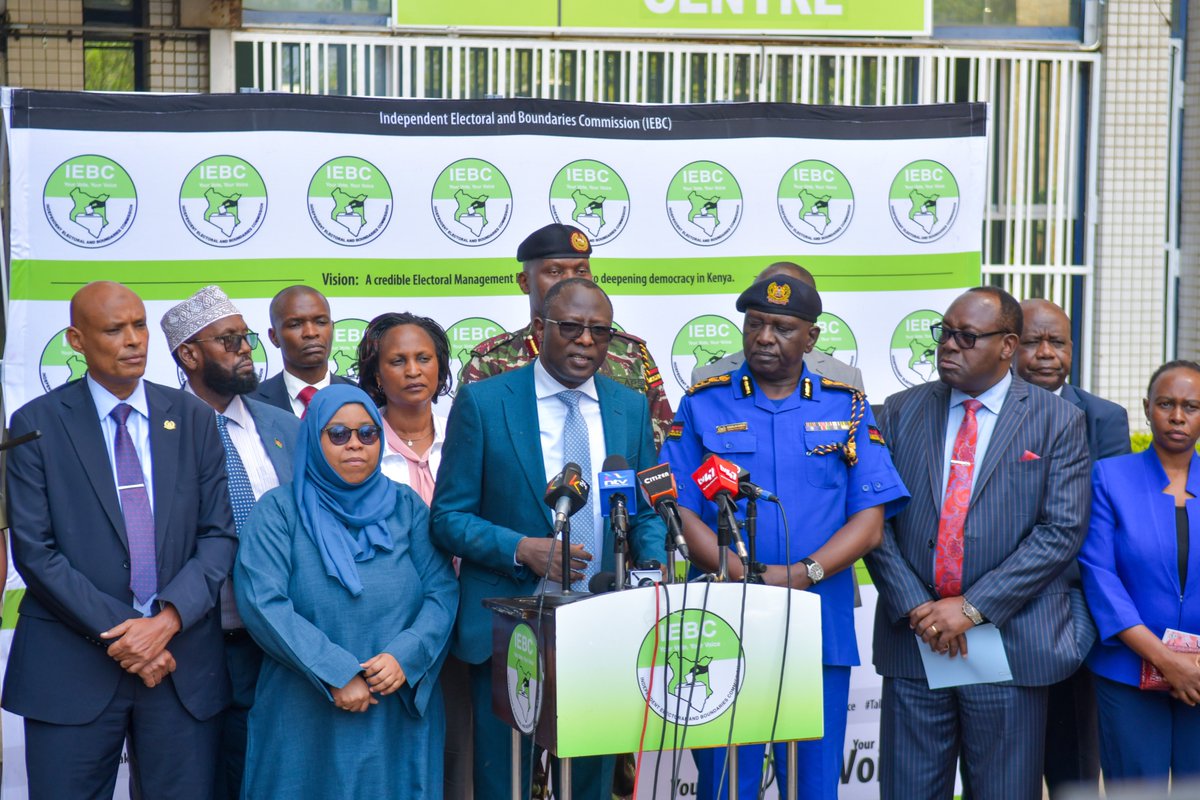 IEBC BANS CAMPAIGNS BEFORE MAY 29, 2027
-
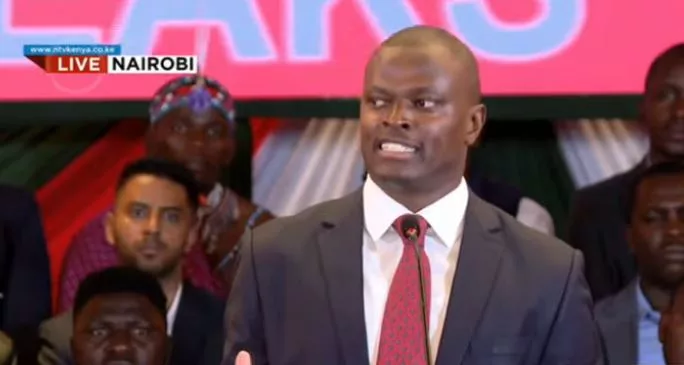 Ndindi Nyoro joins opposition after UDA exit
-
 RONALDO AND GEORGINA FLAUNT WEDDING RINGS
-
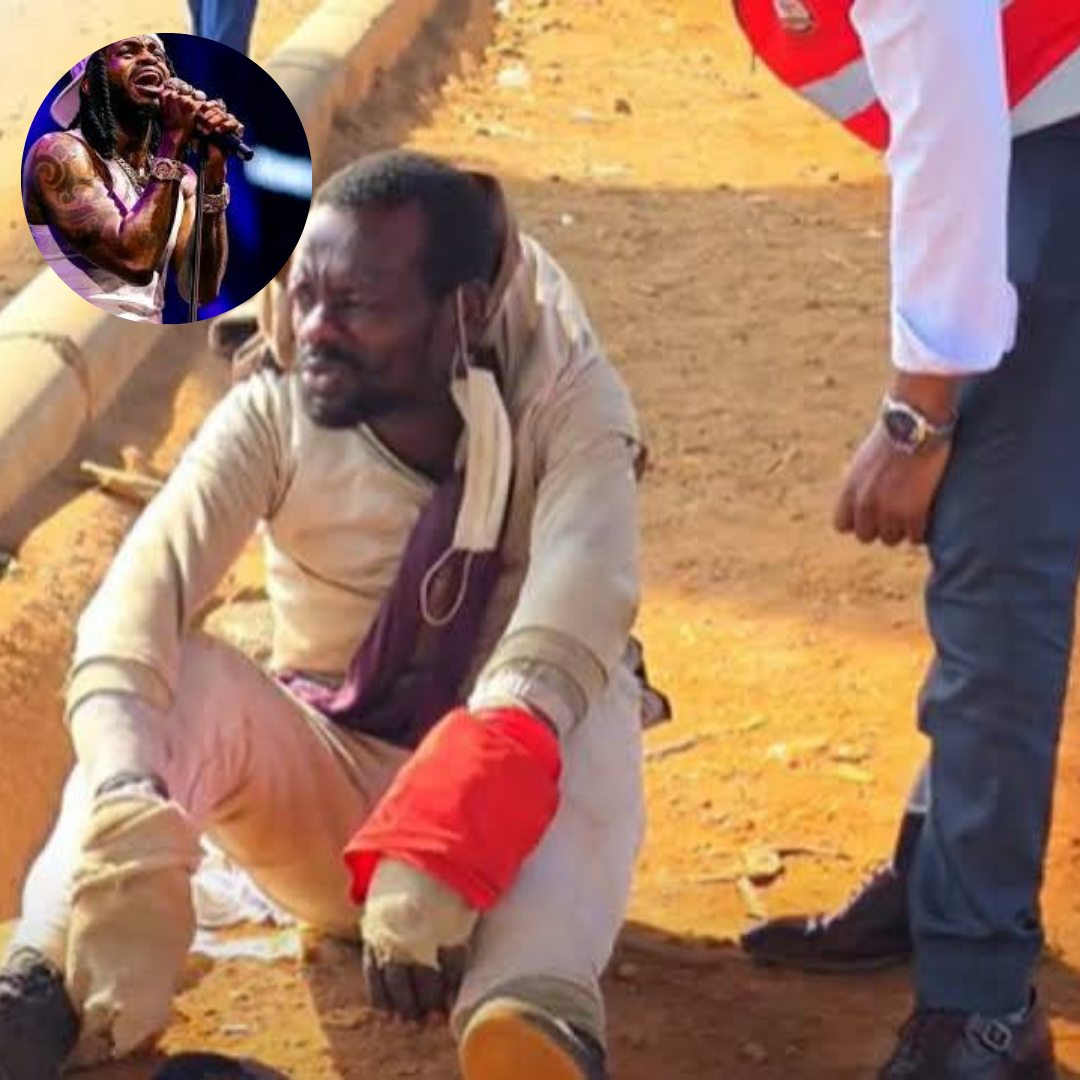 DIAMOND’S FORMER DJ RESCUED FROM STREETS
-
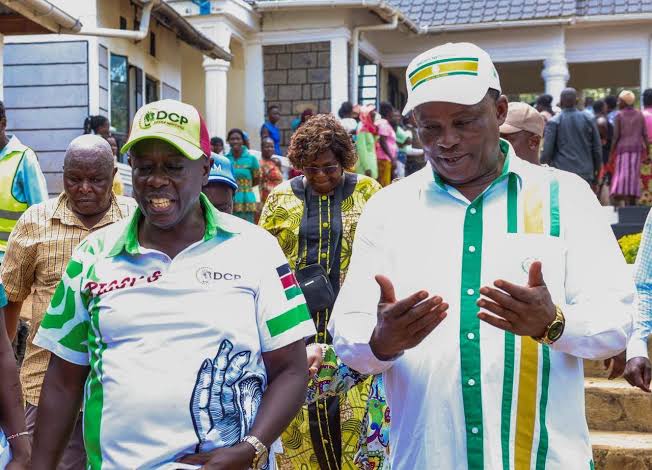 MUTURI REJECTS GACHAGUA’S ‘HYENA COALITION’
-
 YUNGE’S ALLEGED EX CRIES FOUL AFTER CHARLENE’S WEDDING
SENEGAL STRIPPED OF AFCON, MOROCCO DECLARED CHAMPIONS

In a dramatic turn of events, Senegal has been stripped of its 2025 Africa Cup of Nations (AFCON) title, with Morocco declared the new champions by the Confederation of African Football (CAF) Appeal Board. The decision comes nearly two months after Senegal had originally celebrated a 1-0 extra-time victory in the final, sparking outrage across African football.
This reversal stems from the chaotic closing minutes of the final on January 18, 2026, in Rabat. With the match tied and deep into stoppage time, a controversial penalty was awarded to Morocco. Senegal coach Pape Thiaw was caught on camera gesturing toward his players, who then left the pitch in protest. The game was delayed for around 17 minutes, and although Senegal eventually returned to the field, CAF later ruled the walk-off constituted a forfeiture under Article 84 of the AFCON regulations. Consequently, the appeal board nullified Senegal’s original 1-0 victory and awarded a 3-0 win to Morocco, who now celebrate their second AFCON title.
The Senegalese Football Federation (FSF) reacted with fury, describing the ruling as “iniquitous, unprecedented and unacceptable” and stating that it “threw discredit on African football.” The FSF has confirmed it will pursue an appeal at the Court of Arbitration for Sport (CAS) in Lausanne to defend the rights and interests of Senegalese football.
Several prominent Senegalese stars lost their champion status. Former Liverpool striker Sadio Mane, Everton pair Idrissa Gueye and Iliman Ndiaye, Chelsea duo Mamadou Sarr and Nicolas Jackson, Tottenham’s Pape Matar Sarr, West Ham’s El Hadji Malick Diouf, and Crystal Palace’s Ismaila Sarr were all affected.
The FSF also faced hefty penalties, with a $615,000 fine imposed for player and staff misconduct, including “unsporting behavior” and violations of CAF principles of fair play, loyalty, and integrity.
Coach Thiaw received a five-match CAF ban and a $100,000 fine, while Iliman Ndiaye and Ismaila Sarr were handed two-match suspensions. Moroccan players were also sanctioned: Ismael Saibari received a three-match ban and $100,000 fine, and captain Achraf Hakimi was suspended for two matches.
The Royal Moroccan Football Federation (FRMF) was fined $200,000 for inappropriate behavior by stadium ball boys, and an additional $115,000 in fines was issued for laser use by fans and interference in the VAR review area.
Morocco’s federation welcomed the verdict, emphasizing that their appeal had been aimed solely at enforcing competition regulations, not challenging the sporting performance of any team. “We reaffirm our commitment to respecting the rules, ensuring clarity in the competitive framework, and maintaining stability within African competitions,” the FRMF said.
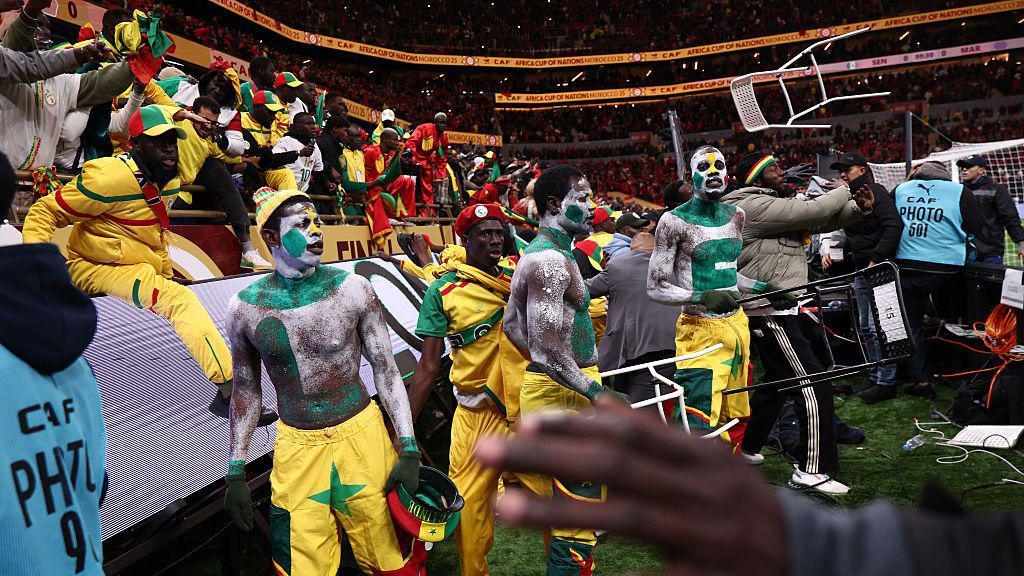
The incident began a series of dramatic and tense moments: a Senegal goal by Sarr was disallowed for a foul on Hakimi, a Moroccan penalty was missed by Brahim Diaz, and Senegal eventually scored through Pape Gueye in extra time. The chaotic scenes also saw crowd unrest, with some Senegalese fans throwing projectiles and briefly invading the pitch before security intervened.
CAF confirmed that the sanctions will not affect preparations for the 2026 World Cup in the United States, Canada, and Mexico. Senegal, drawn in Group I alongside France, Norway, and inter-continental play-off winners, will see Thiaw barred from the dugout for five of six 2027 AFCON qualifiers, while players miss the first two qualifiers. Morocco, in Group C, will face Brazil, Scotland, and Haiti.
The saga has ignited widespread debate over rules, fairness, and conduct in African football.
With Senegal’s appeal to CAS pending, the controversy is far from over, leaving the African football community watching closely as one of the most dramatic AFCON finals history unfold.
The decision has since sparked an outpouring of reactions across the African football fraternity, with critics describing it as biased against Senegal, while others argue it reflects the proper application of the rules. Some have suggested that a fair rematch would have been a more suitable resolution. However, as it stands, Morocco are the recognised champions pending any further ruling.
Comments (0)
No comments yet. Be the first to comment!