

-
 TANZANIA VP RESIGNS AMID SPECULATION OVER STRAIN WITH PRESIDENT SULUHU
-
 RUTO, GACHAGUA DRAW THE LINE ON 2027 DEAL
-
 TREVOR, DJ SHITI TRADE BARBS OVER HEHA MOVERS MANAGEMENT
-
 IEBC BANS CAMPAIGNS BEFORE MAY 29, 2027
-
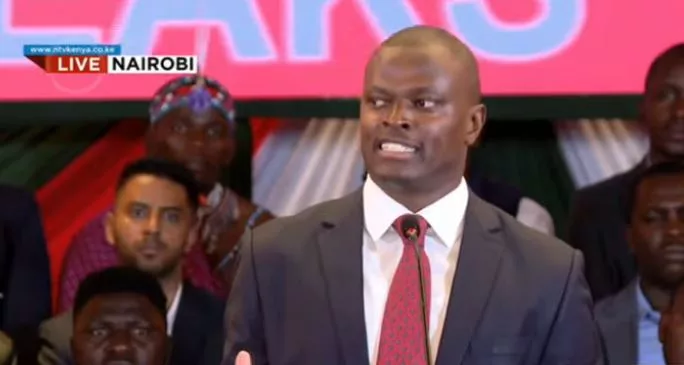 Ndindi Nyoro joins opposition after UDA exit
-
 RONALDO AND GEORGINA FLAUNT WEDDING RINGS
-
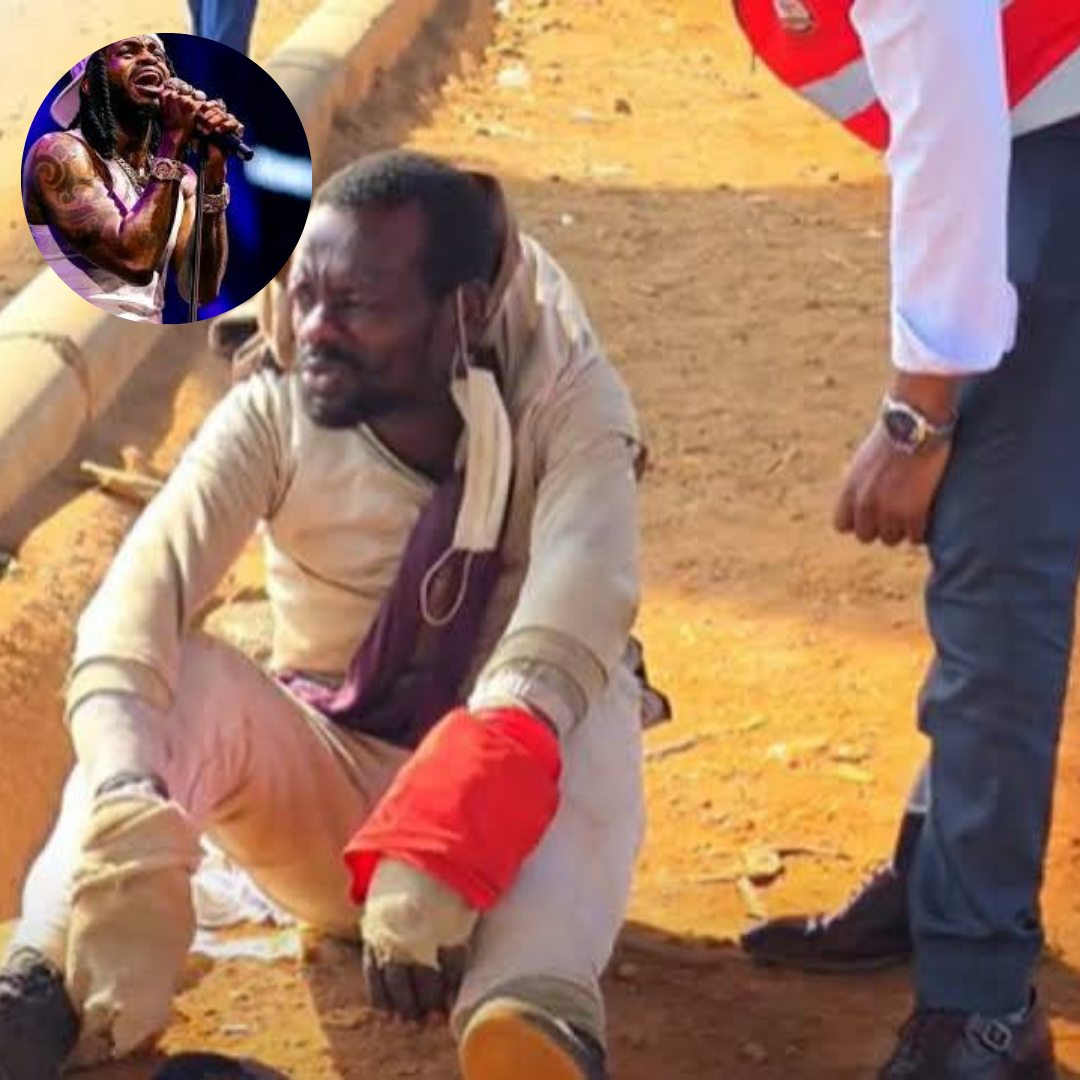 DIAMOND’S FORMER DJ RESCUED FROM STREETS
-
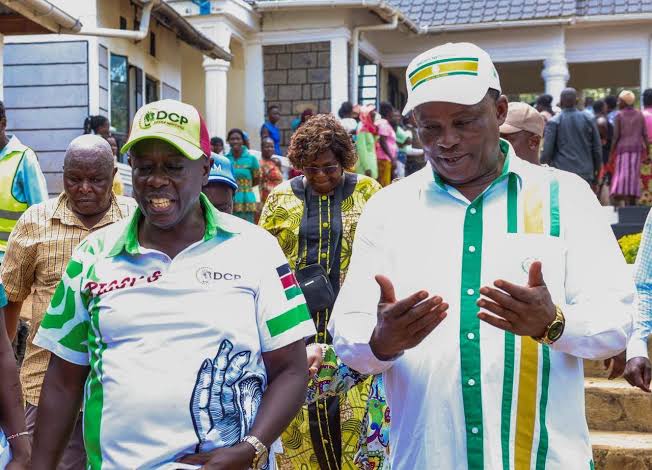 MUTURI REJECTS GACHAGUA’S ‘HYENA COALITION’
-
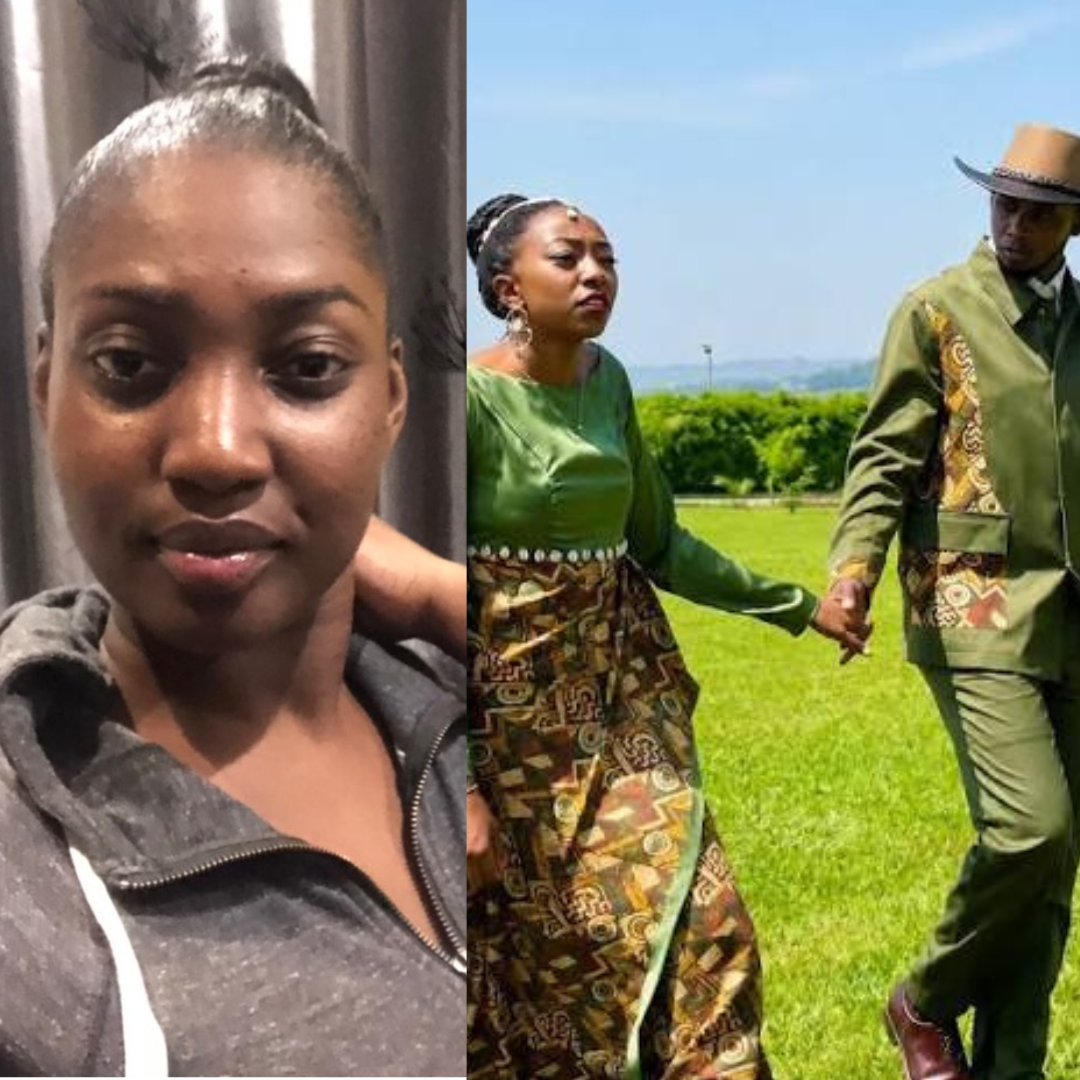 YUNGE’S ALLEGED EX CRIES FOUL AFTER CHARLENE’S WEDDING
LIBERIA SETS TO RE-BURY LATE PRESIDENT AFTER FOUR DECADES PLUS
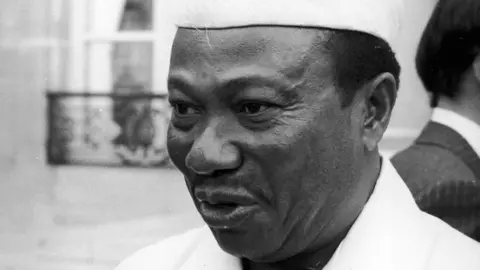
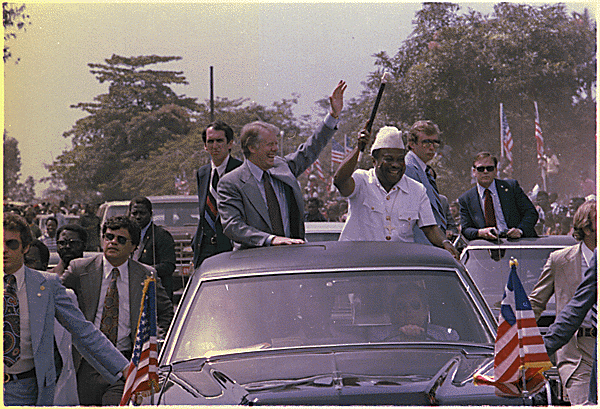
Liberia will on Tuesday conduct a symbolic reburial ceremony for former President William Tolbert and 13 of his cabinet ministers, 45 years after they were killed during the country’s 1980 military coup — a watershed moment that plunged the nation into decades of unrest.
Tolbert was murdered during the April 12 coup, after which his body was believed to have been discarded in a mass grave. Ten days later, a makeshift tribunal condemned 13 of his ministers. They were publicly humiliated, tied to stakes, and executed by firing squad on a Monrovia beach near an army barracks.
None of the bodies was ever recovered, but on Tuesday, Liberia will honour each of the 14 victims with a state funeral, led by President Joseph Boakai and attended by senior government officials and family members.
The move is being seen as a significant step in Liberia’s long journey toward national healing and reckoning with its turbulent past.
The 1980 coup, led by then-28-year-old Sergeant Samuel Doe, ended more than a century of Americo-Liberian political dominance — a ruling class descended from formerly enslaved Africans who had settled in Liberia from the United States in the 1800s.
Tolbert’s administration, which had lasted nine years, was increasingly criticised for perpetuating deep ethnic inequalities. His assassination marked the beginning of a violent chapter in Liberia’s history, culminating in two civil wars that devastated the country before peace was restored in 2003.
Doe, who assumed power after the coup, was himself killed in 1990 by rebel forces during the country’s first civil war. His remains were recently reburied in his hometown — an event also ordered by President Boakai.
“This is not just a burial; it is a moment of national reflection, a time to reconcile with our history, to heal from our wounds, and to remember with respect and purpose,” President Boakai said at Doe’s reburial.
For the families of those executed in 1980, Tuesday’s ceremony is both a public memorial and a personal milestone in their pursuit of closure.
“It has been 45 years and the pain is still fresh,” said prominent lawyer Yvette Chesson-Gibson, whose father, Justice Minister Joseph Chesson, was among those executed.
“This is not just a ceremony, it is the beginning of a closure. Reconciliation is not an event,” she told the BBC.
“Our fathers were simply murdered in one of the world’s most despicable and inhumane public acts of brutality, violence and cruelty born out of an ugly spirit of greed for political power,” said Bindu Dennis, daughter of the late Foreign Minister Charles Cecil Dennis.
“As long as you understand that closure doesn't mean forgetting, then we're on the same page.”
In the years since, the 14 victims have been honoured at a memorial site marked with a tombstone bearing their names. The monument served as a place for annual presidential tributes. However, an excavation at the site earlier this year revealed no remains — reinforcing the need for symbolic reburials.
Jarso Maley Jallah, the government minister overseeing the programme, said the event is about confronting painful truths while forging a path forward.
“There are some things that have happened in our country that we’re not proud of, but yet we are Liberians, and we must come together to advance our nation,” she said.
The symbolic reburial will include the presentation of Liberian flags to the families, in recognition of the victims’ service to the state, as well as a 21-gun salute in their honour.
A Truth and Reconciliation Commission (TRC) was established in 2006 under then-President Ellen Johnson Sirleaf to investigate atrocities committed during Liberia’s civil conflicts. In 2009, the TRC recommended a list of individuals for prosecution. However, no legal action has been taken within Liberia, though some perpetrators have faced justice in foreign courts.
President Boakai last year signed an executive order to initiate the establishment of a special war crimes court — a long-awaited measure that could finally open the door to accountability for Liberia’s violent past.
Comments (0)
No comments yet. Be the first to comment!