

-
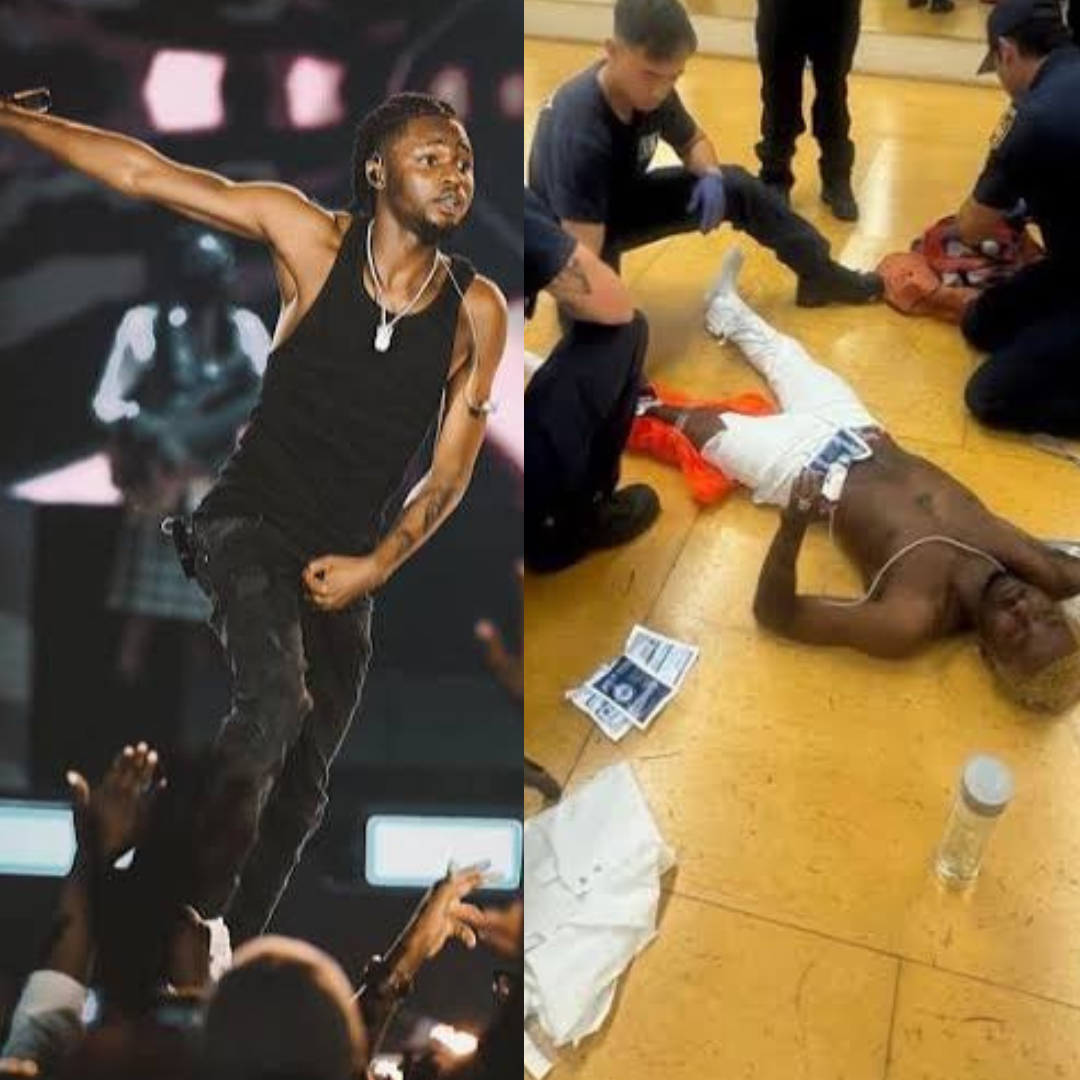 OMAH LAY HOSPITALISED AFTER ACCIDENT DURING TOUR REHEARSAL
-
 NJERI MAINA, MURANGO DROP ‘HIT AND RUN’ REAGGAE BANGER
-
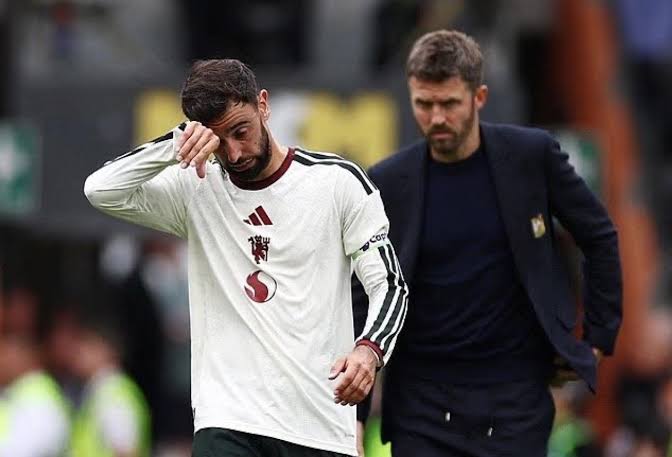 BRUNO THROWS REPENTANT CARRICK UNDER THE BUS
-
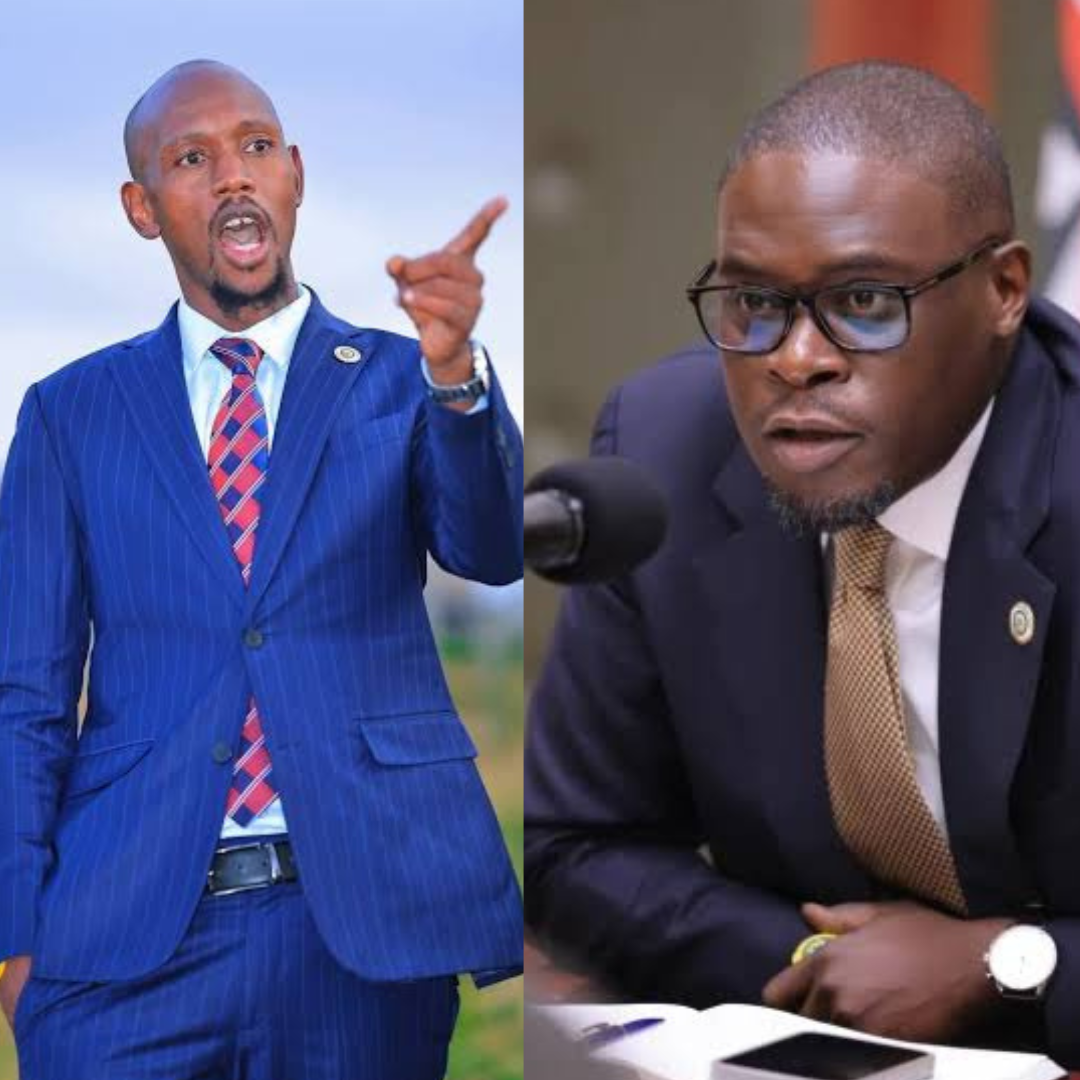 MOSIRIA FIRES SARCASTIC SHOT AT SAKAJA AFTER SACKING
-
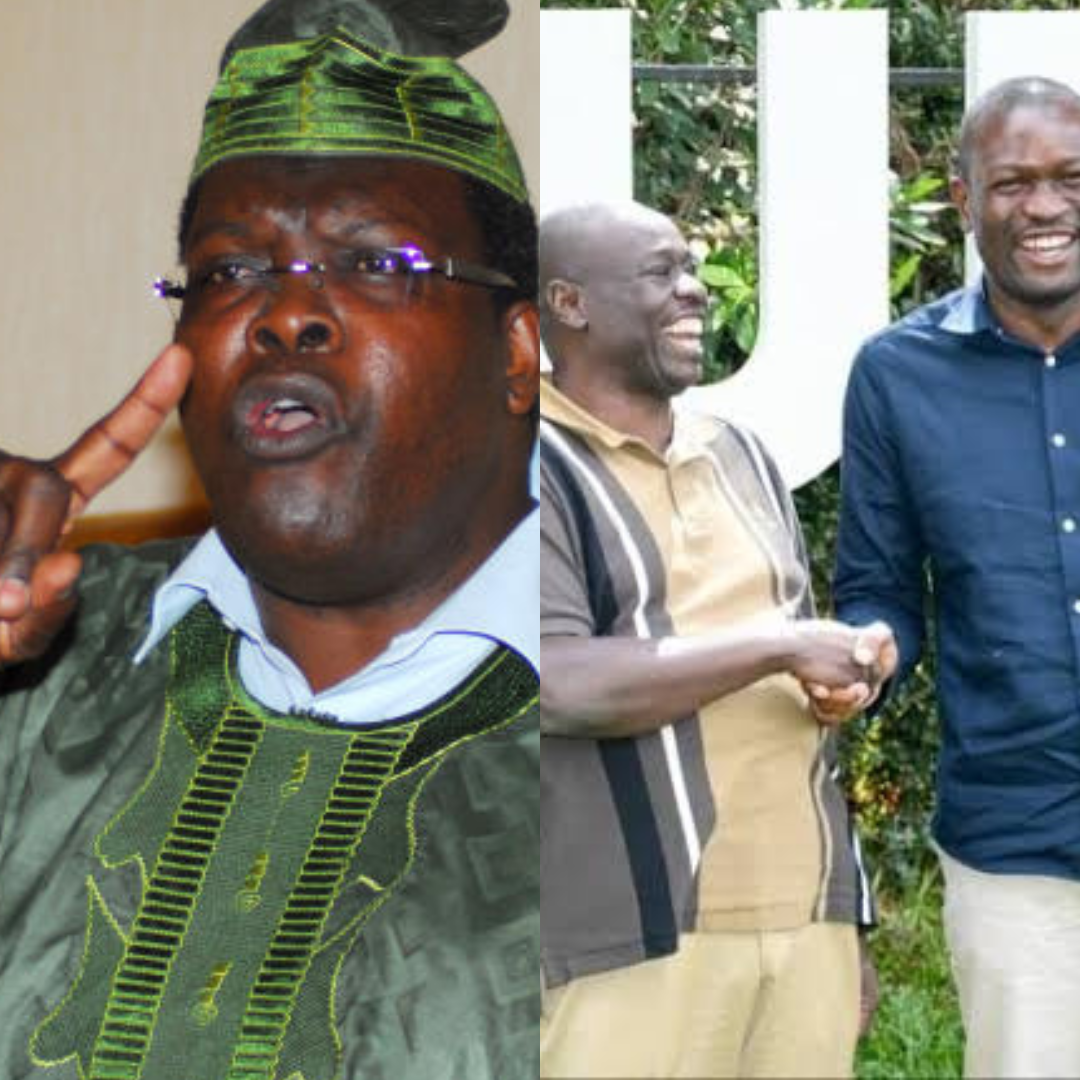 SIFUNA’S 2027 BID DOOMED BY OLD GUARD ALLIANCE- MIGUNA
-
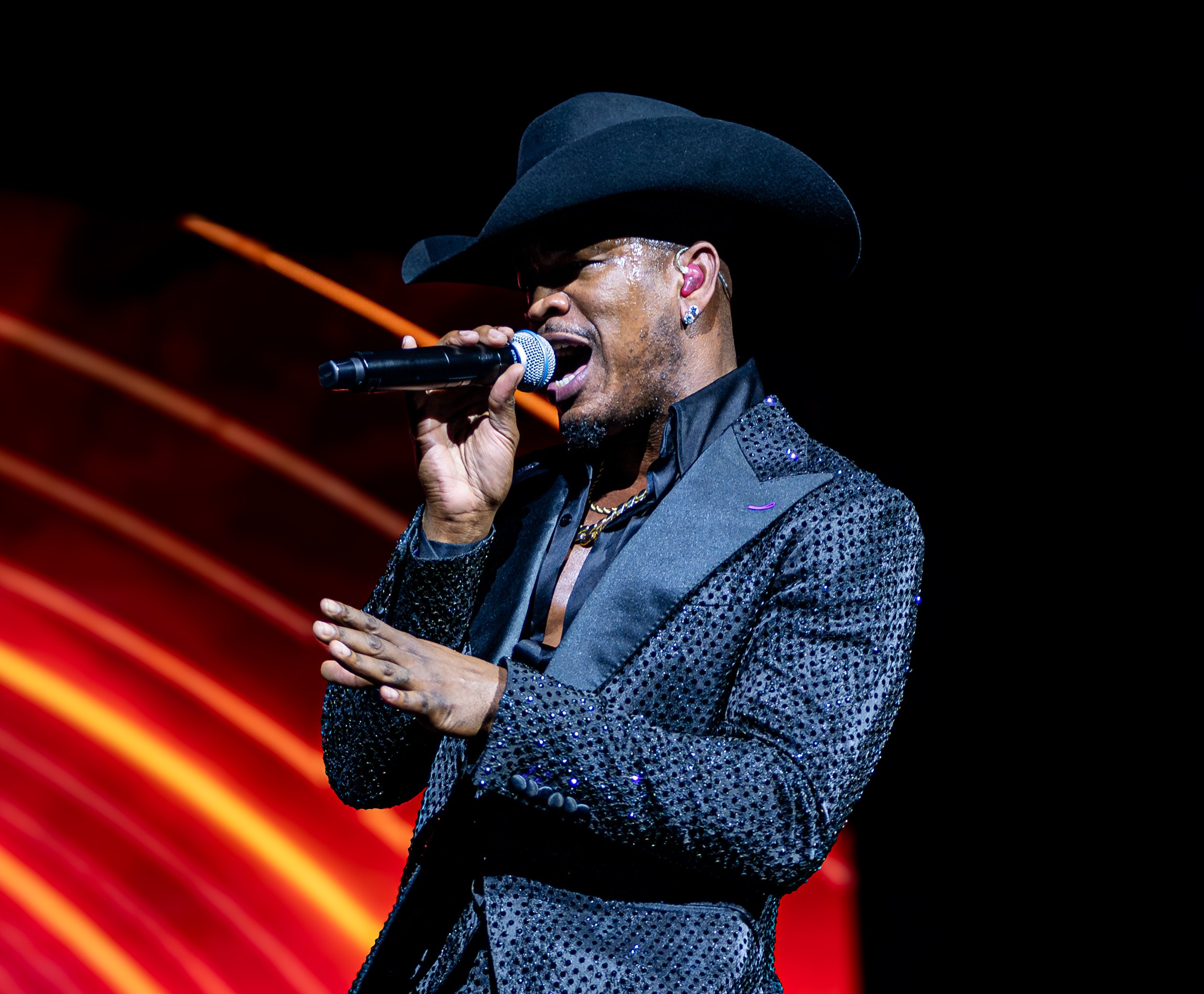 NE-YO ROCKS AS FANS FUME OVER DISAPPOINTMENT DESPITE COSTLY PAY
-
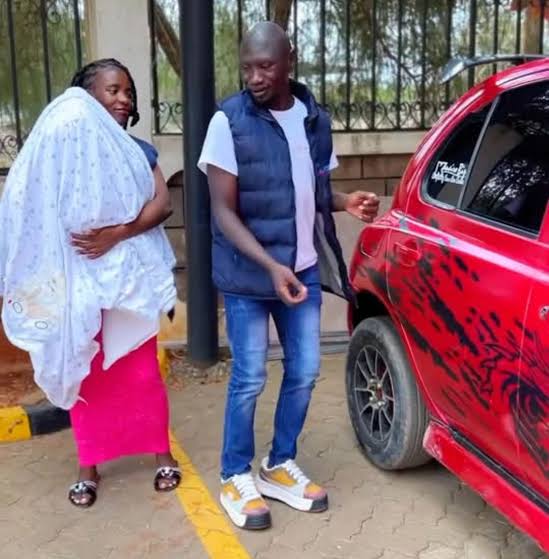 STEVO SIMPLE BOY DUMPS WIFE AFTER DNA BOMBSHELL
-
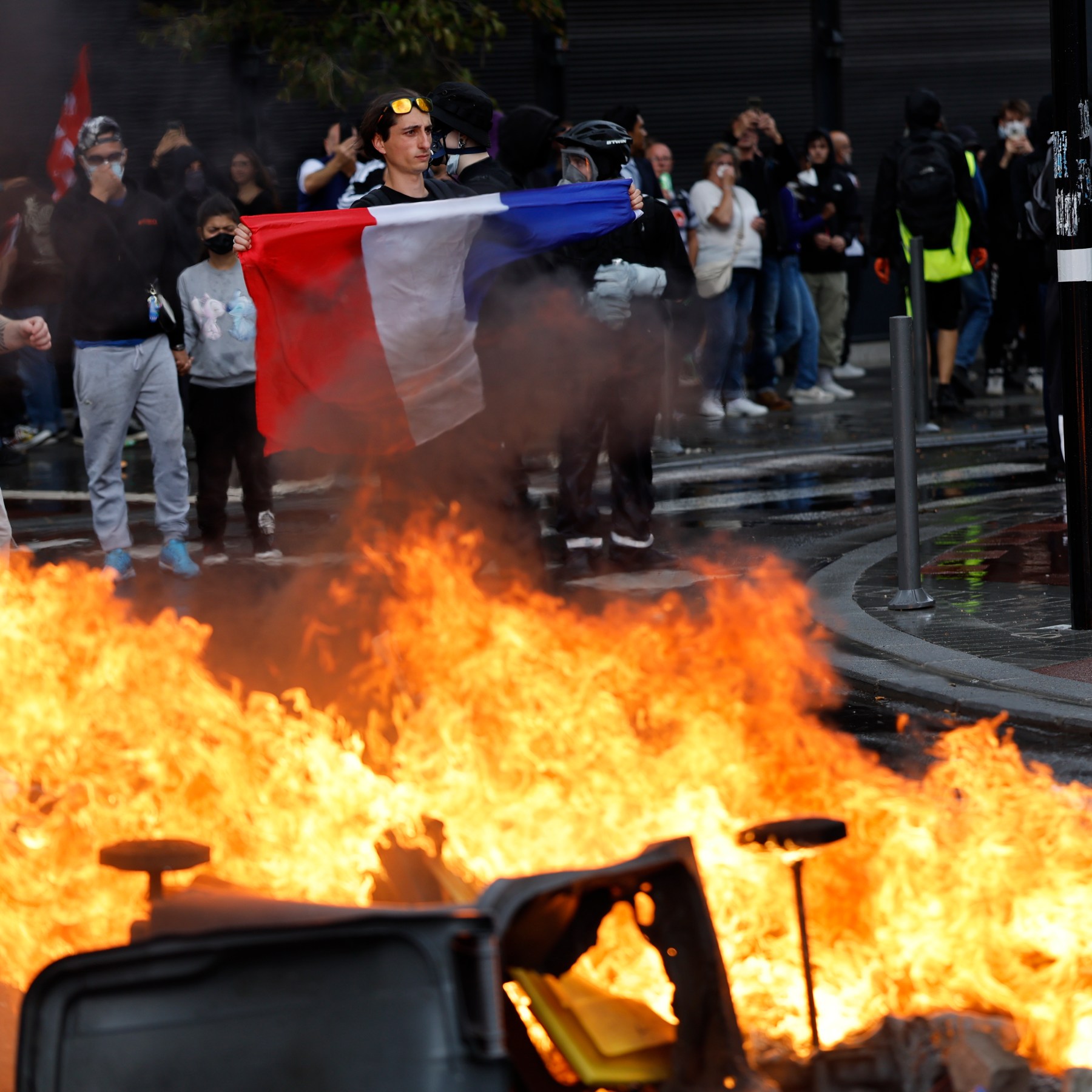 FRANCE IN FLAMES
-
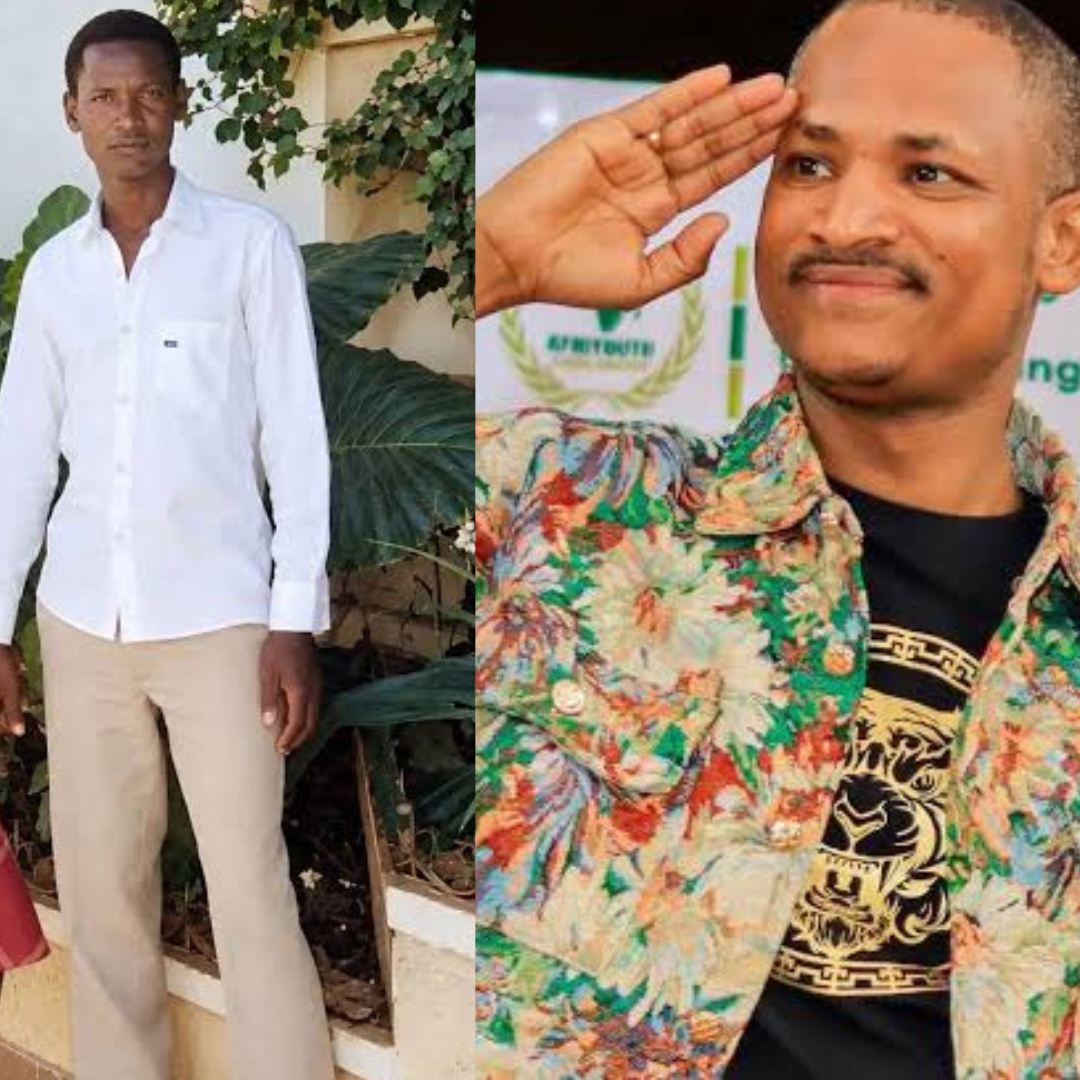 BABU SALUTES LATE FATHER, MOTHER AND RAILA IN MASHUJAA TRIBUTE
IRAN APPOINTS NEW SUPREME LEADER
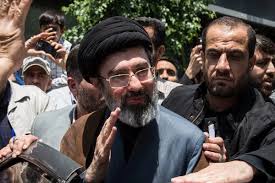
Iran has named Mojtaba Khamenei as its new supreme leader following the death of his father, Ali Khamenei, who was killed during the strikes carried out by the United States and Israel amid the ongoing regional conflict.
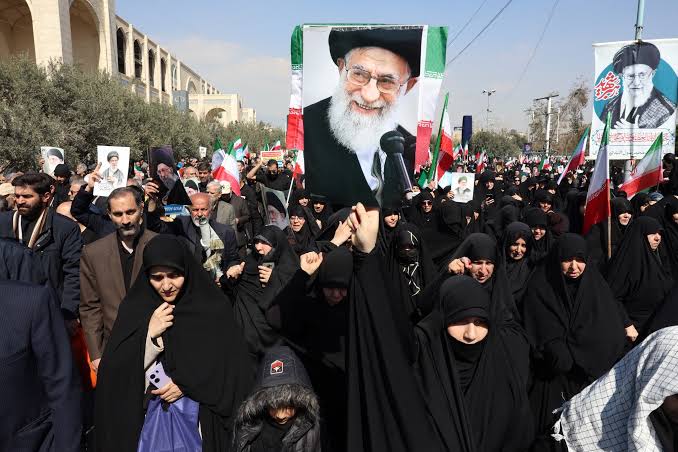
According to Iranian state media, the decision was unanimously made by the Assembly of Experts, an 88-member clerical body tasked with selecting the country’s supreme leader. The council announced that Mojtaba Khamenei had been chosen through what it described as a “decisive vote”, and urged Iranians to rally behind the new leadership and maintain national unity during the war.
Ali Khamenei, who had ruled Iran since 1989, was killed in attacks on his compound in Tehran on February 28 during the first day of the current conflict involving the United States and Israel. Iranian reports indicate that the strike also killed several members of his family, including Mojtaba’s mother, wife and one of his sisters.
At 56, Mojtaba Khamenei steps into one of the most powerful political and religious positions in Iran despite never having held an official government role or contested a public election.
For decades, however, he has been widely regarded as an influential figure within Iran’s ruling establishment - often suggested as pulling the strings behind the scenes in the political system.
He has also maintained close ties with the Islamic Revolutionary Guard Corps and its paramilitary branch, the Basij, institutions that hold considerable power within Iran’s political and security structure.
Despite that influence, Mojtaba Khamenei has kept a notably low public profile. He rarely gives speeches, interviews or public lectures, and many Iranians have never heard his voice.
Mojtaba Khamenei was born on September 8, 1969, in the northeastern Iranian city of Mashhad, the second of six children in the Khamenei family.
He received his early education at Tehran’s Alavi School before later pursuing religious studies in Qom, one of the most important centres of Shia Islamic scholarship.
During his youth he also served briefly during the Iran–Iraq War in the 1980s, taking part in operations with units linked to the Revolutionary Guard.
Today he holds the clerical rank of hojatoleslam, a mid-level religious title. Some observers have noted that this rank is lower than that traditionally associated with the position of supreme leader. However, a similar situation occurred in 1989 when Ali Khamenei himself was elevated to the role and later promoted to the rank of ayatollah.
Mojtaba Khamenei’s name has frequently surfaced in political controversies within Iran. Reformist figures have accused him of interfering in elections and using security forces to influence political outcomes.
In 2005, reformist candidate Mehdi Karroubi publicly alleged that Mojtaba had used elements within the Revolutionary Guard and the Basij militia to help secure victory for hardline president Mahmoud Ahmadinejad.
Similar accusations resurfaced in 2009 following Ahmadinejad’s disputed re-election, which triggered mass demonstrations known as the Green Movement protests. The protests were eventually suppressed by state security forces.
Authorities at the time blamed unrest on foreign interference, accusing the United States and Israel of supporting violent protesters—claims repeated by Iranian officials during later waves of nationwide demonstrations.
Mojtaba Khamenei has also faced international scrutiny. In 2019, the United States imposed sanctions on him, accusing him of acting on behalf of his father within Iran’s leadership network.
Mojtaba Khamenei assumes leadership at a moment of extraordinary uncertainty for Iran. The country remains under heavy bombing by US and Israeli forces, while authorities have imposed widespread internet restrictions as fighting intensifies.
Some analysts say the appointment signals that hardline factions within the Iranian establishment remain firmly in control and may be reluctant to pursue negotiations in the short term.
The Islamic Republic was founded after the 1979 revolution partly in opposition to hereditary monarchy, and critics argue that the succession of father to son could resemble the dynastic rule of the former Pahlavi monarchy that the revolution overthrew.
Observers say Mojtaba Khamenei now faces the difficult task of steering Iran through war, economic hardship and deep internal divisions.
While he was long seen as his father’s gatekeeper inside the leadership structure, his authority as the country’s top leader is largely untested.
With the conflict continuing and political tensions mounting, analysts say his immediate challenge will be maintaining unity within Iran’s ruling elite while convincing a sceptical public that he is capable of leading the country through one of the most turbulent moments in its modern history.
Comments (0)
No comments yet. Be the first to comment!