

-
 NE-YO ROCKS AS FANS FUME OVER DISAPPOINTMENT DESPITE COSTLY PAY
-
 STEVO SIMPLE BOY DUMPS WIFE AFTER DNA BOMBSHELL
-
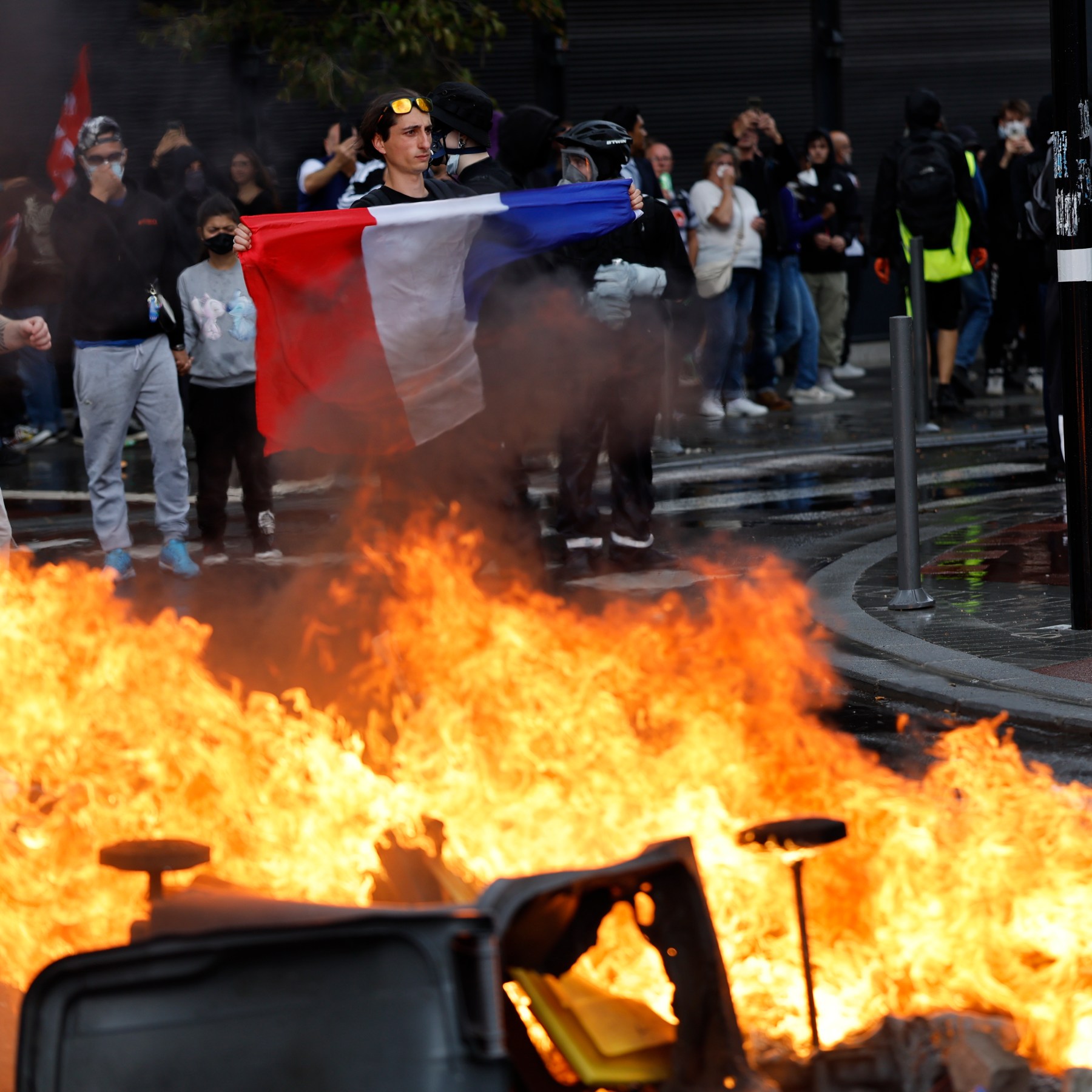 FRANCE IN FLAMES
-
 BABU SALUTES LATE FATHER, MOTHER AND RAILA IN MASHUJAA TRIBUTE
-
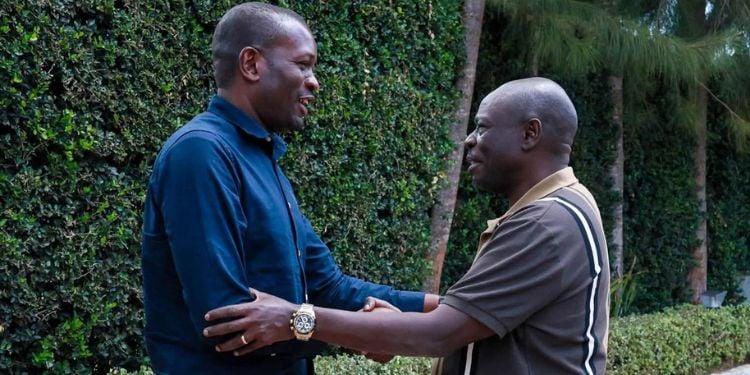 SIFUNA-GACHAGUA TAG TEAM TAKES SHAPE AFTER FORMER DP’S LOW-KEY RETURN
-
 SON DENOUNCES MACKENZIE, LABELS HIM A MURDERER
-
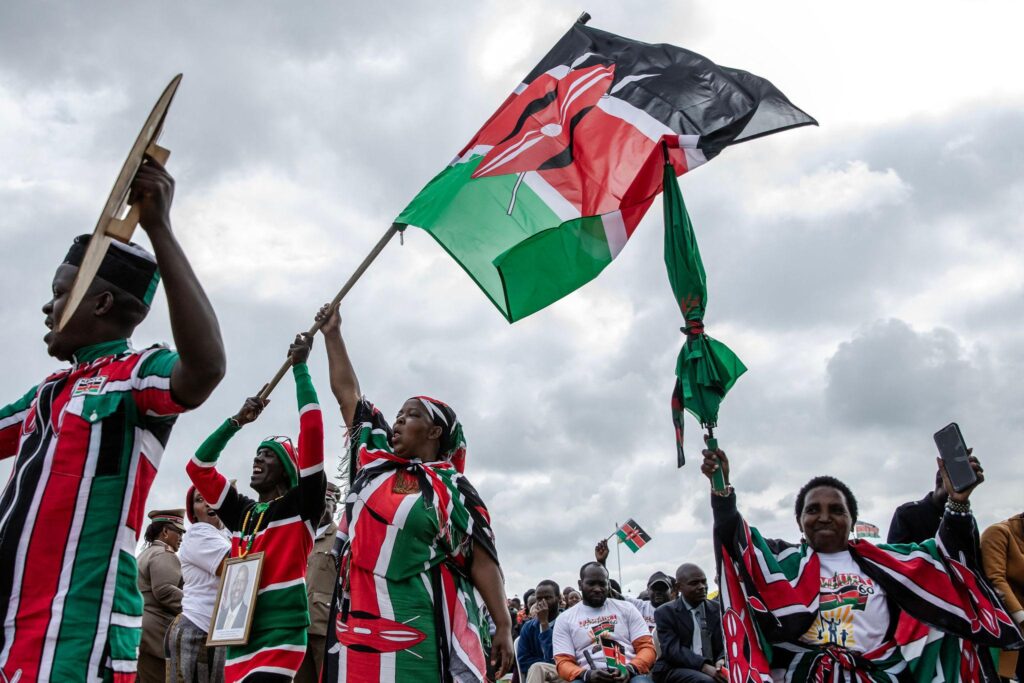 KENYANS MARK 63RD MASHUJAA DAY
-
 RUTO’S AFFORDABLE HOUSING: NYUMBA ZIPO, LAKINI VIJANA WATAZILIPIA NA PESA GANI?
-
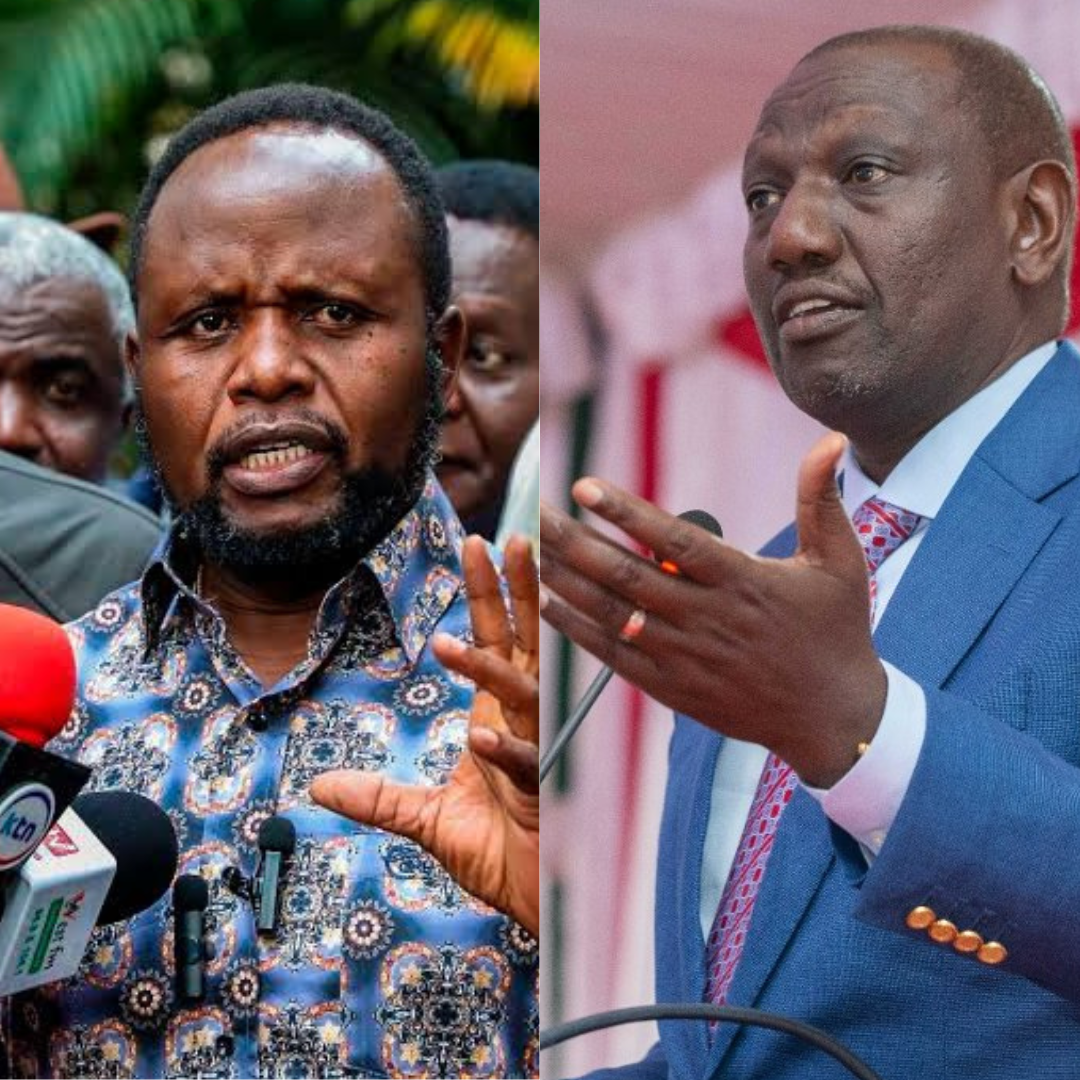 NATEMBEYA GOES OFF RADAR AMID STATE CRACKDOWN
WORLD WAR III LOADING?
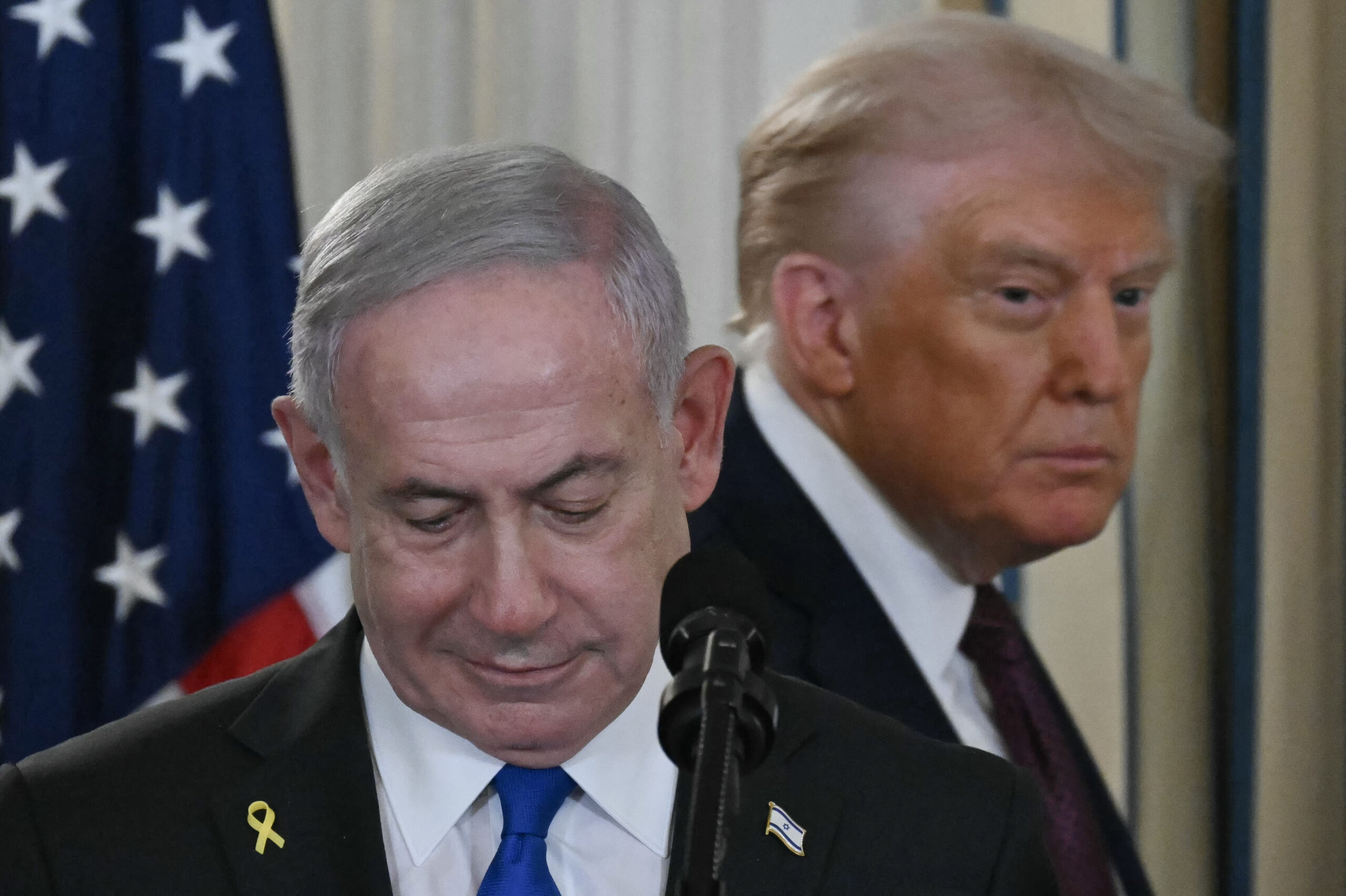
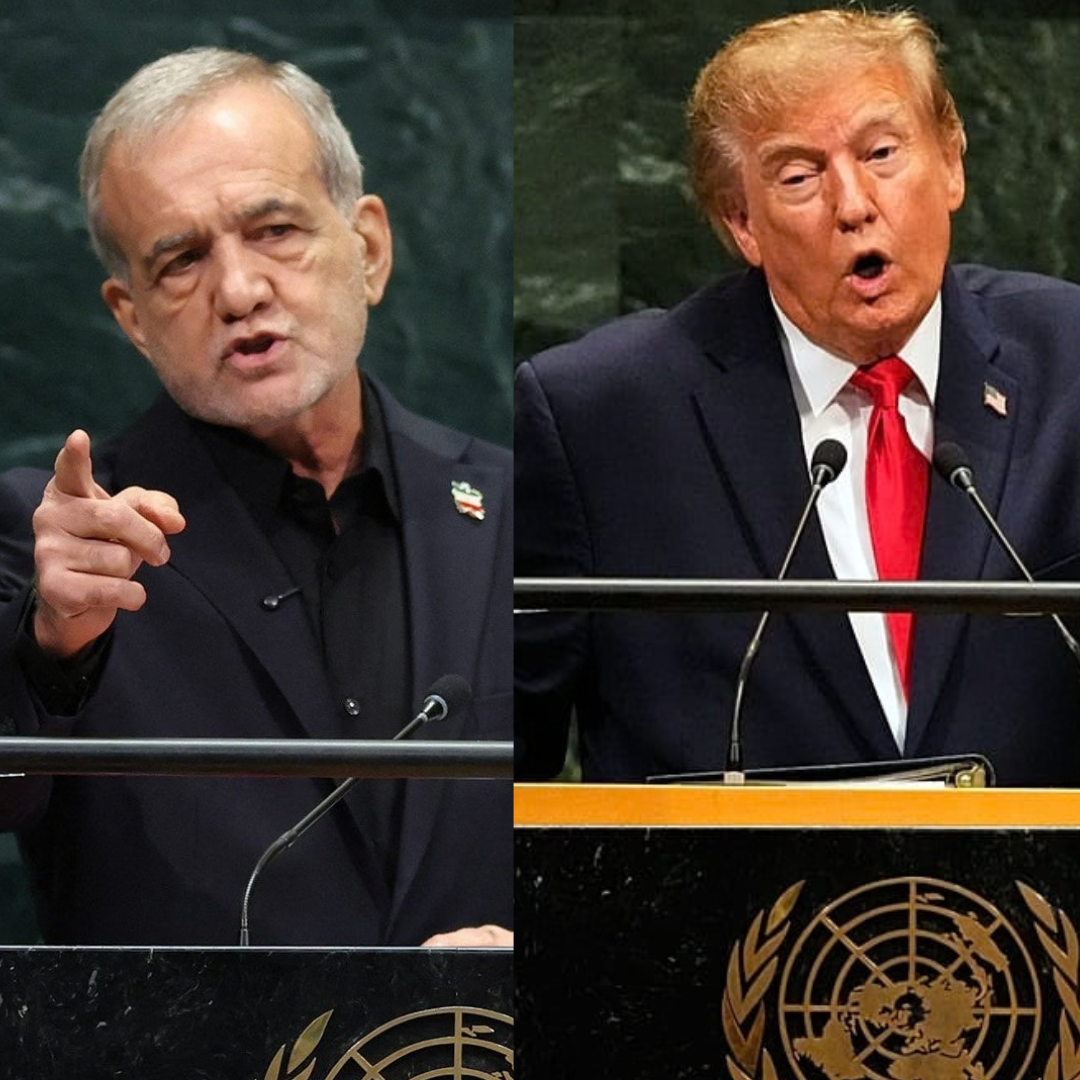
Fears of a broader global conflict has intensified after Russia warned that the escalating confrontation between the United States, Israel and Iran could spiral into a third world war.
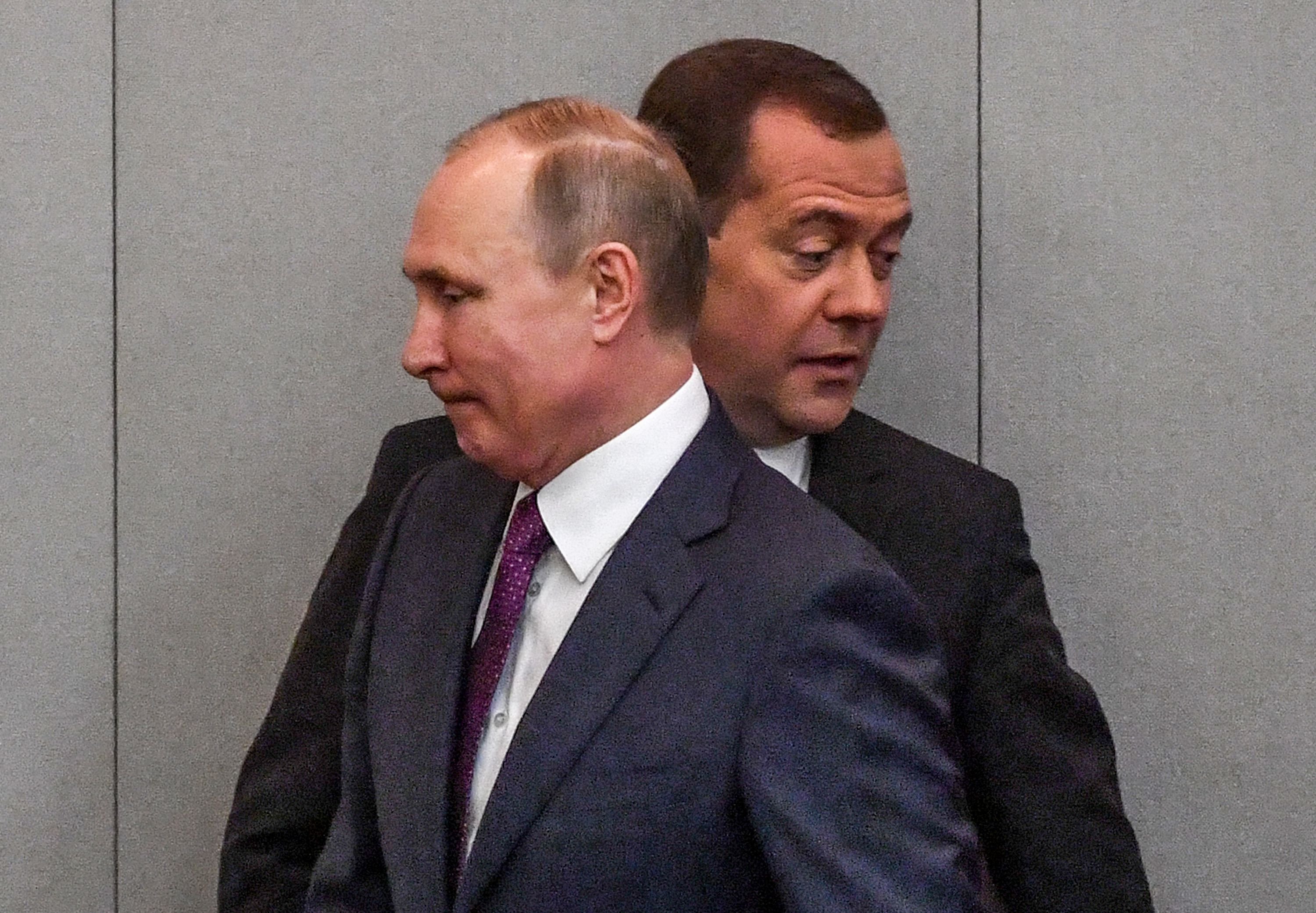
Dmitry Medvedev, deputy chairman of Russia’s Security Council, cautioned that continued efforts by Donald Trump to reshape political leadership in hostile states could trigger a global war.
Speaking to Russia’s state news agency, he described the current crisis as a struggle over global dominance and warned that “any event could be the trigger.”
His remarks come as U.S. and Israeli forces intensify airstrikes on Iranian targets. President Trump has indicated the military campaign could extend beyond the initially projected four to five weeks, saying Washington is prepared to continue “whatever it takes.”
The conflict dramatically escalated following the reported killing of Iran’s Supreme Leader, Ayatollah Ali Khamenei. Iranian officials have vowed retaliation, while rejecting negotiations with Washington.
Missile and drone attacks have struck Israeli cities and key installations in Gulf states. Energy infrastructure has come under threat, including Saudi Arabia’s Ras Tanura refinery, while QatarEnergy has halted liquefied natural gas production after facilities were hit.
Shipping in the Strait of Hormuz — a corridor through which roughly a fifth of the world’s oil passes — has also been targeted, sending shockwaves through global markets.
The crisis has revived anxieties over nuclear escalation. Israeli Prime Minister Benjamin Netanyahu has accused Iran of rebuilding underground nuclear infrastructure, claims which Tehran has denied, asserting that the nuclear weapons program is for peaceful purposes
Medvedev warned that the death of Khamenei could consolidate Iranian society and push it toward accelerated nuclear development — a claim Iranian authorities have not confirmed but which underscores the heightened rhetoric surrounding the conflict.
The humanitarian toll continues to rise. Iranian authorities report hundreds killed in airstrikes. Israel has confirmed civilian deaths from retaliatory missile attacks. Lebanon has recorded dozens of casualties following Israeli strikes targeting Hezbollah positions.
The U.S. military has also confirmed the deaths of American service members stationed in the region.
In Tehran, streets have emptied during air raid alerts. In Israel, funerals for victims of missile strikes have drawn grieving families. Across the Middle East, civilians are once again caught between strategic calculations made far above them.
While the fighting remains concentrated in the Middle East, the involvement of major powers, nuclear-capable states and strategic energy corridors has elevated global concern.
Russia’s warning adds another layer of geopolitical tension, though there has been no indication of direct military intervention beyond rhetoric. European governments have pledged defensive support to allies but continue to call for restraint.
The key question remains: Is this the beginning of a global war — or a high-stakes regional confrontation that can still be contained?
History shows that world wars rarely begin with a single event but through prolonged escalation of such occurrences. For now, diplomatic channels appear limited, military operations are ongoing - further intensifying the World War 3 rhetoric.
Comments (0)
No comments yet. Be the first to comment!