

-
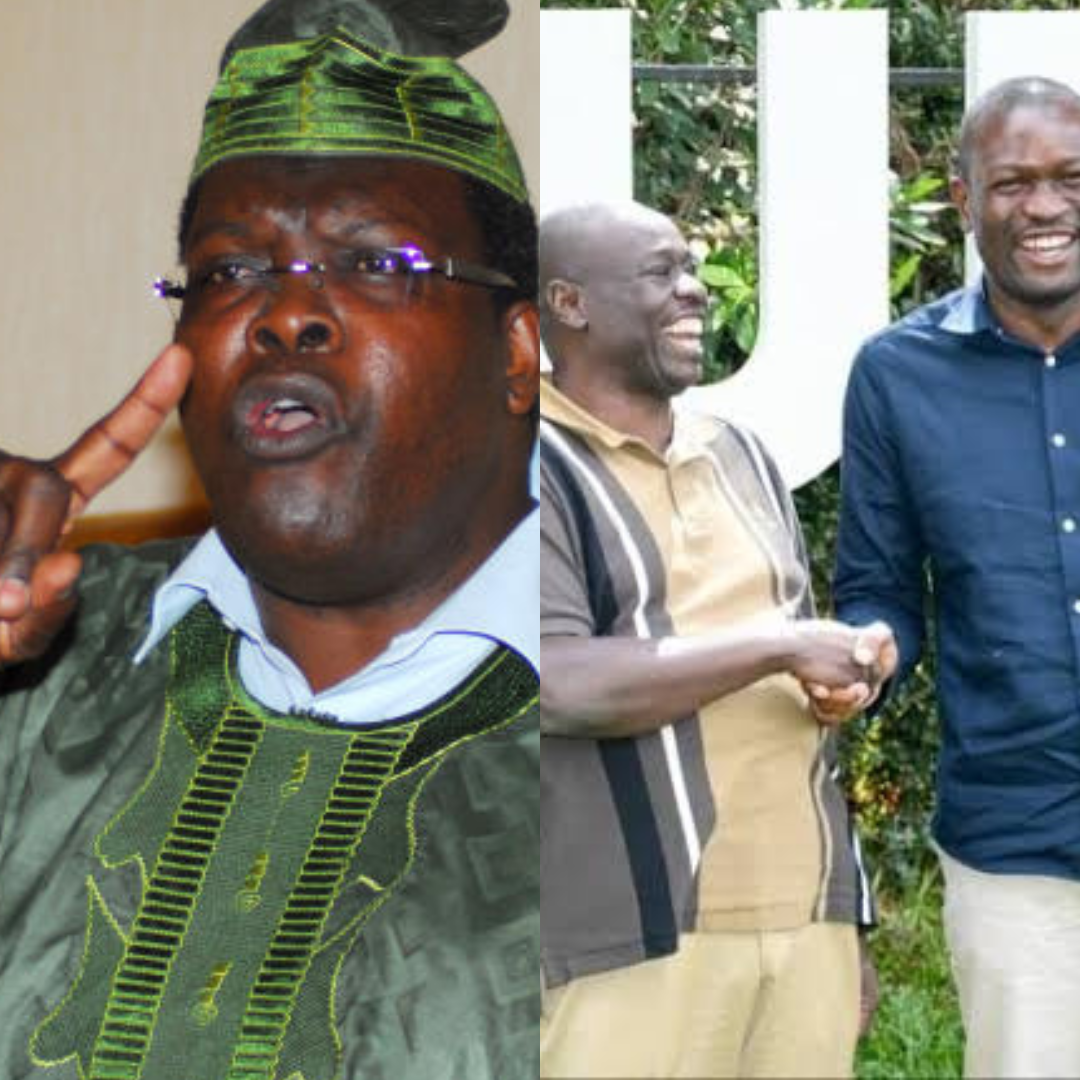 SIFUNA’S 2027 BID DOOMED BY OLD GUARD ALLIANCE- MIGUNA
-
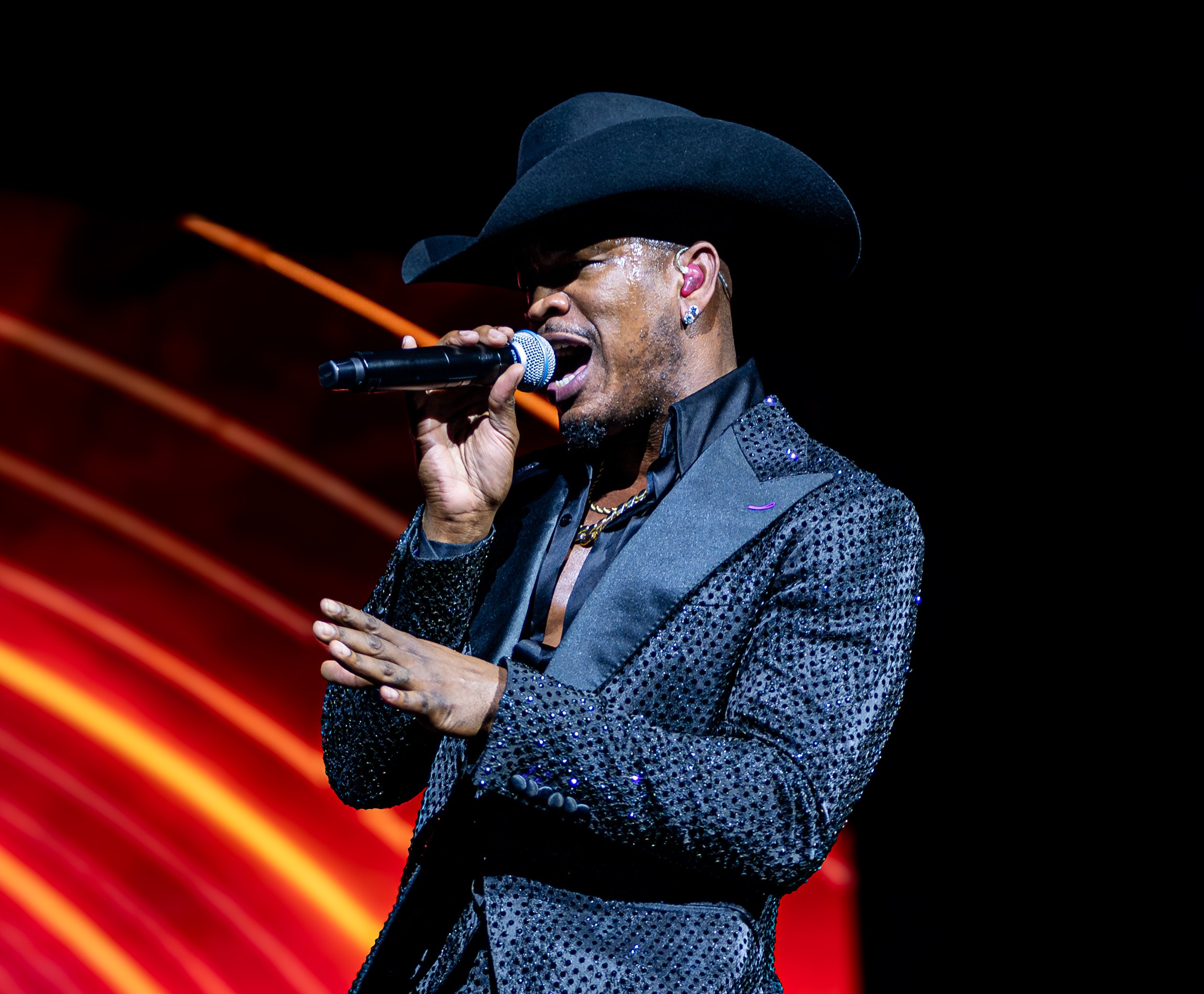 NE-YO ROCKS AS FANS FUME OVER DISAPPOINTMENT DESPITE COSTLY PAY
-
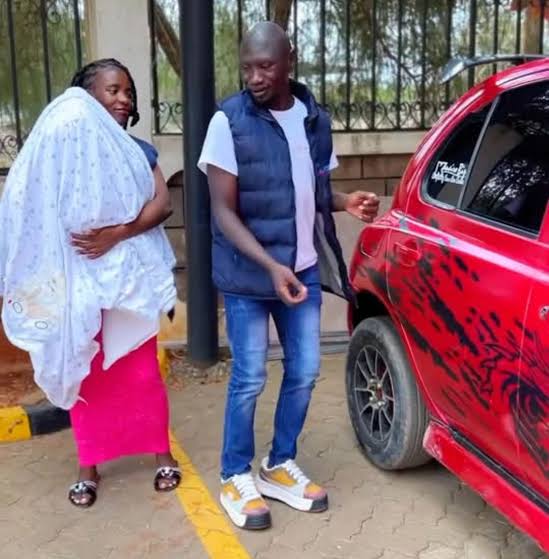 STEVO SIMPLE BOY DUMPS WIFE AFTER DNA BOMBSHELL
-
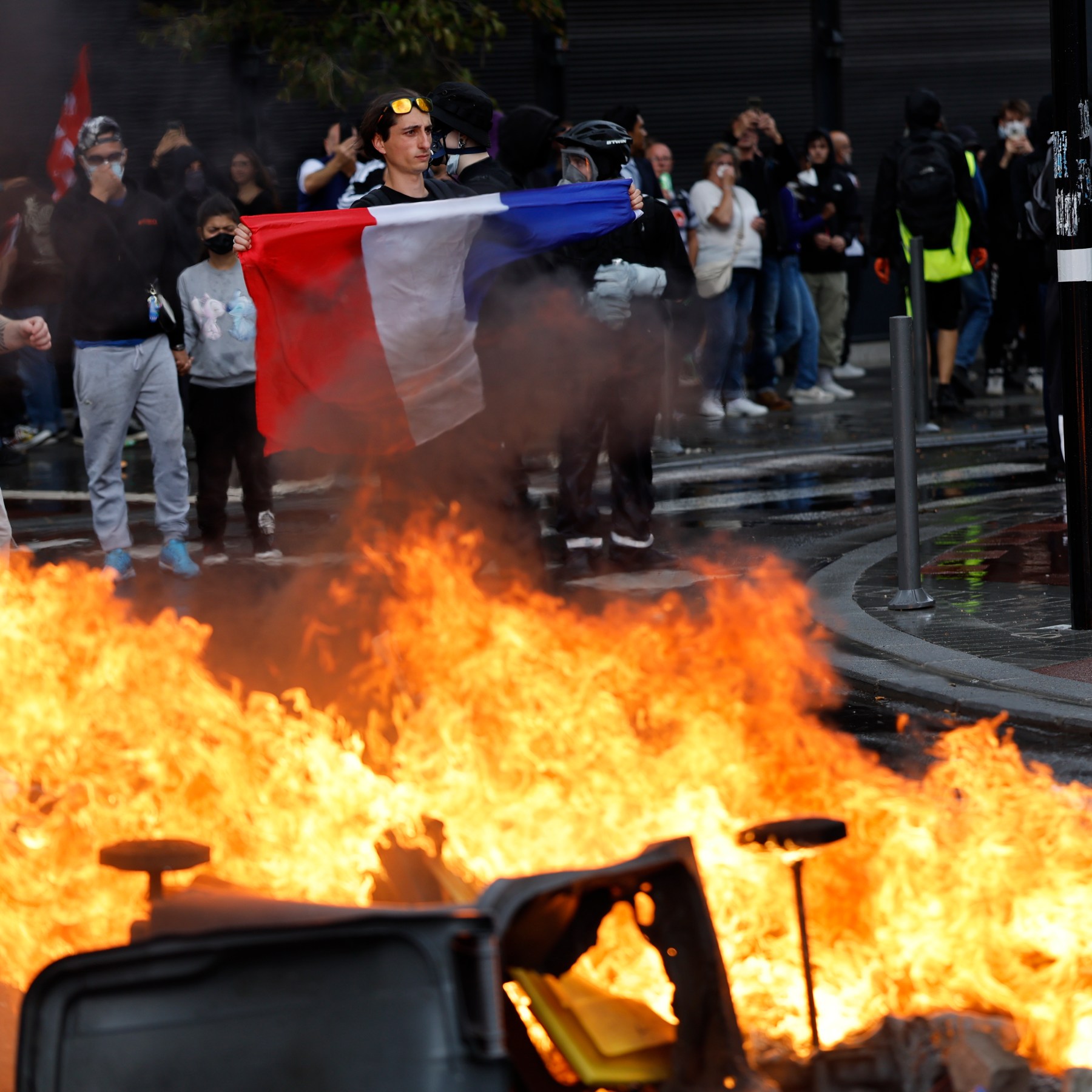 FRANCE IN FLAMES
-
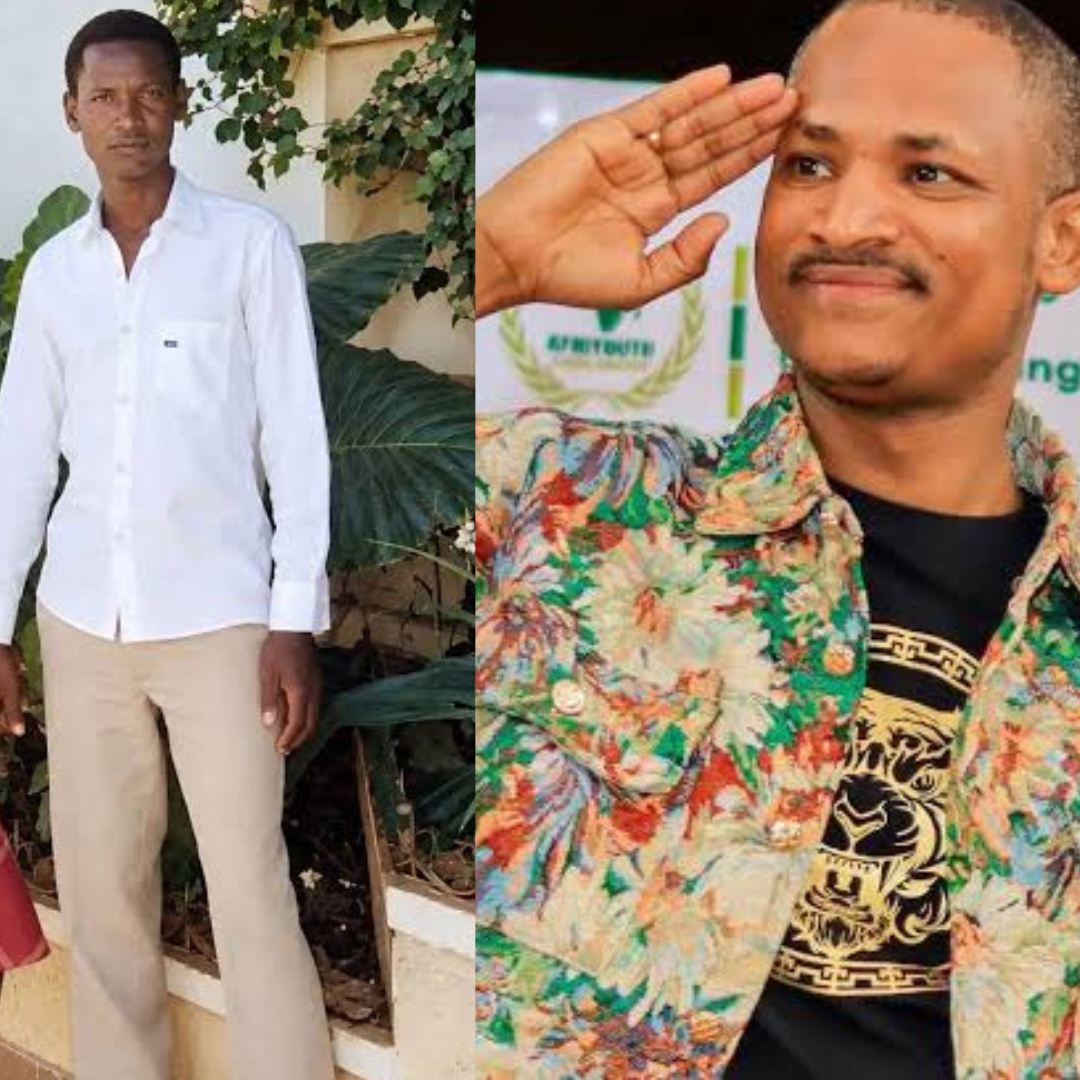 BABU SALUTES LATE FATHER, MOTHER AND RAILA IN MASHUJAA TRIBUTE
-
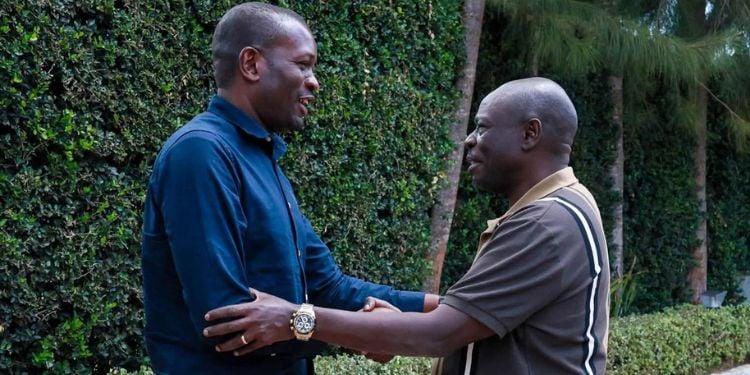 SIFUNA-GACHAGUA TAG TEAM TAKES SHAPE AFTER FORMER DP’S LOW-KEY RETURN
-
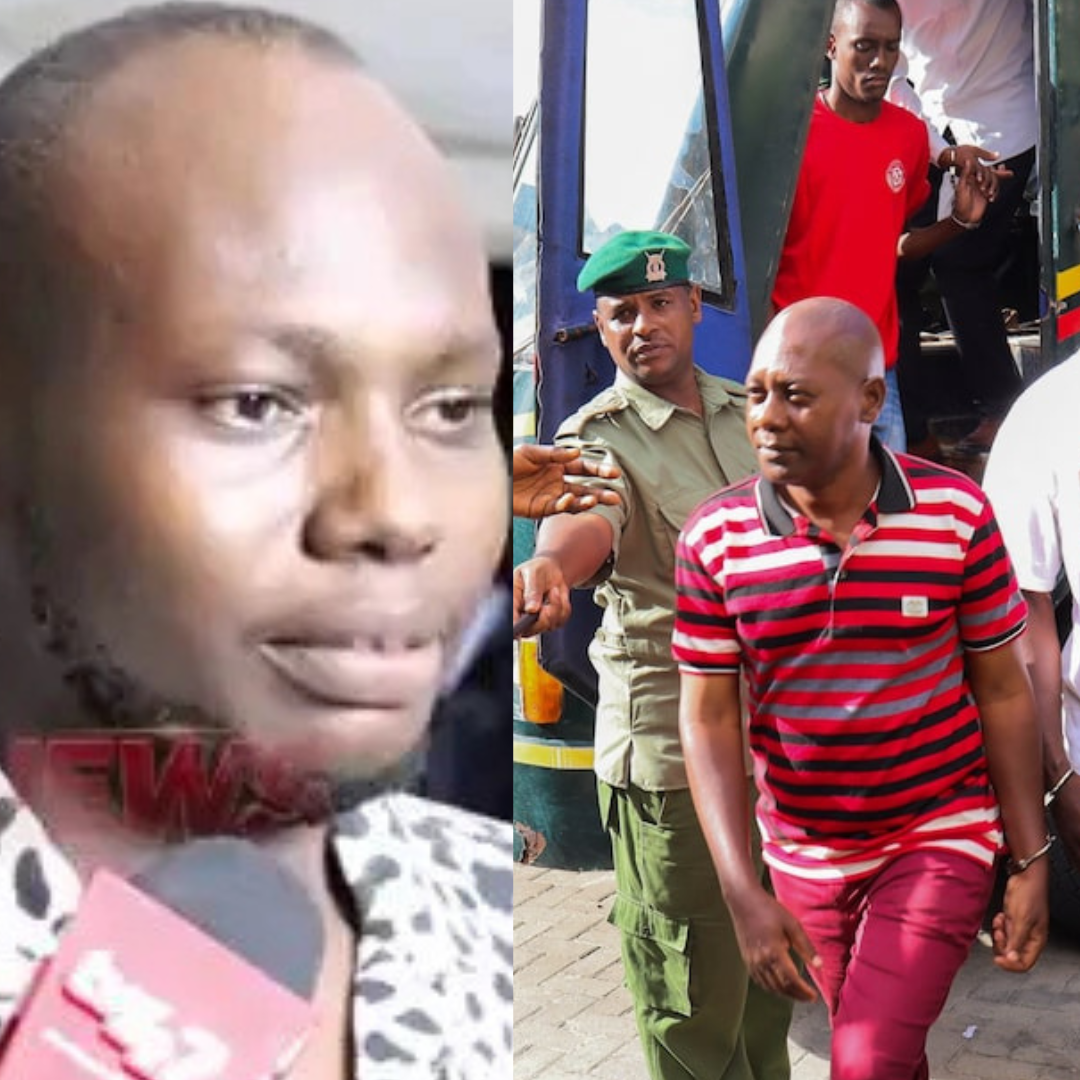 SON DENOUNCES MACKENZIE, LABELS HIM A MURDERER
-
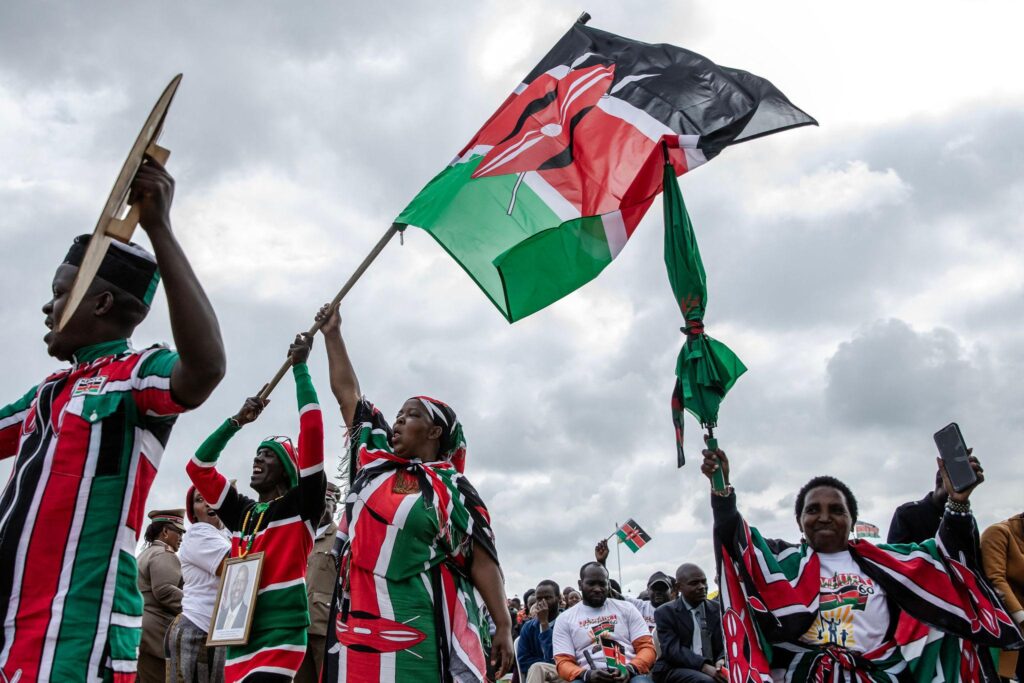 KENYANS MARK 63RD MASHUJAA DAY
-
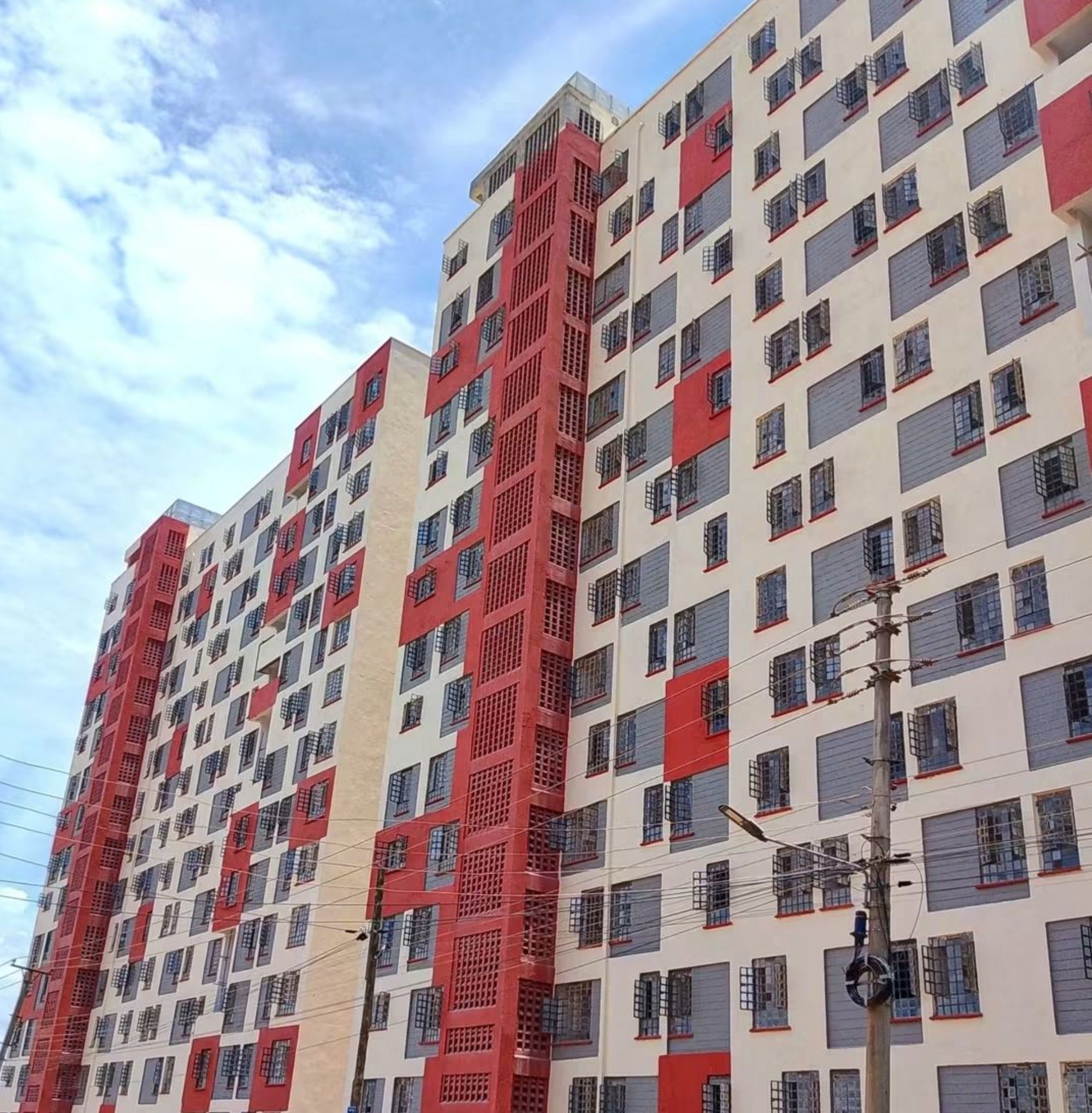 RUTO’S AFFORDABLE HOUSING: NYUMBA ZIPO, LAKINI VIJANA WATAZILIPIA NA PESA GANI?
"I DON'T FEAR TRUMP" - POPE LEO
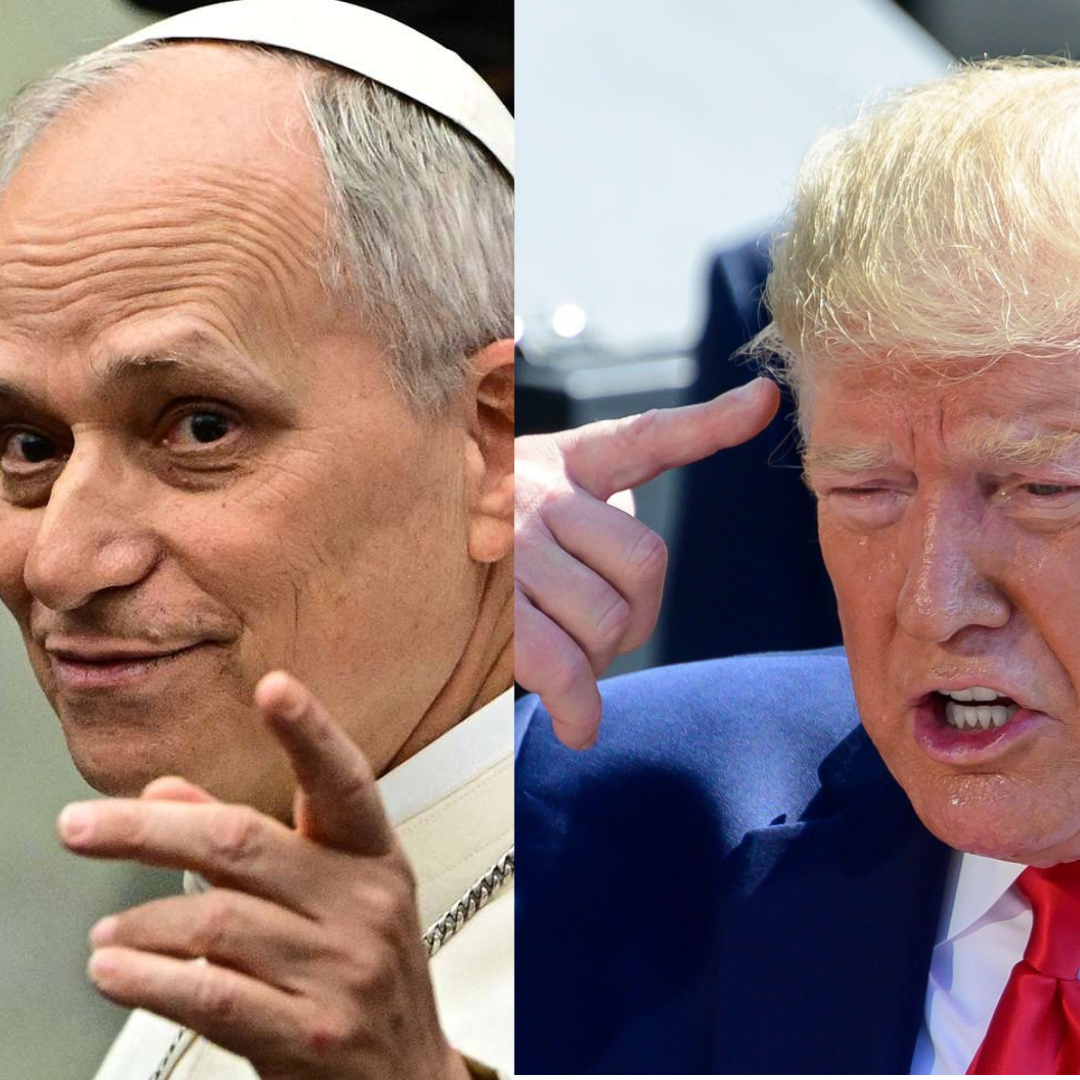
A sharp and unusually public confrontation has erupted between U.S. President Donald Trump and Pope Leo XIV, exposing deep divisions over war, morality, and the role of religion in global politics.
The row, which intensified over the weekend, has drawn criticism from religious leaders, political allies, and international figures—highlighting what many observers describe as a rare and consequential clash between two of the world’s most influential voices.
The dispute was triggered by the pope’s outspoken criticism of the ongoing Iran conflict, where he condemned what he called the “madness of war” and urged global leaders to pursue peace and dialogue.
In response, President Trump launched a scathing attack on social media, branding the pontiff “weak on crime” and “terrible for foreign policy.” He also suggested that the pope’s stance on Iran risked enabling nuclear threats—remarks he later doubled down on publicly.
“I’m just responding to Pope Leo… There’s nothing to apologize for. He’s wrong,” Trump told reporters at the White House, rejecting calls to retract his comments.
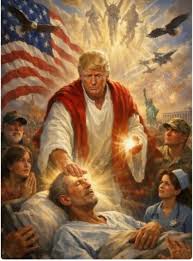
The situation escalated further after Trump shared an AI-generated image portraying himself in a Christ-like role, appearing to heal a sick man. The post, widely interpreted as religiously insensitive, sparked immediate backlash across political and religious lines.
Though the image was later deleted, Trump defended it, insisting it had been misunderstood.
“I thought it was me as a doctor… making people better,” he said, blaming media interpretation for the controversy.
Speaking at the start of a pastoral visit to Africa, Pope Leo made it clear he would not be intimidated.
“I have no fear… of speaking out loudly about the message of the Gospel,” he said, emphasizing his duty to advocate for peace and condemn violence.
The pope, the first American-born leader of the Catholic Church, has consistently criticized the war in Iran, framing it as morally unjust and calling for multilateral solutions.
In a direct response to the escalating tensions, Pope Leo XIV openly addressed concerns about pressure from Washington, stating clearly that he is not intimidated by the U.S. leadership.
“I have no fear of the Trump administration,” the pope said, adding that he remains committed to “speaking out loudly about the message of the Gospel.”
The remarks reinforced his position that his voice on global issues—especially war and peace—is guided by moral responsibility rather than political pressure.
U.S. Vice President JD Vance, himself a Catholic, sought to downplay the tensions but drew attention with his own remarks.
He suggested the Vatican should “stick to matters of morality” and leave governance to elected leaders, adding that disagreements between political and religious authorities were “not that big of a deal.”
The president’s comments have drawn widespread condemnation, including from key allies. Italian Prime Minister Giorgia Meloni—typically aligned with Trump—called the remarks “unacceptable,” defending the pope’s role in advocating for peace.
Senior Catholic leaders in the United States also pushed back strongly. Bishops and archbishops across the country described the president’s language as disrespectful and urged a more measured approach, with some calling for an apology.
Even some conservative voices and Trump supporters criticized the AI image, describing it as inappropriate and offensive to religious beliefs.
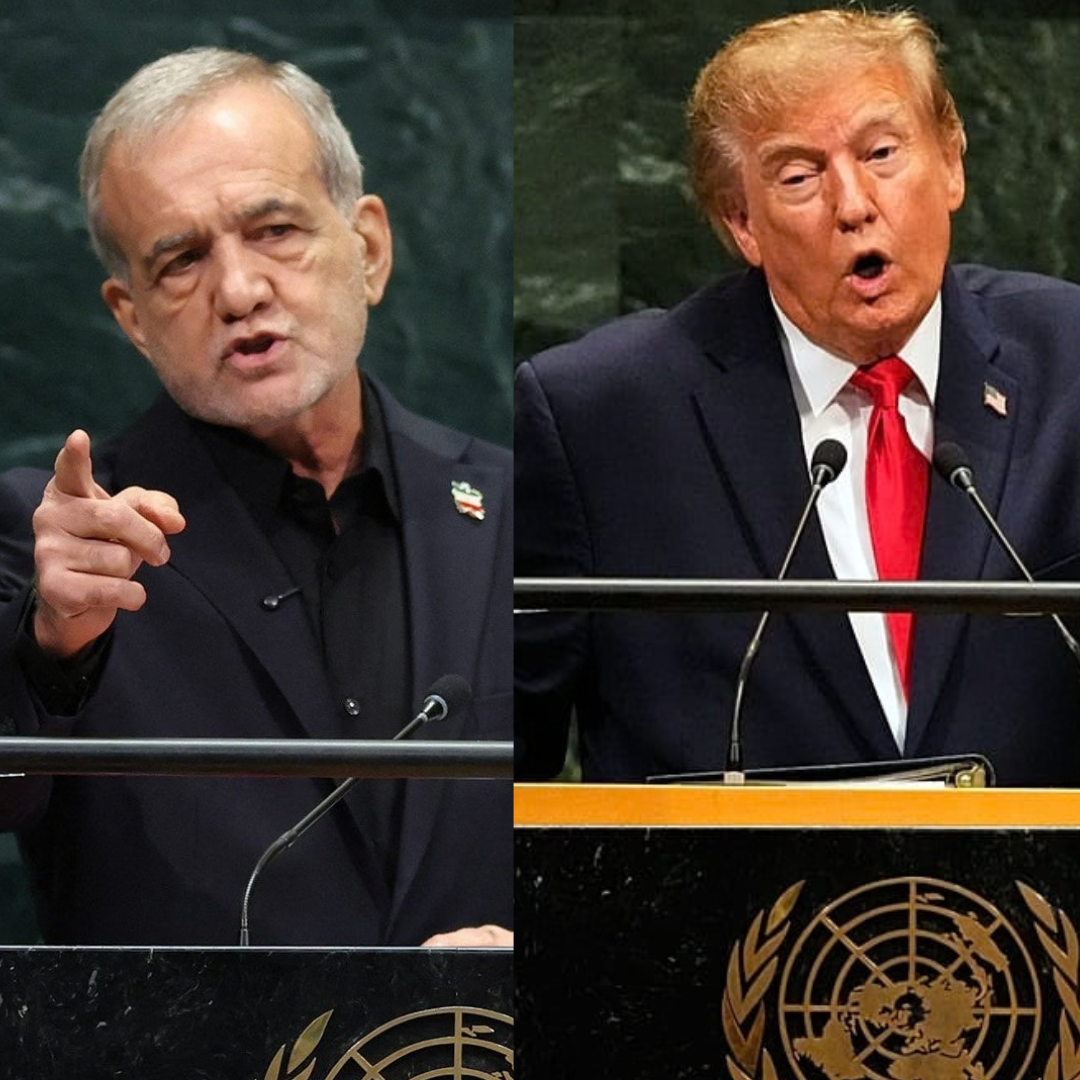
Iran’s President Masoud Pezeshkian also weighed in, backing the pope while condemning what he described as a “desecration of Jesus” following the controversial image shared by President Trump.
In a statement, Pezeshkian expressed solidarity with Pope Leo XIV and declared that such portrayal was unacceptable, noting that Jesus is revered in Islam as “the prophet of peace and brotherhood.”
“His Holiness Pope Leo XIV, I condemn the insult to Your Excellency on behalf of the great nation of Iran, and declare that the desecration of Jesus, the prophet of peace and brotherhood, is not acceptable to any free person," Pezeshkian said in a post on X.
"I wish you glory by Allah," he concluded.
Beyond the immediate controversy, the clash underscores a deeper ideological divide. The Trump administration has defended its military and immigration policies as necessary for national security, while the Vatican under Pope Leo has emphasized humanitarian concerns, peacebuilding, and moral responsibility.
The tension is not entirely new—President Donald Trump also had a strained relationship with the late Pope Francis—but analysts note that the current exchange is more direct and personal.
Some observers have further argued that Trump has at times shown open contempt toward the papacy, pointing to a past incident in which he shared an AI-generated image of himself dressed in papal regalia shortly after the death of Pope Francis.
Despite mounting criticism, Trump has shown no signs of backing down, maintaining that his actions are aligned with the mandate he received from voters.
Meanwhile, Pope Leo has reiterated that his role is not political, but moral—one that requires speaking out against war regardless of political consequences.
As the war in Iran continues to shape global tensions, the standoff between Washington and the Vatican is likely to remain a focal point—raising broader questions about the intersection of faith, leadership, and international conflict.
Comments (0)
No comments yet. Be the first to comment!