

-
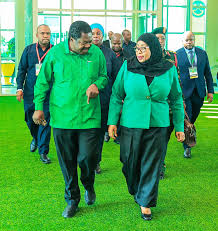 TANZANIA VP RESIGNS AMID SPECULATION OVER STRAIN WITH PRESIDENT SULUHU
-
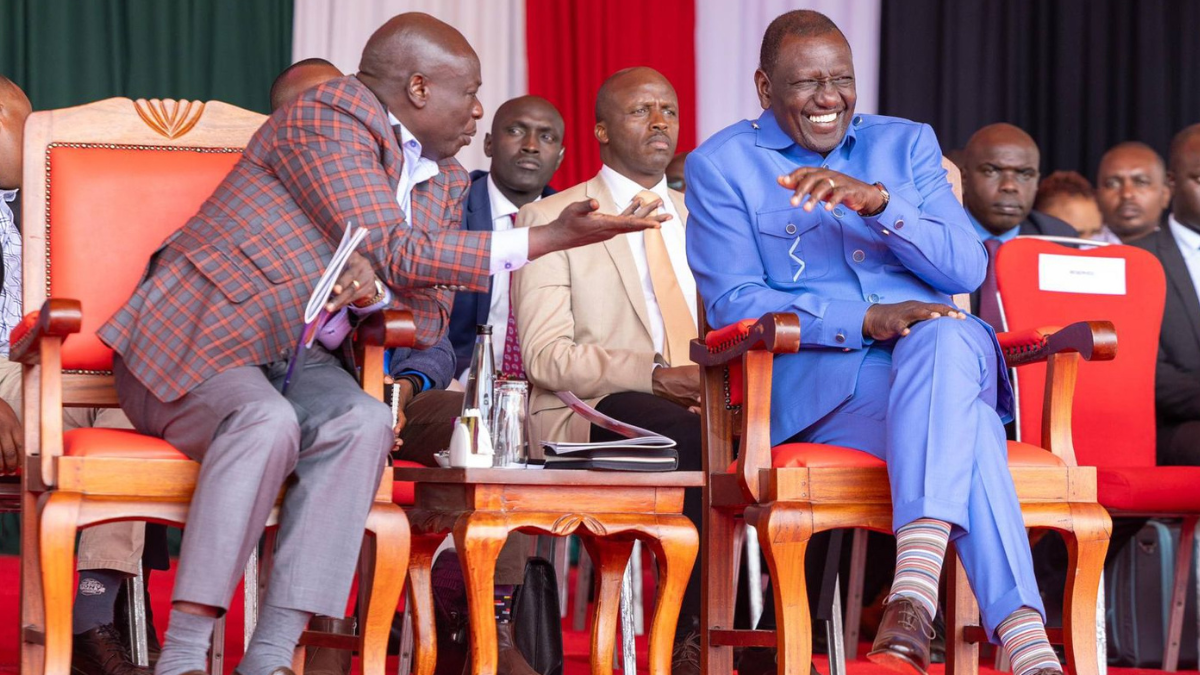 RUTO, GACHAGUA DRAW THE LINE ON 2027 DEAL
-
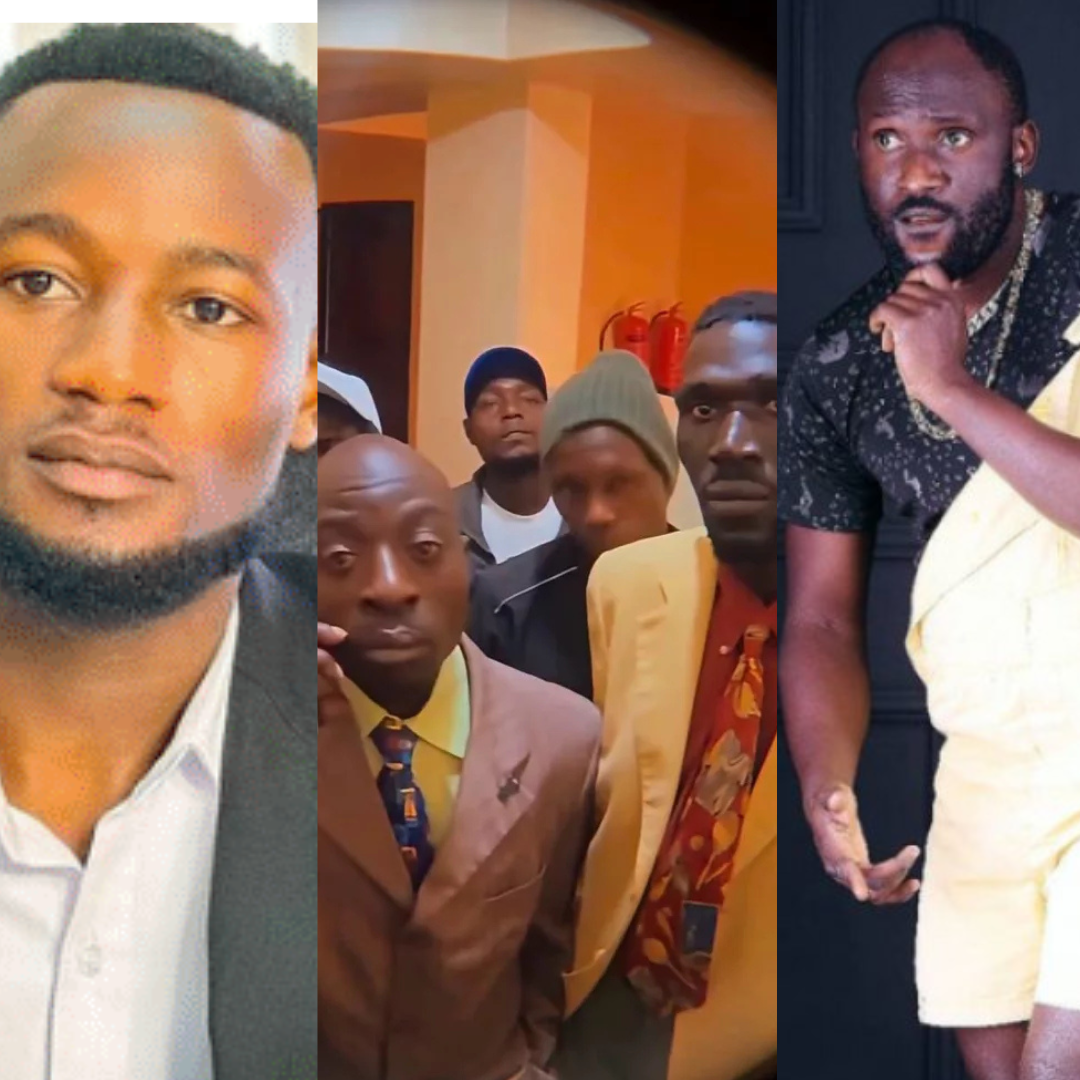 TREVOR, DJ SHITI TRADE BARBS OVER HEHA MOVERS MANAGEMENT
-
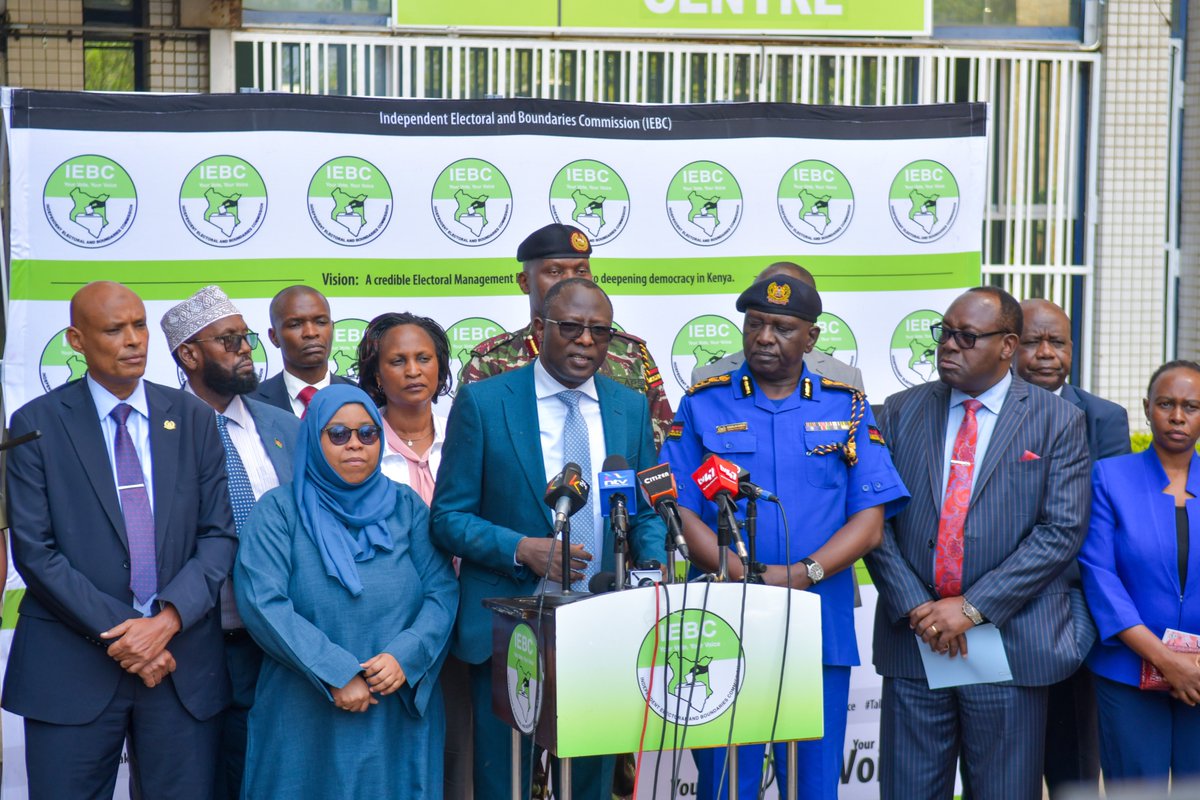 IEBC BANS CAMPAIGNS BEFORE MAY 29, 2027
-
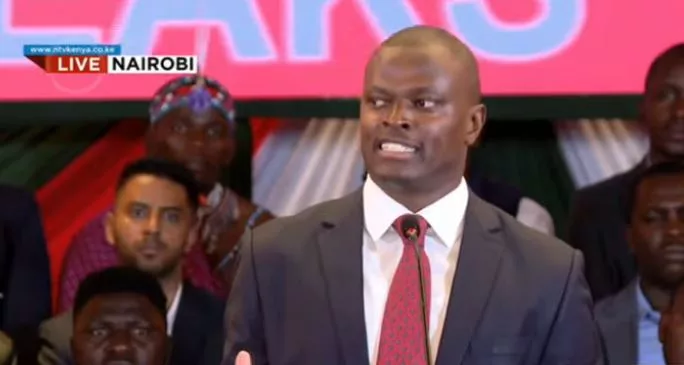 Ndindi Nyoro joins opposition after UDA exit
-
 RONALDO AND GEORGINA FLAUNT WEDDING RINGS
-
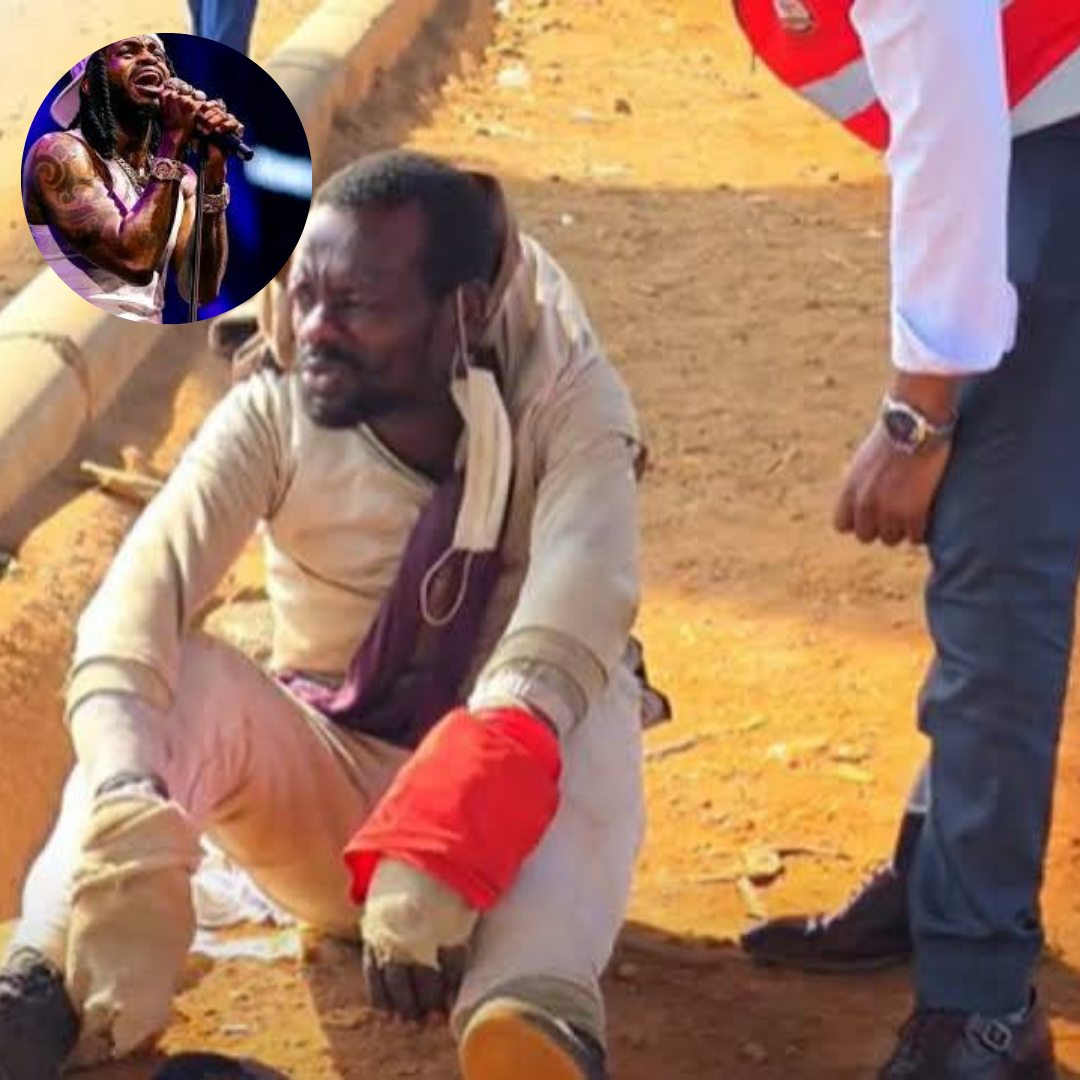 DIAMOND’S FORMER DJ RESCUED FROM STREETS
-
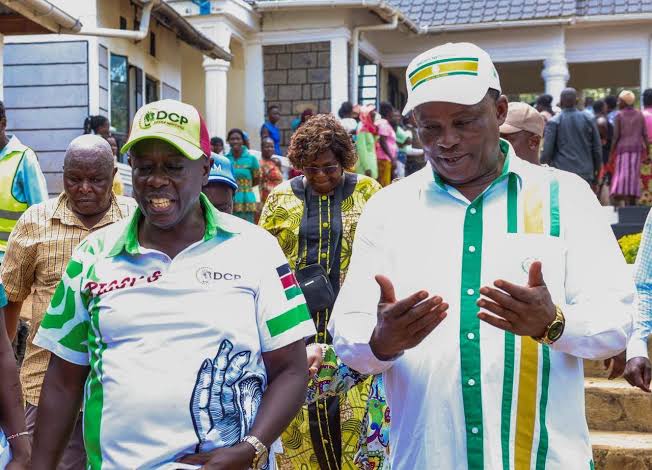 MUTURI REJECTS GACHAGUA’S ‘HYENA COALITION’
-
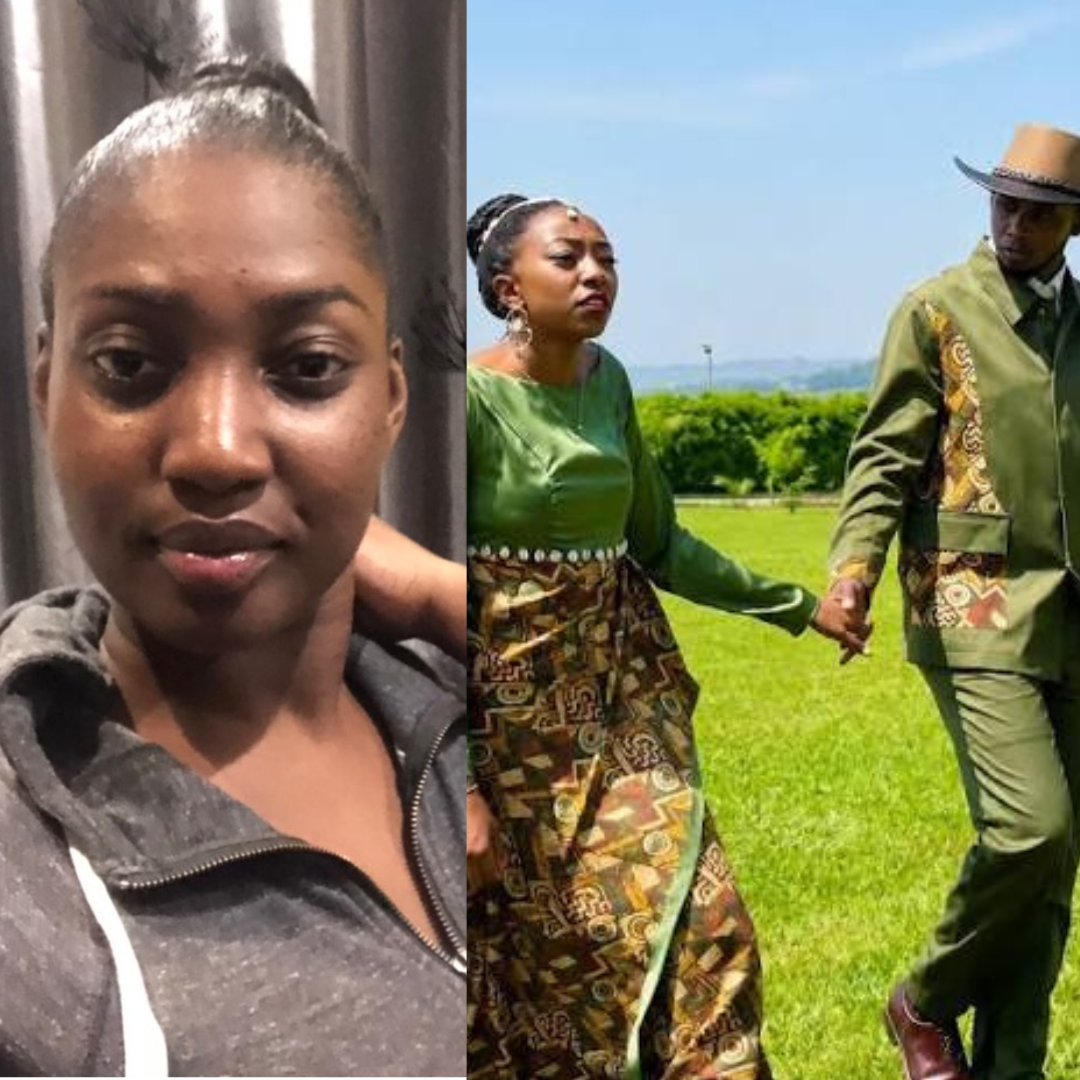 YUNGE’S ALLEGED EX CRIES FOUL AFTER CHARLENE’S WEDDING
Mongolian Prime Minister Resigns Following Public Uproar Over Son’s Lavish Holiday
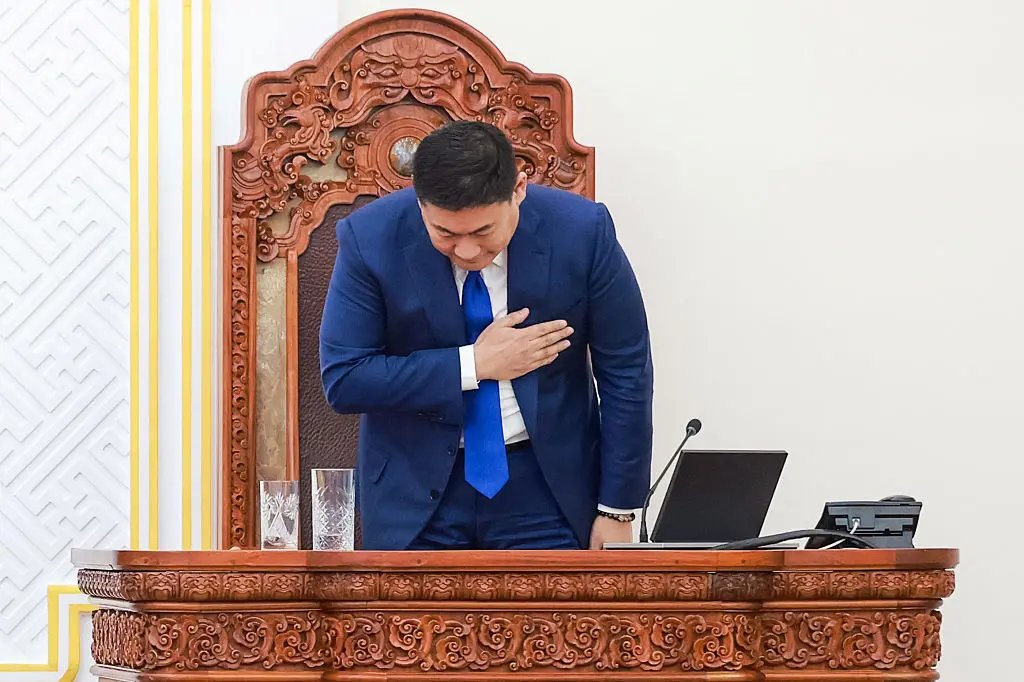
Mongolia’s Prime Minister, Luvsannamsrain Oyun-Erdene, has resigned after facing mounting pressure from the public and parliament over a scandal involving his son’s display of wealth. The uproar, which began in May 2025, centered around viral social media posts by his son’s fiancée, showcasing luxury goods, high-end vacations, and expensive vehicles, sparking widespread anger in a country struggling with economic inequality.
Public demonstrations erupted in the capital, Ulaanbaatar, as thousands—mainly young people—gathered in protest. Many accused the prime minister of hypocrisy and demanded greater transparency, especially given his past pledges to combat corruption and promote fairness. A petition calling for his resignation quickly gathered tens of thousands of signatures, reflecting a broader frustration with perceived elitism and misuse of public office.
Parliament responded with a vote of no confidence. Though Oyun-Erdene secured some support, it was not enough to retain his position. Following the vote, he stepped down but will remain in a caretaker role until a new prime minister is appointed within 30 days.
Oyun-Erdene came to power in 2021 with promises of reform and development, but critics argue his administration fell short of addressing deep-rooted corruption and wealth disparity. The scandal surrounding his son became a tipping point, highlighting the disconnect between the ruling elite and ordinary Mongolians.
The government now faces a critical moment, as it works to regain public trust and stabilize the political landscape. Citizens are calling for not just new leadership, but meaningful change that ensures accountability and more equitable distribution of the country’s resources.
Comments (0)
No comments yet. Be the first to comment!