

-
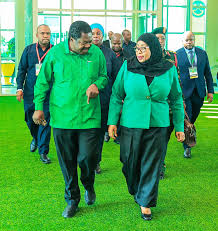 TANZANIA VP RESIGNS AMID SPECULATION OVER STRAIN WITH PRESIDENT SULUHU
-
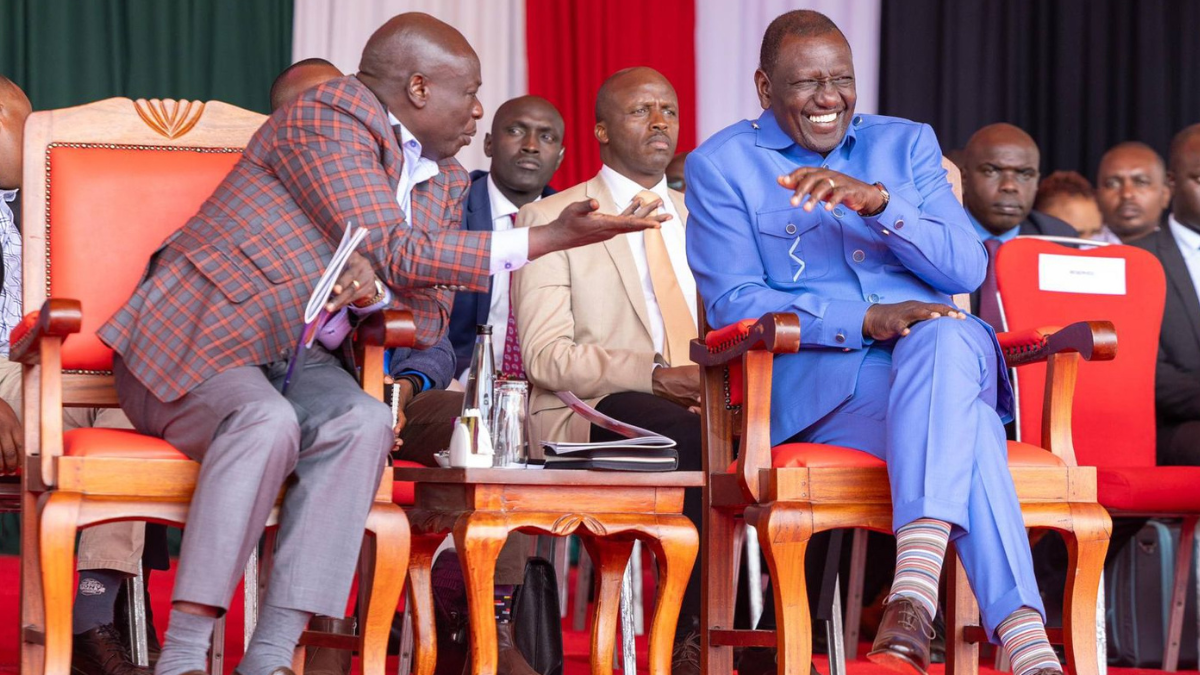 RUTO, GACHAGUA DRAW THE LINE ON 2027 DEAL
-
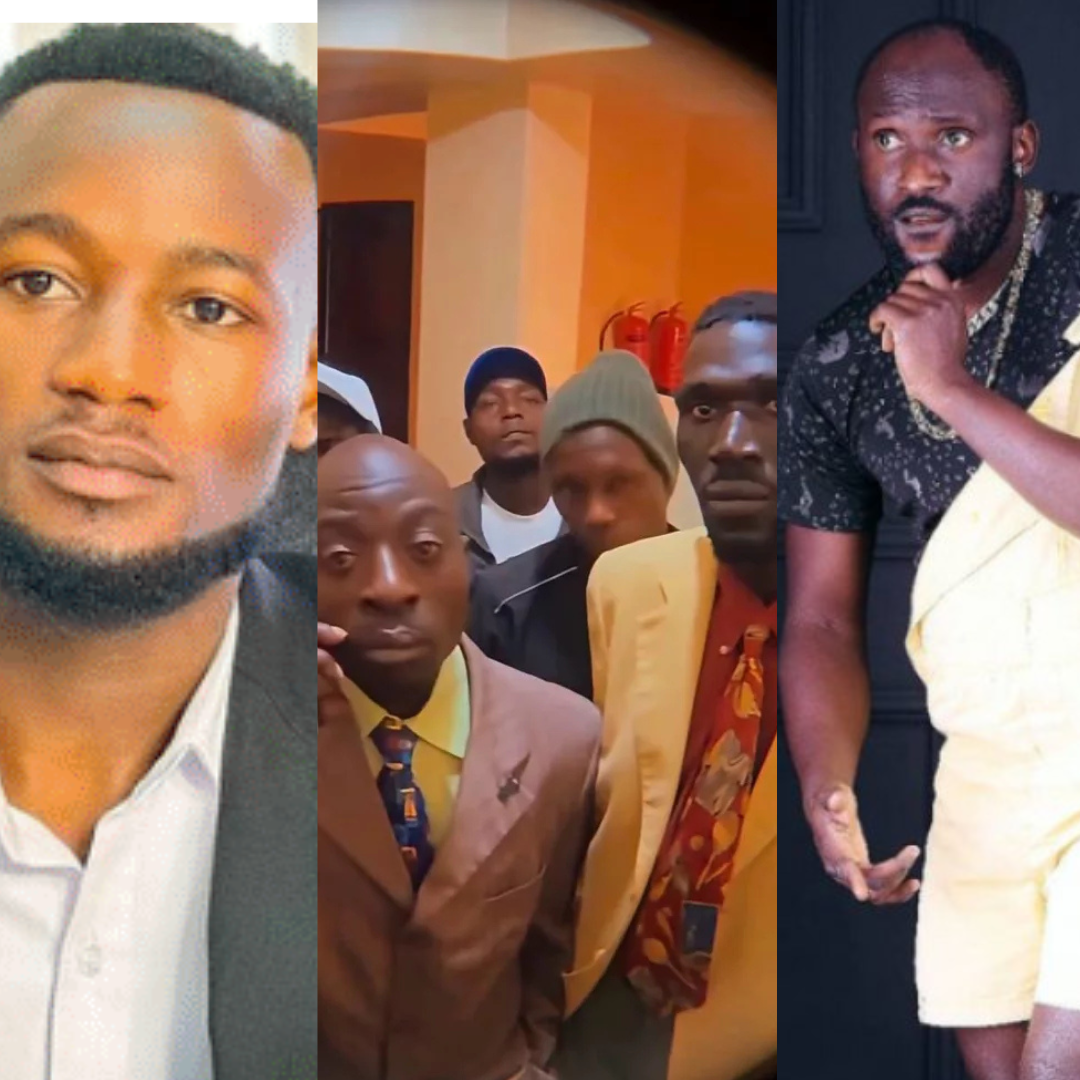 TREVOR, DJ SHITI TRADE BARBS OVER HEHA MOVERS MANAGEMENT
-
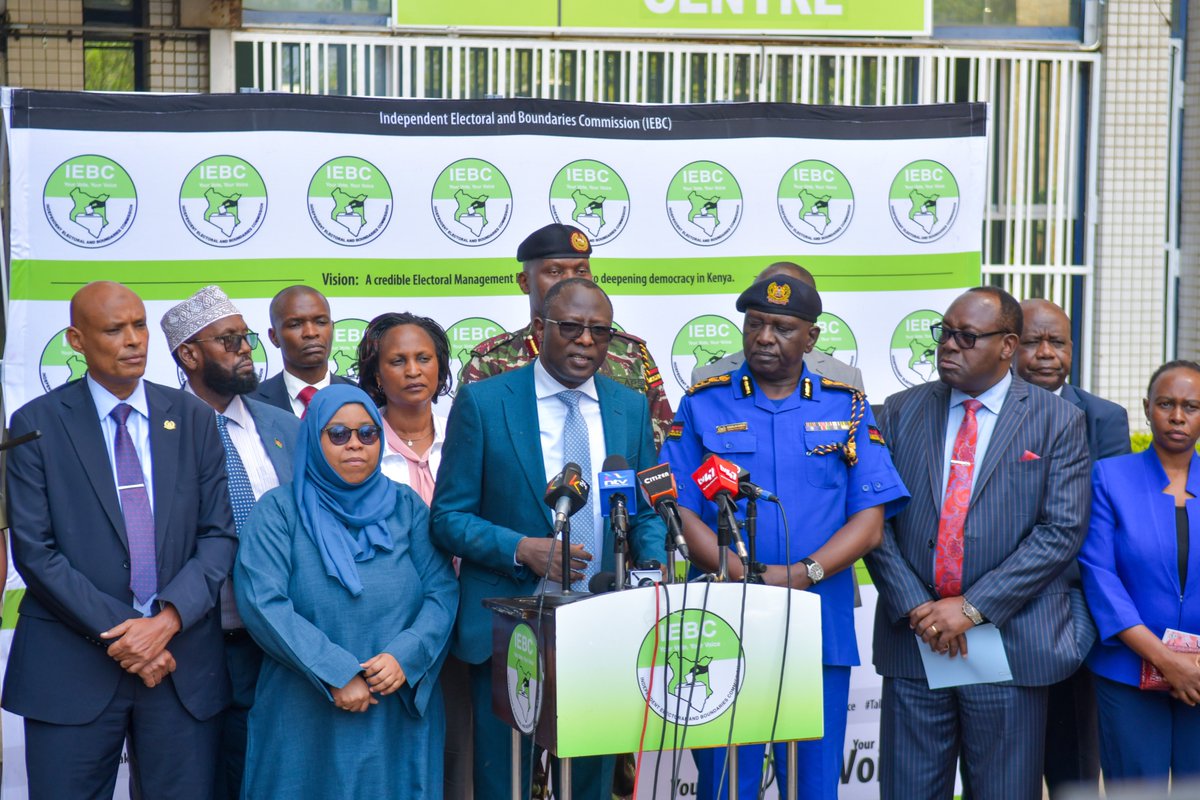 IEBC BANS CAMPAIGNS BEFORE MAY 29, 2027
-
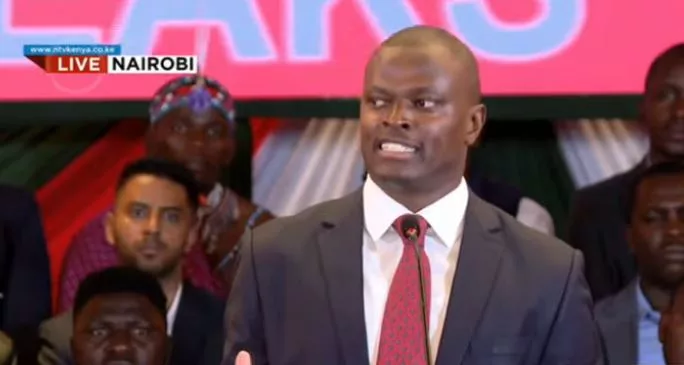 Ndindi Nyoro joins opposition after UDA exit
-
 RONALDO AND GEORGINA FLAUNT WEDDING RINGS
-
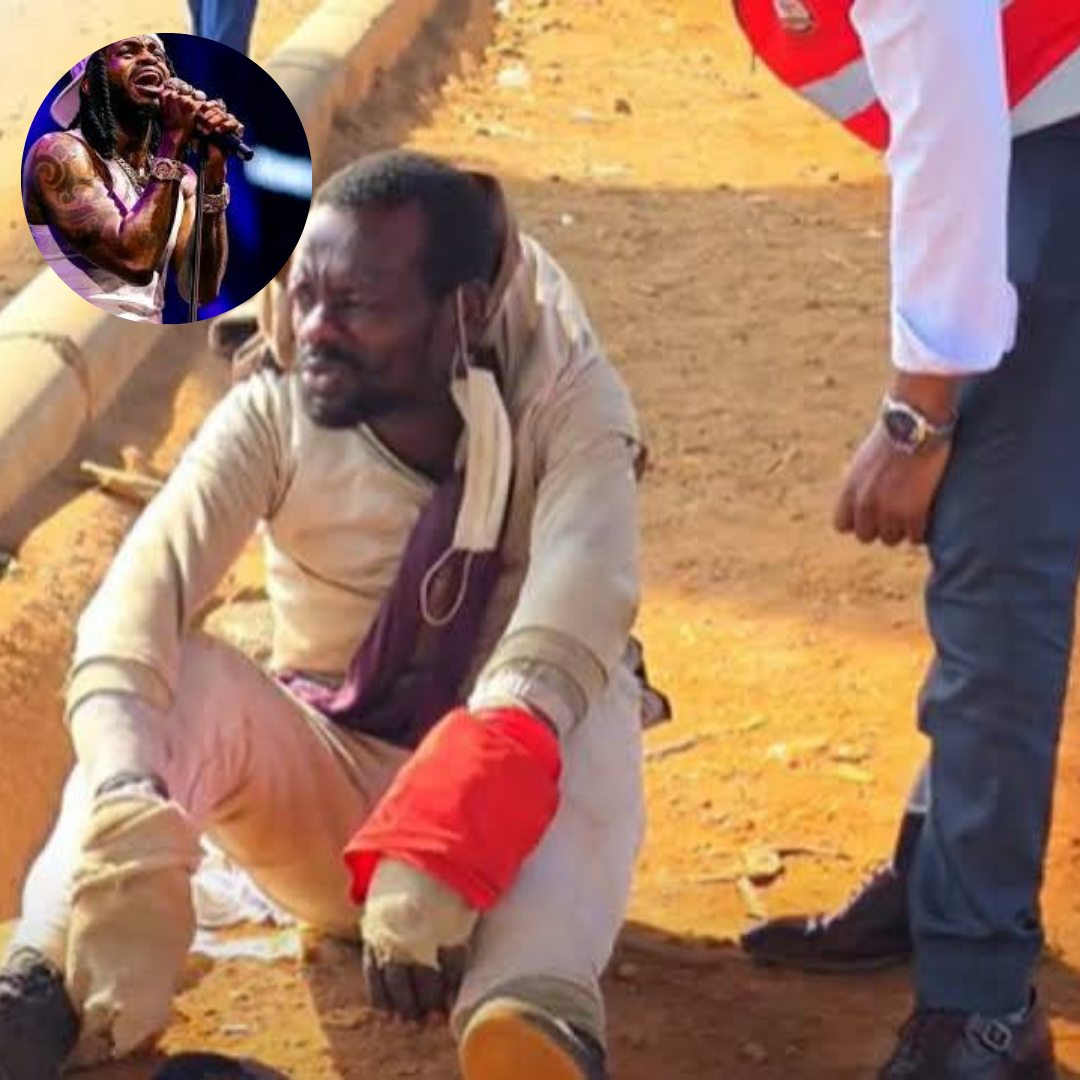 DIAMOND’S FORMER DJ RESCUED FROM STREETS
-
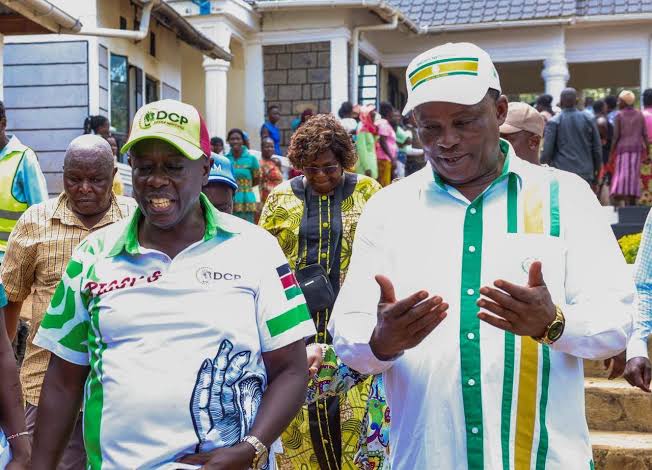 MUTURI REJECTS GACHAGUA’S ‘HYENA COALITION’
-
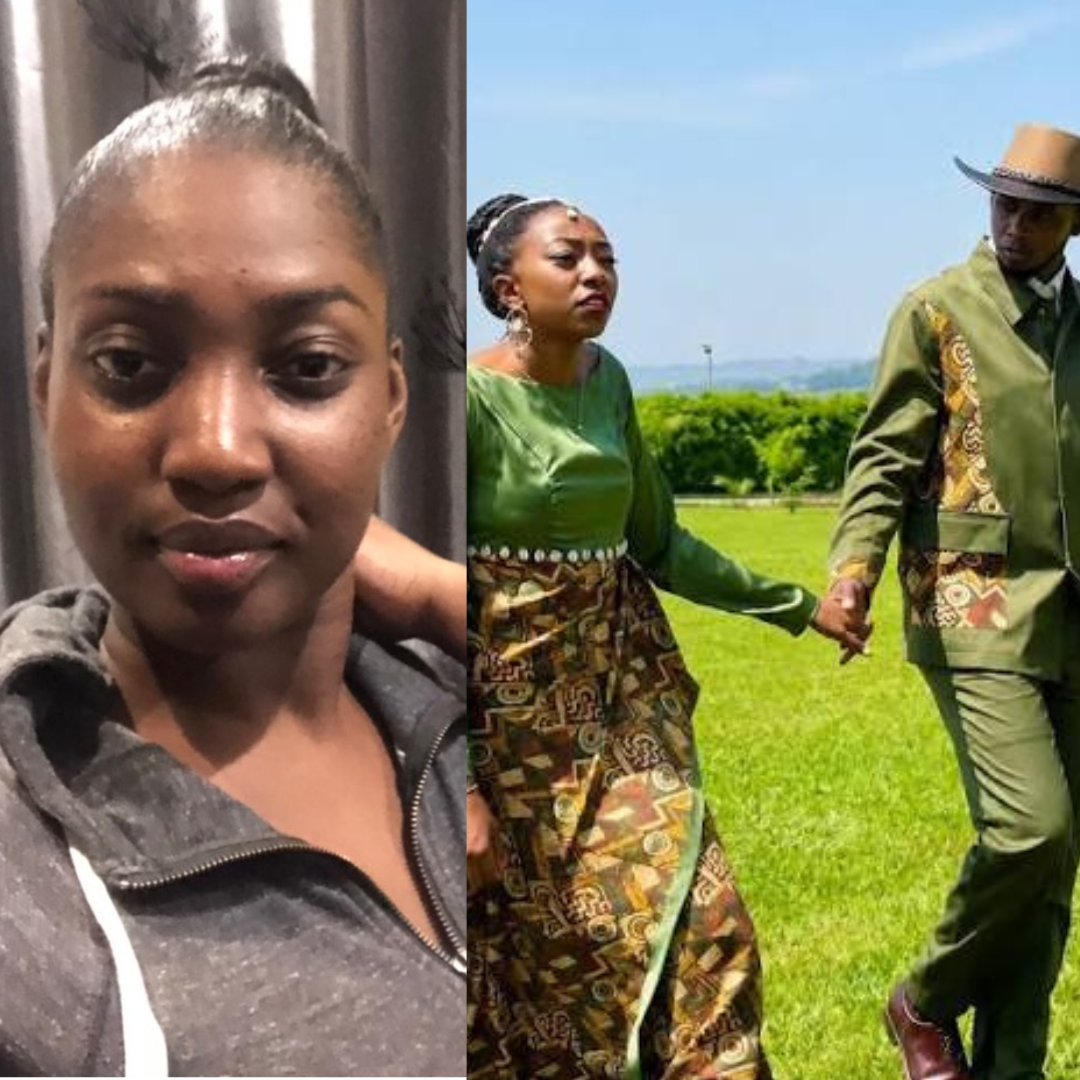 YUNGE’S ALLEGED EX CRIES FOUL AFTER CHARLENE’S WEDDING
NIGERIA HITS BACK AT TRUMP OVER "VICIOUS ATTACKS" THREATS.
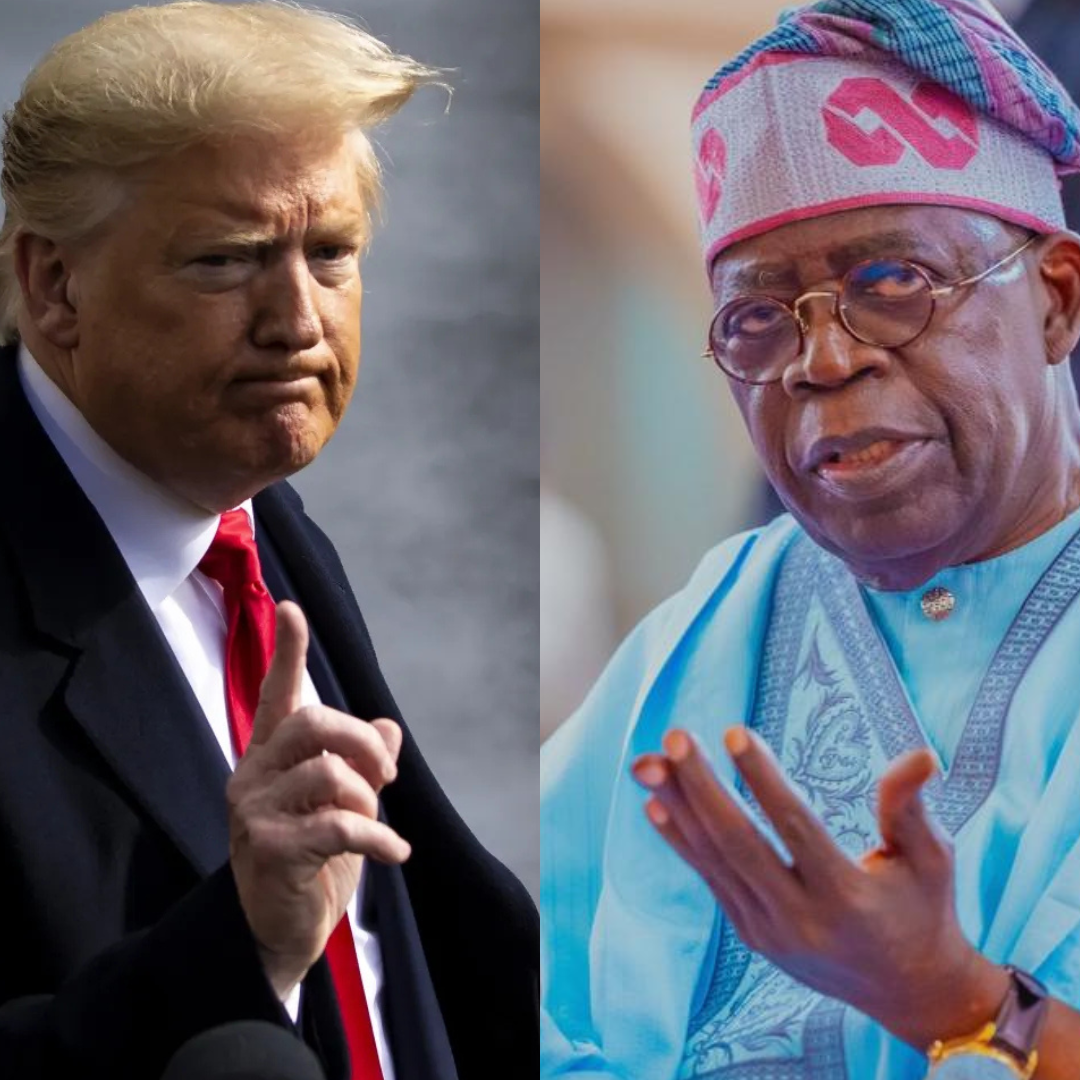
A sharp diplomatic rift has emerged between the United States and Nigeria after U.S. President Donald Trump threatened potential military action against Abuja over what he called the government’s failure to protect Christians from violence.
In a strongly worded social media post on Saturday, Trump accused Nigerian authorities of turning a blind eye to what he described as “the killing of Christians,” warning that Washington would “immediately cut off all assistance” if the situation continued.
“I am hereby instructing our Department of War to prepare for possible action,” Trump wrote. “If we attack, it will be fast, vicious, and sweet, just like the terrorist thugs attack our cherished Christians! WARNING: The Nigerian Government better move fast!”
The comments came just a day after the U.S. added Nigeria to its “Countries of Particular Concern” list, which monitors nations accused of religious persecution.
Trump’s remarks, which many analysts view as unusually aggressive, have drawn swift condemnation from Abuja, which insists the U.S. president’s claims distort Nigeria’s complex security situation.
In a statement released hours after Trump’s threat, Nigerian President Bola Ahmed Tinubu defended his government’s record on religious freedom, describing the country as one that “safeguards faith and beliefs for all citizens.”
“The characterization of Nigeria as religiously intolerant does not reflect our national reality,” Tinubu said. “Our administration continues to address security challenges which affect citizens across faiths and regions.”
Tinubu emphasized that Nigeria remains committed to cooperation with the international community, including the United States, in promoting peace and protecting religious freedoms.
The country’s Ministry of Foreign Affairs also issued a formal response, reiterating Nigeria’s dedication to protecting all its people regardless of religion or ethnicity.
“The Federal Government of Nigeria will continue to defend all citizens, irrespective of race, creed, or religion,” said Kimiebi Ebienfa, spokesperson for the ministry. “Like America, Nigeria celebrates the diversity that is our greatest strength.”
Trump’s threat has sparked concern among foreign policy experts, who warn that military rhetoric could damage long-standing U.S.-Nigeria ties and worsen instability in the region.
“This is precisely the moment when Nigeria needs assistance, especially military support,” said Ebenezer Obadare, Senior Fellow for Africa Studies at the Council on Foreign Relations in Washington, D.C. “The wrong thing to do is to invade Nigeria and override its authority — that would be counterproductive.”
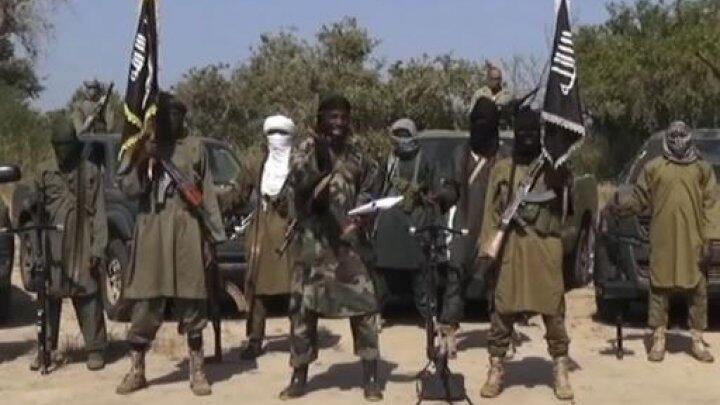
Analysts also questioned Trump’s framing of Nigeria’s violence as religious persecution, arguing that extremist groups such as Boko Haram and other armed factions have targeted both Christians and Muslims alike.
“All the data reveals there is no Christian genocide going on in Nigeria,” said Bulama Bukarti, a Nigerian humanitarian lawyer and conflict analyst. “This is a dangerous far-right narrative that President Trump is amplifying today. It’s divisive and will only increase instability in Nigeria.”
Bukarti added that most armed groups “attack every civilian location they find — churches, mosques, markets — without discriminating between Muslims and Christians.”
Taking to social media, many Nigerians went bare-knuckle in their response, accusing former U.S. President Donald Trump of attempting to undermine the country’s sovereignty. They described Trump’s latest “lectures” as condescending and politically charged. Others voiced broader frustration, arguing that American interference in African affairs has often spelled disaster, citing a pattern of instability that follows such interventions.
Trump’s remarks have once again highlighted the tension between U.S. domestic politics and its foreign policy. While the president’s comments resonate with parts of his conservative base that view religious freedom as a foreign policy priority, the Nigerian government sees them as an affront to its sovereignty.
For now, Abuja insists it will not be intimidated. Tinubu’s administration maintains that its security forces are actively working to counter terrorism and protect all citizens, regardless of faith.
Comments (0)
No comments yet. Be the first to comment!