

-
 ONANA HOSPITALISED AFTER MULTI-CAR CRASH
-
 EASTLEIGH BUILDING COLLAPSE RAISES QUESTIONS OVER COUNTY APPROVALS
-
 MBAVU DESTROYER ENTERS 2027 POLITICAL RACE
-
 AMBIА’S ABSURD COURTROOM EXPRESSIONS SPARK UPROAR
-
 OMAH LAY HOSPITALISED AFTER ACCIDENT DURING TOUR REHEARSAL
-
 NJERI MAINA, MURANGO DROP ‘HIT AND RUN’ REAGGAE BANGER
-
 BRUNO THROWS REPENTANT CARRICK UNDER THE BUS
-
 MOSIRIA FIRES SARCASTIC SHOT AT SAKAJA AFTER SACKING
-
 SIFUNA’S 2027 BID DOOMED BY OLD GUARD ALLIANCE- MIGUNA
POP LEGEND CONNIE FRANCIS DIES AT 87 AFTER TRAGIC DECLINE IN HEALTH
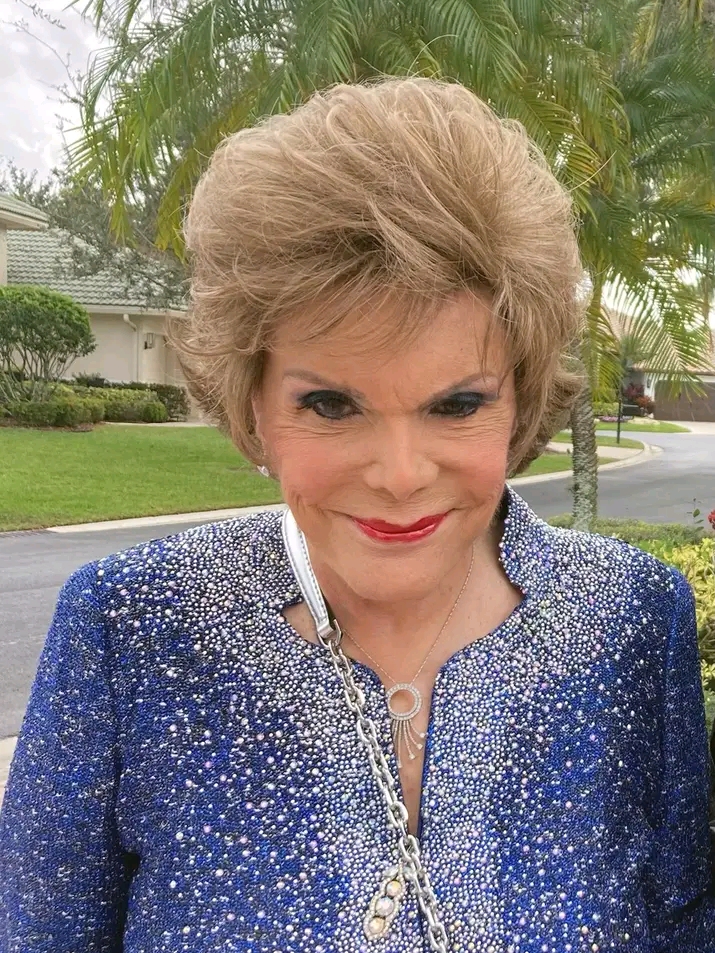
Francis, one of the most beloved voices of 1950s and 60s pop music, has died at the age of 87. The music icon, known for timeless hits like “Pretty Little Baby” and “Who's Sorry Now?”, passed away on Wednesday night in a Florida hospital, where she had been admitted in late June following a serious pelvic fracture.
The legendary performer, born Concetta Rosemarie Franconero, began her rise to stardom as a teenager when she signed a deal with MGM Records at just 17. Although her earliest recordings struggled, her breakthrough came in 1958 when “Who’s Sorry Now?” gained traction after being played on American Bandstand. From there, her career took off, delivering hit after hit including “Stupid Cupid,” “Lipstick on Your Collar” and “Don’t Break the Heart That Loves You.”
Connie’s appeal extended across generations and continents. She recorded her hits in multiple languages, selling out concerts around the world. In an unexpected resurgence this year, her 1960s song “Pretty Little Baby” found new life on TikTok and Instagram, exposing a new generation to her distinctive, heartfelt voice.
But behind the fame was a life of intense personal pain. Her romance with fellow teen star Bobby Darin ended traumatically after her father violently intervened. In 1974, she was the victim of a horrific assault in her hotel room, an incident that changed the course of her life. Her emotional and psychological struggles deepened after the murder of her brother in 1981 and being institutionalised by her own father later in the decade.
Despite four failed marriages and numerous personal battles, Francis remained a powerful symbol of resilience. Her memoir, “Who’s Sorry Now?”, gave fans a raw glimpse into the pain behind her music, where she confessed, “My personal life is a regret from A to Z.”
Connie Francis leaves behind a legacy built not only on chart-topping records but on her unmatched ability to channel joy and heartbreak into song. Her voice may have been silenced, but her music continues to echo through time.


Comments (0)
No comments yet. Be the first to comment!