

-
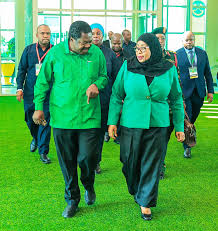 TANZANIA VP RESIGNS AMID SPECULATION OVER STRAIN WITH PRESIDENT SULUHU
-
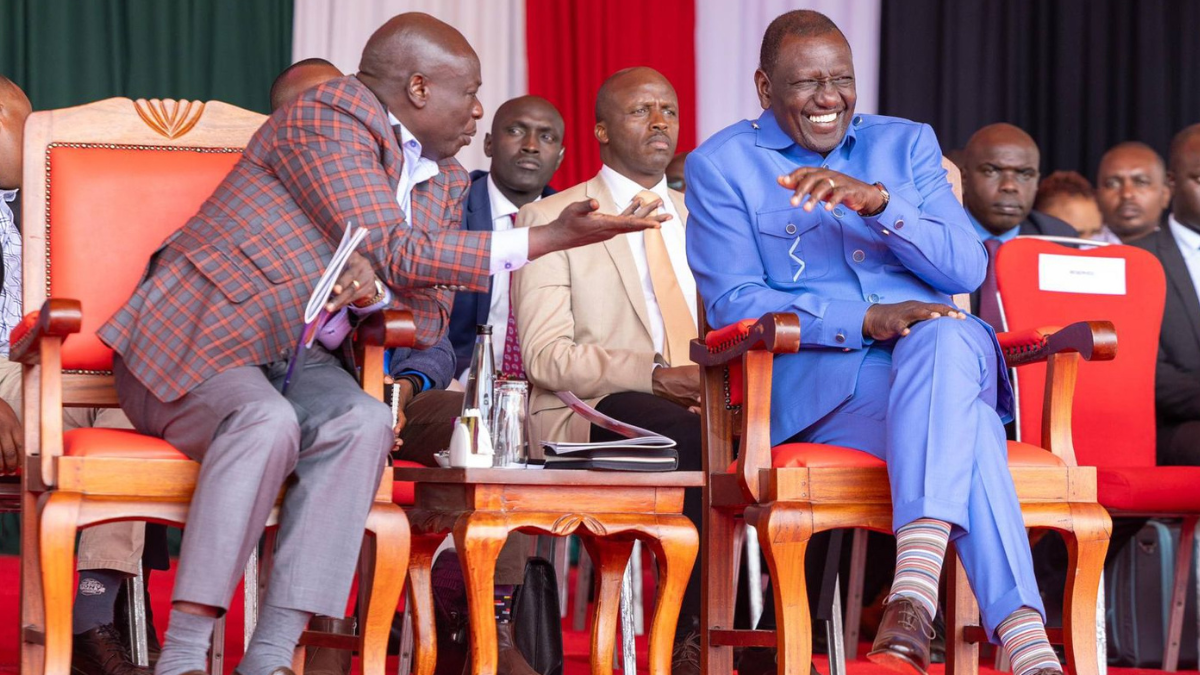 RUTO, GACHAGUA DRAW THE LINE ON 2027 DEAL
-
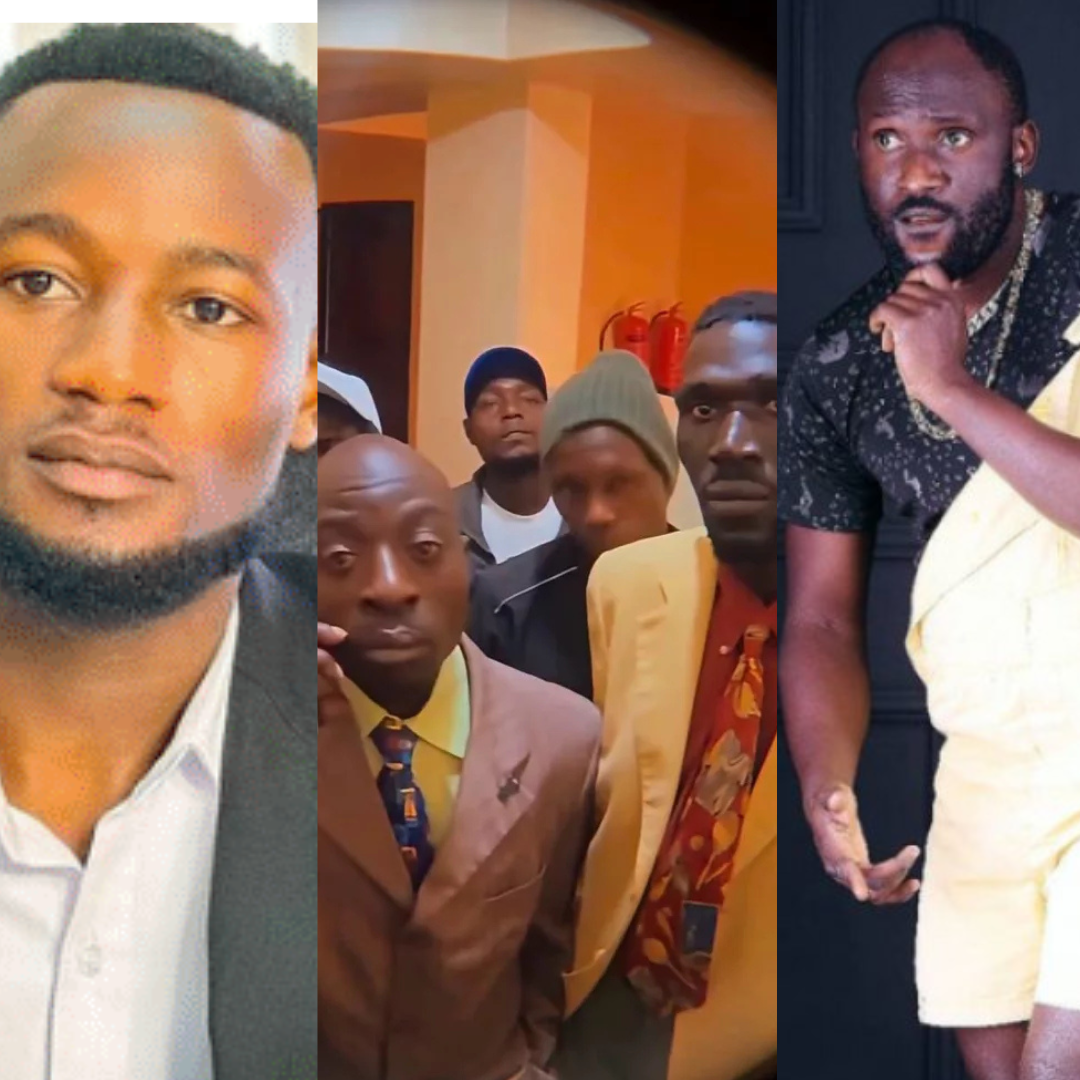 TREVOR, DJ SHITI TRADE BARBS OVER HEHA MOVERS MANAGEMENT
-
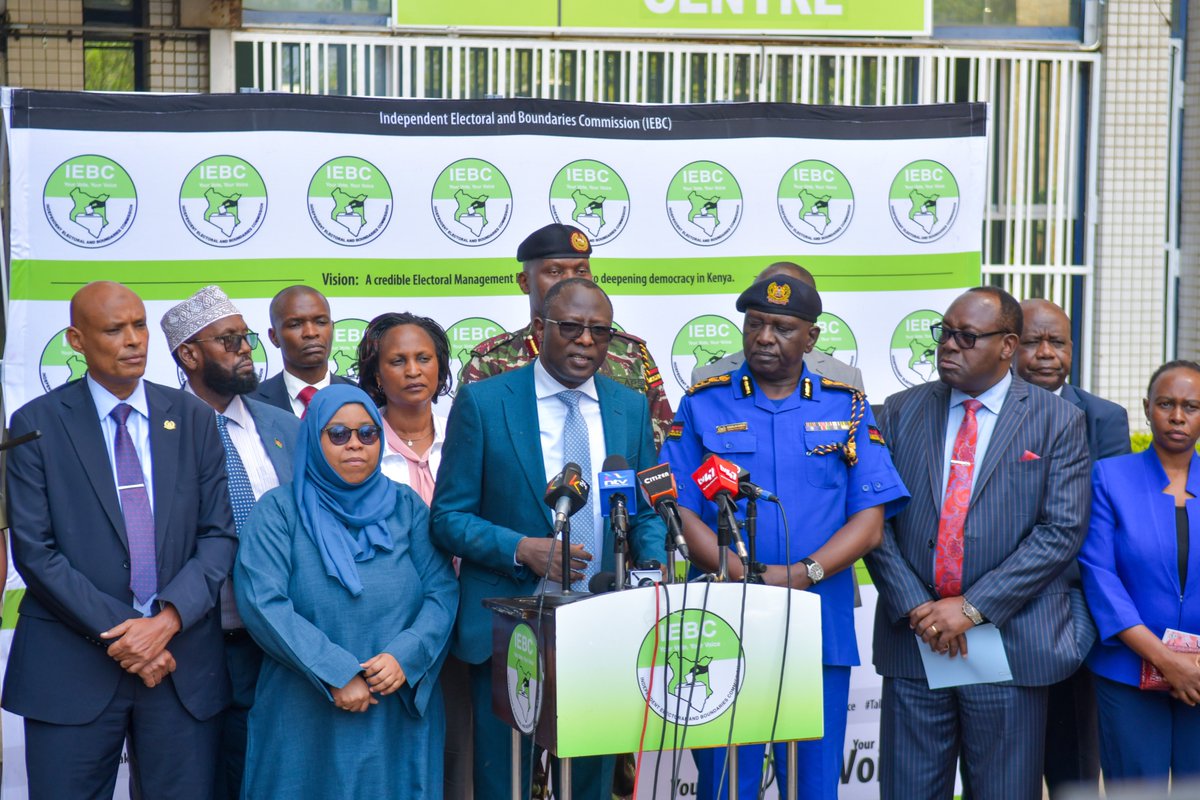 IEBC BANS CAMPAIGNS BEFORE MAY 29, 2027
-
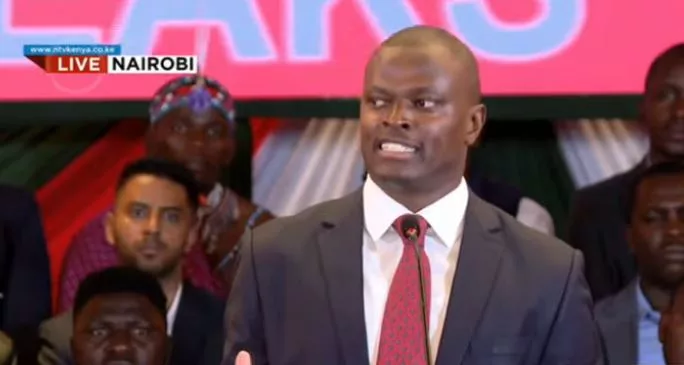 Ndindi Nyoro joins opposition after UDA exit
-
 RONALDO AND GEORGINA FLAUNT WEDDING RINGS
-
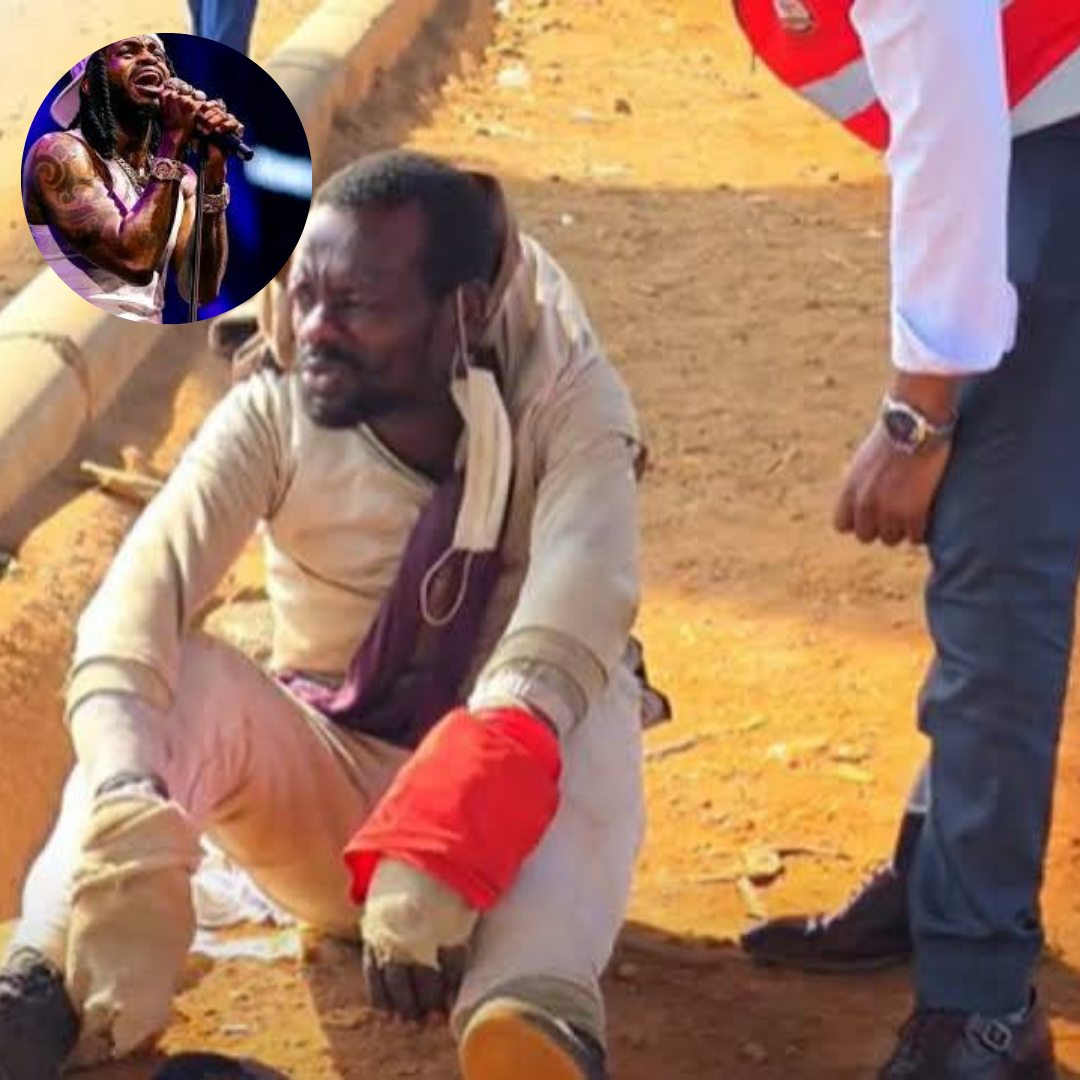 DIAMOND’S FORMER DJ RESCUED FROM STREETS
-
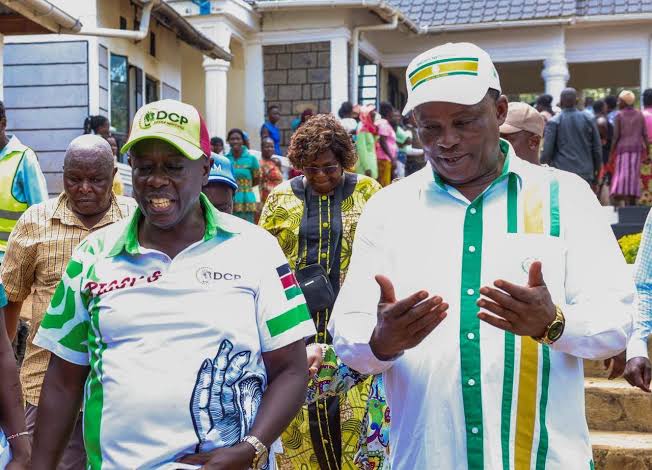 MUTURI REJECTS GACHAGUA’S ‘HYENA COALITION’
-
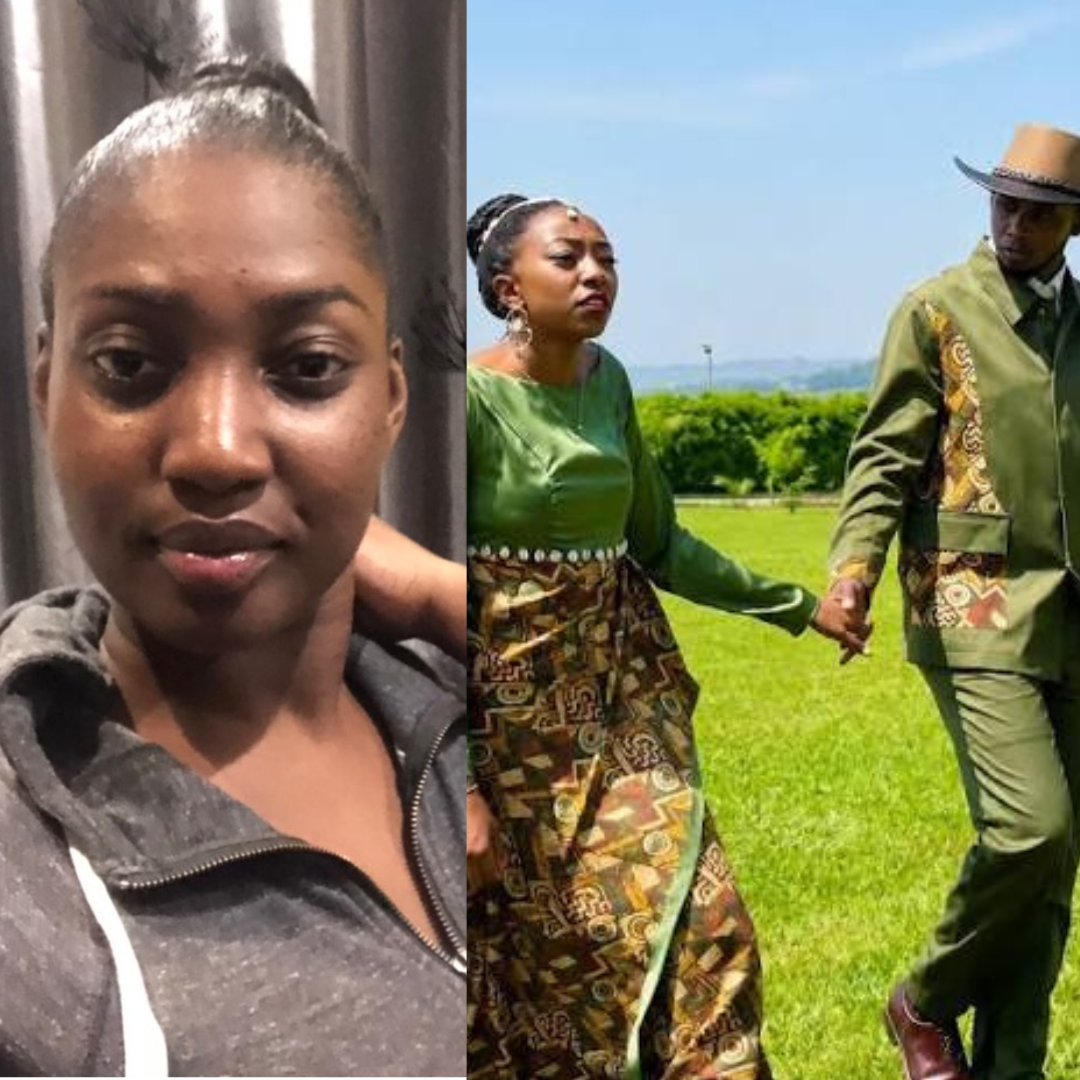 YUNGE’S ALLEGED EX CRIES FOUL AFTER CHARLENE’S WEDDING
RAMAPHOSA DEFENDS SOUTH AFRICA AMID TRUMP'S 'WHITE GENOCIDE' ALLEGATIONS
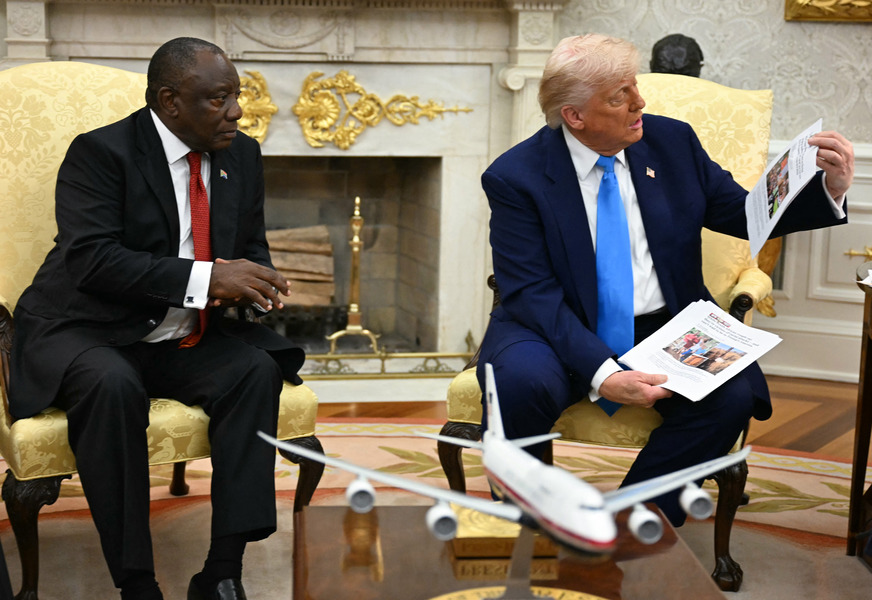
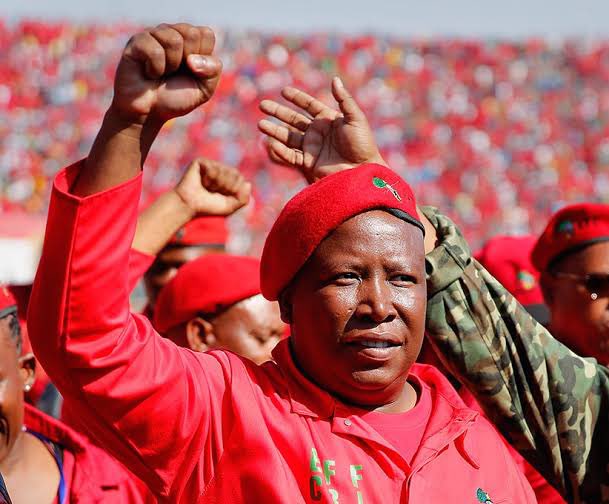
Washington, D.C. — US President Donald Trump confronted South African President Cyril Ramaphosa on Wednesday during a high-level meeting at the White House, accusing South Africa of “white genocide.” Trump played a video of Economic Freedom Fighters (EFF) leader Julius Malema singing the controversial “Kill the Boer” chant, alleging it incites violence against white farmers, many of whom he said are fleeing to the United States.
The meeting, intended to strengthen diplomatic ties and discuss trade relations, quickly shifted focus as Trump used the Oval Office to question South Africa’s internal politics. With media present, Trump projected the video on a large screen, stating, “They're white farmers, and they're fleeing South Africa. It's a very sad thing to see.”
President Ramaphosa attempted to respond calmly, emphasizing South Africa’s commitment to dialogue and explaining that the chant does not reflect government policy. “South Africa is a multi-party democracy that allows individuals and political parties to express themselves,” Ramaphosa said, adding that the EFF represents a small minority.
South Africa’s courts have ruled that the chant, when understood in its historical and political context, does not constitute hate speech or incite violence. However, Trump and South African-born entrepreneur Elon Musk have repeatedly cited it as evidence of “white genocide.”
The EFF issued a strong statement condemning Ramaphosa’s remarks and defending their political expression, accusing the South African president of betraying their party and collaborating with white minority interests. The party also criticized what it described as foreign interference in South Africa’s affairs.
The meeting, originally seen as a step towards improved US-South Africa relations, has instead reignited debate over land reform, political freedom, and racial tensions in South Africa.
Comments (0)
No comments yet. Be the first to comment!